
The allure of a California roll is undeniable. Its vibrant colors, delicate textures, and refreshing flavors make it a popular choice, especially for those venturing into the world of sushi. But as we navigate our culinary journeys, a common question arises: are these delightful rolls truly fattening? This exploration delves into the nutritional aspects of the California roll, weaving in elements of travel, tourism, and lifestyle, all through the lens of experiencing diverse cultures and cuisines.
The Anatomy of a California Roll: Ingredients and Nutritional Considerations
At its core, a California roll is a type of makizushi, or rolled sushi, characterized by its inside-out preparation. This means the rice is on the outside, encasing the fillings. Understanding the components is the first step to assessing its nutritional impact.

Rice: The Foundation of the Roll
The primary ingredient in any sushi roll, including the California roll, is rice. Typically, short-grain sushi rice is used, which has a higher starch content, making it sticky and ideal for rolling. This rice is usually seasoned with a mixture of rice vinegar, sugar, and salt.
Carbohydrates and Calories: Rice is a significant source of carbohydrates, which provide energy. A standard serving of cooked sushi rice (about 1/2 cup) contains approximately 100-130 calories and 20-30 grams of carbohydrates. The addition of sugar in the seasoning mixture contributes to these carbohydrate counts. While carbohydrates are essential, excessive consumption, particularly from refined sources, can contribute to weight gain.
Glycemic Index: White sushi rice has a moderate to high glycemic index (GI), meaning it can cause a relatively rapid spike in blood sugar levels. For individuals managing their blood sugar, this is a factor to consider. Brown sushi rice, if used (though less common in traditional California rolls), offers a lower GI and more fiber, making it a healthier alternative.
The Fillings: Avocado, Crab, and Cucumber
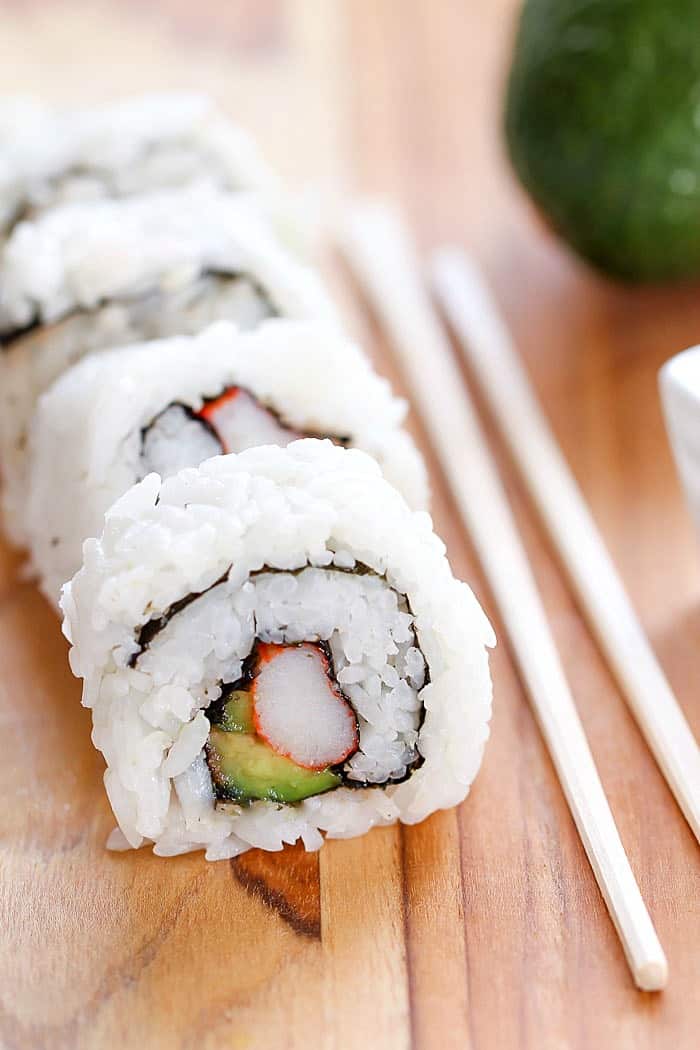
The signature fillings of a California roll are avocado, imitation crab (or sometimes real crab), and cucumber. Each brings its own nutritional profile to the mix.
Avocado: This creamy fruit is a powerhouse of healthy monounsaturated fats, fiber, and various vitamins and minerals. However, avocados are also calorie-dense. A quarter of a medium avocado can add around 60-80 calories and 5-7 grams of fat. These fats are beneficial for heart health, but portion control is key, especially when considering the overall calorie count of the roll. The healthy fats in avocado can also contribute to satiety, which can be a positive aspect in managing food intake.
Imitation Crab (Surimi): This is a processed seafood product made from white fish (like pollock) that is ground into a paste, mixed with starch, egg whites, sugar, salt, and flavorings, and then shaped to resemble crab meat. While it provides protein, imitation crab is often high in sodium and can contain added sugars and preservatives. The protein content is generally lower than that of real crab. A typical serving might add about 50-70 calories.
Cucumber: A low-calorie, high-water-content vegetable, cucumber adds crunch and a refreshing element to the roll without significantly increasing the caloric load. It’s a great source of hydration and provides small amounts of vitamins and minerals.
The Outer Layer: Nori and Sesame Seeds
The nori, or dried seaweed sheet, that encases the roll is low in calories and provides a good source of iodine, vitamins, and minerals. If sesame seeds are sprinkled on the outside, they add a small amount of healthy fats, protein, and fiber, along with a nutty flavor.
Beyond the Plate: Lifestyle, Travel, and Cultural Context
The question of whether a California roll is fattening cannot be fully answered without considering the broader context of lifestyle and travel. Food is intrinsically linked to our experiences, and how we consume it often depends on our environment and habits.
Culinary Exploration and Tourism
When traveling to destinations like Japan, a place synonymous with sushi, or even exploring diverse food scenes in cities like Los Angeles, where the California roll is believed to have originated, the focus is often on experiencing local culture and trying new flavors. In such settings, a California roll might be enjoyed as part of a larger meal or as a treat.
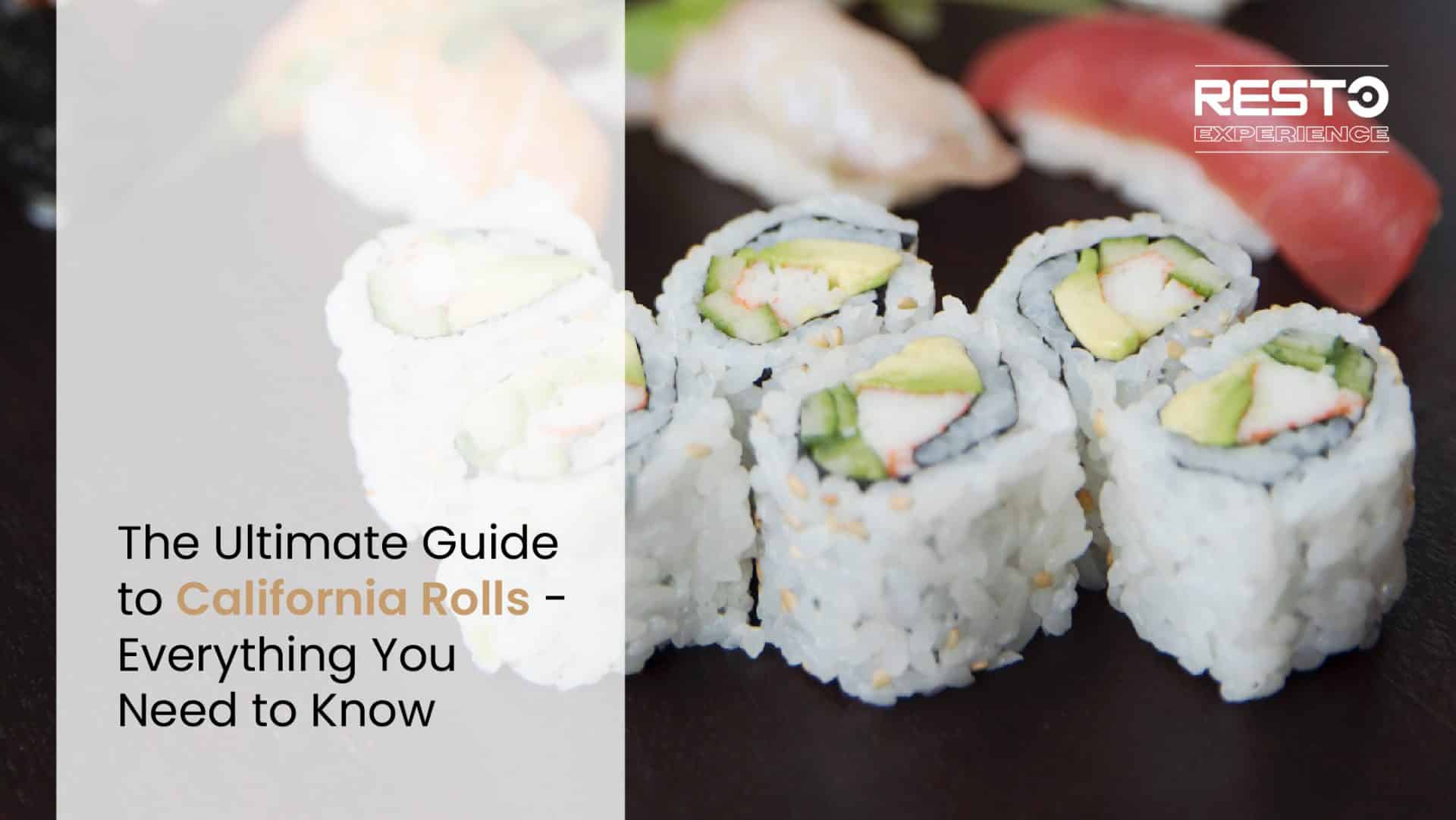
Portion Sizes and Frequency: The number of rolls consumed plays a significant role. A single California roll typically contains 6-8 pieces. If enjoyed as a light lunch or appetizer, its caloric impact is minimal. However, if multiple rolls are consumed as a main course, especially in a setting where other calorie-dense dishes are also ordered, the overall intake can increase substantially. This is where the mindful aspect of travel dining comes into play. Choosing a sushi restaurant that prioritizes fresh ingredients and offers a variety of lighter options can enhance the culinary tourism experience without compromising health goals.
Accompaniments: The way a California roll is served can also affect its nutritional profile. Soy sauce, often high in sodium, should be used sparingly. Wasabi and pickled ginger, while generally low in calories, can contribute to sodium intake (soy sauce) or add subtle sugars (some pickled ginger). Opting for brown rice rolls or rolls with more vegetables can also be a strategy for healthier consumption.
Lifestyle Choices and Dining Habits
The perception of food as “fattening” is often tied to broader lifestyle choices. For those engaged in active travel, exploring cities on foot, or participating in outdoor activities, the caloric intake from a California roll might be easily offset by daily energy expenditure. Conversely, for individuals with more sedentary lifestyles, every calorie counts.
Luxury vs. Budget Travel: Whether one is indulging in a luxury dining experience at a high-end resort or seeking budget-friendly eats at a local eatery, the nutritional content of food remains the same. However, the context of these choices can differ. In a luxury resort, a California roll might be part of a buffet or a curated menu where portion control can be more challenging. In a budget travel scenario, prioritizing nutrient-dense meals might be more crucial for sustained energy.
Family Trips and Business Stays: During family trips, the California roll can be a crowd-pleaser, offering a familiar and approachable option for diverse palates, including children. For business stays, it might be a convenient and relatively quick meal option. In these situations, balancing enjoyment with conscious eating is key.
Moderation is Key: Making Informed Choices
Ultimately, whether a California roll is fattening depends on several factors: the ingredients used, the portion size, the frequency of consumption, and the individual’s overall dietary habits and lifestyle.
Nutritional Breakdown of a Typical California Roll
To provide a clearer picture, let’s consider a hypothetical, yet common, California roll:
- Rice: Approximately 40-50 calories per roll (seasoned).
- Avocado: Approximately 50-70 calories (1/4 to 1/3 of a medium avocado).
- Imitation Crab: Approximately 30-50 calories.
- Cucumber: Negligible calories.
- Nori and Sesame Seeds: Negligible calories.
Therefore, a single California roll can range from approximately 120 to 170 calories.
Comparison to Other Options: Compared to a deep-fried tempura roll or a roll loaded with creamy sauces, a California roll is a relatively lighter option. However, it is still more calorie-dense than a simple cucumber or avocado roll due to the rice and avocado content.
Strategies for Healthier Sushi Consumption
For travelers and food enthusiasts alike, enjoying sushi, including California rolls, as part of a balanced diet is entirely achievable. Here are some practical tips:
- Mindful Portions: Limit yourself to one or two rolls as a meal or appetizer.
- Choose Wisely: Opt for rolls made with brown rice or those that emphasize vegetables. Consider rolls with lean proteins like sashimi or grilled fish.
- Limit Sauces and Fried Elements: Be cautious of rolls with heavy sauces, mayonnaise, or deep-fried ingredients, which significantly increase calorie and fat content.
- Hydrate: Drink plenty of water.
- Balance Your Meal: Pair your sushi with a side salad or a clear broth soup.
- Be Aware of Sodium: Use soy sauce sparingly and opt for low-sodium versions if available.
- Consider Real Crab: If opting for real crab, it’s a lean protein source, but often more expensive.
The Joy of Discovery: Embracing Culinary Adventures Responsibly
The essence of travel and exploring new cuisines is about discovery and enjoyment. Whether you’re marveling at the architecture of the Eiffel Tower in Paris, relaxing in a luxury resort in the Maldives, or immersing yourself in the local culture of Kyoto, food plays a central role. The California roll, born from culinary innovation, offers a taste of a fusion that has become a global phenomenon.
Instead of labeling foods as strictly “good” or “bad,” it’s more beneficial to approach them with awareness. A California roll can be a delicious and satisfying part of a balanced diet and a memorable culinary experience during your travels, provided it’s consumed in moderation and as part of a healthy, active lifestyle. The key lies in informed choices and appreciating the diversity of flavors the world has to offer, from the humble California roll to the most exotic delicacies.
LifeOutOfTheBox is a participant in the Amazon Services LLC Associates Program, an affiliate advertising program designed to provide a means for sites to earn advertising fees by advertising and linking to Amazon.com. Amazon, the Amazon logo, AmazonSupply, and the AmazonSupply logo are trademarks of Amazon.com, Inc. or its affiliates. As an Amazon Associate we earn affiliate commissions from qualifying purchases.