
The golden state of California conjures images of sun-drenched beaches, towering redwoods, vibrant cities, and picturesque vineyards. It’s a premier travel destination, captivating millions with its diverse landscapes and rich cultural tapestry. However, in recent years, a question that frequently arises for potential travelers is the status of California wildfires: “Are they still burning?” The answer, while nuanced, is crucial for anyone planning a visit, impacting everything from route planning and accommodation choices to overall travel experiences and safety.
While it’s unlikely that large-scale, destructive fires are actively burning across the entire state at any given moment outside of peak fire season, wildfires are an unfortunate and persistent reality of life in California. The state experiences an annual fire season, typically from late spring through late autumn, with peak activity often in late summer and fall. Factors like prolonged droughts, strong winds (such as the infamous Santa Ana and Diablo winds), and an abundance of dry vegetation contribute to making California particularly susceptible. For travelers, understanding this seasonal cycle and its potential impacts is key to ensuring a safe, enjoyable, and responsible trip.

Understanding California’s Wildfire Landscape and Travel Implications
California’s Mediterranean climate, characterized by hot, dry summers and mild, wet winters, creates prime conditions for wildfires. Beyond the immediate danger, these fires can have far-reaching effects on travel and tourism, from impacting air quality to necessitating the closure of popular attractions and even entire regions. Being informed allows travelers to make smarter decisions and embrace the state’s beauty responsibly.
The Annual Cycle of Fire: What Travelers Need to Know
Wildfire season in California is not a monolithic event but a dynamic period influenced by weather patterns, topography, and human activity. Historically, the season runs from approximately May to November, but climate change has extended this window, sometimes leading to year-round fire threats in certain areas. This extended period means travelers must be vigilant regardless of when they plan to visit.
When fires do ignite, their effects can vary dramatically depending on their size, location, and proximity to populated areas. Some fires might burn in remote wilderness areas with minimal impact on major tourist routes, while others can devastate communities, block major highways like the Pacific Coast Highway, and cause widespread smoke plumes.
For those planning to explore California’s stunning natural landmarks, such as Yosemite National Park, Sequoia National Park, Joshua Tree National Park, or Lake Tahoe, understanding the fire risk for their chosen destination is paramount. These natural areas, while breathtaking, are often situated in high-risk zones. The National Park Service and Cal Fire websites are invaluable resources for real-time updates on closures, fire activity, and air quality advisories.
Air Quality and Health Considerations
One of the most pervasive effects of wildfires, even for areas not directly threatened by flames, is compromised air quality. Smoke plumes can travel hundreds of miles, casting a haze over cities like Los Angeles and San Francisco and affecting outdoor activities. The air quality index (AQI) can reach unhealthy levels, posing risks, especially for individuals with respiratory conditions, the elderly, and young children.
Travelers should monitor air quality forecasts for their intended destinations, particularly during fire season. Websites like AirNow.gov provide real-time air quality data. If the AQI is high, it’s advisable to limit outdoor strenuous activities and stay indoors with windows closed, relying on air conditioning with filtered air. Hotels and accommodations in affected areas are generally equipped with air filtration systems, offering a safer refuge. When venturing out, wearing N95 masks can offer some protection, but avoiding prolonged exposure is always the best strategy.
Navigating Travel in California During Fire Season
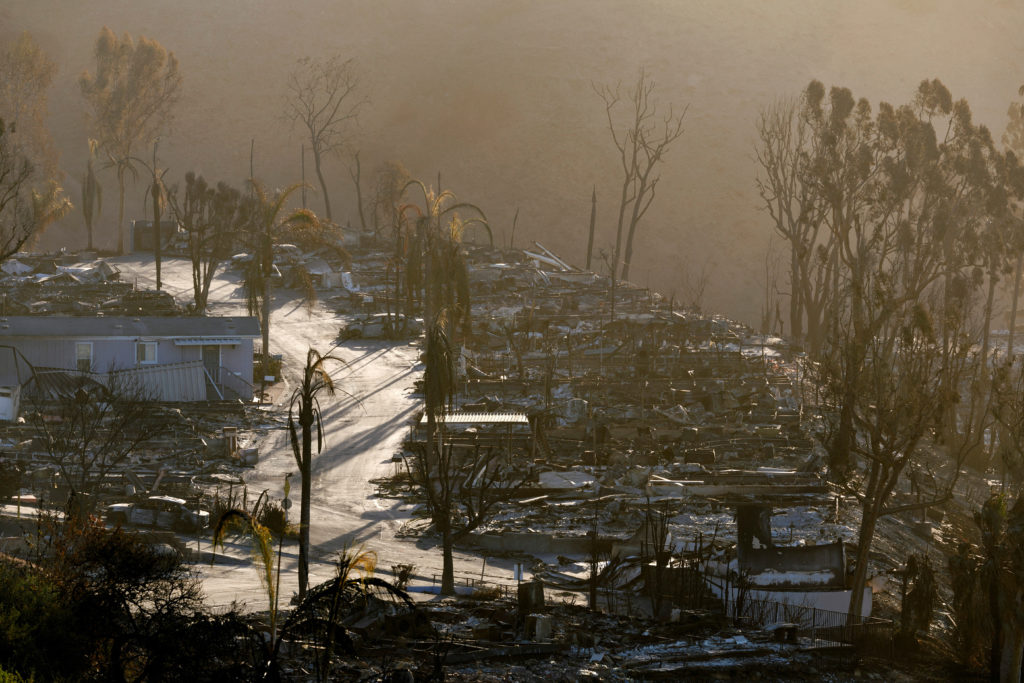
Traveling to California is always an extraordinary experience, but during fire season, it requires an added layer of preparation and flexibility. Rather than deterring a trip altogether, travelers can adapt their plans to minimize risks and maximize enjoyment.
Practical Tips for Safe and Enjoyable Journeys
- Stay Informed: Before and during your trip, regularly check official sources. The Cal Fire incident page, the National Park Service websites for specific parks, and local news outlets are your best bets for up-to-date information on active fires, road closures, and evacuation orders.
- Flexibility is Key: Be prepared to adjust your itinerary. If your planned route or destination is affected by fire or smoke, have alternative plans ready. This might mean rerouting a road trip, choosing a different National Park or State Park, or opting for coastal cities over mountainous regions.
- Consider Travel Insurance: Investing in comprehensive travel insurance that covers fire-related disruptions, such as flight cancellations, accommodation changes, or mandatory evacuations, can provide peace of mind and financial protection. Review policies carefully to understand what is covered.
- Accommodation Choices: When booking hotels, resorts, or vacation rentals, inquire about their wildfire preparedness plans and cancellation policies. Many accommodations, especially in fire-prone areas like Napa Valley or Santa Barbara, have robust safety protocols. Look for properties with good air filtration systems, particularly if you have respiratory sensitivities.
- Pack Smart: In addition to your usual travel essentials, consider packing N95 masks and eye drops during fire season. These can offer some protection and relief if you encounter smoky conditions.
- Fire Safety Practices: Always be mindful of fire safety, especially if camping or visiting natural areas. Adhere to all fire bans, properly extinguish campfires, avoid tossing cigarette butts, and never use open flames in prohibited areas.
Exploring Beyond the Smoke: Alternative Destinations
Even when some parts of California are battling wildfires, vast areas remain unaffected and open for tourism. Coastal cities and regions often provide a respite from inland smoke.
- San Francisco: Famous for the Golden Gate Bridge, Alcatraz, and its vibrant neighborhoods, San Francisco typically experiences cleaner air due to its proximity to the Pacific Ocean and prevailing winds. Explore iconic landmarks, diverse culinary scenes, and cultural attractions.
- Los Angeles: While inland areas around Los Angeles can be fire-prone, the city itself, with its sprawling entertainment industry (think Hollywood), world-class museums, and theme parks like Disneyland, offers plenty of indoor and coastal activities. The beaches of Santa Monica and Malibu provide fresh ocean breezes.
- San Diego: Known for its year-round pleasant climate, beautiful beaches, and family-friendly attractions like the San Diego Zoo and Balboa Park, San Diego often remains relatively clear of severe smoke impacts.
- Catalina Island: A short ferry ride from the Southern California coast, Catalina Island offers a unique island escape with pristine waters, hiking, and charming towns, far removed from inland fire activity.
- Mendocino Coast: Up north, the rugged Mendocino Coast offers dramatic scenery, charming towns like Mendocino and Fort Bragg, and excellent opportunities for whale watching and exploring botanical gardens, often with clear, ocean-fed air.
- Palm Springs: Located in the Colorado Desert, Palm Springs and the surrounding Coachella Valley offer a different desert landscape. While hot, it’s generally less prone to the widespread forest fires that affect other parts of the state.
Supporting California’s Resilience and Sustainable Tourism
California is a state of remarkable resilience. Communities affected by wildfires often embark on long and arduous recovery journeys. As travelers, our choices can play a significant role in supporting these areas and promoting sustainable tourism practices.
Community Resilience and Responsible Tourism
When it is safe to do so, visiting fire-affected regions can be a powerful way to contribute to their recovery. Tourism dollars help local businesses, hotels, restaurants, and attractions get back on their feet. However, it’s crucial to visit respectfully, adhering to all local guidelines and understanding that some areas may still be in the process of rebuilding. Check with local tourism boards or chambers of commerce for guidance on how to best support these communities.
Choosing to visit California during the off-peak fire season (typically winter and early spring) can also help distribute tourism more evenly throughout the year, reducing strain on resources during the busiest times and potentially offering a less smoke-impacted experience. Moreover, travelers can educate themselves on fire prevention and support organizations dedicated to wildfire research, prevention, and ecosystem restoration.

The Future of Travel in California
The reality of wildfires has spurred significant efforts in California towards prevention, mitigation, and adaptation. These efforts include improved forest management, early detection systems, and community-level preparedness plans. As a result, the state is continually evolving its strategies to protect both its residents and its invaluable natural and cultural heritage.
For travelers, this means that while the question “Are California wildfires still burning?” will likely remain relevant for the foreseeable future, the information and resources available to navigate these challenges are also improving. With careful planning, informed decision-making, and a spirit of flexibility, exploring the diverse wonders of California remains a richly rewarding experience. Whether you’re drawn to the vibrant arts scene of San Francisco, the natural beauty of Big Sur, the wine country of Sonoma Valley, or the desert landscapes of Death Valley National Park, California welcomes you, encouraging a mindful approach to travel that respects both its grandeur and its challenges.
LifeOutOfTheBox is a participant in the Amazon Services LLC Associates Program, an affiliate advertising program designed to provide a means for sites to earn advertising fees by advertising and linking to Amazon.com. Amazon, the Amazon logo, AmazonSupply, and the AmazonSupply logo are trademarks of Amazon.com, Inc. or its affiliates. As an Amazon Associate we earn affiliate commissions from qualifying purchases.