
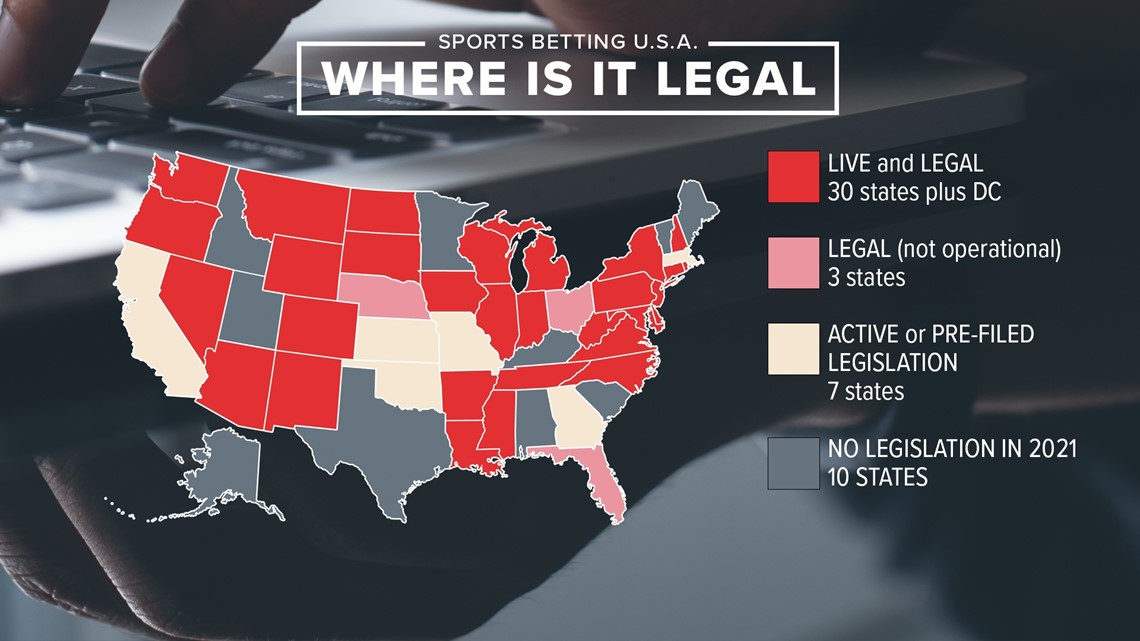
The question of whether casinos are legal in Texas is a complex one, steeped in a history of conservative legislation, moral debates, and fierce political battles. For many residents and visitors alike, the allure of gaming and the promise of integrated resort experiences often leads them to wonder about the state’s stance. The straightforward answer, in most conventional senses, is no. Unlike its more permissive neighbors, Texas has maintained some of the strictest gambling laws in the U.S., severely limiting the types of gaming allowed within its borders. However, this strictness comes with a few nuanced exceptions, and the landscape is constantly shifting as legislative efforts persist to bring the economic benefits of legalized casino gambling to the Lone Star State.
For a state renowned for its vastness, diverse culture, and booming economy, the absence of a comprehensive casino industry represents a significant departure from modern tourism and entertainment trends seen across the nation. This article delves into the specifics of Texas’s current gambling laws, explores the limited avenues available for those seeking gaming experiences, dissects the ongoing political debate, and casts an eye toward what a future with legalized casinos could mean for travel, tourism, and lifestyle within the state.
The Current State of Gambling Laws in Texas
Understanding the legal framework around gambling in Texas requires a close look at both the general prohibitions and the specific, narrowly defined exceptions that exist. The state’s Penal Code broadly outlaws most forms of gambling, defining “gambling” in a way that captures a wide array of activities where something of value is risked on the outcome of a game or contest. This conservative stance reflects deeply held social and moral objections to gambling that have historically shaped public policy.
Strict Regulations and Limited Exceptions
While the general prohibition on gambling is strong, Texas does permit a few specific forms of gaming. These exceptions are critical for anyone looking to understand where and how they might legally engage in gambling activities within the state.
The most prominent exception to Texas’s anti-gambling laws is the operation of tribal casinos on sovereign land. Federal law permits Native American tribes to operate casinos on their reservations, provided they have a compact with the state. In Texas, the Kickapoo Traditional Tribe of Texas operates the Kickapoo Lucky Eagle Casino in Eagle Pass, near the Mexican border. This facility stands as the only land-based casino in the state, offering a full suite of casino games, including slot machines, poker, blackjack, and bingo. For those in search of a true casino experience without leaving Texas, the Kickapoo Lucky Eagle Casino provides a comprehensive entertainment complex. It’s not just about gaming; the casino often features live entertainment, multiple dining options, and a connected hotel, positioning itself as a destination for travelers seeking a resort experience. This solitary venue highlights the stark contrast between Texas and its neighboring states, where multiple tribal and commercial casinos dot the landscape.
Another unique exception to Texas’s gambling laws involves cruise ships. Departing from ports like Galveston near Houston, cruise lines such as Carnival Cruise Line operate casinos onboard their vessels. The legality here hinges on jurisdiction: gambling activities are only permitted once the ship enters international waters, beyond the three-mile territorial limit of Texas and the U.S.. This means passengers can enjoy slot machines, table games, and poker rooms, but only for the duration of the voyage outside state waters. For many Texans, a cruise offers a convenient way to combine a vacation with a legal gambling experience, transforming the ship itself into a floating resort with diverse entertainment and dining options. This solution caters to a lifestyle of leisure and travel, making it a popular choice for short getaways.
Beyond these two main casino-style exceptions, Texas also allows parimutuel betting on horse racing and dog racing at licensed tracks. The Texas Lottery, which offers scratch-off tickets and draw games, is another significant, state-sanctioned form of gambling. Furthermore, charitable bingo games, often run by non-profit organizations, are permitted under strict regulations, providing a social outlet and fundraising mechanism for many communities. While these options offer some forms of betting and chance, they are a far cry from the comprehensive integrated resort casinos found elsewhere.
The Political Landscape and Ongoing Debates
The restrictive nature of Texas’s gambling laws is not without challenge. For decades, there have been persistent legislative efforts to expand legal gambling within the state, primarily driven by the prospect of significant economic benefits. Proponents of expanded gambling often cite the massive potential for tax revenue, job creation, and increased tourism that a regulated casino industry could bring.
One of the most prominent voices in this debate has been Miriam Adelson, the widow of casino magnate Sheldon Adelson and a major Republican donor. Her company, Las Vegas Sands, has heavily lobbied Texas lawmakers, investing millions of dollars in an effort to legalize destination casinos. Las Vegas Sands envisions integrated resorts similar to its iconic properties in Las Vegas, Macau, and Singapore—facilities that combine luxury hotels, convention centers, high-end retail, fine dining, and entertainment venues with a casino floor. Such projects are marketed not just as gambling establishments but as comprehensive tourism destinations designed to attract a wide range of visitors, including families and business travelers.
The arguments for legalization often center on economic leakage. Texans are already spending billions of dollars annually at casinos in neighboring states like Oklahoma and Louisiana, money that could otherwise be circulating within the Texas economy. Legalizing casinos, advocates argue, would keep this revenue in-state, fund public services, and create thousands of construction and hospitality jobs.
However, opposition to expanded gambling remains strong, rooted in various concerns. Many conservative groups and religious organizations raise moral objections, arguing that gambling leads to social ills such as addiction, crime, and financial distress for vulnerable populations. There are also concerns about the potential negative impact on local communities and the integrity of Texas’s existing family-friendly tourism identity. The political will to overcome these objections, especially in a state known for its traditional values, has historically proven challenging. Despite repeated attempts in legislative sessions, bills to expand gambling have consistently failed to garner enough support to pass both chambers of the Texas Legislature. The debate continues, with each session bringing renewed hope and renewed resistance.
Texas’s Gambling Landscape: A Cross-Border Perspective
The absence of widespread casino gambling within Texas creates a unique cross-border tourism dynamic. Millions of Texans routinely travel to adjacent states to partake in the casino experiences unavailable at home. This phenomenon highlights not only the demand for such entertainment but also the significant economic opportunities that Texas is currently forfeiting.
The Allure of Neighboring States
For many Texans, a road trip to a neighboring state is the most common way to access a full-fledged casino. Oklahoma and Louisiana, in particular, have become popular destinations for gaming enthusiasts, offering a diverse array of casinos and integrated resorts that cater to various preferences and budgets.

Oklahoma, directly to the north, is home to one of the largest casinos in the world: Winstar World Casino and Resort in Thackerville. Located just across the Red River from Texas, Winstar World Casino and Resort is a colossal entertainment complex, boasting an expansive gaming floor, multiple hotel towers, a golf course, spa, and a packed schedule of concerts and events. Its proximity to major Texas cities like Dallas makes it a prime weekend getaway destination. Further north in Oklahoma, properties like Choctaw Casino & Resort in Durant also attract a substantial number of Texas visitors, offering similar amenities of gaming, dining, and live entertainment. These resorts are designed to provide a comprehensive lifestyle experience, blending the thrill of gambling with luxurious accommodation, high-quality dining, and diverse entertainment, appealing to various segments of the travel market from luxury seekers to those on a budget looking for a fun escape.
To the east, Louisiana offers another robust casino market, particularly in cities like Lake Charles, Shreveport, and Bossier City. Lake Charles, being a relatively short drive from Houston and other parts of Southeast Texas, is a magnet for Texas tourism. Here, resorts like the Golden Nugget Lake Charles and L’Auberge Casino Resort Lake Charles offer upscale hotel accommodations, championship golf courses, sprawling pool complexes, multiple restaurants, and, of course, extensive casino floors. These properties cater to a discerning travel audience, providing an all-encompassing resort experience perfect for weekend retreats or longer stays. In the Shreveport and Bossier City area, properties such as the Margaritaville Resort Casino Bossier City also draw significant numbers of Texas residents, contributing to Louisiana’s robust tourism economy.
Even further afield, but still within a reasonable driving distance for many, New Mexico offers several tribal casinos, like the Isleta Resort & Casino near Albuquerque, appealing to Texans from the western part of the state. The constant flow of Texas license plates into these gaming destinations clearly demonstrates a strong, unmet demand for casino entertainment and the integrated resort lifestyle within Texas. This “leakage” of tourism dollars is a primary argument for those advocating for the expansion of gambling within the state.
Potential Economic and Tourism Impact of Legalization
If Texas were to legalize and regulate casino gambling, the economic and tourism impacts could be transformative. The sheer size and economic power of Texas suggest that it could quickly become one of the largest and most lucrative gambling markets in the U.S..
The most immediate and obvious benefit would be the generation of substantial tax revenues. These funds could be directed towards various public services, including education, infrastructure, and healthcare, alleviating pressure on the state budget without raising existing taxes. Beyond direct tax contributions, the creation of integrated resorts would spur massive job growth. This includes not only casino-floor positions but also a wide array of roles in hospitality, food and beverage, entertainment, retail, security, and maintenance. The construction phase alone would create thousands of temporary jobs, boosting local economies.
From a tourism perspective, legalized casinos, especially the integrated resort model, could elevate Texas as a premier travel destination. Imagine properties on par with the Marina Bay Sands in Singapore or CityCenter Las Vegas in prominent Texas cities. These aren’t just gambling halls; they are complete lifestyle destinations offering world-class hotels, celebrity chef restaurants, high-end shopping malls, theaters for Broadway shows and concerts, convention facilities, and family-friendly attractions. Such resorts would attract not only domestic tourists from across the U.S. but also international visitors, further diversifying Texas’s tourism base beyond its existing attractions.
For cities like Dallas, Houston, San Antonio, or Austin, the introduction of integrated resorts could significantly boost their profiles as convention and exhibition hubs. The combination of state-of-the-art convention facilities within a resort setting makes these destinations incredibly attractive for large-scale corporate events and conferences, driving business travel and expanding the MICE (Meetings, Incentives, Conferences, Exhibitions) market. This would further enhance the state’s lifestyle offerings, combining business with luxury and entertainment.
Integrated Resorts and the Future of Texas Travel
The vision of legalized casino gambling in Texas is often intertwined with the concept of integrated resorts. These aren’t just places to gamble; they are comprehensive leisure and business destinations designed to offer a multifaceted experience for a diverse clientele.
Envisioning a New Era of Luxury and Entertainment
Integrated resorts, as championed by proponents like Las Vegas Sands, represent a paradigm shift from traditional standalone casinos. These mega-developments would feature luxury hotels with thousands of rooms, catering to various accommodation needs, from opulent suites to comfortable standard rooms. Beyond the gaming floor, visitors would find an array of amenities: world-class dining options ranging from casual eateries to Michelin-star restaurants; extensive retail spaces featuring designer boutiques and high-end brands; state-of-the-art entertainment venues hosting major concerts, theatrical productions, and sporting events; lavish spas and wellness centers; and expansive convention and meeting facilities.
For the travel sector, this would mean new destinations within Texas that offer a complete vacation package. Families could enjoy entertainment options, dining, and unique attractions, while adults could indulge in gaming and nightlife. Business travelers would have access to cutting-edge conference facilities combined with premium lodging and leisure activities. This aligns perfectly with the website’s focus on Travel, Hotels, Tourism, Accommodation, Landmarks, and Lifestyle, as these resorts would essentially become self-contained travel ecosystems, attracting millions of visitors seeking luxury travel, diverse experiences, and comprehensive stays.
Potential locations for such grand resorts would likely be in Texas’s largest metropolitan areas: Dallas, Houston, San Antonio, or Austin. These cities already boast robust tourism industries and serve as major transportation hubs, making them ideal candidates for integrated resort development. Such additions would significantly enhance Texas’s appeal as a global travel destination, complementing its existing natural beauty, historical landmarks, and cultural attractions with a new dimension of entertainment and luxury. The impact on hotel inventory, booking trends, and even property values around these sites would be substantial, reshaping urban landscapes and travel patterns across the state.
Balancing Economic Growth with Social Considerations
While the economic prospects of integrated resorts are compelling, any future legalization would undoubtedly necessitate a careful balance with social considerations. Addressing concerns about problem gambling, potential increases in crime, and other negative societal impacts is crucial for responsible development.
Advocates for responsible gaming emphasize the importance of implementing robust regulatory frameworks. This would include funding for problem gambling treatment and prevention programs, self-exclusion policies, and clear advertising guidelines. Learning from the experiences of other states that have legalized gambling, such as Nevada, Louisiana, or Mississippi and Atlantic City in New Jersey, Texas could adopt best practices to mitigate potential harms.
Furthermore, careful urban planning and community engagement would be essential to ensure that integrated resorts benefit local communities without overwhelming them. This might involve setting aside a portion of tax revenues for local infrastructure projects, community services, or educational initiatives. The aim would be to create a sustainable tourism model that not only drives economic growth but also enhances the overall quality of life for residents. The focus would be on developing attractions that complement Texas’s existing cultural fabric and diverse landscapes, creating a holistic lifestyle offering that is both economically vibrant and socially responsible.
In conclusion, while the question “Are casinos legal in Texas?” currently yields a generally negative answer with very specific exceptions, the debate is far from settled. The allure of substantial tax revenue, job creation, and enhanced tourism continues to fuel legislative efforts. Should Texas eventually embrace expanded casino gambling, it would undoubtedly herald a new era for travel, hospitality, and entertainment in the Lone Star State, transforming it into a formidable player in the national and international integrated resort market, all while navigating the complex social considerations that come with such a significant policy shift. The journey towards a potentially casino-rich Texas is an ongoing saga, with each legislative session bringing the possibility of change closer to reality.
LifeOutOfTheBox is a participant in the Amazon Services LLC Associates Program, an affiliate advertising program designed to provide a means for sites to earn advertising fees by advertising and linking to Amazon.com. Amazon, the Amazon logo, AmazonSupply, and the AmazonSupply logo are trademarks of Amazon.com, Inc. or its affiliates. As an Amazon Associate we earn affiliate commissions from qualifying purchases.