
The Shifting Sands of Florida’s Wilderness
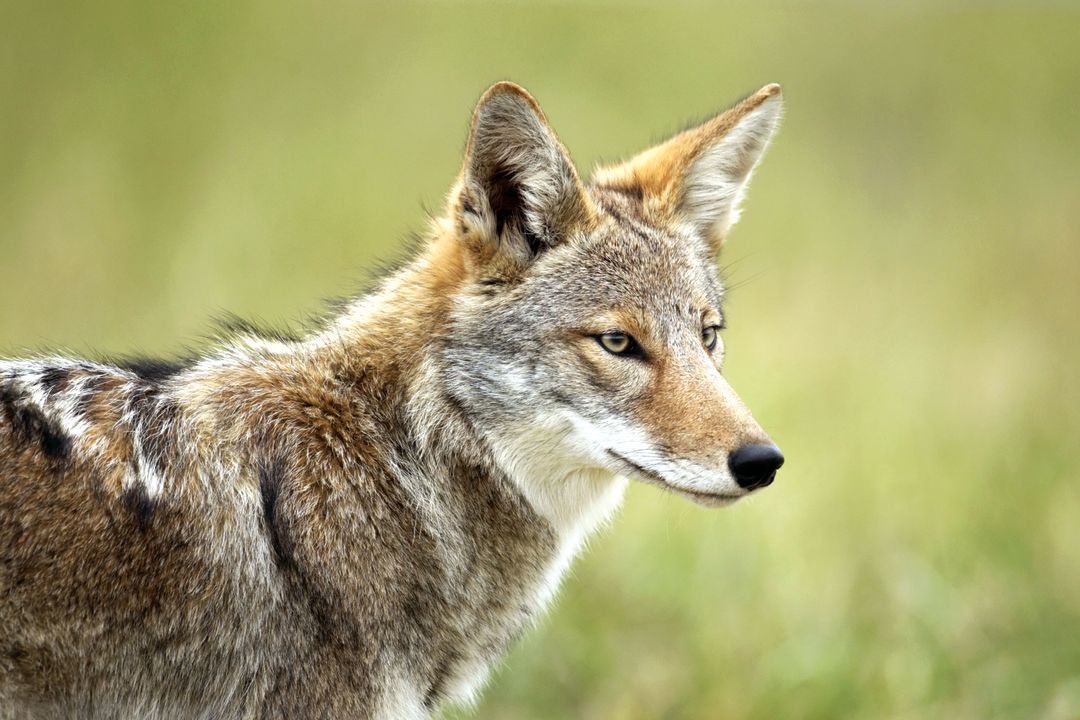
The question of whether a species is “native” to a region often conjures images of untouched wilderness and ancient ecological balances. For Florida, a state renowned for its unique and vibrant natural landmarks, understanding the provenance of its fauna is crucial to appreciating its ecological tapestry. The coyote (Canis latrans), a symbol of wild adaptability, has undeniably established itself across the Sunshine State. However, their status as “native” is a complex narrative woven through historical wildlife migration, habitat alteration, and the very definition of what constitutes a natural inhabitant.
A Legacy of Ancient Migrations
Geologically and ecologically, North America has witnessed numerous faunal shifts over millennia. During the Pleistocene epoch, vast portions of the continent, including what would become Florida, were home to a different array of megafauna and predators. While ancestral canids were present, the specific species we know today as the coyote was historically concentrated in the open plains and arid regions of the western and central United States. Their range expanded significantly in the wake of European settlement, a process often tied to human activities that inadvertently created new opportunities for this remarkably resilient predator.
The Vanishing Wolves and Emerging Canids
Historically, Florida’s top canine predator was the Florida wolf (Canis rufus floridanus), a subspecies of the red wolf. However, intense hunting and habitat destruction in the 19th and early 20th centuries led to the extirpation of the red wolf from Florida and most of its southeastern range. This created a significant ecological vacuum. As settlers moved across the continent, they fragmented forests, converted grasslands to agriculture, and eradicated larger, less adaptable predators. These changes inadvertently rolled out a red carpet for the highly adaptable coyote. Without the competitive pressure of larger wolves and with an abundance of new, fragmented habitats and human-associated food sources, the coyote began its eastward expansion. Therefore, from a strict paleoecological perspective, coyotes are generally not considered historically native to Florida in the same way the red wolf was. Instead, they are a relatively recent arrival, making their way into the state primarily in the latter half of the 20th century.
The Coyote’s Unofficial Arrival
The true influx of coyotes into Florida occurred largely between the 1960s and 1980s. This was not a guided migration, but rather a natural range expansion driven by their opportunistic nature and the absence of significant barriers. They followed human-altered landscapes, moving through states like Georgia and Alabama, eventually reaching the northern borders of Florida.
From Western Plains to Southern Swamps
The adaptability of the coyote is legendary. Originally associated with grasslands and deserts, they have successfully colonized virtually every habitat type in North America, from dense forests to mountainous terrain, and crucially, urban environments. Their journey into Florida saw them traverse diverse ecosystems, from the pine forests of the panhandle to the sprawling wetlands and suburban developments further south. This expansion highlights their remarkable ability to thrive in landscapes dramatically altered by human activity, demonstrating a flexibility rarely seen in larger, more specialized predators.
Adapting to the Sunshine State
Once in Florida, coyotes wasted no time establishing themselves. They quickly adapted to the subtropical climate, the unique flora, and the available prey base. Unlike their western counterparts who might primarily hunt rabbits and rodents in open plains, Florida populations diversified their diet to include small mammals (like marsh rabbits, raccoons, and opossums), birds, reptiles, insects, and even fruits and berries readily available in the state’s diverse ecosystems. Their intelligence and stealth allowed them to navigate both expansive natural areas like the Ocala National Forest and the fragmented patches of green space found in cities. Today, coyotes are found in all 67 counties of Florida, from the northern border down to the furthest reaches of the Everglades National Park and the Big Cypress National Preserve. This widespread presence means they are now an established component of Florida’s contemporary natural landscape, even if not historically native.
Ecological Impact on Florida’s Natural Heritage
The arrival and proliferation of the coyote have had tangible effects on Florida’s ecosystems, particularly for its existing natural landmarks and the unique species they shelter. Their presence adds a new layer of complexity to conservation efforts and the intricate food web.
Predation and Prey Dynamics
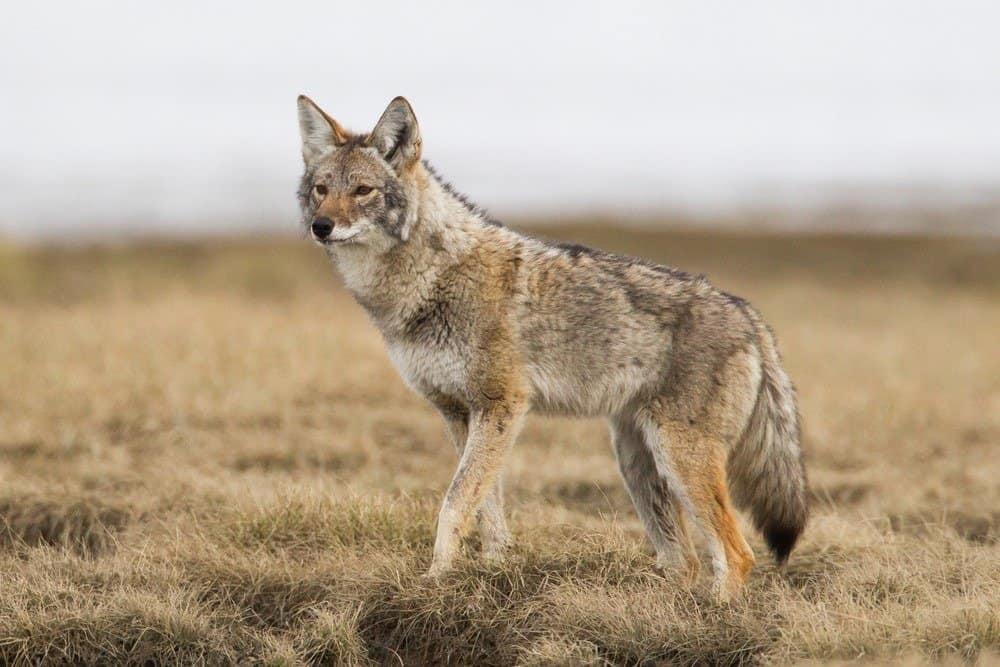
As an efficient, opportunistic predator, the coyote influences the populations of various prey species. In some areas, they have been observed preying on white-tailed deer fawns, wild turkeys, and wading birds. There’s particular concern about their impact on threatened or endangered species, especially those that nest on the ground or have limited anti-predator defenses against this relatively new threat. For instance, populations of federally protected Florida scrub-jays or sea turtle hatchlings along the Gulf Coast could face increased predation pressure in certain contexts. However, coyotes also consume a significant number of common urban pests like rats, mice, and even feral cats, potentially offering some ecological benefits in human-dominated landscapes.
Coexistence with Iconic Florida Wildlife
Florida is renowned for its iconic wildlife, from the majestic Florida panther to the shy Florida black bear. The coyote now shares territory with these species, adding another dimension to interspecies dynamics. While panthers and bears are larger and generally dominant, coyotes can still compete for resources and occasionally be prey for the larger carnivores. In the absence of the red wolf, coyotes have also been observed filling a mesopredator niche, which can have cascading effects on smaller prey populations. Understanding these interactions is vital for managing Florida’s natural areas, such as the wetlands of the Kissimmee River basin or the pinelands of the Florida Keys, where unique ecosystems are delicately balanced.
Conservation Challenges and Opportunities
For conservationists, the coyote’s establishment presents both challenges and a new subject of study. Their presence necessitates adapted management strategies for sensitive species and habitats. Researchers continuously monitor their diet, movement patterns, and interactions with other wildlife to understand their full ecological role. This research informs decisions about habitat restoration, predator management, and public education, ensuring that Florida’s natural landmarks continue to thrive amidst changing ecological conditions. The coyote, though not native, is now a permanent feature, demanding thoughtful integration into Florida’s conservation discourse.
Encountering the Coyote in Florida’s Diverse Landscapes
While the coyote may not have always roamed the state, its widespread presence means that visitors exploring Florida’s natural beauty are increasingly likely to encounter them, whether in wild preserves or surprisingly close to human settlements.
Urban Edges and Suburban Frontiers
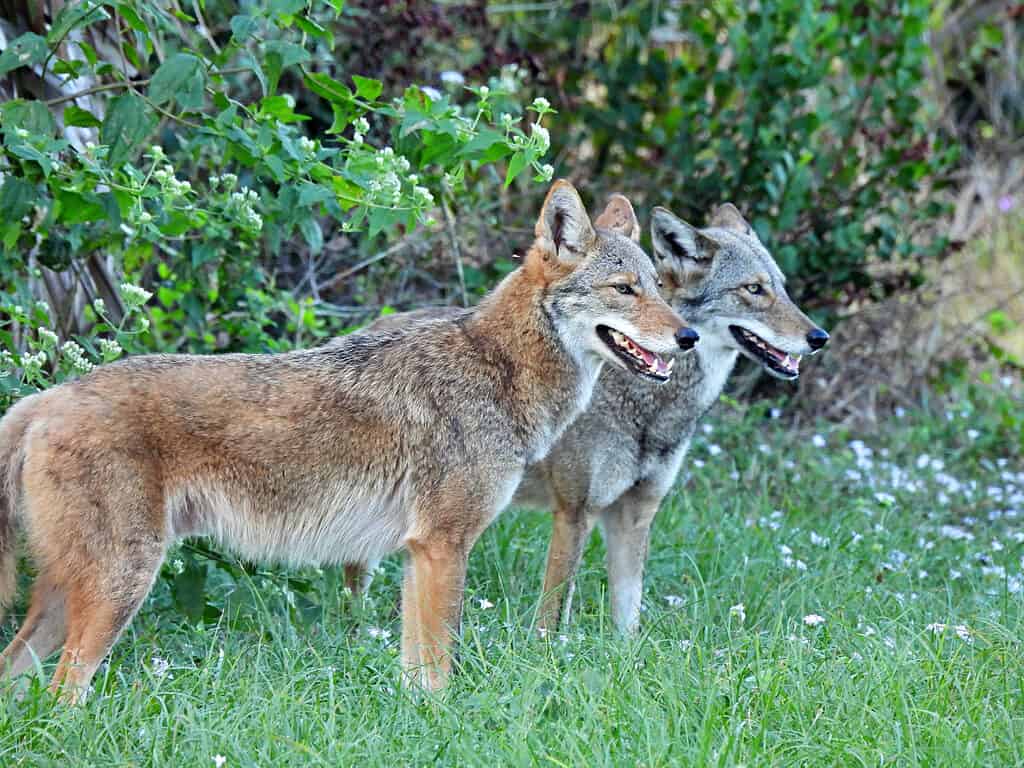
One of the most remarkable aspects of coyote biology is their comfort in proximity to humans. In Florida, they are frequently sighted in suburban neighborhoods, golf courses, and even urban parks. These areas provide abundant food sources (from discarded human food to rodents and small pets) and fragmented cover. While generally shy, their presence in such areas has led to increased public awareness campaigns focused on coexistence, such as securing trash and supervising pets. For tourists, an unexpected coyote sighting in a city park can be a reminder of the wildness that persists even in developed areas, adding an unpredictable element to urban exploration.
Wild Sanctuaries: Parks and Forests
For those venturing into Florida’s’s iconic natural landmarks, such as the vast expanse of Everglades National Park, the ancient cypress swamps of Big Cypress National Preserve, or the dense forests of the Apilachicola National Forest, the coyote is a silent hunter. Here, they blend seamlessly into the natural environment, playing their role in the complex food web. Hikers, campers, and nature photographers have a higher chance of encountering these elusive creatures in these protected areas, often at dawn or dusk. Observing a coyote in its natural habitat offers a profound connection to the wild heart of Florida, a stark reminder of the dynamic forces that shape these treasured landscapes.
Understanding Florida’s Evolving Natural Landmarks
The presence of the coyote in Florida challenges the traditional notion of “native” and invites a deeper appreciation for the fluid and ever-changing nature of ecosystems. Florida’s natural landmarks are not static entities but living systems constantly adapting.
The Balance of Native and Newcomers
While not historically native, coyotes are now firmly established. Their designation is often considered “naturalized” or “established non-native” rather than “invasive,” as their expansion was primarily natural rather than human-introduced. This distinction is important for understanding their role in the ecosystem. They have filled a vacant ecological niche left by the extinction of the red wolf, and in doing so, have become an integral part of the state’s current ecological structure. Their presence highlights the resilience of nature and its capacity to adapt, even in the face of significant human-induced changes. For visitors exploring Florida’s wilderness, understanding this dynamic narrative enriches the experience of witnessing its living landscapes.
Responsible Observation and Appreciation
For those exploring Florida’s’s beautiful parks, preserves, and wild spaces, encountering a coyote can be a highlight. Responsible wildlife viewing practices are paramount: maintain a respectful distance, never feed wild animals, and keep pets leashed. Understanding that these animals are part of the state’s contemporary wildlife, regardless of their historical roots, fosters a more complete and nuanced appreciation of Florida’s’s unique natural landmarks. The answer to “Are coyotes native to Florida?” is ultimately “no,” but their story is undeniably a crucial chapter in the ongoing ecological saga of the Sunshine State, contributing to the evolving character of its wild places.
LifeOutOfTheBox is a participant in the Amazon Services LLC Associates Program, an affiliate advertising program designed to provide a means for sites to earn advertising fees by advertising and linking to Amazon.com. Amazon, the Amazon logo, AmazonSupply, and the AmazonSupply logo are trademarks of Amazon.com, Inc. or its affiliates. As an Amazon Associate we earn affiliate commissions from qualifying purchases.