
For many arachnid enthusiasts and travelers visiting New Hampshire, the dream of keeping a unique, exotic pet is often tempered by the reality of state regulations. As the Granite State is known for its rugged White Mountains and serene Lake Winnipesaukee, one might assume that the local laws regarding wildlife and exotic pets align with its conservation-heavy ethos. When it comes to exotic spiders, navigating the intersection of tourism, local law, and responsible ownership is essential for those looking to integrate these fascinating creatures into their New England lifestyle.
Understanding the Legal Landscape of Exotic Pets in New Hampshire
New Hampshire maintains a relatively structured framework regarding the possession of wildlife and exotic species. The New Hampshire Fish and Game Department serves as the primary regulatory body overseeing what animals can be kept, imported, or possessed within state borders. Unlike some states that maintain “blanket bans” on all exotic species, the laws here are often based on specific classifications of danger, disease risk, and environmental impact.
The Categorization of Invertebrates
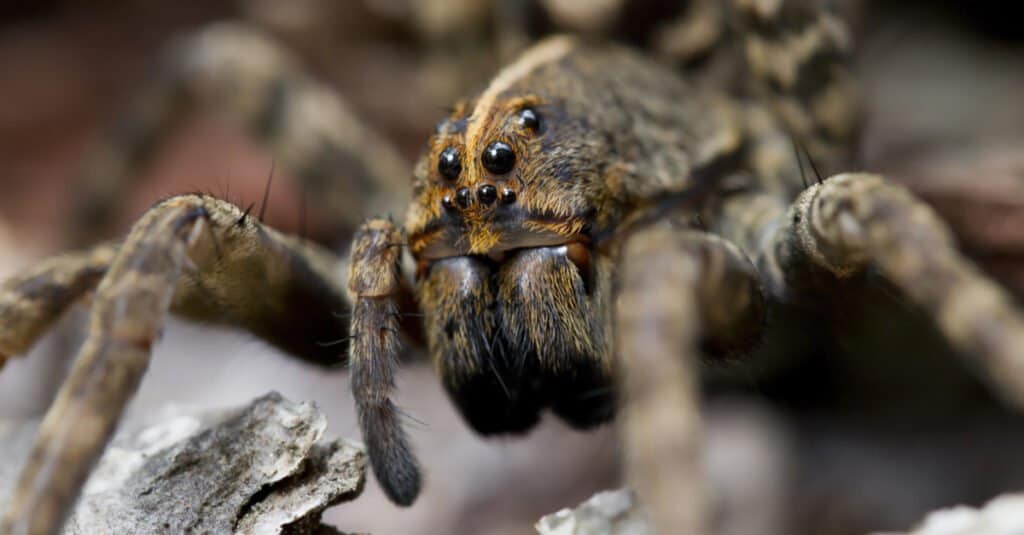
In the eyes of state law, most common arachnids, such as those popular in the pet trade like the Chilean Rose Hair Tarantula or the Mexican Red Knee Tarantula, are generally categorized as domestic or “non-wildlife” in the context of restrictive exotic pet permits. Because these spiders are typically captive-bred and pose minimal risk to the United States ecosystem, the state does not usually require a special permit for the average hobbyist.
However, the legal status can shift significantly if the spider is considered venomous enough to pose a public health threat. While the state is generally lenient toward common hobbyist tarantulas, it is strictly prohibited to keep species that are categorized as endangered or those that are indigenous to the state and protected under conservation laws.
Tourism and the Responsible Keeper
For travelers visiting Concord or Manchester with an interest in natural history, understanding the boundaries of local tourism and pet ownership is key. Many visitors flock to the Currier Museum of Art or enjoy the educational exhibits at the Science Center of New Hampshire, where local fauna is often highlighted. When these visitors decide to pursue arachnid keeping, they must ensure their activities align with local ordinances that prioritize the safety of the public and the health of the environment.
Educational Considerations for Arachnid Enthusiasts
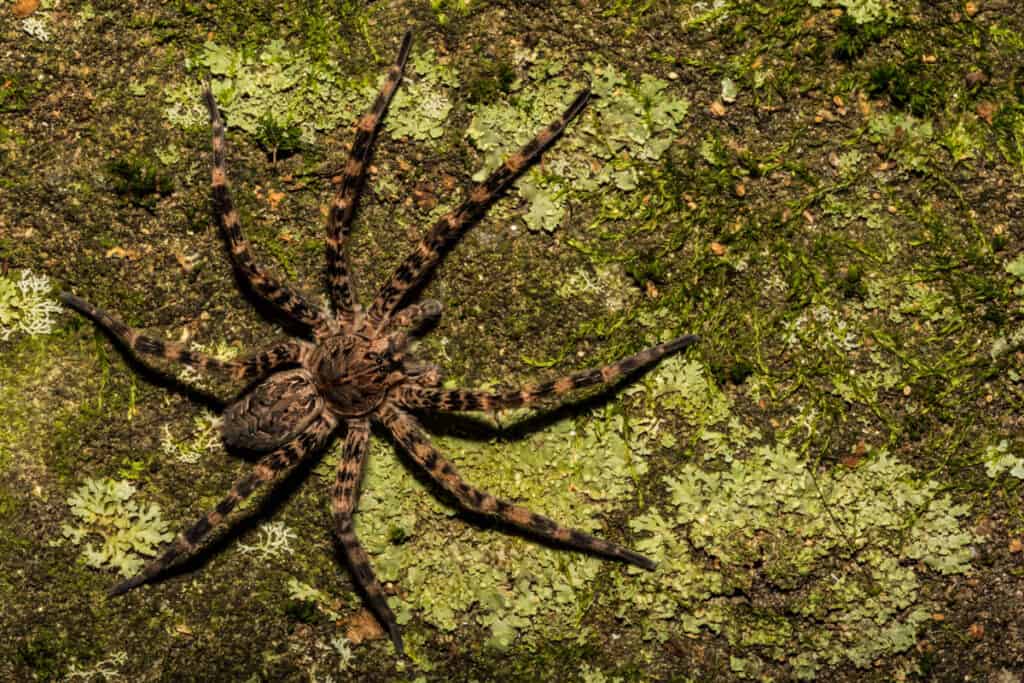
Before bringing an exotic spider into a residential or short-term rental property, one should consider the following:
- Property Rules: Even if the state law permits the possession of a specific species, local property owners, hotels, or rental hosts in towns like Portsmouth or Nashua may have strict “no-pet” or “no-exotic” policies.
- Liability: Owners are held responsible for any incident involving their pets. In New Hampshire, maintaining a secure, escape-proof habitat is not just a best practice—it is a legal necessity to ensure no harm comes to the owner or the public.
- Local Zoning: Some municipalities may have specific noise or safety ordinances that indirectly restrict the types of animals that can be kept in high-density housing or historic districts.
Environmental Impact and Conservation Ethics
The New Hampshire landscape, characterized by the Appalachian Trail and its rich biodiversity, is highly sensitive to the introduction of non-native species. Exotic spiders, if released, can pose a risk to the local New England insect populations, although most tropical tarantulas would not survive the harsh winters of Mount Washington.
Protecting the Native Fauna
It is a common misconception that all “exotics” are invasive. However, the state’s stance is firm: captive animals must remain in captivity. For those passionate about arachnids, there is a clear path to responsible ownership that respects the natural beauty of the North Atlantic region:
- Sourcing: Always purchase from reputable, captive-bred breeders to avoid supporting the illegal wild-caught pet trade.
- Education: Participate in local hobbyist groups in cities like Dover or Keene to learn about the specific care requirements of your spider.
- Containment: Invest in high-quality terrariums that prevent accidental release, especially if you are traveling or residing in shared accommodations.
Navigating Local Regulations: A Summary for Residents and Visitors
If you are currently residing in or planning an extended stay in a city like Hanover, you should always check the most recent updates from the New Hampshire Fish and Game Department. Legislation can evolve, and while common tarantulas are presently legal, the legal status of “exotic” can sometimes be a moving target based on new scientific discoveries or potential risks to the public.

How to Stay Compliant
For the most accurate guidance, the following steps are recommended:
- Contact Local Authorities: If you are unsure about a specific species, a quick inquiry with local animal control can prevent future legal complications.
- Respect Public Spaces: Never bring an exotic spider into public parks, such as Franconia Notch State Park, as this may violate state park regulations regarding non-native or exotic animals.
- Vet Your Provider: When acquiring a spider, ensure the seller provides documentation verifying that the species is not on the state’s restricted list.
By maintaining a focus on responsible ownership, those in New Hampshire can continue to enjoy the fascinating world of exotic arachnids without compromising the ecological integrity or the public safety of the state. Whether you are living in a quiet mountain town or enjoying the vibrant culture of Exeter, the key to a harmonious relationship with your exotic pet is a deep respect for the laws and the natural beauty that defines this region.
In summary, while New Hampshire allows for the ownership of most common exotic spiders, it requires a commitment to safety, legality, and environmental stewardship. For enthusiasts, this means balancing the excitement of keeping these creatures with the gravity of their responsibility as pet owners, ensuring that their hobby remains a source of education and joy rather than a point of conflict with the law or the local community. By doing so, they preserve the privilege of keeping these remarkable creatures in one of the most beautiful corners of the United States.
LifeOutOfTheBox is a participant in the Amazon Services LLC Associates Program, an affiliate advertising program designed to provide a means for sites to earn advertising fees by advertising and linking to Amazon.com. Amazon, the Amazon logo, AmazonSupply, and the AmazonSupply logo are trademarks of Amazon.com, Inc. or its affiliates. As an Amazon Associate we earn affiliate commissions from qualifying purchases.