
Travelers eyeing the Golden State often face a critical question, particularly during certain seasons: are California’s wildfires contained, and how do they impact travel plans? The dynamic nature of wildfires in California means that containment status can change rapidly, significantly influencing accessibility and the overall experience for visitors. Understanding the state’s wildfire landscape is crucial for anyone planning a trip, ensuring both safety and an enjoyable journey through its diverse regions, from the redwood forests to its sun-drenched beaches.
Navigating California’s Wildfire Landscape and Travel Implications
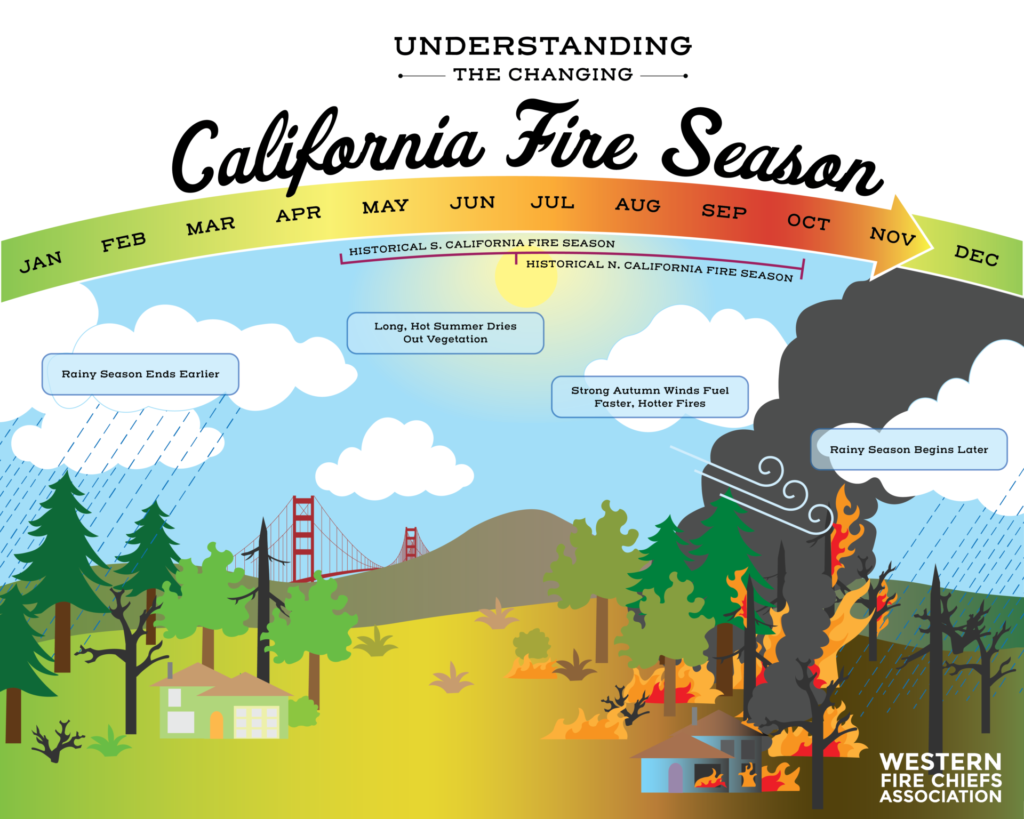
California is known for its stunning natural beauty, but also for its annual wildfire season, typically peaking in late summer and fall. These fires, driven by dry vegetation, strong winds, and high temperatures, can pose challenges for travelers. However, it’s essential to understand that California is a vast state, and a fire in one region does not necessarily impact travel across the entire state. The key is to stay informed about specific areas and their current status.

Travel implications extend beyond direct fire lines. Smoke plumes can affect air quality hundreds of miles away, even from contained fires, which can be a concern for individuals with respiratory issues. Road closures are common in affected areas, redirecting traffic and potentially adding significant time to journeys. Furthermore, some popular natural attractions, such as national parks and forests, may close certain sections or even entirely for public safety and to allow emergency services to operate effectively. Planning ahead and monitoring official sources are paramount to a smooth travel experience.
Understanding Containment and Its Impact on Destinations
When emergency services, such as Cal Fire, report a fire as “contained,” it means that a control line has been completed around the fire, and firefighters expect the fire to hold within those boundaries. Full containment, however, does not always mean the fire is extinguished; rather, it signifies that its spread has been halted. Even after full containment, active suppression efforts may continue, and areas within the fire perimeter might still be smoldering or burning.
Major Tourist Destinations and Wildfire Risk
- National Parks: Iconic destinations like Yosemite National Park, Sequoia National Park, Redwood National Park, Joshua Tree National Park, and Death Valley National Park are jewels of California and are often situated in wildland-urban interface zones or remote forested areas. These parks have specific protocols for fire safety, including temporary closures or restrictions on backcountry access during high-risk periods. It’s common for the National Park Service to issue alerts and updates on their official websites, which travelers should consult before visiting.
- Wine Country (Napa and Sonoma): The renowned wine regions of Napa Valley and Sonoma County have faced significant wildfire challenges in recent years. While fires can be devastating to local communities and vineyards, these regions are resilient. Wineries often reopen quickly after containment, but visitors should verify the operational status of specific establishments and be aware of any lingering smoke or air quality advisories. The beauty of the landscape and the vibrancy of the wine industry remain, though some areas may show signs of past fires.
- Coastal Regions (Big Sur, Pacific Coast Highway): The stunning drive along the Pacific Coast Highway, particularly through Big Sur, can occasionally be impacted by fires, leading to road closures due to fire activity or subsequent mudslides. Travelers should check road conditions via Caltrans before embarking on this scenic route. Generally, major coastal cities like Los Angeles, San Francisco, and San Diego are less directly affected by wildfires, though they can experience smoke impacts.
- Mountain and Lake Destinations (Lake Tahoe, Mammoth Lakes): Areas around Lake Tahoe and Mammoth Lakes are popular year-round, but their proximity to national forests like Eldorado National Forest or Inyo National Forest means they can be susceptible to wildfire activity. During such times, trails might close, and air quality can deteriorate, affecting outdoor activities.
Essential Advice for California Travelers During Fire Season

Traveling through California during fire season requires diligence and adaptability. Here are key strategies for a safe and enjoyable trip:
Stay Informed Through Official Channels
Reliable information is your best defense. Before and during your trip, regularly check:
- Cal Fire Incident Information: For real-time updates on active fires, containment levels, and evacuation orders.
- National Park Service and U.S. Forest Service Websites: For specific alerts and closures within national parks and forests.
- Caltrans (California Department of Transportation): For current road closures and conditions.
- Local Emergency Management Websites: For city and county-specific advisories, especially if you are visiting smaller towns.
- Air Quality Monitoring Websites: To assess current air quality, crucial for outdoor activities and health.
Flexibility in Your Travel Plans
Wildfire situations can change rapidly, leading to unexpected closures or detours. Building flexibility into your itinerary is crucial. Consider booking accommodations and activities with generous cancellation policies. Have alternative routes and destinations in mind, especially if your primary plan involves a high-risk area. A wildfire in Northern California might necessitate a shift in focus to Southern California‘s attractions, or vice versa.
Prioritize Health and Safety
- Monitor Air Quality: If smoke is visible or air quality alerts are issued, limit outdoor activities, especially if you have respiratory sensitivities. Consider wearing an N95 mask if air quality is poor.
- Heed Warnings: Always obey evacuation orders, road closures, and park restrictions. These measures are put in place for your safety and the safety of emergency responders.
- Be Prepared: Carry an emergency kit in your vehicle, including water, snacks, a first-aid kit, and an up-to-date map (as GPS might be unreliable in remote areas or during outages). Ensure your phone is fully charged, and consider a portable power bank.
- Fire Safety Practices: Be mindful of fire risks yourself. Adhere to all fire restrictions, such as those concerning campfires or outdoor burning. Dispose of cigarettes properly and avoid driving or parking on dry grass.
Post-Fire Recovery and Sustainable Tourism in California
Even after fires are fully contained and extinguished, the landscape may require time to recover. However, many areas resiliently bounce back, and visiting these regions responsibly can aid in their economic recovery. Supporting local businesses, participating in guided tours that highlight natural regeneration, and choosing eco-friendly accommodations contribute to sustainable tourism.
Travelers should understand that some natural areas, especially forests, will look different in the immediate aftermath of a fire. Yet, new growth often emerges quickly, showcasing nature’s incredible resilience. Engaging with local communities can offer deeper insights into the recovery process and the ecological importance of wildfires in shaping California’s diverse ecosystems.
In conclusion, while wildfires are a reality in California, they do not negate the possibility of an incredible travel experience. By staying informed, being flexible, and prioritizing safety, travelers can confidently explore the vast majority of the state’s iconic destinations, contributing to the vibrant tourism economy and discovering the enduring beauty of California. The answer to “Are fires contained in California?” is dynamic, but with the right approach, travelers can navigate these challenges successfully.
LifeOutOfTheBox is a participant in the Amazon Services LLC Associates Program, an affiliate advertising program designed to provide a means for sites to earn advertising fees by advertising and linking to Amazon.com. Amazon, the Amazon logo, AmazonSupply, and the AmazonSupply logo are trademarks of Amazon.com, Inc. or its affiliates. As an Amazon Associate we earn affiliate commissions from qualifying purchases.