
California, the Golden State, renowned for its sun-drenched beaches, majestic national parks, and vibrant cultural hubs, attracts millions of visitors annually seeking diverse experiences. From the bustling streets of Los Angeles to the serene beauty of Lake Tahoe and the iconic landmarks of San Francisco, this sprawling state offers an unparalleled array of travel opportunities. However, for those planning a visit, especially around celebratory holidays like the Fourth of July or New Year’s Eve, a crucial question often arises: “Are fireworks legal in California?” The answer, like much of California’s intricate landscape, is nuanced, primarily leaning towards a resounding “no” for consumer-grade fireworks, with specific exceptions and strict regulations. Understanding these laws is paramount for a safe, enjoyable, and legally compliant visit, ensuring your trip remains focused on the wonders of California rather than unforeseen legal troubles or environmental hazards.
The website, Life Out of the Box, is dedicated to providing comprehensive insights into global travel, accommodation, and lifestyle, helping travelers navigate new destinations with ease and confidence. Our guides cover everything from finding the perfect resort to understanding local customs and regulations, ensuring your journey is seamless. When it comes to something as potentially impactful as fireworks, particularly in a state as prone to wildfires as California, detailed information is not just helpful but essential for responsible tourism.
The Golden State’s Stance on Pyrotechnics
California’s approach to fireworks is shaped by a combination of public safety concerns, environmental preservation efforts, and the unique challenges posed by its diverse climate and geography. The state has long grappled with the devastating consequences of wildfires, many of which are exacerbated, if not directly caused, by the misuse of fireworks. This ongoing battle has led to some of the strictest fireworks laws in the nation, aiming to protect both its natural resources and its vast population.
Understanding California’s Fireworks Laws
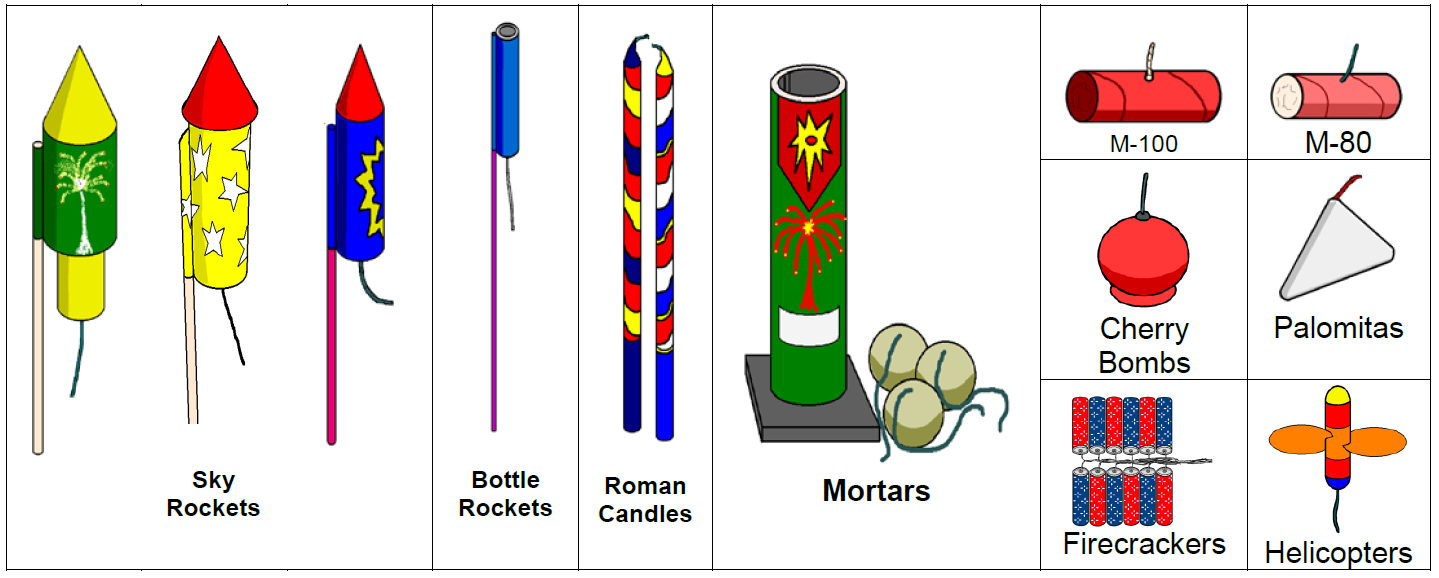
At a fundamental level, the vast majority of consumer fireworks are illegal throughout California. This includes common items often seen in other states, such as bottle rockets, Roman candles, firecrackers, aerial shells, and anything that leaves the ground or explodes. The state’s Department of Forestry and Fire Protection (CalFire) is unequivocal in its messaging: “If it flies, if it explodes, if it moves on the ground in an uncontrolled manner, it’s illegal.” This blanket prohibition is enforced statewide, meaning that even if you purchase fireworks legally in a neighboring state, bringing them into California and possessing or igniting them is against the law.
The primary driver behind these stringent regulations is wildfire prevention. California experiences prolonged dry seasons, often coupled with strong winds (like the Santa Ana winds in Southern California), which create extremely high fire danger conditions. A single spark from an illegal firework can quickly ignite dry vegetation, leading to catastrophic wildfires that destroy homes, natural habitats, and even claim lives. Beyond wildfires, illegal fireworks also pose significant risks of severe burn injuries, property damage, and can trigger anxiety in pets and individuals with PTSD.
“Safe and Sane” Fireworks: A Nuance
While most consumer fireworks are banned, California does have a specific, tightly regulated category known as “Safe and Sane” fireworks. These are the only types of fireworks that may be permitted in certain jurisdictions across the state. “Safe and Sane” fireworks are typically ground-based devices that do not fly into the air, explode, or move uncontrollably. Examples include sparklers, snaps, poppers, smoke balls, fountains, and some types of wheels. They are designed to be relatively low-hazard, producing showers of sparks, smoke, or other visual effects without leaving the ground.
However, the designation “Safe and Sane” does not mean they are universally legal. Their sale and use are regulated at the local level. This means that a city or county must specifically pass an ordinance allowing “Safe and Sane” fireworks within its boundaries. Even within these permissive jurisdictions, their use is often restricted to specific dates and times, typically around the Fourth of July, and only in designated areas free from dry vegetation. For instance, while some areas in Orange County might permit “Safe and Sane” fireworks, neighboring cities might completely ban them. It is crucial for any traveler to verify the specific ordinances of their destination before purchasing or attempting to use any type of fireworks, even those labeled “Safe and Sane.” Ignorance of local laws is not a valid defense, and fines can be substantial.
Permitted Spectacles and Public Displays
For travelers and residents alike, the safest and only guaranteed legal way to experience the thrill of fireworks in California is by attending professional, permitted public displays. These large-scale events are orchestrated by licensed pyrotechnic experts, adhere to rigorous safety protocols, and are approved by local fire departments and other authorities. They offer spectacular shows without the associated risks of individual use.
Where to Enjoy Legal Fireworks in California
Across California, especially during patriotic holidays, numerous cities host magnificent public fireworks displays. These events often become major tourist attractions, drawing crowds to waterfronts, parks, and other open spaces. For instance, San Diego is famous for its “Big Bay Boom” on the Fourth of July, where multiple barges launch synchronized fireworks over San Diego Bay, creating a truly breathtaking spectacle. Similarly, San Francisco often features impressive displays over the San Francisco Bay, with the iconic Golden Gate Bridge or Alcatraz Island as backdrops.
Los Angeles and its surrounding areas also boast numerous professional shows. Grand Park in downtown Los Angeles, along with venues like the Rose Bowl in Pasadena, often host family-friendly events culminating in dazzling firework displays. Coastal cities such as Santa Monica often provide stunning ocean-side pyrotechnics. Theme parks, which are popular attractions in their own right, also frequently feature professional fireworks displays as part of their entertainment offerings. For example, Disneyland in Anaheim and Universal Studios Hollywood are well-known for their daily or seasonal firework shows, often choreographed to music and projections, providing an immersive experience for visitors. Even outside of major holidays, these parks can offer an opportunity to witness legal, professional pyrotechnics.
Visitors looking to enjoy fireworks should research specific events and their schedules well in advance, as tickets or reservations might be required, and viewing spots can fill up quickly. Many cities publish lists of approved public displays on their official tourism websites or local government portals.
The Role of Local Jurisdictions
The decentralized nature of fireworks regulation means that local jurisdictions hold significant sway. A city or county can impose stricter bans than the state, but not more lenient ones. This leads to a patchwork of regulations across California. For example, while Sacramento County might permit “Safe and Sane” fireworks in some unincorporated areas, the city of Sacramento itself might prohibit all consumer fireworks.
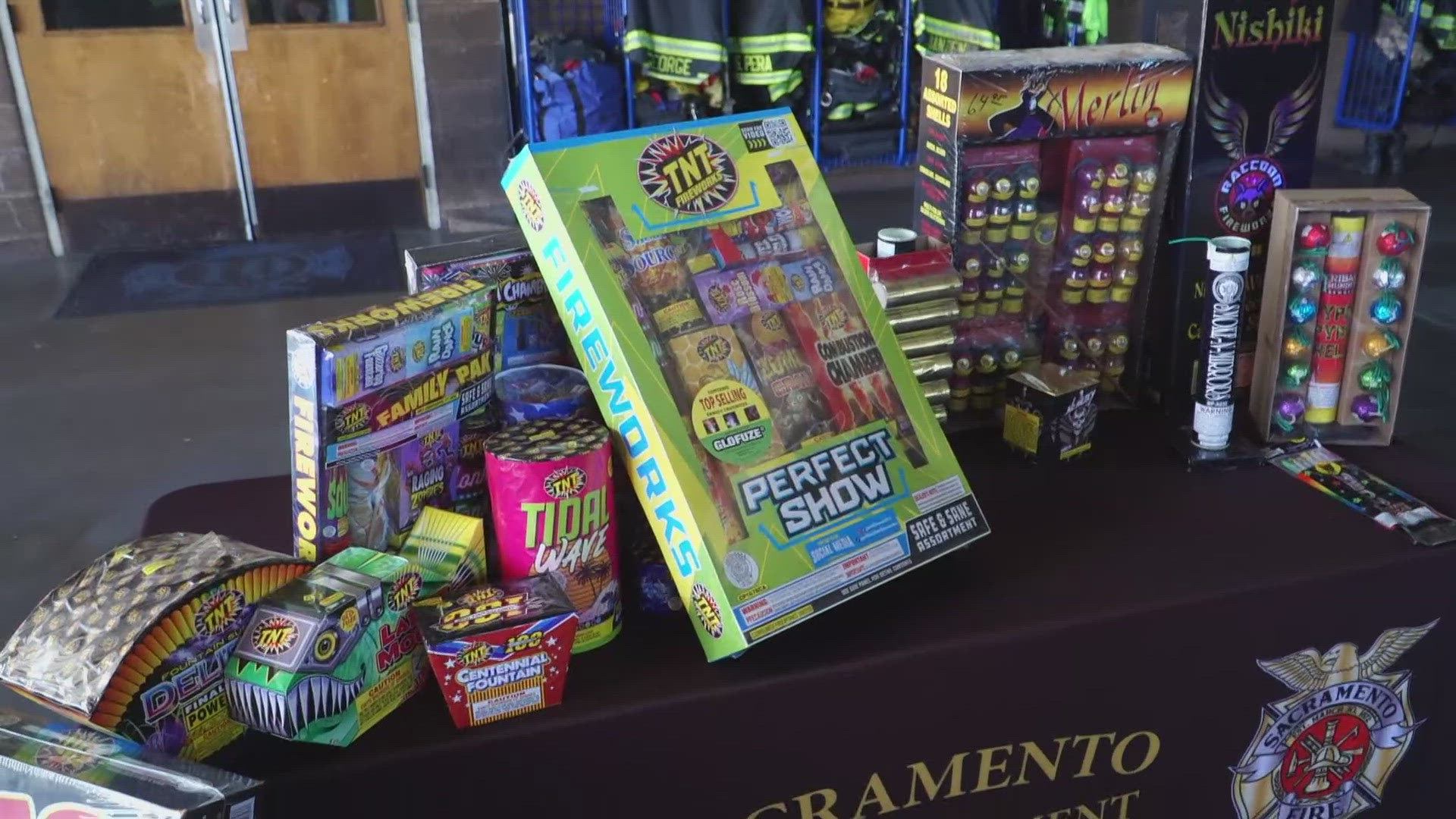
Travelers staying in hotels, resorts, or rental apartments should always consult with their accommodation providers about local fireworks ordinances. Many establishments will explicitly prohibit any form of fireworks on their property, regardless of local legality, due to insurance liabilities and safety concerns. This applies equally to private villas or long-term stays where guests might assume more freedom. Checking city and county websites for current fire danger alerts and specific fireworks ordinances is always the most reliable approach. Local fire departments often issue public service announcements leading up to holidays, detailing what is and isn’t allowed.
The Risks and Repercussions of Illegal Fireworks
The strict laws in California are not arbitrary; they are a direct response to tangible dangers and significant societal costs. Engaging in illegal fireworks activities carries severe risks, not only for the individual but for the wider community and environment.
Environmental Impact and Wildfire Danger
California‘s stunning natural landscapes, from the redwood forests to the desert expanses of Death Valley and the Sierra Nevada Mountains, are incredibly vulnerable to fire. The state experiences a Mediterranean climate, characterized by hot, dry summers and mild, wet winters. However, extended droughts and climate change have intensified wildfire seasons, making virtually every dry season a period of extreme alert.
Illegal fireworks are a leading cause of preventable wildfires. A single stray spark from a bottle rocket can ignite dry grass, brush, or trees, leading to a conflagration that spreads rapidly, especially with California‘s prevailing winds. These fires not only devastate ecosystems but also threaten communities, forcing mass evacuations and destroying homes, businesses, and critical infrastructure. The smoke from wildfires can travel hundreds of miles, impacting air quality for weeks and posing health risks to millions. The cost of fighting these fires runs into billions of dollars annually, straining state resources that could otherwise be allocated to tourism development, infrastructure improvements, or education.
Beyond the immediate fire risk, illegal fireworks contribute to air and noise pollution. They release particulate matter and harmful chemicals into the atmosphere, which can exacerbate respiratory conditions. The loud, unpredictable explosions can also cause immense distress to wildlife and domestic animals, contributing to lost pets and disrupted ecosystems. The collective desire to protect California‘s beauty and ensure a sustainable travel experience for future generations underpins the strict enforcement of these laws.
Penalties for Violations
The consequences of using, possessing, or selling illegal fireworks in California are severe and are taken very seriously by law enforcement. Violations are typically considered misdemeanors, but depending on the severity and impact, they can escalate to felony charges, especially if they result in property damage, injury, or wildfire.
Penalties can include:
- Fines: These can range from hundreds to thousands of dollars per violation. For example, possession of certain illegal fireworks can incur a fine of up to $1,000.
- Imprisonment: Depending on the nature of the offense, jail time can be imposed, ranging from a few days to a year for misdemeanors, and significantly longer for felonies.
- Seizure of Fireworks: All illegal fireworks will be confiscated.
- Restitution: If your illegal fireworks cause property damage or ignite a wildfire, you could be held financially responsible for the damages, the cost of emergency response, and fire suppression efforts. This can amount to hundreds of thousands or even millions of dollars, making it a life-altering financial burden.
- Criminal Record: A conviction for fireworks violations can result in a permanent criminal record, impacting future travel, employment, and housing opportunities.
It’s clear that the risks far outweigh any perceived enjoyment of illegal fireworks. Travelers should be acutely aware of these potential repercussions and choose legal alternatives to celebrate.
Enjoying California Responsibly: A Traveler’s Guide
For visitors to California, the message is clear: prioritize safety, respect local laws, and embrace the many legal and equally exciting ways to celebrate and enjoy the Golden State. Life Out of the Box encourages a travel lifestyle that is both adventurous and responsible, ensuring that our destinations remain vibrant and beautiful for years to come.
Alternative Celebrations and Family Fun
Instead of risking legal trouble with fireworks, California offers an abundance of incredible ways to celebrate holidays and create lasting memories. Many cities and towns host community events, parades, live music concerts, and festivals that are perfect for families and travelers. Consider attending:
- Beach Bonfires (where permitted): Some California beaches allow controlled bonfires in designated fire rings, offering a different kind of fire-lit evening under the stars. Always check local regulations, as rules vary significantly by beach.
- Theme Park Spectacles: Beyond fireworks, Disneyland, Knott’s Berry Farm, and Universal Studios Hollywood offer world-class entertainment, rides, and parades that are fantastic ways to spend celebratory days.
- National Park Adventures: Explore the breathtaking landscapes of Yosemite National Park, Redwood National Park, or the stunning coastlines of Big Sur. These natural wonders provide unparalleled experiences that require no pyrotechnics.
- Wine Tasting in Napa Valley: For adults, a sophisticated trip to Napa Valley offers a different kind of sensory experience, celebrating with fine wines and gourmet food.
- Culinary Tours and Food Festivals: Indulge in California‘s diverse culinary scene. Many cities host food festivals or guided tours where you can sample local delicacies and enjoy lively atmospheres.
Many accommodations, from luxury resorts in Palm Springs to charming boutique hotels in Beverly Hills, also organize special events and activities for guests during holidays, offering safe and entertaining alternatives to personal fireworks.

Prioritizing Safety and Preservation
Responsible tourism means understanding and respecting the local environment and community. In California, this includes a heightened awareness of fire safety. Always be mindful of your surroundings, especially in dry areas. Properly dispose of cigarettes, never leave campfires unattended (and only in designated areas), and be cautious with any spark-producing activities.
By adhering to California‘s fireworks laws, travelers contribute to the preservation of its stunning natural beauty, protect its communities from devastating wildfires, and ensure that the state remains a welcoming and safe destination for everyone. The beauty of the Golden State lies not in ephemeral sparks, but in its enduring landscapes, vibrant culture, and the unforgettable experiences it offers – all best enjoyed responsibly and legally. So, as you plan your next adventure to California, leave the fireworks at home and instead immerse yourself in the myriad of legitimate spectacles and enriching activities that await.
LifeOutOfTheBox is a participant in the Amazon Services LLC Associates Program, an affiliate advertising program designed to provide a means for sites to earn advertising fees by advertising and linking to Amazon.com. Amazon, the Amazon logo, AmazonSupply, and the AmazonSupply logo are trademarks of Amazon.com, Inc. or its affiliates. As an Amazon Associate we earn affiliate commissions from qualifying purchases.