
Navigating Colorado’s Fireworks Landscape as a Tourist
For many travelers, the thought of celebrating a special occasion, particularly Fourth of July or New Year’s Eve, might include the excitement of personal fireworks. However, if your travel plans involve Colorado, understanding the state’s intricate fireworks laws is not just a recommendation but a crucial element of responsible tourism. The question “Are fireworks illegal in Colorado?” doesn’t have a simple yes or no answer; rather, it’s a nuanced response shaped by state statutes, local ordinances, and ever-present environmental conditions. As a tourist, knowing these specifics is paramount to enjoying your visit without legal complications or inadvertently endangering the beautiful natural landscape.
The General Rule: A State-Level Overview
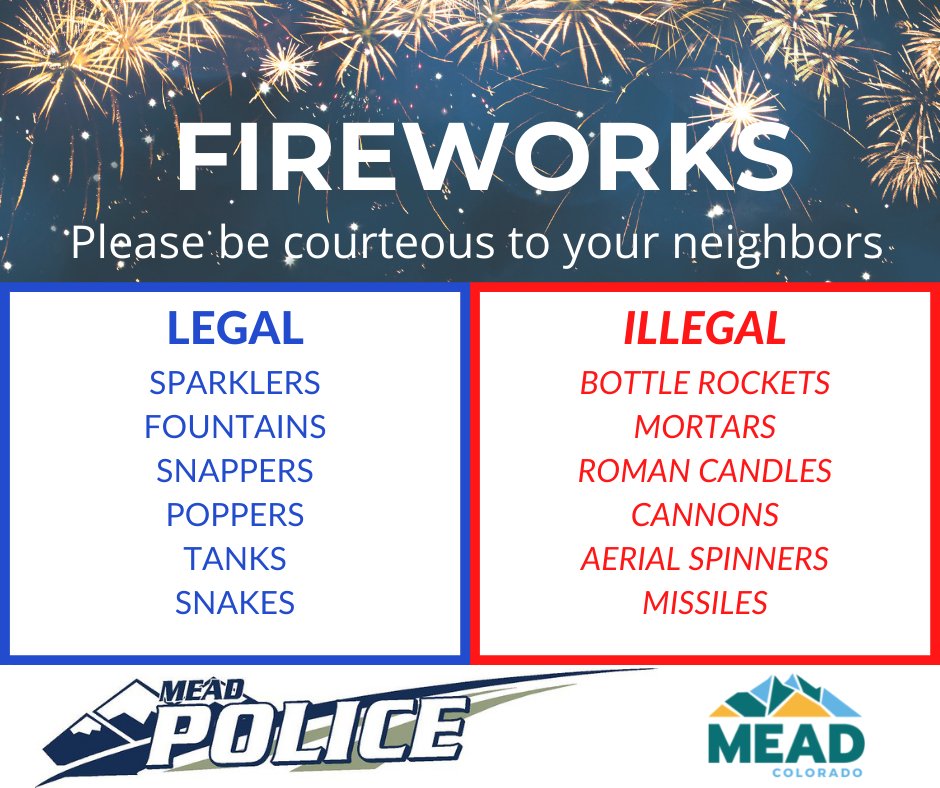
At a state level, Colorado allows certain types of fireworks that are generally classified as “safe and sane.” These typically include sparklers, snakes, glow worms, and smoke bombs. These items are designed to stay on the ground and produce minimal explosive effect. However, this state-level permission is merely the baseline. What’s often overlooked by visitors is that the state gives significant authority to local jurisdictions – counties, cities, and even specific fire districts – to implement stricter bans. This means that while a sparkler might be legal in one part of the state according to state law, it could be absolutely prohibited in a neighboring town due to local regulations.
Local Ordinances: Why Every City is Different
This is where the complexity truly emerges for tourists. Major urban centers and popular tourist destinations, such as Denver, Boulder, Colorado Springs, Aspen, and Vail, almost universally impose stricter bans than the state allows. Many municipalities outright prohibit all consumer fireworks, including those deemed “safe and sane” by the state. Their reasoning is sound: high population density, proximity to natural open spaces, and the inherent risks of even small fireworks in congested areas. For a visitor planning a trip, assuming that what was legal in one Colorado city applies to another is a common and potentially costly mistake. Before you even consider purchasing any fireworks, a quick check of the specific city or county regulations where you plan to stay is essential.
High Fire Danger: The Overriding Factor
Perhaps the most significant and consistent factor influencing fireworks laws in Colorado is the state’s susceptibility to wildfires. Large portions of Colorado are high-risk fire zones, especially during dry seasons and periods of drought, which can extend throughout much of the year. Due to these conditions, counties and municipalities frequently issue fire bans, which explicitly prohibit all types of fireworks, even those typically allowed under state law or local ordinances. These bans are often enacted with little notice and can change rapidly based on weather patterns, temperature, and wind conditions. For a tourist, arriving in Colorado during a declared fire ban means that any thought of personal fireworks should be immediately dismissed, regardless of normal regulations. Ignoring such bans carries severe penalties and, more importantly, poses a grave threat to public safety and the environment.
What Tourists Can Legally Use (and Where)
Understanding the restrictions is only one part of the equation; knowing what is permissible, albeit limited, is equally important for travelers wanting to partake in holiday festivities. While the overarching theme is caution, there are specific scenarios where certain fireworks might be legally permitted for use by tourists.
Permissible Fireworks: Understanding the Nuances
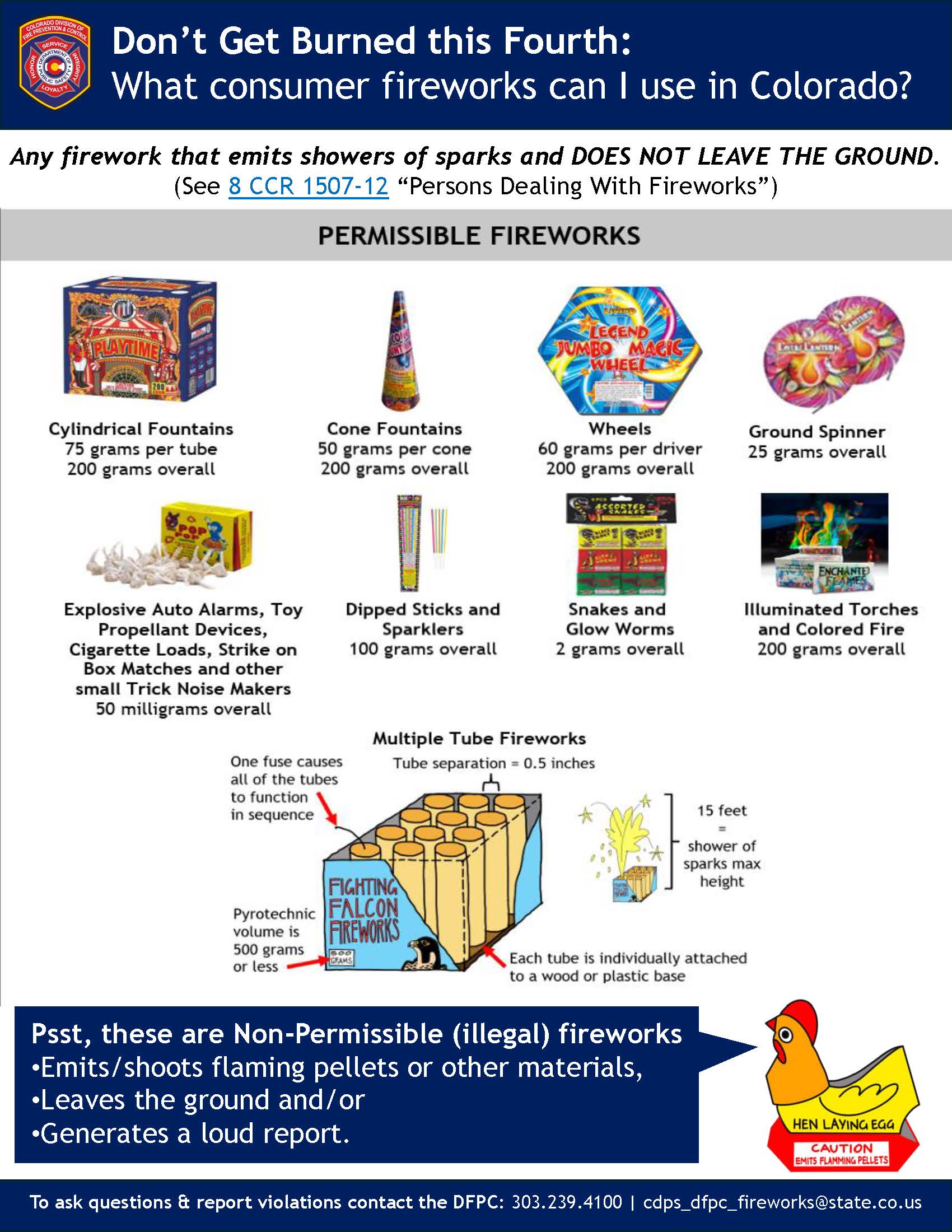
As mentioned, state law generally permits “safe and sane” fireworks. These include:
- Sparklers: Hand-held devices that emit sparks.
- Snakes: Small pellets that expand into a snake-like ash when lit.
- Glow Worms: Similar to snakes, producing a glowing effect.
- Smoke Bombs: Devices that produce colored smoke.
- Trick Noisemakers: Items like snappers, party poppers, and certain novelty devices that produce minimal noise.
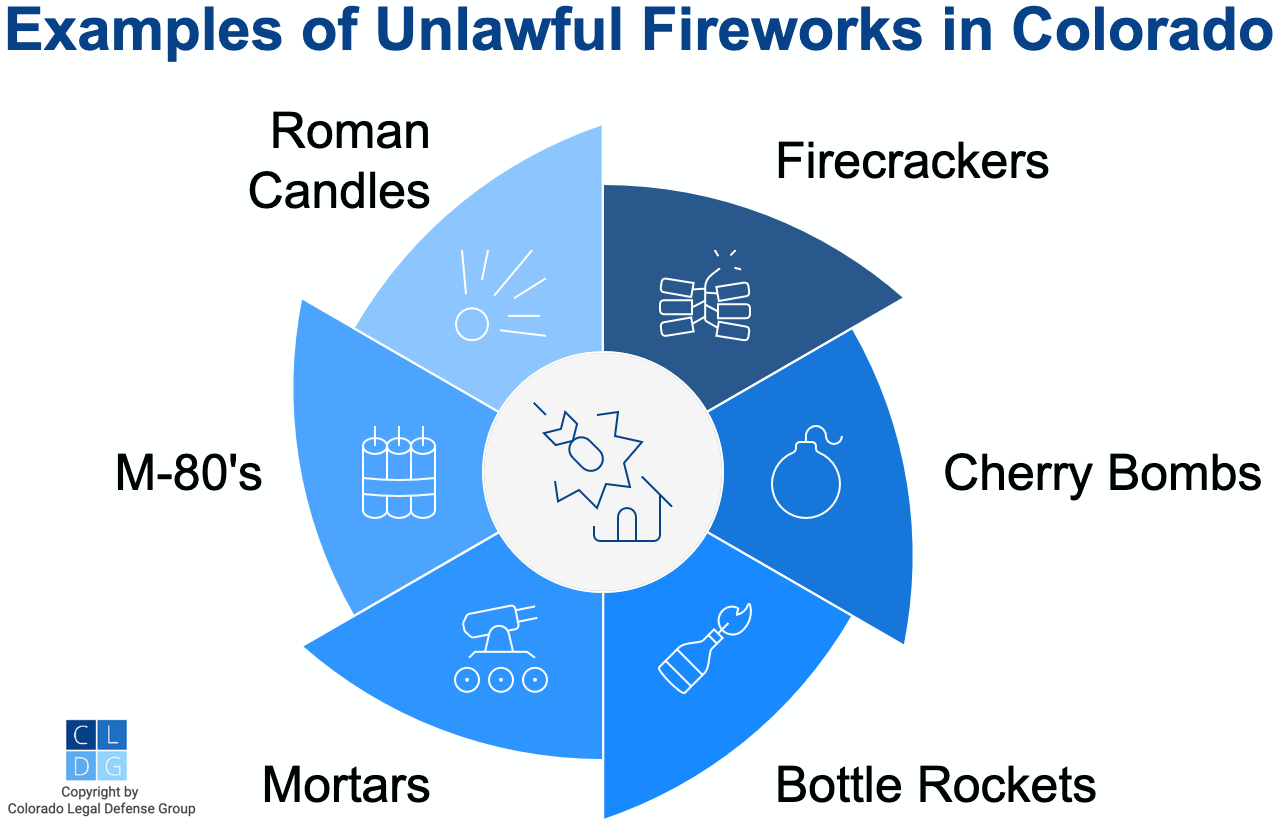
Crucially, any fireworks that leave the ground (like bottle rockets or roman candles), explode (such as firecrackers or M-80s), or produce a projectile are strictly illegal statewide for consumer use. Possessing or using these types of fireworks can lead to significant fines and even criminal charges, regardless of local ordinances or fire bans. The rule of thumb for tourists should be: if it goes up, explodes, or flies, it’s illegal.
Designated Areas and Private Property Considerations
Even with “safe and sane” fireworks, their use is heavily regulated by location. Public lands, including national forests, state parks, and Bureau of Land Management (BLM) properties, almost universally prohibit all fireworks. This includes camping areas, hiking trails, and recreational sites within these zones. Ignoring these regulations can result in severe fines and expulsion from the area.
On private property, the legality depends entirely on the specific local ordinances. If a city or county has a complete ban on fireworks, then using even a sparkler on private land is illegal. If the local jurisdiction permits “safe and sane” fireworks, then their use on private property is generally allowed, but with strong caveats regarding safety and fire prevention. Property owners and rental agreements (for short-term rentals, for example) often have their own restrictions, sometimes even stricter than local laws, to protect their property and neighbors. Tourists renting a vacation home should always check their rental agreement and communicate with their host about any rules regarding fireworks.
The Impact of Drought Conditions and Fire Bans
This cannot be stressed enough: a local or statewide fire ban overrides all other permissions. During periods of high fire danger, all consumer fireworks, even sparklers, are prohibited across the affected areas. These bans are put in place to prevent catastrophic wildfires, which have devastating impacts on Colorado’s natural resources, communities, and air quality. Tourists need to be aware that these bans are widely publicized through local news, government websites, and signage at entry points to public lands. Always check current conditions before your trip and upon arrival. Ignoring a fire ban is not just a minor infraction; it’s a serious offense that puts lives and property at risk.
The Risks and Responsibilities for Visitors
As a visitor to Colorado, your responsibility extends beyond simply enjoying the sights. Understanding and adhering to local laws, especially concerning fireworks, is a critical aspect of being a respectful and safe tourist. The risks associated with non-compliance are substantial, affecting not only your finances and freedom but also the safety and well-being of the communities you visit.
Penalties for Non-Compliance
The penalties for violating Colorado’s fireworks laws can range from significant fines to misdemeanor or even felony charges, depending on the severity of the offense and the type of fireworks involved.
- Illegal Possession/Use: Even for “safe and sane” fireworks during a ban, fines can run into hundreds of dollars. For illegal, exploding, or aerial fireworks, fines can be in the thousands.
- Causing a Fire: If illegal fireworks or even legally permissible ones used negligently cause a fire, the individual responsible can face felony charges, substantial restitution costs for damages, and even prison time. This could include the cost of firefighting efforts, property damage, and environmental restoration.
- Eviction and Civil Liability: Tourists staying in hotels or rental properties who violate fireworks policies or local laws may face immediate eviction and could be held civilly liable for any damages or injuries resulting from their actions.
These are not minor infractions; Colorado takes fireworks violations very seriously due to the ever-present wildfire threat.
Environmental Impact and Community Safety
The primary reason for stringent fireworks laws in Colorado is the profound environmental impact and risk to community safety. Each year, wildfires devastate vast tracts of land, destroy homes, displace communities, and endanger wildlife. Many of these fires are human-caused, and illegal fireworks are a significant contributor. As a tourist, using fireworks (even sparklers during a ban) introduces an unnecessary and preventable risk. Beyond wildfires, fireworks also contribute to air pollution and can be traumatic for veterans and pets sensitive to loud noises. Respecting the bans is a simple yet powerful way for tourists to contribute positively to the local environment and community well-being.
Insurance Implications for Tourists
Travel insurance and personal liability policies may not cover incidents arising from illegal activities. If a tourist causes a fire or injury due to illegal fireworks use, their insurance provider may deny claims, leaving them personally responsible for potentially catastrophic costs. This financial risk is another compelling reason for tourists to strictly adhere to all fireworks regulations in Colorado.
Experiencing Celebrations: Alternatives to Personal Fireworks
While personal fireworks may largely be off-limits for tourists in Colorado, this doesn’t mean celebrations are any less vibrant or spectacular. The state offers numerous safe and incredible ways to experience holiday festivities, focusing on community and professional displays.
Professional Fireworks Displays: The Safe & Spectacular Option
Almost every major city and many smaller towns across Colorado host professional fireworks displays for occasions like the Fourth of July and New Year’s Eve. These displays are executed by licensed pyrotechnicians under controlled conditions, minimizing fire risk while maximizing the visual spectacle.
- Denver: Often hosts multiple large displays, including at Civic Center Park and various sporting venues.
- Colorado Springs: Known for its “Star Spangled Symphony & Fireworks” at Memorial Park.
- Mountain Towns: Many ski resorts like Aspen and Vail have stunning displays that light up the mountain backdrop, often coordinated with torchlight parades.
These events offer a safe, legal, and often more impressive alternative to personal fireworks, allowing tourists to enjoy the festive atmosphere without any of the risks.
Community Events and Festivals
Beyond fireworks, Colorado communities celebrate with a variety of family-friendly events, parades, live music, food festivals, and cultural performances. These events provide an authentic glimpse into local life and offer a wonderful way to connect with the destination. Check local tourism websites or event calendars for the specific dates and locations of these celebrations during your visit. Many towns combine their professional fireworks shows with a full day of community festivities, creating a memorable experience for all ages.
Enjoying Colorado’s Natural Beauty for Celebrations
Sometimes, the best celebration in Colorado is simply immersing yourself in its breathtaking natural beauty. For New Year’s Eve, consider a cozy cabin retreat in the Rocky Mountains, enjoying the quiet serenity of a snowy landscape. For the Fourth of July, perhaps a scenic hike followed by a picnic with stunning mountain views, leaving the fireworks to the professionals. Colorado’s landscapes offer their own kind of magic, providing a unique and unforgettable backdrop for any special occasion.
Essential Tips for Tourists During Peak Seasons
To ensure a smooth and enjoyable trip, especially during peak celebratory seasons, mindful planning and adherence to local guidelines are key for visitors to Colorado.
Check Local Regulations Before You Go
Before embarking on your journey, make it a priority to research the specific fireworks regulations for every county and city you plan to visit or pass through. Official city and county websites, local fire department pages, and Colorado state government portals are reliable sources. Pay particular attention to current fire restrictions or bans, as these can change rapidly due to weather conditions. A quick call to the local visitor’s center or the police non-emergency line in your destination city can also provide up-to-the-minute information.
Respecting Local Customs and Conditions
Colorado residents are acutely aware of the wildfire threat and often have a strong community ethos around fire prevention. As a tourist, demonstrating respect for these local concerns is vital. This means not only adhering to the letter of the law but also understanding the spirit behind it. If locals are discussing fire danger or expressing concern, take heed. Avoid behaviors that might even appear risky, such as discarding cigarettes improperly or having uncontained campfires outside of designated, permitted areas. Your actions reflect not just on yourself, but on all visitors.
Prioritizing Safety and Preparedness
Even when using legally permissible items like sparklers in areas where they are allowed and no bans are in effect, safety should always be your top priority.
- Adult Supervision: Ensure children are always supervised.
- Water Source: Have a bucket of water or a hose nearby.
- Clear Area: Use fireworks in a clear, open space away from dry grass, buildings, and other flammable materials.
- Proper Disposal: Douse all used fireworks in water before disposing of them to prevent reignition.
By prioritizing safety, respecting local laws and conditions, and opting for professional displays, tourists can enjoy the festive spirit of Colorado responsibly and contribute to the preservation of its stunning natural beauty. The answer to “Are fireworks illegal in Colorado?” is complex, but the path to a safe and memorable tourist experience is clear: when in doubt, don’t light it up.
LifeOutOfTheBox is a participant in the Amazon Services LLC Associates Program, an affiliate advertising program designed to provide a means for sites to earn advertising fees by advertising and linking to Amazon.com. Amazon, the Amazon logo, AmazonSupply, and the AmazonSupply logo are trademarks of Amazon.com, Inc. or its affiliates. As an Amazon Associate we earn affiliate commissions from qualifying purchases.