
The allure of fireworks lighting up the night sky is undeniable, a dazzling spectacle that evokes celebration, wonder, and a sense of collective joy. For many, they are synonymous with national holidays like the Fourth of July or New Year’s Eve, representing freedom, festivity, and vibrant community spirit. However, for those planning a trip to the Golden State or considering a lifestyle change to one of its scenic cities, a critical question often arises: “Are fireworks legal in California?” The answer, much like the diverse landscapes of California itself, is not a simple yes or no. It’s a nuanced tapestry of state laws, local ordinances, and crucial safety considerations, particularly relevant for travelers seeking to immerse themselves in local culture and experiences without running afoul of the law.
Understanding California’s intricate fireworks regulations is paramount for responsible tourism and for residents alike. The state’s unique geography, prone to dry conditions and devastating wildfires, profoundly influences its approach to pyrotechnics. This guide aims to unravel the complexities, offering clarity for visitors navigating local attractions and seeking accommodation, and for anyone keen to enjoy the festive season safely and legally. From the bustling urban centers of Los Angeles and San Francisco to the serene coastal towns of Santa Barbara and the desert oases of Palm Springs, the rules can vary dramatically, shaping how celebrations unfold and how travelers plan their itineraries.
Understanding California’s Fireworks Landscape
California has some of the strictest fireworks laws in the United States, primarily due to its susceptibility to wildfires. The state’s approach is a delicate balance between allowing traditional celebrations and safeguarding lives, property, and natural resources. This balance directly impacts how residents and visitors experience holidays and events, influencing everything from local tourism strategies to the types of community gatherings held.
The Distinction: “Safe and Sane” vs. Illegal Fireworks
At the heart of California’s fireworks regulations lies a crucial distinction: “Safe and Sane” fireworks versus all other forms, which are broadly deemed illegal. Understanding this difference is not just about compliance; it’s about making informed choices that protect yourself and the environment, particularly when exploring new destinations or enjoying a family trip.
“Safe and Sane” fireworks are those that do not leave the ground, do not explode, and do not move in an uncontrolled manner. These typically include sparklers, ground spinners, fountains, smoke devices, and party poppers. These items must bear the “Safe and Sane” seal of approval from the California State Fire Marshal. They are sold only by state-licensed retailers, usually from temporary stands operated by non-profit organizations for a limited period around specific holidays, most notably the Fourth of July. For travelers, encountering these stands might be a novel experience, a sign of localized festivities, but it’s vital to remember that their legality is still location-dependent.
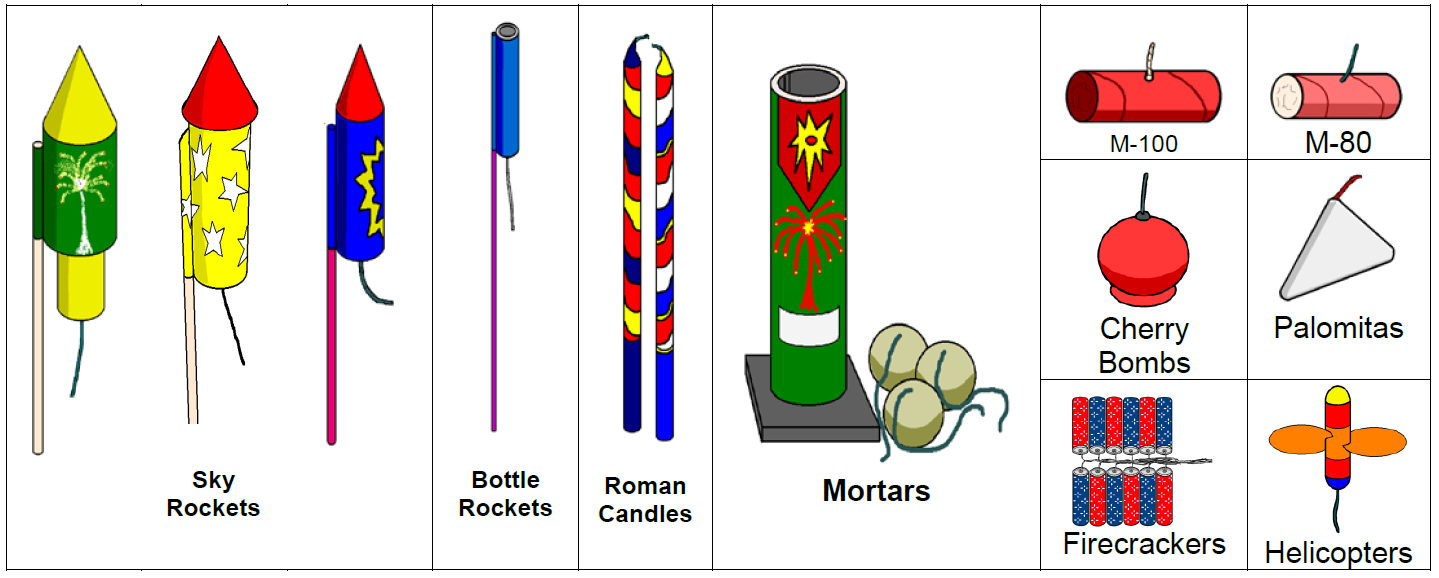
On the other hand, a vast majority of pyrotechnic devices are illegal in California. This category includes, but is not limited to, bottle rockets, sky rockets, roman candles, aerial shells, firecrackers, M-80s, and any fireworks that are altered from their original state. These are often categorized as dangerous or “display” fireworks, meant for professional use. The sale, possession, or use of these illegal fireworks carries significant risks and severe penalties, a point often highlighted in public safety campaigns, especially in high-fire-risk areas like San Bernardino County or the Sierra Nevada foothills. Even purchasing them from out-of-state and bringing them into California is a felony.
Local Ordinances: A Patchwork of Regulations Across the Golden State
While state law provides a foundational framework, it is the local ordinances that truly dictate the legality of fireworks, even “Safe and Sane” ones, within specific cities and counties. This creates a complex, almost patchwork system of regulations across California, making it imperative for visitors and residents to check local laws for their precise location. What might be permissible in Sacramento could be strictly prohibited in Long Beach, or vice-versa.
Many cities and counties have outright banned the sale and use of all fireworks, including “Safe and Sane” types. Major metropolitan areas like Los Angeles, San Francisco, San Jose, and Oakland typically have such comprehensive bans. Visitors traveling to these popular destinations for urban exploration or business stays need to be particularly aware that personal fireworks displays are not an option. Instead, their lifestyle choices for celebration might involve seeking out organized public displays, which often become major tourist attractions.
Conversely, some jurisdictions, especially in Orange County (e.g., Anaheim, Huntington Beach, Garden Grove) and parts of the Central Valley, do permit the sale and use of “Safe and Sane” fireworks within defined boundaries and during specific periods. These areas often have designated “safe zones” for use, further highlighting the localized nature of the regulations. For those planning a family trip or a budget travel experience, knowing which cities allow “Safe and Sane” fireworks can influence accommodation choices, perhaps opting for a hotel or apartment rental in a permissive area, albeit with continued caution. Always check the city or county website, or inquire at your hotel or local visitor center, to confirm current regulations for your specific travel destination, whether it’s San Diego, Pasadena, or a quiet resort town along the Mendocino Coast.
The Risks and Reasons Behind Strict Enforcement
The stringent laws surrounding fireworks in California are not arbitrary. They are a direct response to tangible dangers and significant societal costs. For tourists, understanding these underlying reasons can deepen their appreciation for the local culture and the challenges faced by communities, influencing responsible travel behavior.
The Ever-Present Threat of Wildfires
The primary driver behind California’s strict fireworks regulations is the catastrophic threat of wildfires. The state experiences prolonged dry seasons, dense chaparral, and intense Santa Ana winds, creating conditions ripe for rapid fire spread. A single spark from an errant firework, even a seemingly harmless “Safe and Sane” one, can ignite vast tracts of land, leading to widespread destruction, displacement of communities, and tragic loss of life. Iconic natural landmarks such as Yosemite National Park, Joshua Tree National Park, and Big Sur are constantly under threat, and their preservation is a key aspect of California’s tourism appeal.
The economic cost of wildfires is staggering, running into billions of dollars annually for suppression, recovery, and infrastructure repair. This impacts everything from local economies dependent on tourism (e.g., resorts in Lake Tahoe or Napa Valley) to insurance rates for homes and businesses. The air quality degradation from wildfire smoke also affects the lifestyle and health of residents and visitors, making clear skies and fresh air a luxury. Therefore, the prohibition of fireworks is not just a legal formality but a vital public safety measure aimed at protecting the state’s natural beauty, its residents, and the millions of tourists who come to experience its unique attractions.

Public Safety, Environmental Concerns, and Penalties
Beyond wildfires, illegal fireworks pose significant risks to public safety. Injuries, often severe, resulting from improper handling, malfunctions, or the sheer explosive power of illicit devices, are a constant concern for emergency services. Children are particularly vulnerable, making responsible parenting and adherence to laws crucial during family trips. Hotels and resorts also face responsibilities to ensure guest safety, often having strict no-fireworks policies to prevent accidents on their premises, whether it’s a Grand Hyatt Hotel in downtown San Diego or a boutique villa in Carmel-by-the-Sea.
Environmental concerns also play a role. The debris from fireworks contributes to litter, and the chemicals released into the air and water can harm ecosystems, affecting wildlife and aquatic life in areas like Monterey Bay or the Mojave Desert. For eco-conscious travelers and those interested in sustainable tourism, these impacts are an important consideration.

The penalties for violating fireworks laws in California are severe. Possessing or using illegal fireworks can result in hefty fines, ranging from hundreds to thousands of dollars, and even jail time. Furthermore, if illegal fireworks cause a fire or injury, individuals can be held criminally and civilly liable for all damages and suppression costs. Such legal troubles can significantly disrupt travel plans, affect long-term accommodation prospects, and cast a shadow over any lifestyle choice. Law enforcement agencies in cities like Santa Monica and Newport Beach are increasingly using social media and tip lines to crack down on illegal fireworks, demonstrating a strong commitment to enforcement.
Experiencing Fireworks Safely and Legally
Given the strict regulations, enjoying fireworks in California often means relying on professional displays. This shift from personal pyrotechnics to community-centric events has, in many ways, enhanced the travel experience, turning holidays into opportunities for grand spectacles and shared memories.
Public Displays: A Traveler’s Guide to Dazzling Celebrations
For travelers seeking the magic of fireworks, the best and only legal way to experience them in most of California is through professional public displays. These events are typically organized by cities, theme parks, and major venues, providing breathtaking shows that are both safe and spectacular. Such displays are meticulously planned, permit-approved, and executed by licensed pyrotechnicians, often accompanied by music and other festivities, making them premier tourist attractions.
Iconic locations like Disneyland in Anaheim are renowned for their nightly fireworks shows, a quintessential California experience for families. Similarly, Universal Studios Hollywood offers special pyrotechnic events. On major holidays, especially the Fourth of July, many coastal cities host magnificent displays over the ocean, with vantage points along beaches, piers, and waterfront promenades. Think of watching fireworks explode over San Diego Bay from a luxury suite at a Manchester Grand Hyatt or from the historic USS Midway Museum. In San Francisco, fireworks often light up the sky near Pier 39 or with the Golden Gate Bridge as a dramatic backdrop.
Many cities, from Sacramento to Pasadena, organize elaborate community celebrations with parades, live music, food vendors, and a grand fireworks finale. These events are fantastic opportunities for visitors to immerse themselves in local culture, experience authentic community spirit, and enjoy world-class entertainment. Accommodation options around these venues, such as a resort near Laguna Beach or an apartment rental in Downtown Los Angeles, should be booked well in advance, as these events draw large crowds and drive up demand.
Responsible Tourism and Community Engagement
For travelers, responsible tourism in California involves respecting local laws and cultural norms, especially concerning fireworks. Instead of attempting to use personal fireworks, which is both illegal and dangerous in most places, embrace the opportunity to participate in community-organized events. This not only ensures your safety and legality but also supports local tourism and demonstrates respect for the environment and the host community.
Engage with local tips and guides provided by hotels or visitor centers. Many resorts and hotels, such as the Ritz-Carlton Laguna Niguel or Terranea Resort in Palos Verdes, may even offer special packages or viewing parties for nearby public displays, providing a luxurious and hassle-free way to enjoy the spectacle. For those on a budget travel plan, finding a public park or designated viewing area with a good line of sight to a major display is a great alternative.
Consider alternative festive activities that align with California’s outdoor lifestyle. Enjoy a sunset hike in Runyon Canyon Park, a beach bonfire (where permitted) in Malibu, or a celebratory dinner with spectacular views of the city skyline. These experiences offer a different kind of magic, free from the risks and legal complications associated with personal fireworks.
Navigating the Regulations as a Visitor or Resident
Understanding the legal landscape of fireworks in California is crucial, whether you’re planning a short visit or considering a long-term stay. The rules impact holiday experiences, accommodation choices, and overall lifestyle in the state.
Essential Tips for Enjoying California Holidays
To ensure a safe and enjoyable holiday in California, especially during times traditionally associated with fireworks, keep these tips in mind:
- Check Local Laws: Before your travel or celebration, always verify the specific fireworks laws for your destination city or county (e.g., Carlsbad, Indio, Fremont). A quick search on the city’s official website or a call to the local fire department can provide up-to-date information.
- Seek Out Public Displays: Plan your holiday activities around professionally organized fireworks shows. Many theme parks like Legoland California or Knott’s Berry Farm offer dazzling displays, as do major cities. These are not only legal but also far more impressive and safer than personal fireworks.
- Report Illegal Activity: If you witness illegal fireworks being used, report them to local law enforcement or fire authorities. This proactive step helps protect communities from fires and injuries, aligning with responsible community engagement.
- Prioritize Safety: If you are in a jurisdiction that permits “Safe and Sane” fireworks, follow all safety guidelines: use them only on flat, paved surfaces away from dry vegetation, have a bucket of water or a hose nearby, and never let children handle them unsupervised. Even “Safe and Sane” items carry risks.
- Consider Pet Safety: The loud noises from fireworks can be distressing for pets. Be mindful of animal welfare, especially if you are staying in pet-friendly accommodation or traveling with your furry companions.
Where to Stay: Hotels and Accommodation Near Festive Events
For travelers, the choice of accommodation can greatly enhance the experience of California’s festive seasons. If fireworks displays are a key part of your itinerary, strategic booking is essential.
Many hotels and resorts are situated with prime viewing opportunities for major public fireworks shows. For example, hotels along the San Francisco Bay or in Marina del Rey often boast rooms and suites with panoramic views of waterfront displays. In Southern California, staying at a hotel within or adjacent to a theme park like Disneyland Hotel or a nearby Good Neighbor Hotel can provide unmatched access to their spectacular shows. Luxury travel often involves booking a premium room or a private villa with an exclusive vantage point.
When booking accommodation, it’s wise to inquire about hotel policies regarding fireworks, even “Safe and Sane” ones. Most hotels, resorts, and vacation rentals (including apartments and villas) will have strict prohibitions on any type of fireworks use on their property to ensure guest safety and prevent damage. They might, however, be able to guide you to the best local public displays. Consider amenities that enhance your holiday experience, such as rooftop lounges or restaurant patios that offer a view of the festivities. For budget travel, finding a hotel a short distance from a public transit stop that serves a major viewing area can be a smart move, avoiding parking hassles.
Whether you’re exploring the vineyards of Sonoma County, the historic missions of San Juan Capistrano, or the vibrant arts scene of Pasadena, California’s approach to fireworks reflects a broader commitment to safety and environmental stewardship. By understanding and respecting these regulations, both visitors and residents can enjoy the state’s magnificent celebrations responsibly, ensuring that the magic of fireworks remains a cherished, safe, and legal spectacle for everyone. The beauty of California lies not just in its iconic landmarks and diverse attractions, but in the collective effort to preserve them, making every journey here a truly rewarding lifestyle experience.
LifeOutOfTheBox is a participant in the Amazon Services LLC Associates Program, an affiliate advertising program designed to provide a means for sites to earn advertising fees by advertising and linking to Amazon.com. Amazon, the Amazon logo, AmazonSupply, and the AmazonSupply logo are trademarks of Amazon.com, Inc. or its affiliates. As an Amazon Associate we earn affiliate commissions from qualifying purchases.