
For many, the crackle, boom, and brilliant shower of fireworks are synonymous with celebration. Whether it’s the patriotic fervor of Independence Day, the shimmering countdown of New Year’s Eve, or simply a special occasion, pyrotechnic displays hold a captivating allure. However, when planning a visit to the stunning landscapes of Colorado, a state renowned for its majestic mountains, pristine forests, and vibrant cities, a crucial question arises for those hoping to light up the night: are fireworks legal here? The answer, like many things in the Centennial State, is nuanced and significantly impacts how both residents and tourists can celebrate responsibly.
Colorado is not just a destination for outdoor adventures and luxurious getaways; it’s a state deeply committed to preserving its natural beauty and ensuring public safety. This commitment is particularly evident in its approach to fireworks. What might be permissible in one part of the country could be strictly prohibited here, and even within Colorado’s borders, laws can vary dramatically from one county or city to another. For travelers seeking to immerse themselves in local culture, explore iconic landmarks, or simply enjoy a relaxing stay in world-class accommodations, understanding these regulations is not just about avoiding fines; it’s about protecting the very environment that makes Colorado such a beloved destination. This comprehensive guide will navigate the complexities of firework legality in Colorado, shedding light on state and local laws, the critical reasons behind these restrictions, and how visitors can still experience spectacular celebrations safely and legally, all while embracing the unique Colorado lifestyle.
Navigating Colorado’s Firework Laws: A Traveler’s Guide
Planning a trip to Colorado involves more than just booking flights and hotels; it also means understanding the local landscape, including its laws and customs. When it comes to fireworks, the state presents a patchwork of regulations that can initially seem confusing. A common misconception is that all fireworks are banned statewide, but the reality is more intricate, involving a delicate balance between state-level allowances and stringent local prohibitions.
Understanding State-Level Regulations
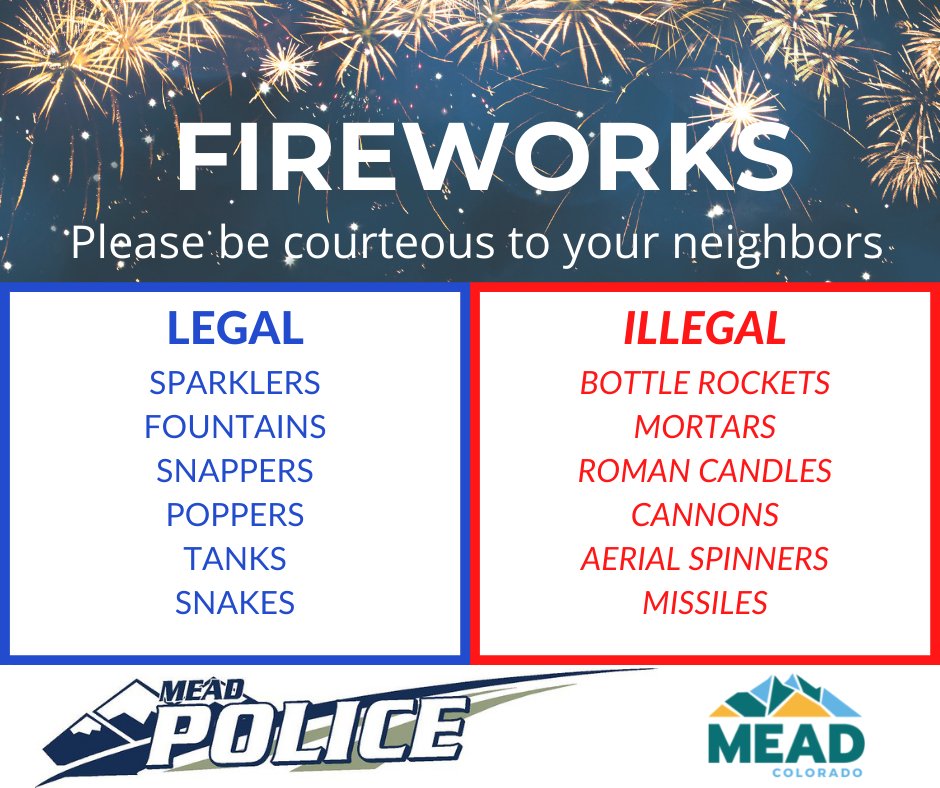
At the state level, Colorado’s laws differentiate between various types of fireworks. Generally, certain “safe and sane” fireworks are permissible under state statute. These typically include items that do not launch into the air, do not explode, and remain on the ground. Common examples of such allowed fireworks often include:
- Sparklers: Handheld sticks that emit sparks.
- Smoke bombs/smoke devices: Devices that primarily produce smoke for visual effects.
- Snakes and Glow Worms: Small pellets that burn and produce an ash column.
- Party Poppers: Small devices that produce a popping sound and confetti.
- Ground Spinners: Devices that spin on the ground and emit sparks.
However, the state explicitly prohibits any fireworks that are designed to launch into the air or explode. This category encompasses the vast majority of what many people consider traditional fireworks, and possessing or using them carries significant penalties. Prohibited items include, but are not limited to:
- Bottle Rockets: Small rockets launched from a bottle.
- Roman Candles: Tubes that eject multiple colored balls or stars into the air.
- Firecrackers: Small explosive devices designed to produce a loud bang.
- Cherry Bombs and M-80s: Illegal explosive devices.
- Mortars and Shells: Larger fireworks that launch aerial shells.
Violations of these state laws can result in hefty fines, confiscation of fireworks, and potentially even jail time, especially if the use of illegal fireworks leads to property damage or, tragically, a wildfire. For travelers, it’s paramount to understand that even if a vendor claims certain fireworks are “legal,” they might only be referring to state law, which doesn’t override stricter local ordinances.
Local Ordinances: Where Rules Get Stricter
This is where the landscape of firework legality in Colorado becomes considerably more restrictive. While the state allows certain ground-based fireworks, most cities and counties, particularly those in high-risk wildfire areas or densely populated urban centers, enact far stricter bans. These local ordinances often prohibit all consumer fireworks, including the “safe and sane” types allowed by state law. The reasoning behind these stringent local rules is deeply rooted in public safety, environmental protection, and the prevention of devastating wildfires.
Consider some of Colorado’s most popular destinations:
- Denver: The state capital and largest city, typically has a complete ban on all consumer fireworks, including sparklers. Enforcement is usually very strict, especially around major holidays.
- Colorado Springs: Home to iconic landmarks like the Garden of the Gods, this city also implements a full ban on most consumer fireworks due to its proximity to the Front Range and susceptibility to dry conditions.
- Boulder: Known for its outdoor lifestyle and environmental consciousness, Boulder maintains one of the strictest firework prohibitions in the state, generally banning all types of consumer fireworks to protect its natural surroundings.
- Aspen and Vail: These renowned mountain resorts, along with other popular ski towns like Breckenridge, are typically under full bans. The dense forests and often dry conditions in these areas create an extremely high wildfire risk, making any type of personal firework use a severe hazard.
- Fort Collins and Grand Junction: These larger cities, situated in varying climates, also frequently impose bans on most or all consumer fireworks.
It is imperative for anyone visiting or residing in Colorado to check the specific firework ordinances for their exact location (city and county) before purchasing or using any fireworks. Local government websites, police department pages, and local fire department advisories are the best resources for up-to-date information, particularly during periods of high fire danger, often indicated by “red flag warnings” issued by meteorologists. Ignoring these local laws can lead to significant legal trouble and endanger lives and property.
The Peril of Pyrotechnics: Why Colorado is Strict
The strictness surrounding fireworks in many parts of Colorado is not arbitrary; it’s a direct response to the inherent dangers these devices pose in the state’s unique environment and to its populace. Understanding these critical factors helps travelers appreciate the rationale behind the regulations and contributes to a more responsible and enjoyable visit.
Wildfire Risks: Protecting Colorado’s Natural Beauty
Perhaps the most significant and pressing reason for Colorado’s stringent firework laws is the ever-present threat of wildfires. The state’s geography, characterized by vast expanses of coniferous forests, high-altitude grasslands, and arid plains, combined with a climate that often experiences extended dry spells, strong winds, and low humidity, creates an incredibly high-risk environment for fires.
Even a single spark from a seemingly innocent sparkler, or a stray ember from a ground spinner, can rapidly ignite dry vegetation, turning a casual celebration into a catastrophic event. Colorado has endured numerous devastating wildfires in recent decades, leading to tragic losses of life, homes, and millions of acres of precious forest land. These fires not only destroy natural habitats and infrastructure but also severely impact the state’s tourism industry, which relies heavily on its pristine natural landscapes. Areas near iconic landmarks like Rocky Mountain National Park or the scenic trails in Summit County are particularly vulnerable. The smoke and haze from wildfires can also diminish air quality, obscure breathtaking views, and force closures of beloved attractions, negatively affecting the experience for thousands of visitors. The bans, therefore, are a critical preventative measure, safeguarding not just lives and property but also the very essence of Colorado’s appeal as a travel destination.
Personal Safety and Public Health Concerns
Beyond the immense threat of wildfires, fireworks also pose substantial risks to personal safety and public health, concerns that further drive Colorado’s strict regulations. Each year, thousands of people across the country, including children, suffer severe injuries related to firework use. These can range from debilitating burns and eye injuries, which can lead to permanent vision loss, to traumatic amputations caused by explosive devices. The unpredictable nature of consumer fireworks, even those deemed “safe,” makes them inherently dangerous in untrained hands.

Moreover, the loud noises and bright flashes produced by fireworks can be distressing for many, including veterans suffering from PTSD, young children, and pets. Animal shelters often report a surge in lost pets around firework-heavy holidays as frightened animals flee. From a public health perspective, the smoke generated by fireworks can worsen air quality, exacerbating respiratory conditions for individuals with asthma or other lung issues. The strain placed on emergency services – fire departments, police, and hospitals – due to firework-related incidents further highlights the societal cost of unregulated pyrotechnic displays. By limiting consumer fireworks, Colorado aims to mitigate these personal and public health risks, fostering a safer environment for all who call the state home or choose to visit its many attractions.
Celebrating Safely: Alternatives for Tourists and Locals
While the strict firework laws in Colorado might initially seem like a damper on holiday celebrations, they actually pave the way for safer, more organized, and equally spectacular ways to mark special occasions. Rather than risking fines, injuries, or wildfires, visitors can embrace the many wonderful alternatives that the state offers, blending celebration with responsible tourism.
Embracing Professional Firework Displays
The safest and most breathtaking way to enjoy fireworks in Colorado is undoubtedly through professional, publicly organized displays. These shows are meticulously planned, executed by licensed pyrotechnicians, and held in controlled environments, minimizing risks while maximizing the visual impact. Many cities and towns across Colorado host incredible professional firework displays, particularly on Independence Day and New Year’s Eve.
- Denver: The capital city typically hosts a grand Fourth of July display at Civic Center Park, drawing thousands of spectators. Denver also often features New Year’s Eve fireworks downtown, illuminating the city skyline.
- Colorado Springs: This city also organizes impressive shows, sometimes visible from multiple vantage points, offering stunning backdrops against the Front Range mountains.
- Mountain Towns: Many mountain resorts, like those in Vail or Breckenridge, host professional displays that reflect beautifully off the snow in winter or over scenic bodies of water, such as Lake Dillon in Summit County, during summer. These provide a truly unique and picturesque viewing experience.
When planning to attend a professional show, it’s advisable to arrive early to secure a good viewing spot, especially in popular areas. Check local tourism boards or city event calendars for specific dates, times, and recommended viewing locations. Utilizing public transportation is often a smart move to avoid traffic and parking hassles. These events are not just about fireworks; they are often accompanied by live music, food vendors, and family-friendly activities, creating a festive atmosphere for everyone.
Beyond Fireworks: Unique Colorado Experiences
Colorado’s allure extends far beyond pyrotechnics. The state offers an unparalleled array of experiences that can make any celebration truly memorable without the need for personal fireworks. For travelers seeking adventure, relaxation, or cultural immersion, the options are limitless:
- Outdoor Adventures: Embrace the essence of Colorado with activities like hiking picturesque trails in Rocky Mountain National Park, mountain biking through scenic landscapes, or white-water rafting down the thrilling Arkansas River. For a summer holiday, a camping trip under the stars near the Continental Divide offers its own kind of natural spectacle.
- Stargazing: Colorado boasts numerous dark sky locations, perfect for admiring the Milky Way. Areas around Black Canyon of the Gunnison National Park or remote mountain passes offer incredible celestial shows that far outshine any artificial display.
- Cultural Festivals and Events: Throughout the year, Colorado hosts a vibrant calendar of festivals, live music concerts, and art shows. Many towns organize special events for holidays that focus on local artisans, food, and entertainment, providing a rich cultural experience.
- Culinary Explorations: Dive into Colorado’s booming craft beer scene, explore farm-to-table restaurants in cities like Denver and Boulder, or enjoy a gourmet meal at a high-altitude restaurant in a ski resort. Foodie experiences offer a different kind of sensory delight.
- Family-Friendly Attractions: Amusement parks like Lakeside Amusement Park in Denver or various zoos and museums offer engaging activities for all ages.
- Relaxation and Wellness: Indulge in a luxurious spa day at a resort like The Broadmoor in Colorado Springs, or find tranquility in a mountain retreat, embracing the peaceful side of Colorado’s lifestyle.
By focusing on these unique and authentic Colorado experiences, travelers can create lasting memories that are not only thrilling and enjoyable but also safe, legal, and respectful of the state’s precious environment.
Planning Your Colorado Getaway: Accommodation and Lifestyle Considerations
For any traveler to Colorado, a well-planned itinerary goes beyond choosing destinations and activities; it also involves understanding how local laws and lifestyle values integrate with your accommodation choices and overall approach to responsible tourism. This is especially true when considering the subject of fireworks.
Hotel and Resort Policies Regarding Fireworks
One of the most critical aspects for tourists regarding fireworks is understanding the policies of their chosen accommodation. Almost without exception, hotels, resorts, vacation rentals, and campsites throughout Colorado maintain strict “no fireworks” policies. This applies to all types of consumer fireworks, even those that might be considered “safe and sane” by state law, if not explicitly prohibited by local ordinance.
- Hotels and Luxury Resorts: Whether you’re staying at a budget-friendly hotel in Denver, a family-friendly suite in Colorado Springs, or a five-star luxury resort like The Broadmoor, staff are trained to enforce these rules rigorously. The primary concern is safety – preventing fires that could endanger guests and property.
- Vacation Rentals (Airbnb, VRBO): Private vacation rental properties in areas like Aspen, Vail, or Breckenridge will also have explicit bans on fireworks in their house rules, often detailed in rental agreements. Violating these rules can lead to immediate eviction, loss of security deposits, and liability for any damages caused.
- Campsites: Given the extreme wildfire risk, fireworks are almost universally prohibited in state parks, national forests, and private campgrounds across Colorado.
Before booking or checking in, it’s always prudent to review the accommodation’s rules and regulations, or simply ask. Attempting to use fireworks on hotel property or in a rental could lead to significant financial penalties, legal repercussions, and an abrupt end to your vacation. Many establishments proactively communicate these bans around holidays to ensure guest awareness and compliance.

Responsible Tourism and Celebrating the Colorado Lifestyle
The comprehensive approach Colorado takes to firework regulation is a microcosm of its broader commitment to responsible tourism and a cherished outdoor lifestyle. Visitors are encouraged to immerse themselves in the state’s natural wonders and vibrant communities in a way that is respectful, sustainable, and safe.
Responsible tourism in Colorado means:
- Respecting Local Laws: Understanding and adhering to all local ordinances, not just those concerning fireworks, but also rules about littering, trail use, and wildlife interaction.
- Protecting the Environment: Being mindful of your impact on the delicate ecosystems. This includes practicing Leave No Trace principles, conserving water, and, critically, preventing wildfires. Choosing not to use personal fireworks is a direct way to contribute to this protection.
- Supporting Local Economies: Engaging with local businesses, from small shops in Fort Collins to restaurants in Grand Junction, helps ensure the prosperity of the communities you visit.
- Embracing the Spirit of Colorado: The true Colorado lifestyle is about enjoying the majestic outdoors, seeking adventure, appreciating local culture, and fostering community. Celebrations in [Colorado](https://lifeoutofthebox.com/colorado] are often centered around shared experiences, outdoor gatherings, and professional events that bring people together safely.
By choosing to celebrate responsibly, whether by attending a professional fireworks display or opting for one of the many alternative experiences, travelers not only ensure a safer and more enjoyable trip for themselves but also contribute positively to the preservation and prosperity of this extraordinary state. It’s about creating lasting memories that truly capture the spirit and beauty of Colorado, without compromise.
In conclusion, while the allure of personal fireworks can be strong, the resounding answer to “Are fireworks legal in Colorado?” is complex, but largely leans towards restriction. State law permits a narrow category of ground-based, non-explosive fireworks, but most cities and counties, driven by severe wildfire risks and public safety concerns, enforce outright bans on all consumer fireworks. For travelers, the key takeaway is clear: always check specific local ordinances for your destination within Colorado, and err on the side of caution. Embrace the magnificent professional displays or explore the myriad of unique, safe, and equally thrilling experiences Colorado has to offer. By choosing responsible celebration, you protect the breathtaking landscapes, ensure personal safety, and contribute to the vibrant, sustainable tourism that makes Colorado an unforgettable destination for all.
LifeOutOfTheBox is a participant in the Amazon Services LLC Associates Program, an affiliate advertising program designed to provide a means for sites to earn advertising fees by advertising and linking to Amazon.com. Amazon, the Amazon logo, AmazonSupply, and the AmazonSupply logo are trademarks of Amazon.com, Inc. or its affiliates. As an Amazon Associate we earn affiliate commissions from qualifying purchases.