
The vibrant explosions of fireworks are synonymous with celebration, marking holidays like the Fourth of July and New Year’s Eve across the United States. For visitors and residents alike in the Lone Star State, understanding the legality surrounding these pyrotechnic displays is crucial, not just for safety but also for planning travel, events, and the overall experience. Texas, with its vast landscapes and diverse municipalities, presents a nuanced regulatory environment when it comes to fireworks. While the state broadly permits the sale and use of consumer fireworks during specific periods, local jurisdictions hold significant power to impose stricter bans, making a clear-cut answer elusive without delving into the specifics. This guide aims to illuminate the intricacies of fireworks laws in Texas, offering insights for tourists, residents, and anyone looking to partake in the dazzling tradition, all while keeping safety and responsible enjoyment at the forefront.

The Lone Star State’s Stance on Pyrotechnics
At a state level, Texas law is relatively permissive regarding consumer fireworks. Unlike some states that impose outright bans or heavily restrict types of fireworks, Texas allows the sale and use of a wide array of aerial and ground-based fireworks. However, this broad allowance comes with significant caveats, primarily through the authority granted to counties and municipalities to enact their own, often more restrictive, ordinances. This creates a patchwork of regulations where what’s permissible just outside one city’s limits might be strictly forbidden a few miles down the road. For travelers exploring various destinations across Texas, understanding this distinction is paramount to avoid fines, ensure safety, and comply with local culture.
State Regulations and Permissible Periods
The Texas Occupations Code dictates the state-level rules for fireworks. It primarily regulates the sale of fireworks, designating specific periods when consumer fireworks can be sold to the public. These periods typically revolve around major holidays:
- June 24 through July 4: This window allows for celebrations leading up to and including Independence Day.
- December 20 through January 1: This period covers New Year’s Eve and the start of the new year.
- May 1 through May 5: This is a less common period, primarily for Cinco de Mayo celebrations, though sales might be less widespread than for the other two.
During these times, licensed fireworks stands can operate, offering everything from sparklers and fountains to multi-shot aerial cakes. However, even at the state level, certain types of fireworks are strictly prohibited. These include items such as sky rockets with sticks (often referred to as bottle rockets), missiles with fins, and any fireworks that are federally illegal, like M-80s or cherry bombs, which are essentially unregulated explosives rather than consumer fireworks. It’s important for consumers to purchase from reputable, licensed vendors to ensure the products meet safety standards and are legal.
Beyond sales, state law also imposes some general restrictions on the use of fireworks. For example, it’s typically illegal to discharge fireworks within 100 feet of a fireworks retail stand, within 600 feet of a church, hospital, asylum, licensed child-care center, or a public or private primary or secondary school. It’s also illegal to ignite fireworks on public roads, right-of-ways, or within 500 feet of any gas station or propane storage facility. These regulations are in place to minimize fire hazards and protect vulnerable populations and infrastructure.

Local Ordinances: A City-by-City Breakdown
While state law provides the framework, the real complexity arises from local ordinances. Counties and cities in Texas have the authority to enact stricter bans on fireworks, especially concerning their use. The most significant and common restriction is a blanket ban on fireworks within city limits. Almost all major Texas cities, including Houston, Dallas, Austin, San Antonio, and Fort Worth, prohibit the discharge of fireworks within their municipal boundaries. This is primarily due to population density, the increased risk of property damage, and the higher potential for fire incidents in urban environments. Violating these city ordinances can result in hefty fines, confiscation of fireworks, and even misdemeanor charges.
Beyond city limits, county commissioners’ courts also have the power to impose temporary or permanent bans on fireworks, particularly during periods of drought or high fire danger. These “burn bans” are often enacted when conditions are dry and windy, making any outdoor burning, including fireworks, extremely risky. A county-wide burn ban typically prohibits the sale and use of certain fireworks, or even all fireworks, even outside city limits. Travelers planning a trip to a rural Texas area for holidays should always check the local county’s burn ban status before making any plans involving fireworks. This information is usually available on county government websites or through local fire marshall offices. The dynamic nature of these bans means what was legal last year might not be this year, making real-time checks essential for any responsible traveler or resident.
Navigating Fireworks Safety and Purchase in Texas
For those venturing outside city limits where fireworks are permitted, understanding how and where to purchase them, along with adhering to strict safety guidelines, is paramount. The allure of personal fireworks displays is undeniable, but the risks associated with improper handling are significant. Texas fire departments respond to thousands of fireworks-related incidents annually, highlighting the need for vigilance and responsibility. Incorporating fireworks into your Texas travel or local lifestyle requires informed decisions, ensuring enjoyment doesn’t come at the cost of safety or environmental damage.
Where to Buy and What to Look For
Fireworks stands are a familiar sight in Texas during the designated sales periods, typically set up just outside city limits along major highways. These stands are required to be licensed by the state and adhere to safety regulations for storage and sales. When purchasing, look for stands that appear well-maintained and professionally operated. Avoid purchasing fireworks from unlicensed vendors or individuals, as these products may not meet safety standards and could be illegal.
When selecting fireworks, consider the environment where they will be discharged. If you’re in an area with dry vegetation, choosing ground-based items like sparklers, fountains, or crackling balls might be safer than aerial fireworks that can throw sparks far and wide. Read the labels carefully to understand the instructions, proper setup, and safety distances required for each item. Many fireworks stands offer a wide variety, from simple novelties suitable for young children (under strict adult supervision) to elaborate multi-shot displays. Always ask the vendor if you have questions about specific items or their usage. Remember that even seemingly innocuous items like sparklers burn at extremely high temperatures and can cause severe injuries if not handled properly.
Essential Safety Guidelines for Enthusiasts
Safety should always be the top priority when handling fireworks. Regardless of legality, irresponsible use can lead to tragic consequences. Here are essential guidelines to follow:
- Read and Follow Instructions: Every fireworks product comes with specific instructions. Read them thoroughly before lighting.
- Adult Supervision: Never allow children to handle or light fireworks. Adults should always supervise and be responsible for all fireworks activities.
- Clear Area: Choose a clear, open area away from homes, dry grass, trees, and other flammable materials. Ensure there is ample overhead clearance for aerial fireworks.
- Water Source Nearby: Always have a bucket of water, a garden hose, or a fire extinguisher readily available to douse misfires or unintended fires.
- Wind Conditions: Be mindful of wind direction and speed. High winds can carry sparks or burning debris, increasing fire risk.
- Eye Protection: Wear safety glasses to protect your eyes from stray sparks or debris.
- Never Relight Misfires: If a firework fails to ignite, do not attempt to relight it. Wait 15-20 minutes, then soak it in water before disposal.
- Dispose Properly: After fireworks have been used, soak them in water overnight before disposing of them in a trash can. This prevents delayed ignition or smoldering.
- Keep Spectators at a Safe Distance: Establish a safe viewing area far enough away from the launch site.
- Alcohol and Fireworks Don’t Mix: Avoid consuming alcohol when handling fireworks. Impaired judgment significantly increases the risk of accidents.
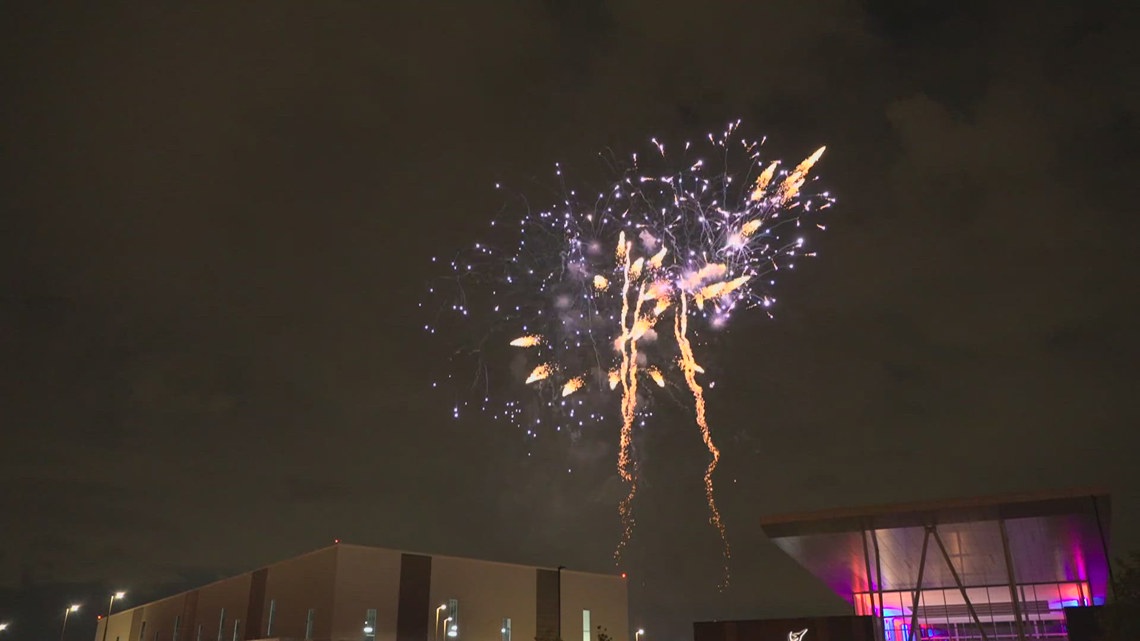
Adhering to these guidelines is not just about avoiding legal repercussions; it’s about protecting lives, property, and the natural beauty that attracts tourists to Texas in the first place.
Experiencing Fireworks in Texas: A Tourist’s Guide
For travelers coming to Texas, the prospect of fireworks can be an exciting part of the holiday experience. While personal use is restricted in most urban areas, the state offers numerous opportunities to enjoy spectacular displays. Understanding the difference between public shows and private use, and how to choose the right accommodation for your preferred experience, can significantly enhance your trip. Texas is a state of grandeur, and its public fireworks displays often reflect this, drawing crowds and creating memorable experiences.
Public Displays vs. Personal Use: What to Expect
Given the stringent local bans on personal fireworks within city limits, most Texas cities host large, professionally managed public fireworks displays. These events are often grand spectacles, drawing thousands of attendees and featuring choreographed pyrotechnics set to music. They are designed to be safe, enjoyable, and accessible, providing a fantastic alternative to lighting your own fireworks.
Major cities like Houston (e.g., Freedom Over Texas), Dallas (e.g., Fair Park Fourth), Austin (e.g., H-E-B Austin Symphony July 4 Concert & Fireworks), and San Antonio (often around the Riverwalk or Hemisfair Park) typically organize impressive shows for the Fourth of July and New Year’s Eve. Smaller towns and coastal cities like Galveston and Corpus Christi also host notable events, often with the added beauty of reflections over water. These public displays are excellent opportunities for families and visitors to safely enjoy the magic of fireworks without the associated risks or legal concerns of personal use. Many events are free and offer additional attractions like live music, food vendors, and family activities, making them comprehensive experiences.
For those determined to engage in personal fireworks use, it’s crucial to plan a trip to a rural area outside city limits and not under a burn ban. This might involve renting a secluded cabin or a private property in the countryside. Always verify local regulations for that specific area before purchasing or planning any personal fireworks display. Remember that even in permissible areas, extreme caution and adherence to all safety guidelines are non-negotiable.
Choosing Your Accommodation for the Best Views and Experience
When planning your Texas holiday around fireworks, your choice of accommodation can significantly impact your experience. If you’re opting for public displays, consider staying in hotels or resorts that offer prime viewing spots. Many urban hotels, particularly those with rooftop bars, balconies, or rooms overlooking major parks or waterways, will advertise special packages or viewing events for Fourth of July or New Year’s Eve. Booking these well in advance is highly recommended, as they tend to sell out quickly.
For example, a hotel along the San Antonio Riverwalk might offer fantastic views of downtown fireworks, or a high-rise hotel in Houston could provide a panoramic vista of the city’s celebration. When booking, inquire specifically about fireworks views and any associated events. Some accommodations might even host their own private viewing parties with exclusive access to prime locations.
If your plan involves personal fireworks in a legal, rural setting, then a villa, apartment, or cabin rental outside city limits would be more appropriate. Look for listings that explicitly state they are in areas where fireworks are permitted and ensure the property has ample clear space for safe discharge. Always communicate your intentions with the property owner or manager beforehand to avoid any misunderstandings. Factors like booking availability, reviews, and proximity to amenities should also be considered, whether you’re planning a luxury travel escape or a more budget travel friendly trip.
The Impact on Texas Travel and Lifestyle
The legal landscape of fireworks in Texas significantly shapes both travel experiences and local lifestyles. From family vacations centered around holiday celebrations to the daily operations of resorts and attractions, the nuanced regulations dictate how people celebrate and how tourism businesses adapt. Understanding these broader implications helps visitors plan more authentically and responsibly. The festive spirit of fireworks is an integral part of Texas culture during specific times of the year, and navigating its legalities allows everyone to partake responsibly.
Family-Friendly Celebrations and Responsible Tourism
For families planning trips to Texas during the Fourth of July or New Year’s Eve, the emphasis on public displays within city limits promotes a safer and often more communal celebration. Instead of the risks associated with personal fireworks, families can enjoy organized events with live entertainment, food, and a sense of community. Attractions like Space Center Houston or the Alamo might not be directly involved in fireworks displays, but their surrounding cities host events that integrate into a broader family vacation itinerary.
This focus on public events also aligns with principles of responsible tourism. By encouraging participation in controlled, professional displays, the state and its municipalities aim to minimize environmental impact, reduce accidental fires, and ensure public safety. Tourists contribute to this by adhering to local laws, respecting burn bans, and choosing safe viewing options. Moreover, many Texas communities rely on these holiday celebrations to boost local economies, making responsible participation a way to support local businesses and cultural traditions. Guides to major Texas cities often highlight these public events as key holiday experiences, helping visitors to plan their itineraries effectively.
From Luxury Retreats to Budget-Friendly Fun: Tailoring Your Trip
The diverse range of options for experiencing fireworks in Texas caters to every type of traveler and lifestyle. For those seeking luxury travel, a stay at a high-end resort or a suite in a metropolitan hotel with a private balcony offering unobstructed views of a city’s public display can be an unforgettable experience. These accommodations often come with amenities like gourmet dining, spa services, and exclusive viewing parties, elevating the celebration to a new level. Some luxury villas or large apartments in permitted rural areas might also offer ample space for a private, yet legal and safe, fireworks show for a discerning group.
On the other end of the spectrum, budget travel enthusiasts can still enjoy the spectacle without breaking the bank. Public parks often serve as prime viewing spots for city-sponsored fireworks, where families can bring picnic blankets and snacks for a festive, cost-effective evening. Camping in state parks or private campgrounds located outside city limits, in areas where fireworks are permitted and no burn ban is in effect, offers a rustic yet exciting way to enjoy personal fireworks, provided all safety precautions are meticulously followed. Even for business stays, if your trip aligns with a major holiday, taking an evening to witness a public fireworks display can be a fantastic way to unwind and experience local culture. The key is thorough research, whether you’re using booking platforms, checking reviews, or doing a direct comparison of options.
In conclusion, while the simple answer to “Are Fireworks Legal In Texas?” is “Yes, generally, but it’s complicated,” the reality is that the Lone Star State offers a myriad of ways to experience the thrill of pyrotechnics. Whether you opt for the grandeur of a city-sponsored display or the intimate excitement of a private show in a permissible rural zone, the emphasis remains on safety, respect for local laws, and responsible celebration. By understanding the state and local regulations, and planning accordingly, visitors and residents alike can ensure their fireworks experiences in Texas are both spectacular and safe.
LifeOutOfTheBox is a participant in the Amazon Services LLC Associates Program, an affiliate advertising program designed to provide a means for sites to earn advertising fees by advertising and linking to Amazon.com. Amazon, the Amazon logo, AmazonSupply, and the AmazonSupply logo are trademarks of Amazon.com, Inc. or its affiliates. As an Amazon Associate we earn affiliate commissions from qualifying purchases.