
Travel to the Sunshine State is a perennial dream for many, drawn by its world-class theme parks, pristine beaches, vibrant cities, and unique natural wonders. From the magical allure of Orlando to the dynamic culture of Miami and the relaxed charm of Key West, Florida offers an unparalleled variety of experiences. Given its immense popularity, questions about flight status, particularly cancellations, are a common concern for travelers. While the immediate answer is rarely a blanket “yes” to all flights to Florida being canceled, understanding the nuances of air travel disruptions is crucial for a smooth journey.
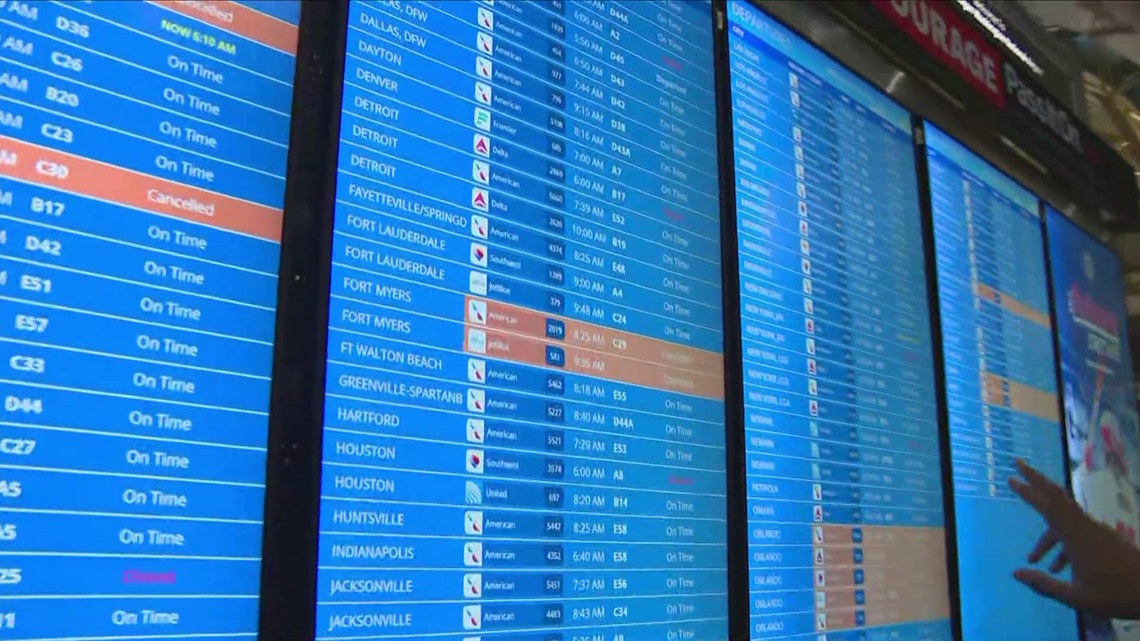
Navigating Flight Disruptions to the Sunshine State
The aviation industry is a complex ecosystem, constantly battling factors that can lead to delays or cancellations. When an article title like “Are Flights To Florida Canceled?” appears, it often reflects a traveler’s anxiety about specific, localized events rather than a system-wide shutdown. Major airports in Florida, such as Miami International Airport (MIA), Orlando International Airport (MCO), Fort Lauderdale-Hollywood International Airport (FLL), and Tampa International Airport (TPA), handle millions of passengers annually. While disruptions are an inevitable part of air travel, they are typically isolated incidents or regional challenges, not a complete halt to all air traffic.
Common reasons for flight cancellations include severe weather (both at the origin, destination, or along the flight path), airline operational issues (such as staffing shortages, mechanical problems, or crew hour limitations), and air traffic control (ATC) restrictions. Extraordinary events, like global pandemics, have certainly demonstrated the potential for widespread cancellations, but these are rare occurrences. For day-to-day travel, a cancellation to Florida is most likely due to a specific weather event impacting a particular airport or a temporary operational challenge with an individual airline. Travelers planning a trip should always remain informed, recognizing that while the vast majority of flights operate as scheduled, preparedness for potential changes is a hallmark of an experienced traveler.
Key Factors Influencing Travel to Florida
Understanding the primary drivers behind potential flight disruptions can help travelers better anticipate and mitigate risks when flying to Florida.
Weather Patterns and Hurricane Season
Florida’s subtropical and tropical climate, while a major draw, also makes it susceptible to specific weather challenges. The most significant concern for air travel is hurricane season, which officially runs from June 1st to November 30th. During this period, tropical storms and hurricanes can form in the Atlantic Basin, posing a direct threat to the state’s Atlantic Coast and Gulf Coast. A direct hit or even the proximity of a major storm can lead to widespread flight cancellations and airport closures, sometimes for several days, as was seen during Hurricanes Irma or Ian. Airlines prioritize passenger and crew safety, and airports must cease operations when winds reach certain speeds or when facilities are at risk. Heavy thunderstorms, common year-round, can also cause localized delays and cancellations, often leading to ground stops or diversions. Travelers planning trips during hurricane season should pay close attention to long-range weather forecasts and advisories.
Airline Operations and Air Traffic Control
Beyond weather, airline-specific operational issues are a frequent cause of flight disruptions. Staffing shortages, particularly among pilots and flight attendants, have been a challenge for many carriers since the pandemic. This can lead to pre-emptive cancellations or last-minute changes if crew members time out or are unavailable. Mechanical issues with aircraft also necessitate delays or cancellations for safety reasons. Furthermore, the intricate network of air traffic control plays a critical role. When an airport experiences high traffic volume, or if there are issues with radar systems or controllers, ATC may implement ground delays or ground stops, affecting flights nationwide, including those bound for Florida. Major hubs like Hartsfield-Jackson Atlanta International Airport (ATL) or Charlotte Douglas International Airport (CLT), which serve as crucial connection points for Florida-bound travelers, can also create ripple effects if they experience delays.
Seasonal Travel Peaks and Demand
Florida is a year-round destination, but certain periods experience significantly higher travel demand. Spring Break (typically March and April), the summer vacation months (June-August), and major holidays like Thanksgiving, Christmas, and New Year’s see a surge in visitors. This increased demand places considerable strain on airline operations, airport infrastructure, and air traffic control. While airlines typically add capacity during these peaks, any unforeseen operational hiccup or adverse weather event can quickly overwhelm the system, leading to a cascade of delays and cancellations. For example, a single canceled flight can lead to a domino effect, impacting subsequent flights and disrupting crew schedules. Flying during these peak periods means a higher likelihood of encountering some form of disruption, simply due to the sheer volume of air traffic and passengers.
Proactive Steps for Florida-Bound Travelers
While flight cancellations can be frustrating, being prepared is the best defense. Proactive measures can significantly reduce stress and improve your chances of a smooth journey to Florida.

Before You Fly: Essential Checks
The digital age offers numerous tools to stay informed about your flight status. Before heading to the airport, always monitor your airline’s official website or mobile app, which typically provides the most up-to-date information on delays or cancellations. Sign up for flight alerts via text or email directly from your airline – Southwest Airlines, Delta Air Lines, American Airlines, United Airlines, Spirit Airlines, Frontier Airlines, and Allegiant Air all offer this service. Independent flight tracking apps like FlightAware or FlightStats can also provide valuable real-time data, including the inbound aircraft’s status. Additionally, check the security wait times published by the TSA for your departure airport and for your destination in Florida, particularly during peak travel times. Familiarize yourself with your airline’s specific cancellation and rebooking policies before you need them.
Protecting Your Trip: Travel Insurance and Flexible Bookings
For any trip to Florida, especially during hurricane season or other volatile weather periods, considering comprehensive travel insurance is a wise investment. Policies can cover trip cancellations, delays, lost luggage, and medical emergencies. Look for policies that offer “cancel for any reason” (CFAR) coverage if you desire the utmost flexibility, though these typically cost more and only reimburse a percentage of your non-refundable costs. Another smart strategy is to book flexible or refundable tickets when possible. While often more expensive upfront, these tickets offer peace of mind, allowing you to change or cancel your flight without incurring hefty fees if your plans or circumstances shift. Even if you book a non-refundable ticket, many airlines offer waivers for changes or cancellations during major weather events, so it’s always worth checking.
Planning for Contingencies
A robust travel plan includes contingencies. Have a mental or written backup plan for what you would do if your flight is significantly delayed or canceled. This might involve researching alternative flights on different airlines, considering different routes, or even exploring ground transportation options if your destination in Florida is reachable by car (e.g., from Jacksonville to Orlando). Keep essential items, such as medication, important documents, chargers, and a change of clothes, in your carry-on luggage. Understand your passenger rights regarding rebooking, compensation for meals, or hotel accommodations if an airline-caused delay or cancellation results in an overnight stay. Knowing these details upfront can significantly ease the stress of an unexpected disruption.
What to Do If Your Flight to Florida is Canceled
Despite all best efforts, flight cancellations can still occur. Knowing how to react calmly and efficiently can make a significant difference in resolving the situation.
Immediate Actions at the Airport
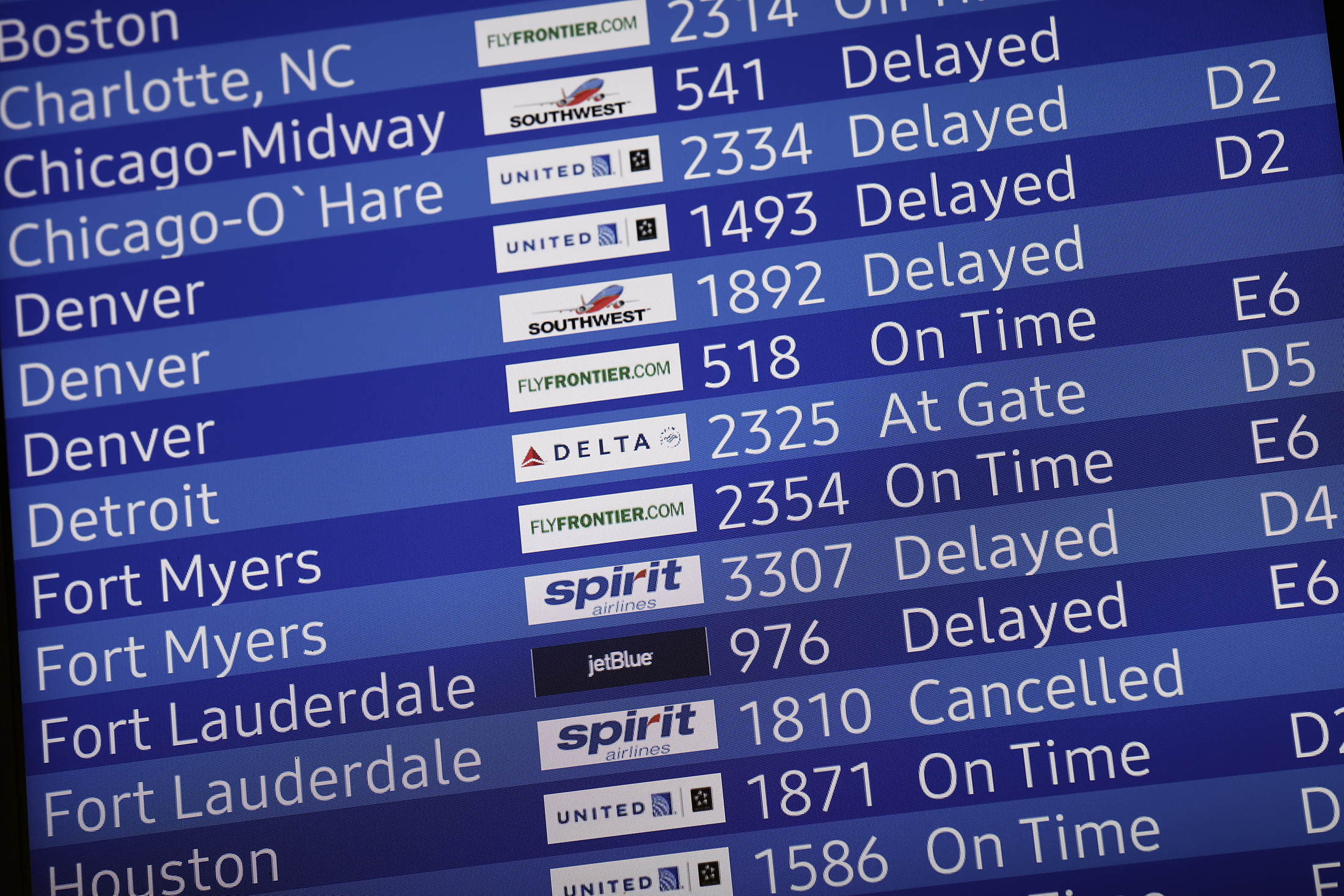
If you discover your flight to Florida has been canceled while at the airport, avoid rushing to the customer service desk queue, which will likely be long. Instead, immediately contact your airline’s customer service via phone, their mobile app, or even social media platforms like X (formerly Twitter). Often, these channels can provide faster assistance and more options for rebooking. Be prepared to explore different rebooking options: ask about the next available flight, flights to a nearby Florida airport (e.g., Sarasota instead of Tampa), or even flights on a partner airline. If the cancellation causes a significant delay or an overnight stay, inquire about meal vouchers, hotel accommodations, or ground transportation, especially if the cancellation is due to an issue within the airline’s control.
Understanding Your Rights and Compensation
It is essential to understand your passenger rights. In the United States, while there are no federal laws requiring airlines to compensate passengers for delays or cancellations, the DOT does require airlines to provide a refund for canceled flights if a passenger chooses not to travel. For significant delays, many airlines, though not legally mandated, will offer compensation in the form of meal vouchers or hotel stays, particularly for controllable cancellations (e.g., mechanical issues, crew shortages). However, for uncontrollable events like weather, airlines are generally not obligated to provide compensation beyond rebooking. Always refer to your specific airline’s “Contract of Carriage” for their precise policies on delays and cancellations.
Alternative Travel Considerations
In situations where rebooking is challenging or significantly delays your arrival, consider alternative travel options. For shorter distances within Florida or from neighboring states, renting a car might be a viable solution if your final destination is accessible. For example, if you’re delayed getting into Jacksonville, but your ultimate destination is Gainesville, a rental car might get you there quicker than waiting for a rebooked flight. While less common for long distances, train or bus services could also be considered for certain routes. If your trip involves specific timed events, such as a cruise departure from Port Everglades or a visit to Walt Disney World Resort, communicate with your tour operator or resort about your delay and potential adjustments to your itinerary.
Ultimately, while the headline “Are Flights To Florida Canceled?” can spark immediate concern, a comprehensive cancellation of all flights to the state is highly improbable outside of extreme, widespread natural disasters. More often, disruptions are localized and temporary. By staying informed, leveraging available resources, purchasing travel insurance, and understanding your options, you can navigate the complexities of air travel with confidence and ensure your journey to Florida remains as sunny as the destination itself.
LifeOutOfTheBox is a participant in the Amazon Services LLC Associates Program, an affiliate advertising program designed to provide a means for sites to earn advertising fees by advertising and linking to Amazon.com. Amazon, the Amazon logo, AmazonSupply, and the AmazonSupply logo are trademarks of Amazon.com, Inc. or its affiliates. As an Amazon Associate we earn affiliate commissions from qualifying purchases.