
The sun-drenched beaches, world-class theme parks, and vibrant cities of Florida beckon travelers from across the globe. However, as with any popular travel destination, and especially in light of recent weather patterns or operational disruptions, prospective visitors often find themselves with a pressing question: “Are flights to Florida cancelled?” This is a crucial inquiry for anyone planning a trip, and understanding the factors that can lead to flight cancellations is key to navigating potential travel disruptions.
While a blanket cancellation of all flights to Florida is rare, specific routes or individual flights can indeed be affected. The primary culprits are typically weather-related events, operational issues with airlines, and, less commonly, significant public health concerns or security threats. For a destination as expansive and diverse as Florida, with major hubs like Orlando International Airport, Miami International Airport, and Tampa International Airport, understanding these potential disruptions is paramount for a smooth travel experience.
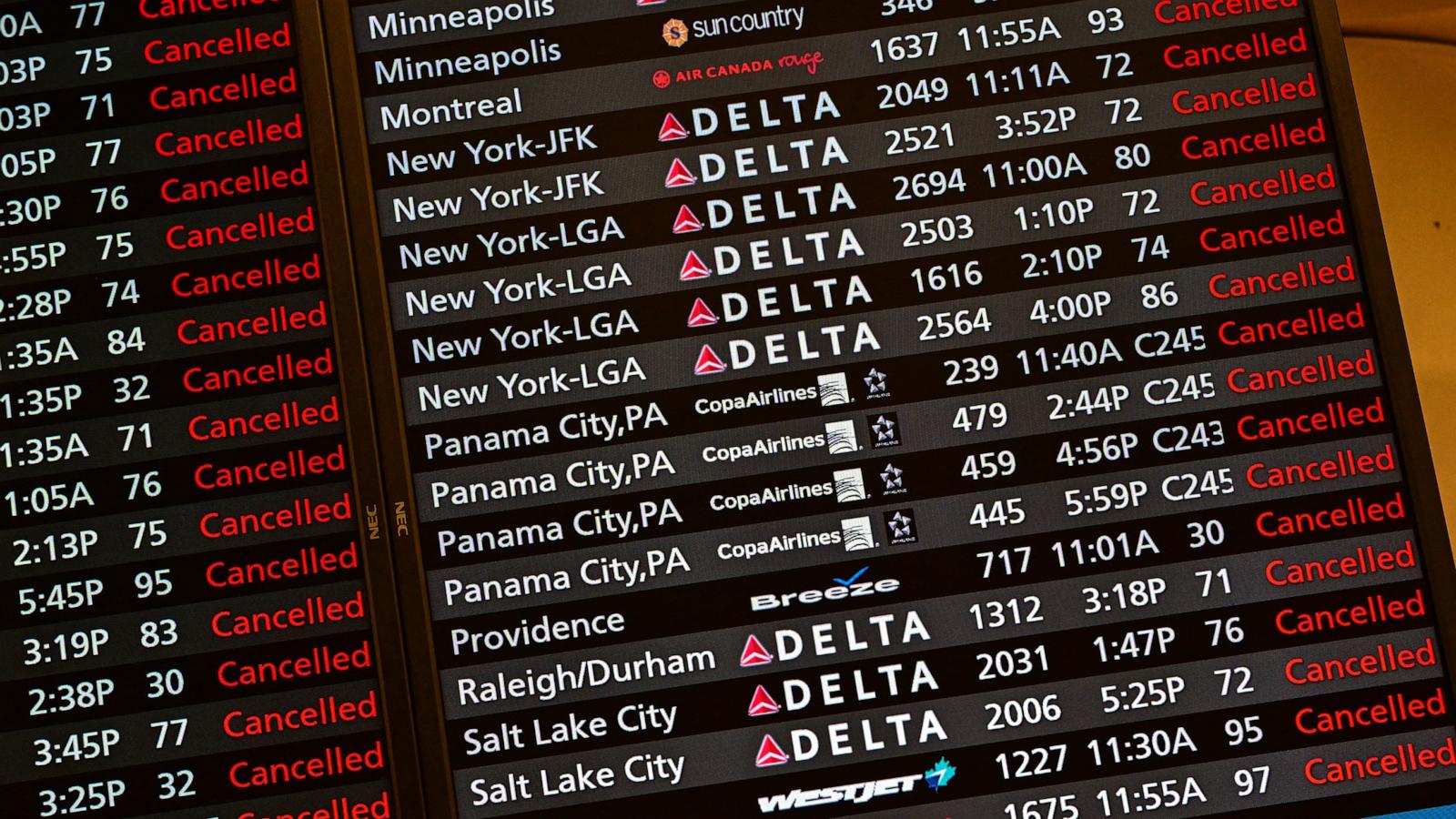
This article delves into the common reasons behind flight cancellations to Florida, how to stay informed about your flight status, and what steps you can take if your travel plans are impacted. Whether you’re dreaming of the thrill of Walt Disney World Resort, the tranquility of the Florida Keys, or the cultural richness of Miami, being prepared for the unexpected is always a wise travel strategy.
Understanding the Causes of Flight Cancellations
The decision to cancel a flight is never taken lightly by airlines. It is usually a measure implemented to ensure the safety of passengers and crew, and to mitigate operational complexities. For a state as susceptible to weather as Florida, weather events are by far the most common reason for cancellations.
Weather-Related Disruptions
Florida’s geographical location makes it a prime target for a variety of weather phenomena that can significantly impact air travel. These range from severe thunderstorms and hurricanes to less dramatic, but still disruptive, fog and heavy rain.
Hurricanes and Tropical Storms
The most impactful weather events for Florida are undoubtedly hurricanes and tropical storms. When a major storm system approaches the state, airports such as Orlando International Airport, Miami International Airport, and Tampa International Airport may issue ground stops or even close entirely for safety reasons. Airlines will preemptively cancel flights days in advance of a storm’s landfall to allow passengers to make alternative arrangements and to prevent aircraft from being stranded in a potentially dangerous area. This proactive approach, while inconvenient, is essential for managing the fallout of such significant weather events. Travelers planning trips during hurricane season (typically June 1st to November 30th) should always monitor weather forecasts and their airline’s advisories closely.
Severe Thunderstorms and Lightning
Even outside of hurricane season, Florida experiences frequent severe thunderstorms, particularly during the summer months. These storms can bring heavy rain, strong winds, and lightning, all of which can create hazardous conditions for flying. Airports may experience temporary ground delays or cancellations due to lightning within a certain radius of the airfield. These disruptions are usually shorter-lived than hurricane-related cancellations, often lasting a few hours. However, they can cause cascading delays throughout an airline’s network, impacting subsequent flights.
Fog and Low Visibility
While less common than in some other regions, dense fog can occasionally affect visibility at Florida’s airports, especially in coastal areas or during specific times of the year. Low visibility can lead to delays as aircraft must adhere to stricter operational limits for takeoff and landing.
Operational Issues and Airline-Specific Problems
Beyond weather, airlines themselves can face operational challenges that necessitate flight cancellations. These issues can affect individual flights or broader networks.
Technical Malfunctions and Aircraft Maintenance
The safety of passengers is paramount, and if an aircraft is found to have a technical issue that cannot be immediately resolved, the flight will be cancelled. This could be due to a minor mechanical problem identified during pre-flight checks or a more significant issue requiring unscheduled maintenance. While frustrating for travelers, these cancellations are a critical safety measure. Airlines have extensive maintenance protocols, and any deviation from them will lead to a grounded aircraft until it is deemed safe for flight.
Crew Shortages and Scheduling Conflicts
Airlines operate with complex crew scheduling systems. Sometimes, unforeseen circumstances such as crew illness, extended duty hours, or last-minute scheduling changes can lead to a shortage of available crew for a particular flight. In such instances, airlines may have no choice but to cancel the flight, as operating without the required crew is not permissible. These situations are becoming more frequent in the post-pandemic travel landscape, where staffing levels are still being optimized.
Air Traffic Control Restrictions and Airport Congestion
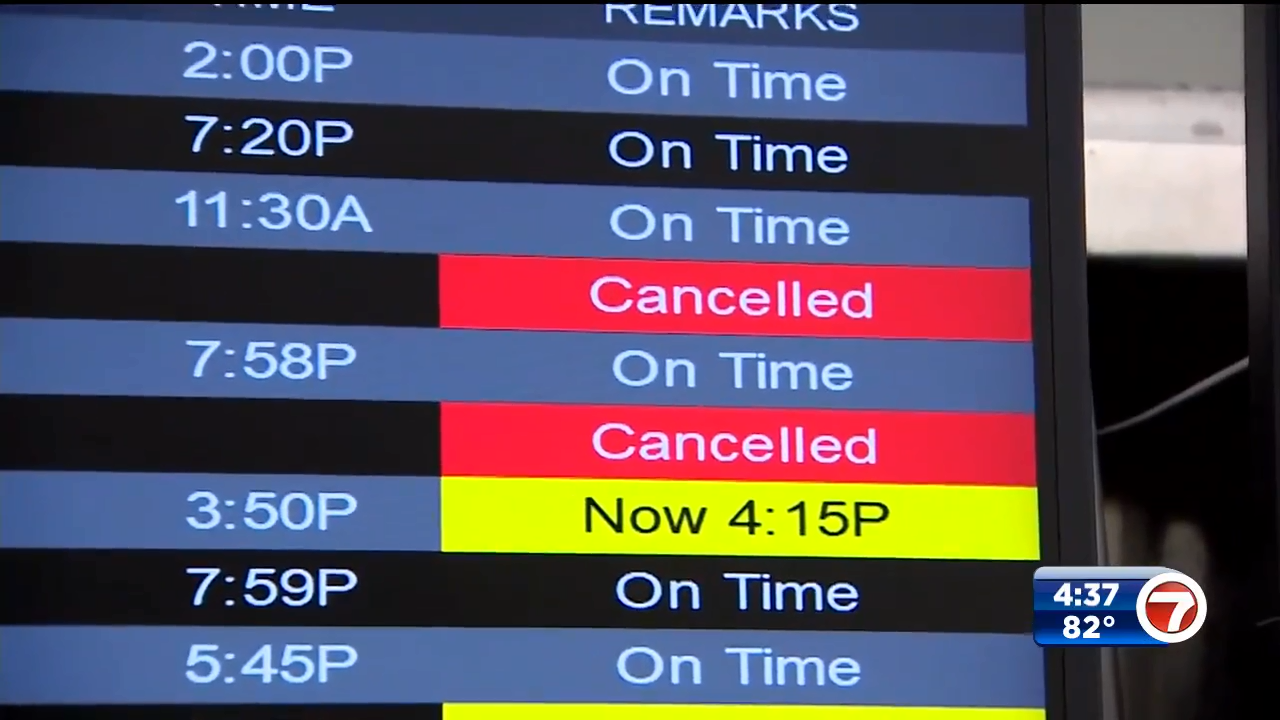
Airports, especially busy ones like those in Florida, can experience congestion. Air traffic control may implement ground delays or flow control measures to manage the volume of aircraft in the air and on the ground, particularly during peak travel times or in response to weather events affecting surrounding airspace. While these are often temporary delays, prolonged congestion can sometimes lead to cancellations if aircraft and crew availability becomes an issue.
Other Factors
While less frequent, other factors can also contribute to flight cancellations.
Security Threats and Public Health Concerns
In rare instances, credible security threats or significant public health emergencies can lead to flight cancellations. Airports and airlines work closely with government agencies to assess and respond to such situations, prioritizing the safety and well-being of all involved.
Staying Informed and Managing Cancellations
The most effective way to address the question “Are flights to Florida cancelled?” is to be proactive in seeking information. Airlines are legally obligated to inform passengers of significant changes to their itinerary, but it is always best to stay ahead of the curve.
Checking Your Flight Status
- Airline Websites and Apps: The most reliable source of information is your airline’s official website or mobile app. Most airlines allow you to check your flight status using your booking reference number or flight number. Set up notifications for your upcoming flight so you receive immediate alerts about any changes.
- Airport Websites: Major Florida airports like Orlando International Airport, Miami International Airport, and Tampa International Airport often have real-time flight status information available on their websites.
- Flight Tracking Websites: Third-party flight tracking websites can also provide up-to-date information on flight status, though it is always advisable to cross-reference with your airline’s official channels.
What to Do When Your Flight is Cancelled
If you receive notification that your flight to Florida has been cancelled, don’t panic. Airlines are required to offer solutions.
Rebooking and Alternatives
- Contact Your Airline Immediately: The first step is to contact your airline. They will typically offer to rebook you on the next available flight to your destination. This might be on their own aircraft or, in some cases, on a partner airline.
- Explore Other Airlines: If the rebooking options offered by your airline are not satisfactory or if you find a significantly better alternative on another carrier, you may be able to request a refund and book a new flight yourself. Be aware of the airline’s policy regarding this.
- Consider Different Airports: If your original destination in Florida has had widespread cancellations, consider if flying into a different, less affected airport might be an option. For instance, if you are heading to the Orlando area, and Orlando International Airport is heavily impacted, flying into Sanford International Airport might be a viable alternative, provided you can arrange ground transportation.
Accommodation and Expenses
- Vouchers and Compensation: Depending on the reason for the cancellation and your location, airlines may offer meal vouchers, hotel accommodation if you are stranded overnight, or other forms of compensation. Familiarize yourself with your passenger rights, as these can vary by region.
- Travel Insurance: If you have travel insurance, review your policy. It may cover expenses incurred due to flight cancellations, such as hotel stays, meals, and the cost of rebooking flights.
- Notify Accommodation Providers: If your flight cancellation means you will be arriving later than planned or might miss your booking entirely, inform your hotel or accommodation provider as soon as possible. This can help you avoid no-show fees and potentially rearrange your reservation. Whether you are staying at a luxury resort like the Fontainebleau Miami Beach or a budget-friendly apartment, communication is key.
Planning for a Hassle-Free Florida Trip
While flight cancellations are a possibility, they do not have to derail your entire Florida adventure. Prudent planning can significantly mitigate the impact of such disruptions.
Best Times to Travel to Florida
The peak seasons for travel to Florida are typically during the winter months (December to April) for pleasant weather and spring break (March to April) for lively crowds, especially in popular destinations like Miami Beach and the theme park areas. Hurricane season, from June to November, presents a higher risk of weather-related cancellations. Traveling during the shoulder seasons, such as late April to early June or September to November (outside of major hurricane threats), can often offer good weather with fewer crowds and potentially lower flight prices, while also reducing the likelihood of severe weather disruptions.
Booking Flexibility
When booking flights, consider opting for airlines and ticket types that offer greater flexibility. Many airlines now offer fare options that allow for free changes or cancellations, albeit at a slightly higher price. If your travel dates are flexible, building that flexibility into your booking can be a lifesaver. Similarly, booking accommodations with flexible cancellation policies can provide peace of mind.

Travel Insurance: Your Safety Net
Investing in comprehensive travel insurance is a wise decision for any trip, and especially so for a destination like Florida which can be subject to weather-related disruptions. Ensure your policy covers trip cancellation, interruption, and delays, as well as any medical emergencies. It can be the difference between a minor inconvenience and a significant financial loss.
In conclusion, while the question “Are flights to Florida cancelled?” is a valid concern, it’s important to remember that a complete shutdown of air traffic to the state is highly improbable. Most cancellations are isolated events due to weather, technical issues, or operational constraints. By staying informed, understanding your rights, and planning with flexibility and insurance in mind, you can navigate potential disruptions and still look forward to an unforgettable experience in the Sunshine State, whether your journey takes you to the theme parks of Orlando, the beaches of Clearwater, or the vibrant nightlife of Ybor City.
LifeOutOfTheBox is a participant in the Amazon Services LLC Associates Program, an affiliate advertising program designed to provide a means for sites to earn advertising fees by advertising and linking to Amazon.com. Amazon, the Amazon logo, AmazonSupply, and the AmazonSupply logo are trademarks of Amazon.com, Inc. or its affiliates. As an Amazon Associate we earn affiliate commissions from qualifying purchases.