
The allure of the Sunshine State extends beyond its pristine beaches and vibrant cities; it encompasses a rich tapestry of wildlife, much of which coexists with human residents and visitors. Among these creatures, the bobcat (Lynx rufus) holds a special place. Often glimpsed in the twilight hours or darting across rural roads, these elusive felines evoke a mix of fascination and caution. Understanding their behavior and potential for danger is crucial for anyone exploring or living in the diverse habitats of Florida. This article delves into the nature of Florida bobcats, their ecological role, and what visitors and residents need to know to ensure safe and respectful interactions with these captivating predators.

Understanding the Florida Bobcat: An Overview
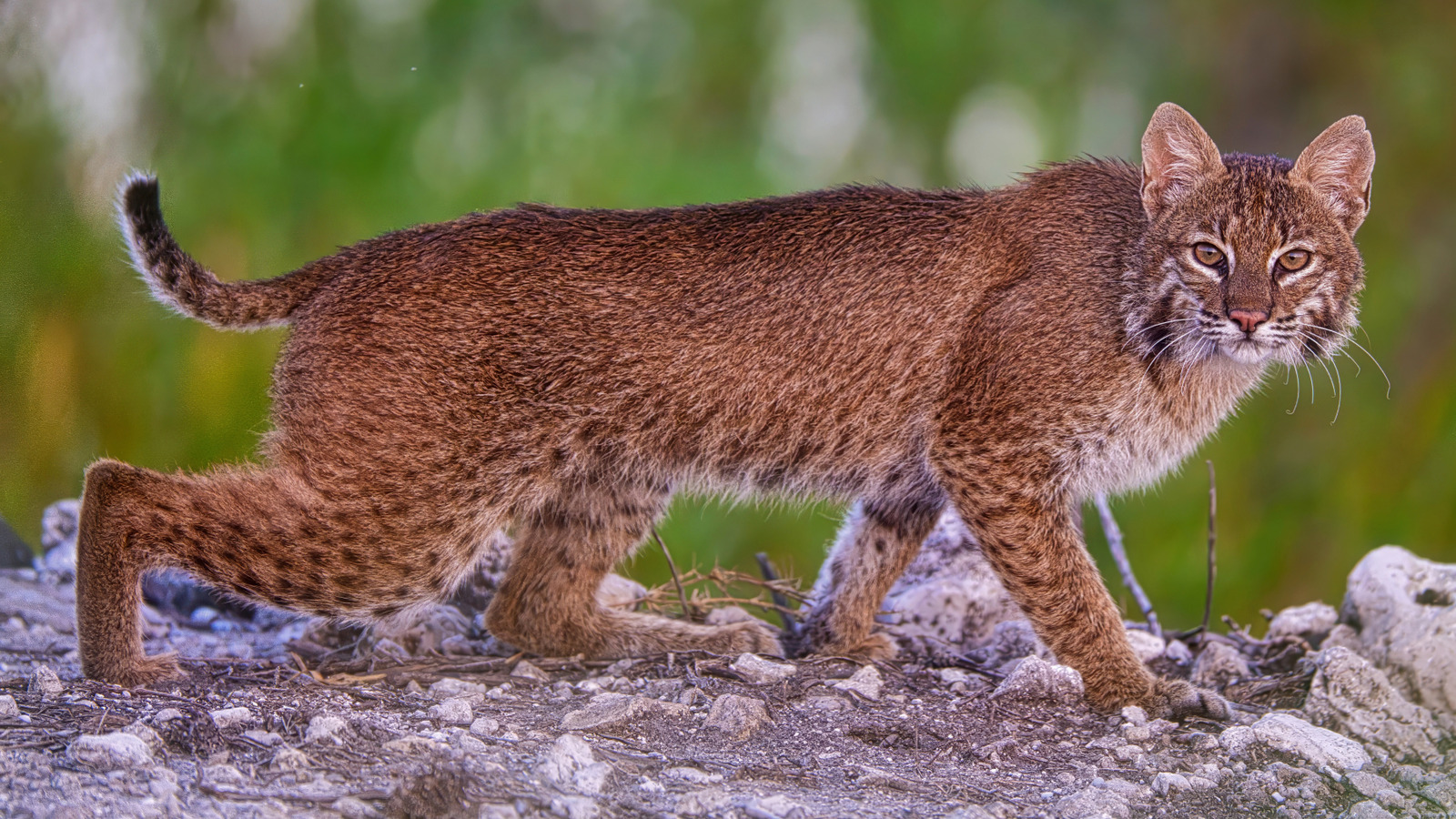
The bobcat is a medium-sized wild cat native to North America, with a significant population thriving in Florida. These animals are masters of adaptation, capable of inhabiting a wide range of environments, from dense forests and swamps to suburban fringes and even agricultural lands. Their distinctive features include tufted ears, a short “bobbed” tail, and a coat that varies in color from tawny to grayish-brown, often marked with dark spots or streaks.
Habitat and Distribution
In Florida, bobcats are found in virtually every county, though their presence is more concentrated in areas with ample natural cover. They favor habitats that provide dense vegetation for hunting and denning, such as palmetto scrub, pine flatwoods, cypress swamps, and the edges of wetlands. Their adaptability means they can also be found in areas adjacent to human development, making encounters more probable, especially in rural and semi-rural settings surrounding popular tourist destinations like the Everglades National Park or the state’s numerous wildlife management areas.
Diet and Hunting Behavior
Bobcats are opportunistic predators, with their diet primarily consisting of small mammals such as rabbits, rodents (mice, rats, squirrels), and birds. They are also known to prey on amphibians, reptiles, and occasionally, larger animals like young deer or fawns when the opportunity arises. Their hunting strategy relies on stealth and surprise. They are typically solitary and crepuscular, meaning they are most active during dawn and dusk, using the low light conditions to their advantage. They stalk their prey, using their keen senses of sight and hearing to locate and ambush.
Reproduction and Social Structure
Bobcats are generally solitary animals, coming together only for mating. Females typically give birth to litters of one to six kittens in secluded dens, often in hollow logs, dense thickets, or rock crevices. The kittens remain with their mother for several months, learning essential survival skills before venturing out on their own. This solitary nature contributes to their elusive behavior, making them difficult to observe in the wild.
The Question of Danger: Assessing Risk
The title “Are Florida Bobcats Dangerous?” is a common query for those who encounter or consider encountering these animals. While bobcats are wild predators, their inherent danger to humans is often overstated. Understanding their behavior patterns and the typical nature of human-bobcat interactions is key to dispelling myths and fostering informed respect.
Human Encounters: Rarity and Context
Direct encounters between humans and bobcats are relatively rare, especially in well-populated areas. When they do occur, bobcats generally exhibit avoidance behavior, preferring to retreat rather than confront. They view humans as much larger and potentially threatening than themselves. Attacks on humans are exceedingly uncommon and often linked to specific circumstances, such as the animal being rabid, cornered, or habituated to human presence through artificial feeding.
Factors Influencing Bobcat Behavior
Several factors can influence a bobcat’s behavior towards humans:
- Habitat Fragmentation: As Florida’s natural landscapes are encroached upon by development, bobcats may be forced into closer proximity with human settlements. This can lead to increased sightings and, in some cases, the potential for conflict.
- Food Availability: If natural prey becomes scarce, bobcats might be tempted to approach areas where easy food sources, such as unsecured garbage cans or pet food left outdoors, are available. This can lead to habituation.
- Disease: Rabies is a significant concern for all wild animals. A rabid bobcat may exhibit unusual behavior, such as appearing disoriented, aggressive, or unusually bold, which can increase the risk of an encounter. It is crucial to avoid any wild animal exhibiting abnormal behavior.
- Denning and Kittens: A mother bobcat protecting her den or young kittens can become defensive if she perceives a threat. However, her primary response would still be to flee if possible, and an aggressive confrontation is a last resort.
Differentiating from Other Wild Cats
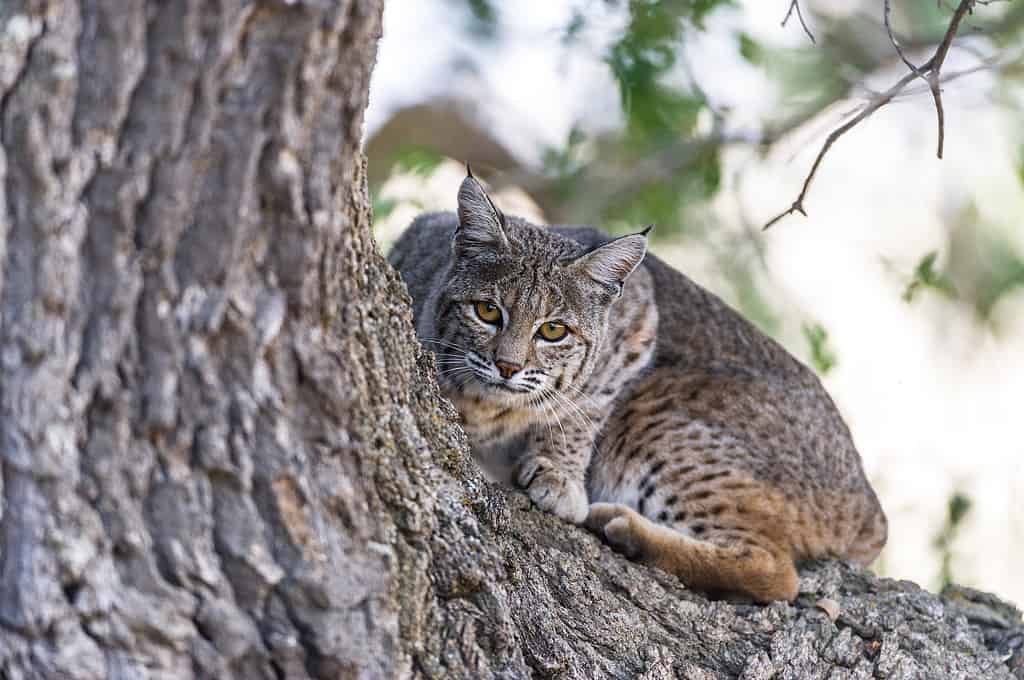
It’s important to distinguish the bobcat from other, more dangerous wild cats. While Florida does not have native populations of cougars (Puma concolor), which are significantly larger and can pose a greater risk, bobcats are much smaller. An adult bobcat typically weighs between 15 to 30 pounds and measures about 2 to 3 feet in length, excluding the tail. This size difference is a critical factor in understanding their potential threat level compared to larger apex predators.
Safe Coexistence: Tips for Residents and Tourists
Living alongside or visiting areas inhabited by bobcats requires awareness and responsible practices. The goal is to minimize potential conflict and ensure the safety and well-being of both humans and wildlife.
Maintaining a Respectful Distance
The golden rule for any wild animal encounter is to maintain a safe and respectful distance. Never approach, corner, or attempt to feed a bobcat. Observe them from afar using binoculars or a camera with a zoom lens. If you encounter a bobcat, remain calm, do not run, and slowly back away while facing the animal. Making loud noises or clapping your hands can often deter them.
Securing Your Property and Pets
For residents in Florida, particularly those in rural or semi-rural areas, several precautions can help prevent negative interactions:
- Secure Garbage: Keep garbage cans tightly sealed and store them in a shed or garage until trash day.
- Pet Food: Do not leave pet food outdoors overnight. Feed pets indoors or bring food bowls in after meal times.
- Outdoor Pets: Keep small pets, such as cats and small dogs, indoors, especially during dawn and dusk when bobcats are most active. If outdoor access is necessary, supervise them closely. Secure outdoor enclosures for pets if possible.
- Lighting: Adequate outdoor lighting can deter bobcats from venturing too close to homes. Motion-activated lights can be particularly effective.
- Fencing: While bobcats are agile climbers, secure fencing can act as a deterrent, especially around gardens or areas where small pets might be kept.
What to Do in Case of an Aggressive Encounter
While rare, if a bobcat exhibits aggressive behavior, such as growling, hissing, or charging, the situation warrants immediate action.
- Make Yourself Appear Larger: Stand tall, wave your arms, and make loud noises.
- Do Not Turn Your Back: Continue to face the animal as you back away.
- Throw Objects: If the bobcat persists, throw rocks, sticks, or other objects at it to scare it away.
- Report the Incident: If a bobcat appears aggressive or exhibits unusual behavior (e.g., acting sick or disoriented), contact your local animal control or wildlife authorities immediately. This is particularly important if you suspect rabies.
The Ecological Importance of Bobcats
Beyond the question of human safety, it is essential to recognize the vital role bobcats play in Florida’s ecosystems. As apex predators, they help regulate populations of their prey species, which in turn influences vegetation and the overall health of the environment.
Population Control and Ecosystem Balance
By preying on rodents and rabbits, bobcats help prevent overpopulation of these species, which could otherwise lead to significant damage to crops and native flora. This regulation contributes to a more balanced and resilient ecosystem. The presence of healthy bobcat populations is often an indicator of a healthy environment capable of supporting diverse wildlife.
Bobcats as Indicators of Environmental Health
The health and abundance of bobcat populations can serve as a bioindicator for the overall health of their habitat. A decline in bobcat numbers can signal underlying environmental issues such as habitat loss, pollution, or a scarcity of prey, prompting further investigation into the ecological well-being of the area. For nature enthusiasts exploring Florida, encountering a bobcat in its natural habitat, from the vast expanses of the Big Cypress National Preserve to the more managed landscapes, is a testament to the state’s successful conservation efforts and the enduring wildness that still thrives.
In conclusion, while bobcats are wild predators, they are not inherently dangerous to humans when respected and given their space. Understanding their nature, habitat, and behavior is key to a safe and enriching experience in Florida’s magnificent natural settings. By practicing responsible coexistence, we can ensure that these captivating animals continue to thrive, contributing to the rich biodiversity of the Sunshine State.
LifeOutOfTheBox is a participant in the Amazon Services LLC Associates Program, an affiliate advertising program designed to provide a means for sites to earn advertising fees by advertising and linking to Amazon.com. Amazon, the Amazon logo, AmazonSupply, and the AmazonSupply logo are trademarks of Amazon.com, Inc. or its affiliates. As an Amazon Associate we earn affiliate commissions from qualifying purchases.