
The Florida Panther, a majestic and elusive subspecies of puma (Puma concolor couguar), stands as an iconic natural landmark of the Sunshine State. Its very existence is intertwined with the wild heart of Florida’s sprawling ecosystems, from the dense pinelands to the vast cypress swamps. For decades, the question of its survival has been a central concern for conservationists, policymakers, and residents alike. The definitive answer is a resounding yes; the Florida Panther is indeed critically endangered, representing one of the most imperiled mammals in the United States. Its precarious status is a stark reminder of the delicate balance between human development and the preservation of irreplaceable natural heritage.
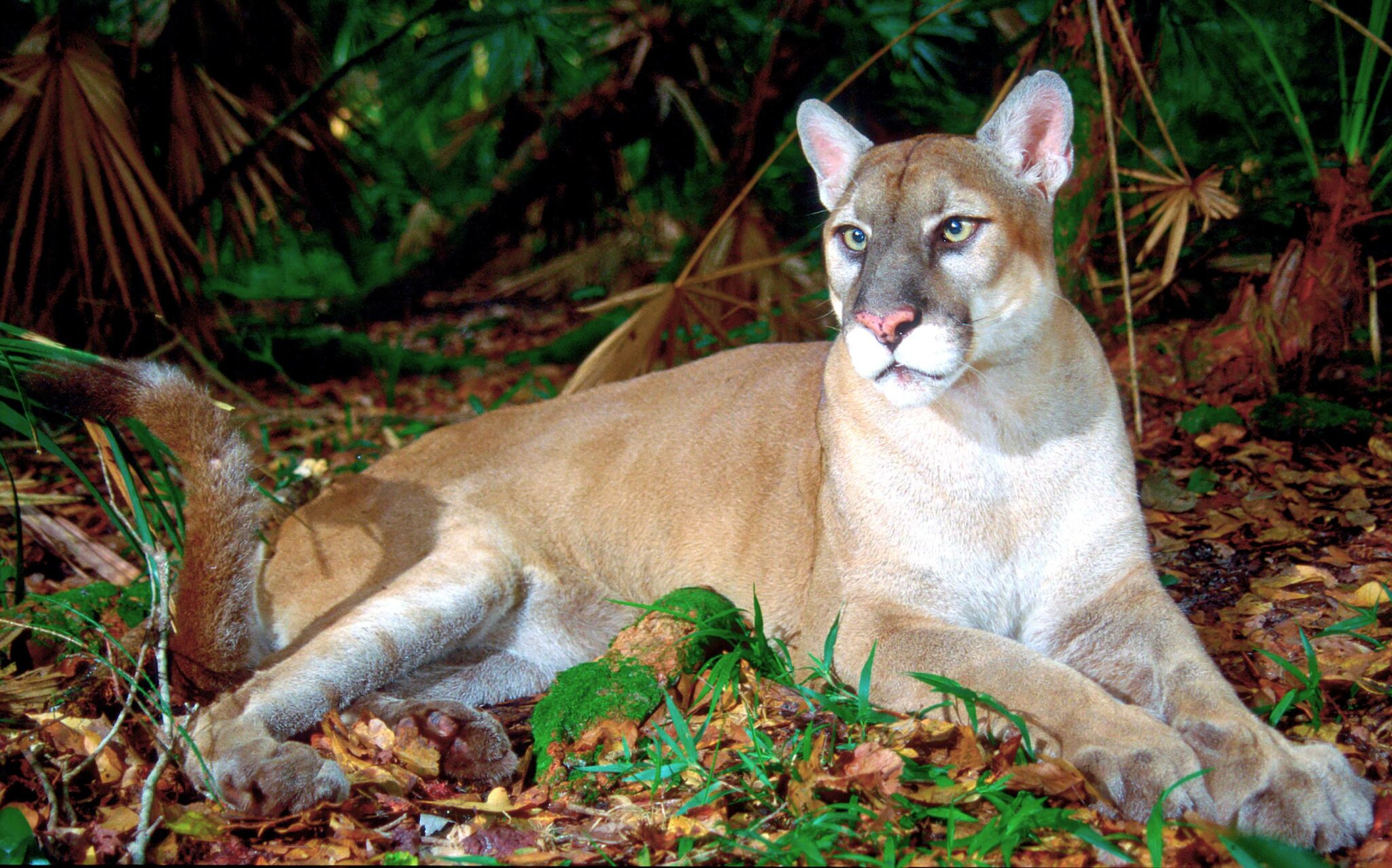
The Precarious State of an Iconic Species
The history of the Florida Panther reflects a dramatic decline, mirroring the fate of many large predators in rapidly developing regions. Historically, these powerful cats roamed across much of the southeastern United States, from eastern Texas and Arkansas through Louisiana, Mississippi, Alabama, Georgia, and Florida. However, by the mid-20th century, persecution, habitat loss, and fragmentation had decimated their populations, isolating the last remaining individuals to a small, shrinking stronghold in Southwest Florida.
The Florida Panther was officially listed as an endangered species by the U.S. Fish and Wildlife Service in 1967, preceding the landmark Endangered Species Act of 1973. At that time, estimates suggested a mere 20-30 panthers remained in the wild, pushing the species to the brink of extinction. This critically low number led to significant genetic issues, including heart defects, undescended testicles, and compromised immune systems, further jeopardizing their ability to recover. In a desperate effort to infuse genetic diversity, eight female panthers from Texas were introduced to the Florida population in 1995. This controversial but ultimately successful genetic restoration project helped to pull the panther back from the immediate precipice, improving health and boosting reproductive rates.
Today, thanks to intensive conservation efforts, the population has shown a remarkable recovery from its lowest point, with current estimates suggesting a population of between 120-230 adults and subadults. While this increase is a testament to dedicated conservation work, the numbers are still far from robust. A healthy, self-sustaining population would require several hundred individuals, spread across a much larger geographic range, underscoring the ongoing classification of the Florida Panther as endangered.
Habitat and Range: A Shrinking Wilderness
The core habitat of the Florida Panther is concentrated in the vast wetlands and forests of Southwest Florida. These magnificent creatures require enormous territories to thrive, with male panthers typically needing 200 square miles and females requiring about 70-80 square miles. Their preferred habitats include a mosaic of upland forests, cypress swamps, and wet prairies, which provide ample prey—primarily white-tailed deer and feral hogs—as well as den sites and cover for hunting.
Key protected areas vital to their survival include:
Everglades National Park
As one of the largest wetlands in the world, Everglades National Park offers a critical sanctuary for the Florida Panther. Its expansive, undisturbed wilderness provides vital habitat for hunting and breeding, although parts of the Everglades can be challenging for panthers due to its very wet conditions. The park serves as a foundational component of the panther’s recovery efforts.
Big Cypress National Preserve
Adjacent to the Everglades, Big Cypress National Preserve is arguably the most crucial stronghold for the Florida Panther. Its diverse landscape of cypress swamps, pinelands, and hardwood hammocks provides ideal conditions, supporting a significant portion of the breeding population. The preserve’s vastness allows panthers the solitude and space they need to hunt and raise their young away from human disturbance.
Fakahatchee Strand Preserve State Park
Known as the “Amazon of North America,” Fakahatchee Strand Preserve State Park is another indispensable piece of the panther’s remaining territory. This elongated cypress swamp is a biodiversity hotspot and a critical corridor for panthers moving between larger protected areas. Its dense vegetation offers excellent cover and abundant prey, making it a key component of the panther’s habitat network.
Beyond these federal and state lands, panthers also utilize private ranches and agricultural lands in Collier County, Lee County, and Hendry County. The ability of these animals to persist in a fragmented landscape often depends on the willingness of landowners to manage their property in a panther-friendly manner, preserving critical habitat linkages and minimizing human-wildlife conflict.

Threats to Survival: The Ongoing Battle
Despite the gains in population numbers, the Florida Panther continues to face severe threats that imperil its long-term survival. These challenges are primarily human-induced, highlighting the ongoing conflict between a rapidly expanding human population and the needs of a wilderness species.
Habitat Loss and Fragmentation
This remains the single greatest threat. Florida’s population continues to grow at an astonishing rate, leading to increasing demand for housing, infrastructure, and agricultural land. The expansion of suburban developments into traditional panther habitats, particularly in counties like Collier and Lee, directly reduces the available land for panthers and further fragments remaining natural areas. This fragmentation isolates populations, prevents gene flow, and makes panthers more vulnerable to other threats.
Vehicle Collisions
As human populations encroach on panther territories, roads traverse their habitats, leading to tragically frequent vehicle collisions. Road mortality is consistently the leading cause of death for Florida Panthers, especially for young, dispersing males searching for new territories. Efforts to mitigate this include the construction of wildlife crossings and underpasses, particularly along heavily trafficked routes like Alligator Alley (I-75), and the implementation of Panther Crossing Signs and reduced speed limits in designated zones. While these measures have helped, the issue persists as development expands.
Genetic Bottleneck and Inbreeding
While the genetic restoration project in the 1990s was a critical success, the population still suffers from a limited gene pool. This makes them susceptible to diseases and reduces their adaptability to environmental changes. Ongoing monitoring and management of genetic health are crucial.
Disease and Prey Depletion
Panthers are vulnerable to various diseases, some of which can be exacerbated by their close proximity to human development and domestic animals. Furthermore, the health of panther populations is directly tied to the availability of their primary prey species, particularly white-tailed deer and feral hogs. Habitat degradation and disease in prey populations can indirectly impact panther numbers.
Conservation Efforts and Future Outlook
The fight to save the Florida Panther is one of the most significant and sustained conservation endeavors in the United States. It involves a complex web of governmental agencies, non-profit organizations, and private landowners working in concert.
Protected Areas and Habitat Restoration
A cornerstone of conservation is the preservation and expansion of protected lands. Initiatives focus on acquiring and restoring critical habitats and establishing wildlife corridors to allow panthers to safely disperse and access new territories. Organizations like the Florida Wildlife Corridor Foundation are instrumental in mapping and advocating for the protection of interconnected natural lands across the state.
Research and Monitoring
The Florida Fish and Wildlife Conservation Commission (FWC) and the U.S. Fish and Wildlife Service conduct extensive research, including tracking panthers using GPS collars, monitoring their health, and studying their reproductive success. This data is vital for informed management decisions and understanding the dynamics of the population.
Public Awareness and Coexistence
Educating the public about panthers and promoting coexistence strategies are essential. As panthers venture closer to human-populated areas, residents need to understand how to minimize conflicts, protect their pets and livestock, and report sightings responsibly. Initiatives often highlight the role of panthers as apex predators in maintaining ecosystem health.

Mitigating Road Mortality
Continued investment in wildlife crossings, fencing, and speed limit enforcement along major highways are ongoing efforts to reduce vehicle-related panther deaths. The effectiveness of these measures is constantly evaluated and refined.
While the Florida Panther has made an inspiring comeback from the brink of extinction, its future remains precarious. The ongoing battle against habitat loss, coupled with the rising human population in Florida, means that the species will remain endangered for the foreseeable future. Its status as a natural landmark, a symbol of wild Florida, underscores the critical importance of sustained conservation efforts to ensure that this magnificent animal continues to roam its native lands for generations to come. The question is not just if they are endangered, but what more can be done to safeguard this irreplaceable part of Florida’s natural heritage.
LifeOutOfTheBox is a participant in the Amazon Services LLC Associates Program, an affiliate advertising program designed to provide a means for sites to earn advertising fees by advertising and linking to Amazon.com. Amazon, the Amazon logo, AmazonSupply, and the AmazonSupply logo are trademarks of Amazon.com, Inc. or its affiliates. As an Amazon Associate we earn affiliate commissions from qualifying purchases.