
Florida, the Sunshine State, is a magnet for travelers worldwide, drawing millions to its pristine beaches, vibrant cities, and world-renowned theme parks. From the magical enchantment of Orlando to the Art Deco splendor of Miami and the historic charm of St. Augustine, there’s an adventure awaiting every type of explorer. However, for those planning a road trip or relying on rental cars to navigate this diverse landscape, a critical question often arises: Are Florida tolls still suspended? The simple and definitive answer is no, they are not. While temporary suspensions have occurred in the past, particularly in response to severe weather events, the state’s extensive toll road network is fully operational, and tolls are being collected as usual. Understanding the nuances of Florida’s toll system is not just a matter of avoiding unexpected fees; it’s a crucial aspect of seamless travel planning, budget management, and ultimately, a stress-free Florida experience.
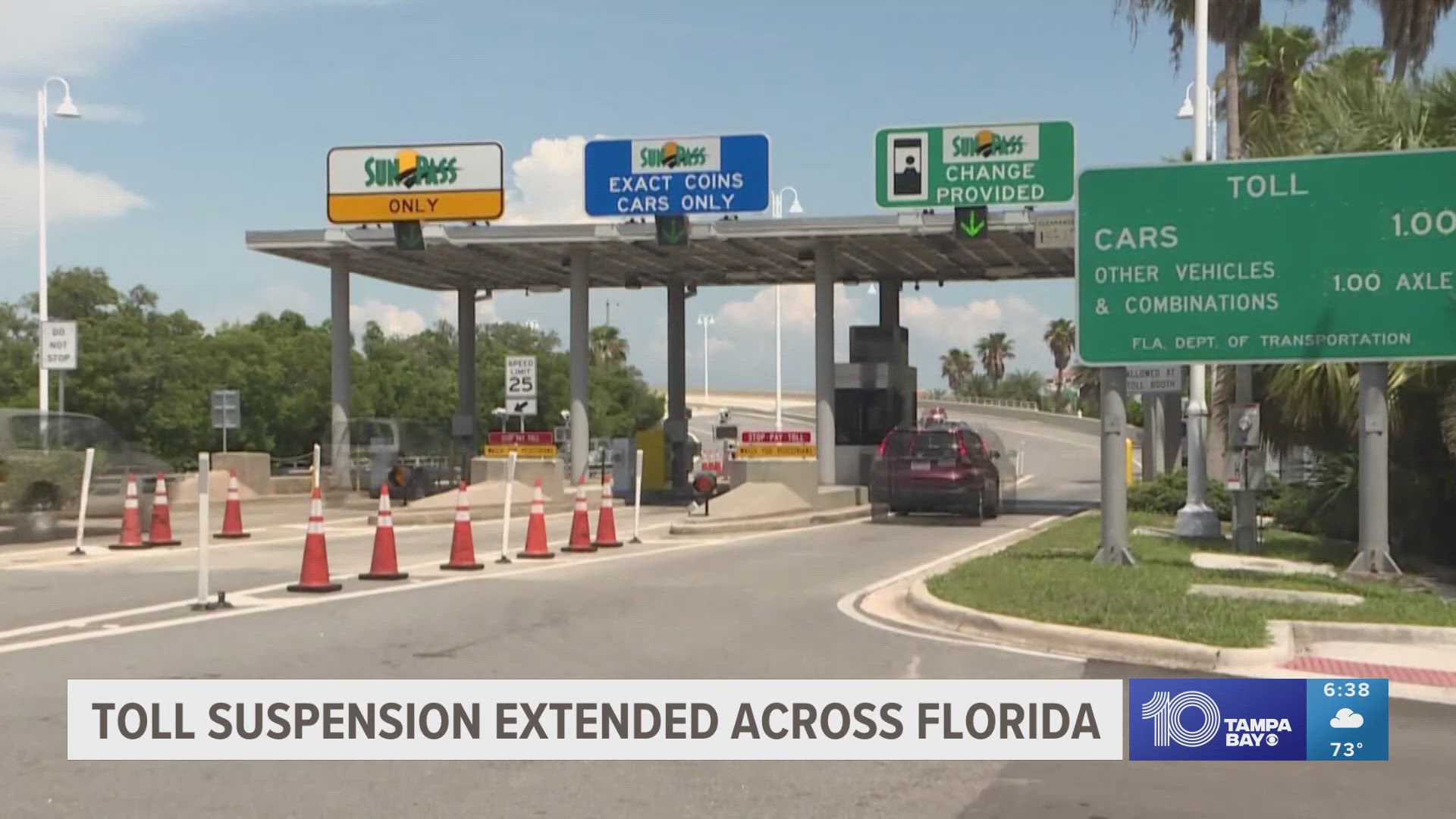
The prospect of toll suspensions can be appealing, offering a momentary reprieve for drivers during times of crisis. These measures are often implemented for a clear, humanitarian purpose: to facilitate evacuations and aid recovery efforts in the wake of natural disasters, such as hurricanes. When catastrophic storms like Hurricane Ian or Hurricane Nicole threatened the state, the governor’s office temporarily waived tolls on various highways. This allowed residents and visitors to evacuate safely without the added burden of payment and ensured emergency responders and vital supplies could move freely. While these suspensions provided significant relief during challenging times, they were always temporary. As the immediate danger subsided and recovery efforts stabilized, tolls were gradually reinstated across the state. Therefore, any current travel plans to Florida must account for tolls as an integral part of the journey. For those seeking to explore Florida’s vast offerings, from its bustling urban centers to its tranquil natural landmarks, a clear understanding of its toll road system is paramount for budgeting, route planning, and enjoying every moment of their trip.
The Ephemeral Nature of Florida Toll Suspensions and Their Reinstatement
The history of toll suspensions in Florida is intertwined with the state’s vulnerability to severe weather. While hurricanes are an unfortunate reality for this coastal haven, the proactive measures taken by state authorities often include the temporary cessation of tolls. These suspensions, though beneficial, are designed with a specific, time-limited purpose.
When and Why Tolls Were Suspended
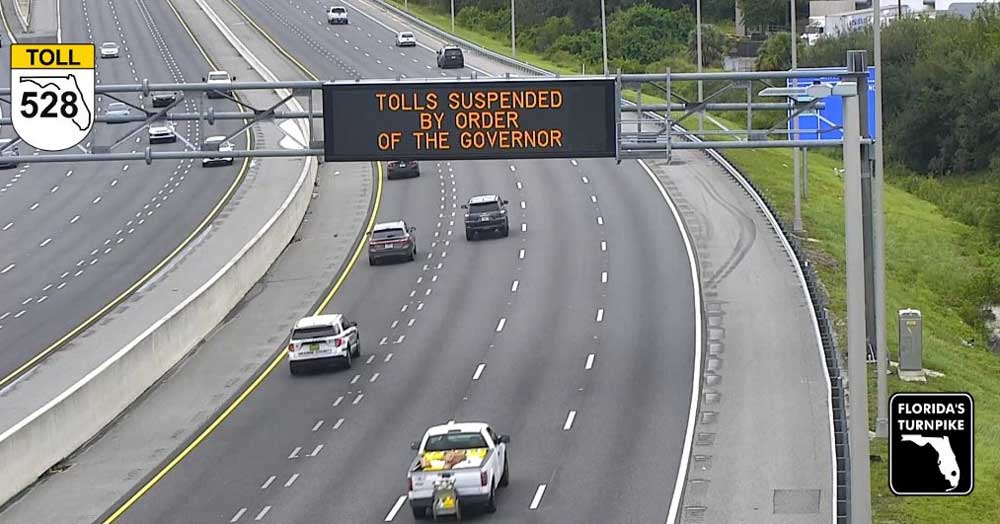
Tolls in Florida have been suspended on several occasions, almost exclusively in response to powerful hurricanes impacting the state. The primary reasons for these suspensions are multi-faceted. Firstly, they facilitate emergency evacuations, allowing residents and tourists alike to leave threatened areas quickly and without financial impediment. This helps to reduce traffic congestion at toll plazas, speeding up the evacuation process. Secondly, suspended tolls aid in post-storm recovery efforts, enabling emergency personnel, utility crews, and supply trucks to access affected regions without delay. This is critical for restoring power, delivering essential goods, and providing medical assistance.
For instance, following the devastating impact of Hurricane Ian in September 2022, Governor Ron DeSantis issued executive orders suspending tolls across a significant portion of the state’s toll roads. This included major arteries such as Florida’s Turnpike, the Sawgrass Expressway, and many roads operated by the Central Florida Expressway Authority and Miami-Dade Expressway Authority. The goal was to remove barriers for those fleeing the storm and later for those returning to assess damage or assist in cleanup. Similarly, when Hurricane Nicole threatened the state just a few weeks later in November 2022, a similar, albeit shorter, suspension was enacted. These measures highlight the state’s commitment to public safety and rapid response during crises.
The Reinstatement of Tolls: Back to Business as Usual
Despite the temporary relief provided by these suspensions, it is crucial for travelers to understand that they are precisely that: temporary. Once the immediate threat of a storm has passed, and the initial phases of recovery are underway, the state systematically reinstates toll collection. This is a necessary step to maintain the infrastructure of the toll road network, fund ongoing construction projects, and ensure the long-term viability of these critical transportation arteries.
For both Hurricane Ian and Hurricane Nicole, the toll suspensions were lifted weeks after the storms had passed. For example, the extended suspension following Hurricane Ian on most affected roads concluded in mid-October 2022. The reinstatement dates are typically announced by state officials, providing clear guidance to residents and visitors. Therefore, as of the current date, all toll roads in Florida are operating under normal conditions, and drivers should expect to pay tolls when utilizing these routes. Failing to account for this can lead to unexpected costs, potential fines, and complications, particularly for those unfamiliar with Florida’s payment systems. For travelers focused on budget travel or meticulously planning their expenses, factoring in tolls from the outset is a non-negotiable part of their travel guide.
Navigating Florida’s Extensive Toll Road Network
Florida’s highway system includes a comprehensive network of toll roads designed to improve traffic flow, connect major urban centers, and provide faster alternatives to congested routes. Understanding this system is key to efficient and enjoyable travel throughout the state, whether you’re heading to the theme parks of Orlando or the pristine beaches of the Gulf Coast.
Understanding Florida’s Major Toll Roads
The backbone of Florida’s toll system is Florida’s Turnpike, a major north-south artery stretching over 300 miles from Miami in the south to just past Orlando in the north, with extensions reaching toward Wildwood. This expressway is a critical link for travelers traversing the peninsula. Beyond the Turnpike, numerous other toll roads serve specific regions:
- Central Florida Expressway Authority (CFX) Roads: Concentrated around the greater Orlando area, these include the Beachline Expressway (SR 528), which connects Orlando International Airport to the Atlantic Coast and Kennedy Space Center Visitor Complex, as well as the East-West Expressway (SR 408) and the Western Beltway (SR 429), vital for reaching attractions like Walt Disney World Resort and Universal Orlando Resort.
- Miami-Dade Expressway Authority (MDX) Roads: In South Florida, roads like the Dolphin Expressway (SR 836) and the Airport Expressway (SR 112) provide crucial access to Miami International Airport, South Beach, and other key destinations within Miami-Dade County.
- I-4 Express: A recently completed project in Orlando, these express lanes offer a faster, dynamic-tolled option for bypassing congestion on the busy I-4 corridor.
- LeeWay and Suncoast Parkway: Serving other parts of the state, such as Southwest Florida and the Tampa Bay area respectively, these roads contribute to the comprehensive network.
These toll roads are designed to offer more direct routes and alleviate congestion on parallel non-tolled alternatives, often saving significant time for travelers. For those on a tight schedule or seeking to maximize their time exploring attractions, these roads are invaluable.
How to Pay Florida Tolls
Paying tolls in Florida has become largely electronic, with fewer and fewer cash lanes available. Understanding the payment options is essential to avoid penalties and ensure a smooth journey.
- SunPass: The Preferred Method
The most convenient and often most cost-effective way to pay tolls is through SunPass. This electronic transponder system allows you to pre-load an account, and the toll is automatically deducted as you drive through toll plazas. There are two main types:- SunPass Mini: A sticker transponder that adheres to your windshield.
- SunPass PRO: A portable transponder that can be moved between vehicles and is interoperable with E-ZPass states.
You can purchase a SunPass transponder at retail locations like Publix, CVS, or Walgreens, or order one online. Activating it and linking it to a credit card ensures seamless travel. SunPass users typically receive discounted toll rates compared to other payment methods.
-
Toll-By-Plate
For vehicles without a SunPass, many toll roads operate on a Toll-By-Plate system. Cameras capture your license plate, and a bill is mailed to the registered owner of the vehicle. This method is less convenient and often more expensive than SunPass, as it includes administrative fees. If you’re driving a rental car, the rental agency will typically have a program that charges you for the tolls (plus their own administration fees), which can add up quickly. -
Cash Lanes (Increasingly Rare)
While once common, cash toll lanes are rapidly disappearing across Florida’s major toll roads. Many expressways, including Florida’s Turnpike and most CFX roads, are now entirely electronic (all-electronic tolling, or AET). Relying on cash can lead to unexpected detours or even violations if you enter an AET segment without a transponder. -
Rental Cars and Tolls
This is a significant consideration for many travelers. Most rental car companies offer their own toll programs, which usually involve an opt-in/opt-out choice. These programs can vary wildly in cost, from a daily fee that covers all tolls to per-toll charges with additional service fees. It’s crucial to understand your rental agreement’s toll policy. Often, the most cost-effective solution for frequent toll road use in a rental car is to bring your own SunPass PRO transponder or purchase a SunPass Mini and register the rental car’s license plate to your personal account for the duration of your trip. Just remember to remove the rental car’s license plate from your SunPass account once you return the vehicle.
The Impact of Tolls on Your Florida Travel Budget and Experience
Tolls, while a necessary component of maintaining Florida’s robust transportation infrastructure, can significantly influence your travel budget and overall experience. Smart planning can help mitigate these costs and ensure your trip remains enjoyable and within financial expectations, whether you’re embarking on a luxury travel experience or sticking to budget travel principles.
Budgeting for Tolls: An Essential Step
Ignoring tolls during your trip planning can lead to unpleasant surprises. A cross-state journey on Florida’s Turnpike or navigating the expressways around Orlando and Miami can accumulate dozens of dollars in tolls, especially if you’re taking multiple routes or driving frequently. For a family trip or a long-term stay, these costs can add up to a considerable sum.
To effectively budget, consider these tips:
- Utilize Online Toll Calculators: Websites like the Florida Turnpike Enterprise and individual expressway authorities (e.g., Central Florida Expressway Authority) often provide online toll calculators. Input your starting and ending points, and they will estimate the costs for your chosen route.
- Map Apps with Toll Options: Navigation apps such as Google Maps or Waze allow you to select options to “avoid tolls.” While this might mean longer travel times, it can help you understand the potential savings and make informed decisions.
- Factor in Rental Car Fees: As mentioned, rental car toll programs can be costly. Researching these fees beforehand and potentially bringing or buying a SunPass is a savvy budget move.
- Set Aside a Contingency: Even with careful planning, unexpected detours or changes in plans can occur. Having a small buffer in your travel budget for unforeseen toll charges is always a good idea. For those on a budget travel adventure, every dollar counts, making pre-trip toll research absolutely vital.
Time vs. Money: Strategic Route Planning
One of the most common dilemmas for travelers is choosing between the speed and convenience of toll roads versus the cost savings of non-tolled alternatives. This decision often depends on your priorities and the specific circumstances of your trip.
- When to Opt for Toll Roads: If you’re on a tight schedule, trying to catch a flight from Miami International Airport, or eager to maximize your time at attractions like Walt Disney World Resort or Universal Orlando Resort, toll roads are often the best choice. They are typically faster, have fewer traffic lights, and bypass congested urban areas. For business stays, where time is often money, toll roads are almost always preferred.
- When to Consider Free Alternatives: If you have ample time, enjoy scenic drives, or are strictly adhering to a budget, exploring non-tolled routes can be a rewarding experience. While slower, these roads sometimes take you through charming small towns, offering a glimpse into local culture and providing opportunities to discover hidden gems or local food establishments that you might miss on the expressway. For example, opting for routes parallel to Florida’s Turnpike for parts of your journey can save money, albeit with added travel time.
The key is to integrate toll information into your route planning from the start. Tools like Google Maps, Waze, and other GPS navigation systems offer options to “avoid tolls,” allowing you to compare travel times and distances for both tolled and non-tolled routes, helping you make an informed decision based on your personal travel style and priorities. This strategic approach elevates your travel experience, ensuring that every mile contributes positively to your Florida adventure.
Maximizing Your Florida Adventure: Beyond Tolls
While understanding Florida’s toll system is crucial for practical travel, the true magic of the Sunshine State lies in its incredibly diverse offerings. From world-class attractions to serene natural landscapes, and from luxurious resorts to charming boutique hotels, Florida truly caters to every type of traveler. By efficiently managing your logistics, including tolls, you free up more time and budget to immerse yourself in the rich experiences this state has to offer.
Exploring Florida’s Diverse Destinations
Florida’s appeal stems from its incredible variety of destinations, each with its own unique character and attractions.
- Orlando, The Theme Park Capital: Home to Walt Disney World Resort, Universal Orlando Resort, and a host of other family-friendly attractions, Orlando promises unforgettable experiences for children and adults alike. Accommodation options here range from sprawling resorts with elaborate amenities to more budget-friendly hotels and vacation rentals, catering to every family trip dynamic.
- Miami, The Vibrant Metropolis: Known for its stunning South Beach, vibrant Art Deco architecture, and rich Latin culture, Miami offers a sophisticated urban escape. Travelers can enjoy world-class dining, bustling nightlife, and explore neighborhoods like Little Havana. Luxury travel is epitomized here with an array of high-end hotels and resorts.
- The Florida Keys, Island Paradise: Stretching southwest from Miami, this chain of islands culminates in the bohemian charm of Key West. It’s a haven for watersports, fishing, and a relaxed, laid-back lifestyle, with unique boutique accommodations and delicious fresh seafood.
- Historic St. Augustine: As the nation’s oldest continuously inhabited European-established settlement, St. Augustine offers a fascinating journey back in time. Explore the Castillo de San Marcos, wander through historic streets, and discover the local culture and architecture that tell tales of centuries past.
- Tampa Bay Area: Offering a blend of city life, cultural attractions like Busch Gardens Tampa Bay, and beautiful beaches, Tampa and its surroundings like St. Petersburg provide a dynamic travel experience.
These destinations, among countless others, highlight Florida’s status as a premier global tourist destination. Each offers distinct experiences, whether you’re seeking thrills, relaxation, history, or natural beauty.
Finding the Perfect Accommodation
With such a vast array of destinations, Florida also boasts an incredible diversity of accommodation options, ensuring every traveler finds their perfect home away from home.
- Hotels and Resorts: From the opulent suites of a Ritz-Carlton Naples or The Breakers Palm Beach to the family-friendly resorts near theme parks like the Loews Portofino Bay Hotel at Universal, Florida’s hotels cater to every budget and style of travel. Many offer incredible amenities, including private beaches, championship golf courses, and elaborate water parks.
- Apartments and Villas: For those planning longer stays, a family trip, or seeking more privacy and space, renting an apartment or villa can be an excellent choice. This is particularly popular in areas like Orlando (for theme park access) and along the Gulf Coast for beach vacations, offering kitchen facilities and multiple bedrooms.
- Boutique Stays: In historic districts like St. Augustine or vibrant neighborhoods like South Beach, boutique hotels offer unique charm, personalized service, and a distinct sense of place.
- Campgrounds and RV Parks: For nature lovers and budget travelers, Florida’s state parks and private campgrounds provide an affordable way to enjoy the state’s natural beauty, from the Everglades to coastal preserves.
Booking accommodation early, especially during peak seasons or for special events, is always advisable. Utilizing comparison websites and reading reviews can help ensure you find the perfect stay that aligns with your travel style and budget.
In conclusion, while the question “Are Florida tolls still suspended?” can be definitively answered with a “no,” this fundamental piece of information is merely the starting point for planning an incredible journey. By understanding Florida’s toll system, choosing the right payment method, and factoring these costs into your overall travel budget, you empower yourself to navigate the state efficiently. This allows you to focus on the myriad of attractions, diverse cultures, and luxurious or adventurous experiences that await you across this magnificent state, making your Florida vacation truly unforgettable.
LifeOutOfTheBox is a participant in the Amazon Services LLC Associates Program, an affiliate advertising program designed to provide a means for sites to earn advertising fees by advertising and linking to Amazon.com. Amazon, the Amazon logo, AmazonSupply, and the AmazonSupply logo are trademarks of Amazon.com, Inc. or its affiliates. As an Amazon Associate we earn affiliate commissions from qualifying purchases.