
The Elusive Giants of the Centennial State
The question of whether grizzly bears roam the wilds of Colorado is one that sparks both excitement and concern. For decades, the grizzly bear, a symbol of untamed wilderness, has been largely absent from the Centennial State. However, recent discussions and a renewed focus on conservation have brought this possibility back into the spotlight. Understanding the historical presence, current status, and potential future of grizzlies in Colorado is crucial for anyone interested in the state’s natural heritage and its vast, rugged landscapes.
A Legacy of Grizzlies in Colorado
Historically, grizzly bears ( Ursus arctos horribilis) were an integral part of the Colorado ecosystem. These magnificent creatures once inhabited a wide range of environments across the state, from the dense forests of the Rocky Mountains to the alpine meadows and even the lower foothills. Their presence was documented by early explorers and settlers, and they played a vital role in shaping the natural landscape through their foraging habits and interactions with other wildlife.

The decline of the grizzly bear population in Colorado began in earnest during the late 19th and early 20th centuries. As human settlement expanded, driven by mining, agriculture, and logging, grizzly bear habitat was fragmented and destroyed. Bears were also subject to hunting and eradication efforts, often perceived as a threat to livestock and human safety. By the mid-20th century, the grizzly bear was declared functionally extinct in Colorado, with no confirmed sightings for many years.
The Current Landscape: Signs of Hope and Lingering Questions
Despite their official absence for so long, whispers and occasional unconfirmed reports of grizzly bear sightings in Colorado have persisted. These reports, while often anecdotal, fuel the hope that a re-establishment of the species might be possible. Conservationists and wildlife biologists point to the vastness of the remaining wilderness areas in the state as potential refuges for grizzly bears, particularly in the remote regions of the western San Juan Mountains and the Uncompahgre National Forest.
The primary barrier to grizzly bear reintroduction or natural recolonization is the lack of a connected, viable population nearby. The closest established grizzly bear populations are in the Greater Yellowstone Ecosystem (which includes Yellowstone National Park and Grand Teton National Park) and the Northern Continental Divide Ecosystem in Montana. These populations are geographically isolated from Colorado, with significant human-dominated landscapes, including major highways and agricultural lands, acting as formidable obstacles to natural dispersal.
However, scientific advancements and a growing understanding of wildlife corridors offer a glimmer of hope. Wildlife managers are increasingly looking at landscape connectivity as a critical factor in species recovery. If suitable habitat can be maintained and enhanced, and if human-caused mortality can be minimized, the possibility of grizzlies making their way back to Colorado over time, perhaps through natural expansion from more distant populations, cannot be entirely dismissed.
Conservation Efforts and the Path Forward
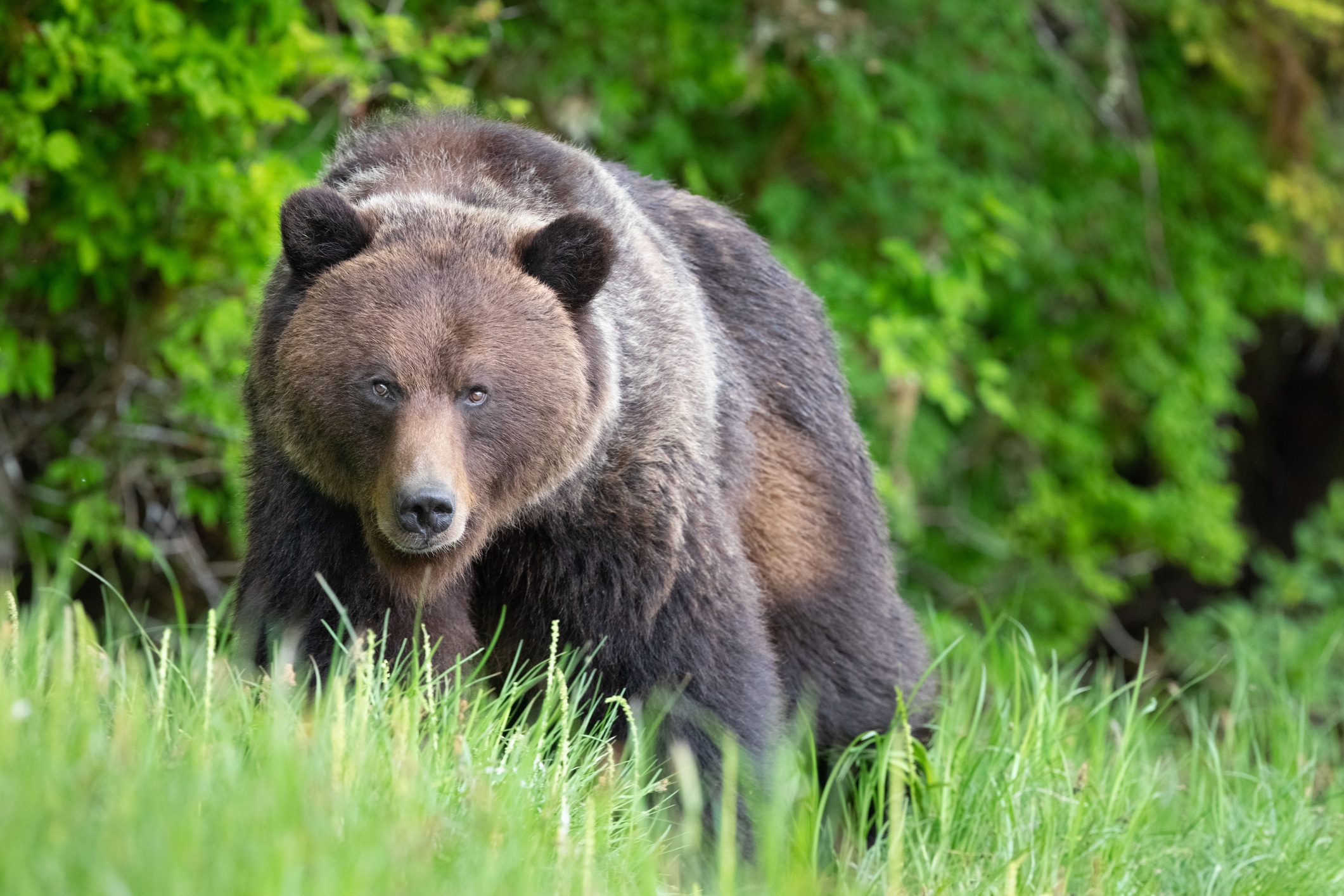
The question of grizzly bears in Colorado is not just about their presence; it’s about the commitment to conservation that their return would necessitate. For grizzlies to thrive, they require vast tracts of undeveloped wilderness, a rich food base, and minimal human conflict. This means protecting existing habitats and ensuring that any future reintroduction or recolonization is managed with careful planning and community engagement.
The Colorado Parks and Wildlife (CPW) agency, in conjunction with federal agencies like the U.S. Fish and Wildlife Service, plays a pivotal role in wildlife management. While CPW has not officially designated grizzly bears as a current species in Colorado, they are actively involved in discussions about the feasibility and potential impacts of their return. This includes studying potential habitat suitability, assessing food resources, and evaluating the socio-economic implications for local communities.
Public opinion and stakeholder involvement are also critical components of any potential grizzly bear recovery plan. Many residents of Colorado have strong opinions on the matter, ranging from enthusiastic support for rewilding the state to deep-seated concerns about safety and livestock. Educational outreach, public forums, and collaborative planning sessions are essential to build consensus and ensure that any conservation efforts are met with understanding and cooperation.
The Role of Habitat and Corridors
The success of any grizzly bear presence in Colorado hinges on the availability and connectivity of suitable habitat. Grizzlies require large, contiguous areas with diverse food sources, including berries, roots, insects, fish, and carrion. They also need secure denning sites and space to roam and forage without excessive human disturbance. Protecting these vital landscapes from development and ensuring that wildlife corridors remain open are paramount.
Efforts to restore and protect these wild spaces are ongoing. Initiatives focused on conserving national forests, wilderness areas, and other public lands are crucial. Furthermore, understanding and maintaining wildlife movement corridors—natural pathways that allow animals to travel between different habitats—is essential. These corridors can facilitate dispersal, gene flow, and the long-term survival of wide-ranging species like the grizzly bear.
Managing Human-Wildlife Conflict
If grizzly bears do return to Colorado, either through natural dispersal or a managed reintroduction, effectively managing human-wildlife conflict will be paramount. This involves a multi-faceted approach:
- Bear-Proofing: Implementing strict regulations and educational programs for securing attractants such as garbage, pet food, and bird feeders in bear country.
- Livestock Protection: Promoting and supporting the use of non-lethal deterrents like guard animals, electric fencing, and hazing techniques to protect livestock.
- Public Education: Informing residents and visitors about bear safety, how to avoid encounters, and what to do if they see a bear. This includes understanding bear behavior and respecting their space.
- Monitoring and Research: Continuously monitoring bear populations and their movements to inform management decisions and to better understand their ecological role.
The Future of Grizzlies in the Rockies
While grizzly bears are not currently a recognized species in Colorado, the conversations and scientific considerations surrounding their potential return highlight a broader commitment to the preservation of wilderness and biodiversity. The dream of hearing the huff of a grizzly or spotting its tracks in the vast Colorado landscape remains a potent symbol of a wilder, more natural state.
Whether through natural expansion from neighboring populations or via a carefully managed reintroduction program, the possibility, however remote, fuels ongoing debate and dedicated conservation work. The story of the grizzly bear in Colorado is a reminder that the wild can be resilient, and that with concerted effort and a shared vision, the possibility of coexistence with these iconic predators might, one day, become a reality once again. The wilderness of Colorado remains a place of profound natural beauty, and the potential return of its largest predator would undoubtedly add another layer to its wild allure, demanding careful stewardship and a deep respect for the natural world.
LifeOutOfTheBox is a participant in the Amazon Services LLC Associates Program, an affiliate advertising program designed to provide a means for sites to earn advertising fees by advertising and linking to Amazon.com. Amazon, the Amazon logo, AmazonSupply, and the AmazonSupply logo are trademarks of Amazon.com, Inc. or its affiliates. As an Amazon Associate we earn affiliate commissions from qualifying purchases.