
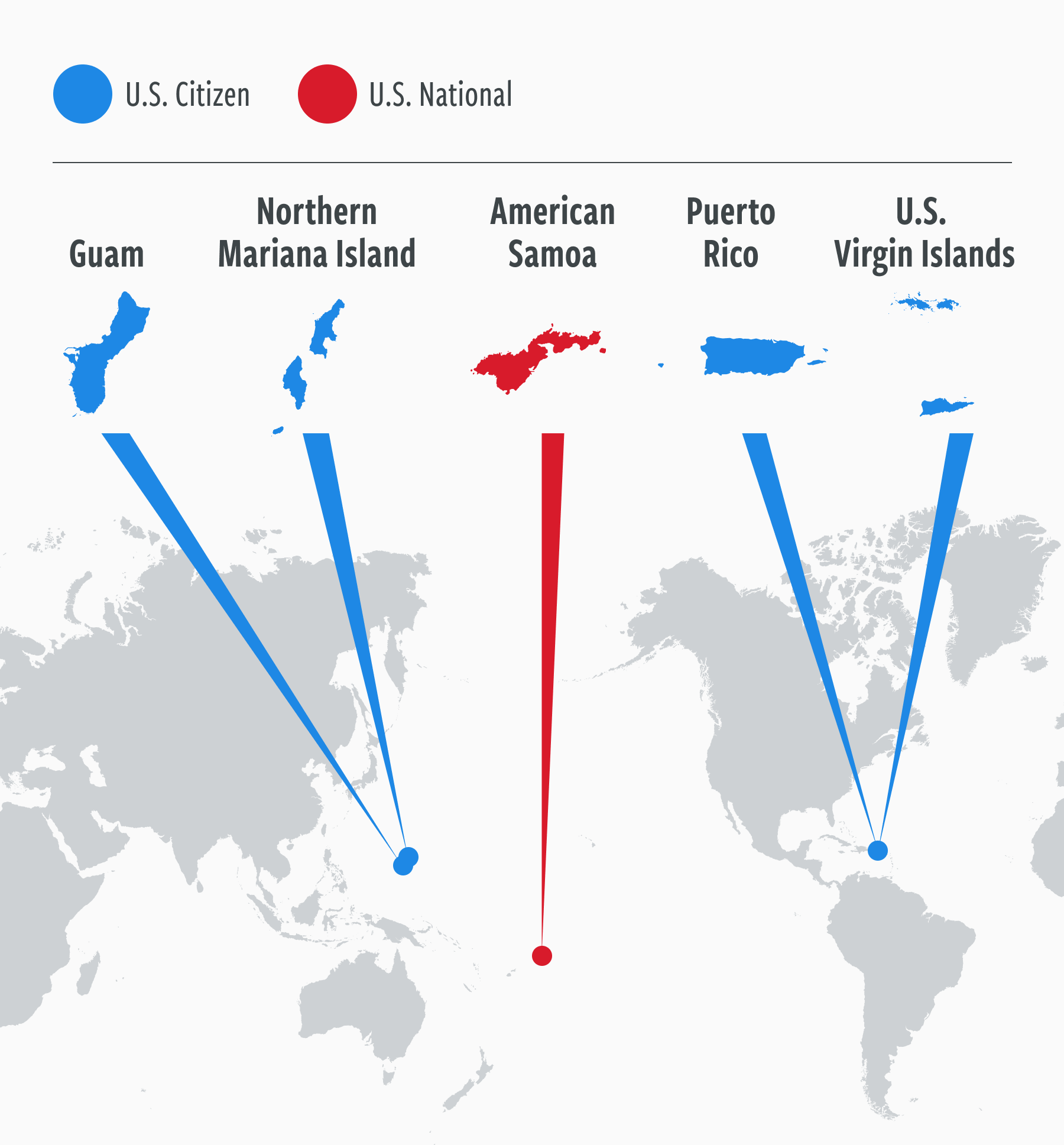
The question of whether citizens of Guam are also US citizens is a common point of curiosity, particularly for travelers, those interested in US territories, or individuals considering relocation. The simple answer is an emphatic “yes.” However, the journey to this status and the nuances of what it entails offer a fascinating glimpse into the unique relationship between this Pacific island territory and the mainland United States. Understanding this legal framework is crucial for anyone planning to visit, live in, or simply learn more about Guam, informing everything from entry requirements to local culture and the overall experience of this distinct American outpost.
The Guam – US Relationship: A Brief History and Legal Framework
The current status of Guam as an unincorporated territory of the United States is rooted deeply in history and solidified by critical legislation. Its journey from a Spanish colonial possession to an integral part of the American family is a tale of strategic importance and evolving governance.
From Spanish Colony to US Territory
For over three centuries, Guam was a Spanish colony, first claimed in 1565 and serving as a vital stop for the Manila galleon trade. This long period imprinted a significant Spanish influence on the island’s culture, religion, and architecture, elements of which are still visible today. The geopolitical landscape of the late 19th century, however, drastically altered Guam’s fate. In 1898, following the Spanish-American War, Spain ceded Guam to the United States under the Treaty of Paris. This acquisition marked a pivotal moment, transforming Guam into a strategic coaling and communication station for the US Navy in the Pacific. For decades, the island was administered directly by the US Navy, with its inhabitants living under a military government. The island’s strategic value only intensified during World War II, when it was occupied by Japan for nearly three years, enduring immense hardship before being recaptured by American forces.
The Organic Act of Guam (1950)
The post-World War II era brought significant changes for Guam. Recognizing the need for civilian governance and greater self-determination, the US Congress passed the Organic Act of Guam in 1950. This landmark legislation established a civilian government for the island, providing for a bill of rights, a local legislature, and a non-voting delegate to the US House of Representatives. Crucially, the Organic Act also granted US citizenship to virtually all persons born in Guam on or after April 11, 1899, and to their children born outside the United States.
This act solidified Guam’s status as an “unincorporated territory.” This designation means that while it is part of the United States and its residents are US citizens, the entire US Constitution does not automatically apply to the territory. Instead, only “fundamental” constitutional rights extend to Guam, and Congress retains ultimate authority over the island. This unique legal standing is central to understanding both the privileges and the limitations faced by Guam’s citizens.
Understanding Guam Citizenship and its Implications
The granting of US citizenship to Guam residents has profound implications for their daily lives, their ability to travel, and their relationship with the broader United States. It aligns them closely with their mainland counterparts in many respects while maintaining distinct territorial differences.
Birthright Citizenship and US Nationality
As a direct consequence of the Organic Act of Guam, individuals born in Guam are indeed US citizens by birthright, identical to someone born in, say, California or New York. This means they are automatically granted all the fundamental rights and privileges that come with US citizenship. They carry US passports, which allows them to travel freely to any US state or territory without a visa, and internationally as recognized US nationals. This seamless integration into the national fabric is a significant aspect of Guam’s identity. For those born before the Organic Act, specific provisions allowed for collective naturalization, ensuring that generations of Guamanians could embrace their US citizenship.
Rights and Responsibilities: Similarities and Differences
While Guam citizens share many rights and responsibilities with mainland US citizens, there are notable distinctions stemming from Guam’s territorial status.
Similarities:
- Military Service: Guamanians are eligible for and serve in the US Armed Forces, with a distinguished history of military contributions.
- Federal Laws: Most federal laws passed by Congress apply to Guam, ensuring a degree of legal consistency across the nation.
- Social Security and Medicare: Residents contribute to and receive benefits from federal programs like Social Security and Medicare.
- Federal Aid: Guam receives federal funding for various programs, including infrastructure, education, and healthcare.
- Travel: As mentioned, they carry US passports and can travel freely throughout the US without immigration checks.
Differences:
- Presidential Voting: Perhaps the most significant difference is that Guam citizens cannot vote in US presidential elections, despite being US citizens. They can, however, vote in presidential primaries.
- Congressional Representation: While Guam has an elected delegate to the US House of Representatives, this delegate holds limited voting rights, primarily in committees, and cannot vote on the final passage of legislation on the House floor.
- Taxation: Guam operates under a “mirror image” tax system, meaning its local government levies income taxes using the same rules and rates as the federal income tax system. However, residents pay their taxes to the Guam government, not directly to the US Internal Revenue Service.
- Application of Laws: Certain federal laws may be applied differently, or not at all, to unincorporated territories, reflecting the plenary power of Congress over them.
These distinctions highlight the unique political status of Guam as it balances its American citizenship with a degree of self-governance under federal oversight.
Travel to Guam: What US Citizens Need to Know
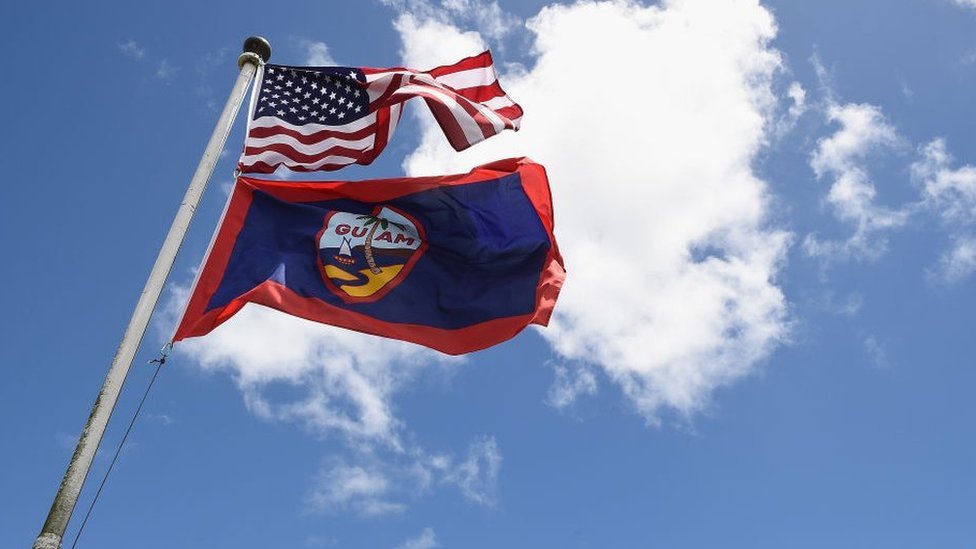
For travelers from the mainland United States, visiting Guam is a straightforward process, largely mirroring domestic travel, yet with some important nuances, especially concerning documentation. For international visitors, Guam functions as any other US port of entry.
Entry Requirements for Mainland US Citizens
One of the most appealing aspects of traveling to Guam for US citizens is the relative ease of entry. If you are a US citizen traveling directly from the US mainland or another US territory (like Hawaii or Puerto Rico), a passport is not strictly required. A valid government-issued photo identification, such as a driver’s license, alongside proof of US citizenship (like a birth certificate), is generally sufficient for air travel. The travel experience is akin to a domestic flight, with no need to clear US Customs and Border Protection upon arrival or departure from Guam.
However, it is highly recommended that US citizens carry a valid US passport when traveling to Guam. This recommendation is particularly crucial if your itinerary involves any transit through foreign countries or if there’s a possibility of unforeseen circumstances (such as an emergency landing in a foreign country) that could require international travel documentation. While the direct flight from the mainland is essentially domestic, the geographic location in the Pacific means that international airspace or waters might be traversed, and a passport provides the most secure and universally accepted proof of citizenship.
For International Travelers
For non-US citizens, Guam operates under the standard US immigration and customs regulations. This means that international visitors will need the same documentation required for entry into any other part of the United States. This typically includes:
- A valid passport.
- A valid US visa, if required for your nationality.
- If eligible, an approved ESTA (Electronic System for Travel Authorization) under the Visa Waiver Program.
Upon arrival at Antonio B. Won Pat International Airport in Guam, international travelers will go through US Customs and Border Protection checks, just as they would at any major airport on the mainland. It’s essential for all international visitors to ensure they meet these requirements before planning their trip to avoid any entry issues.
Experiencing Guam as a US Territory
Visiting Guam offers a unique travel experience, blending the familiar comforts of America with the rich tapestry of Pacific island culture and history. This blend creates a destination that is both accessible and exotic, catering to a wide range of interests from historical exploration to pristine beach relaxation.
A Blend of Cultures
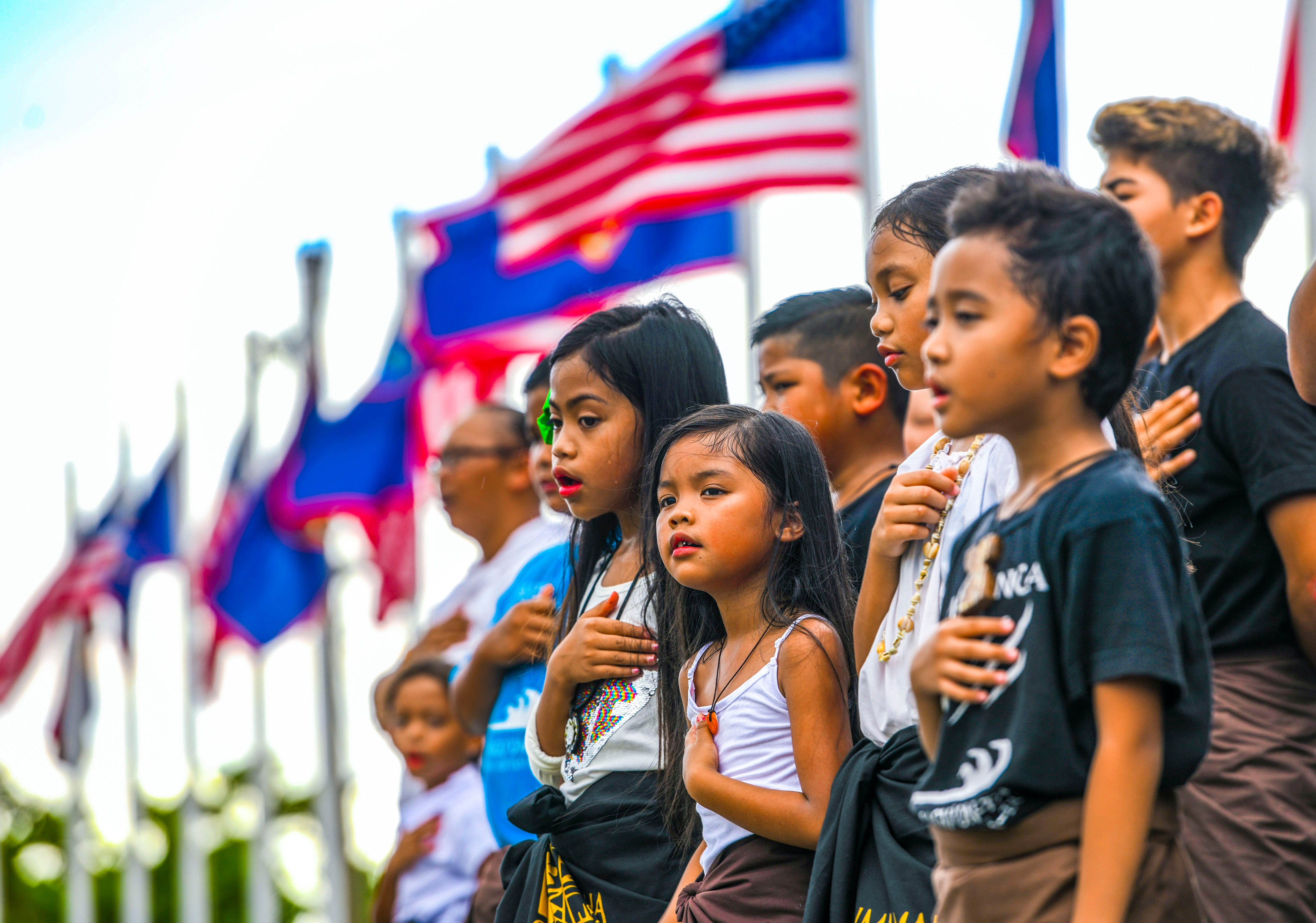
Guam is a fascinating melting pot of cultures, primarily shaped by its indigenous Chamorro heritage, centuries of Spanish colonization, and over a century of American influence. The vibrant Chamorro people, the island’s original inhabitants, maintain their traditions through language, cuisine, dance, and respect for their ancestral lands. While English is the official language and widely spoken, the melodic Chamorro language is still heard and actively promoted. Spanish influences are evident in the island’s architecture, place names, and religious practices, while American culture is reflected in everything from the currency (the US dollar) and legal system to popular sports and fast-food chains. This unique cultural synthesis provides a rich and engaging experience for visitors, offering insights into a truly distinct American identity.
Travel and Tourism Highlights
Guam boasts a diverse array of attractions that appeal to various travelers. The island is renowned for its stunning natural beauty, particularly its clear turquoise waters and vibrant coral reefs, making it a premier destination for diving, snorkeling, and other water sports.
- Tumon Bay: This bustling hub is the heart of Guam’s tourism, lined with resorts, restaurants, duty-free shopping, and pristine beaches perfect for swimming and sunbathing.
- Two Lovers Point: A breathtaking cliffside lookout offering panoramic views of Tumon Bay and the Philippine Sea, steeped in a poignant Chamorro legend.
- Historical Sites: Visitors can explore remnants of Guam’s complex past at sites like the War in the Pacific National Historical Park, Fort Nuestra Señora de la Soledad, and ancient latte stone sites.
- Culinary Delights: The island’s cuisine is a flavorful fusion of Chamorro, Spanish, Asian, and American influences, with dishes like red rice, kelaguen, and fresh seafood being local favorites.
Beyond the attractions, the practicalities of travel are largely familiar to US citizens. The US dollar is the official currency, US postal services are available, and the electrical outlets are standard American two or three-prong types. This familiarity, combined with the exotic Pacific setting and unique cultural offerings, makes Guam an intriguing destination for both seasoned travelers and those seeking a taste of America in an unexpected tropical locale.
In conclusion, the answer to “Are Guam citizens US citizens?” is unequivocally yes. This status, granted by the Organic Act of Guam in 1950, means that those born in the territory hold US passports and share many rights and responsibilities with their mainland counterparts. While distinct political differences exist, such as the inability to vote in presidential elections, the core identity of Guamanians as American citizens remains firm. For travelers, this translates into an accessible and welcoming destination, particularly for mainland US citizens who can enjoy a domestic-like travel experience to this beautiful and culturally rich Pacific island. Guam truly offers a unique opportunity to explore a vibrant blend of indigenous, Spanish, and American influences, all under the banner of the United States.
LifeOutOfTheBox is a participant in the Amazon Services LLC Associates Program, an affiliate advertising program designed to provide a means for sites to earn advertising fees by advertising and linking to Amazon.com. Amazon, the Amazon logo, AmazonSupply, and the AmazonSupply logo are trademarks of Amazon.com, Inc. or its affiliates. As an Amazon Associate we earn affiliate commissions from qualifying purchases.