
When you check into a hotel, whether it is a sprawling property like the The Ritz-Carlton or a boutique stay in New York City, you are almost always asked for a credit or debit card for “incidentals.” For many travelers, this transaction is a blur of exhaustion after a flight, leading to confusion when they see a “pending” charge on their bank statement. Understanding how these holds work is essential for managing your travel budget and avoiding financial surprises.
Understanding the Nature of Incidental Holds
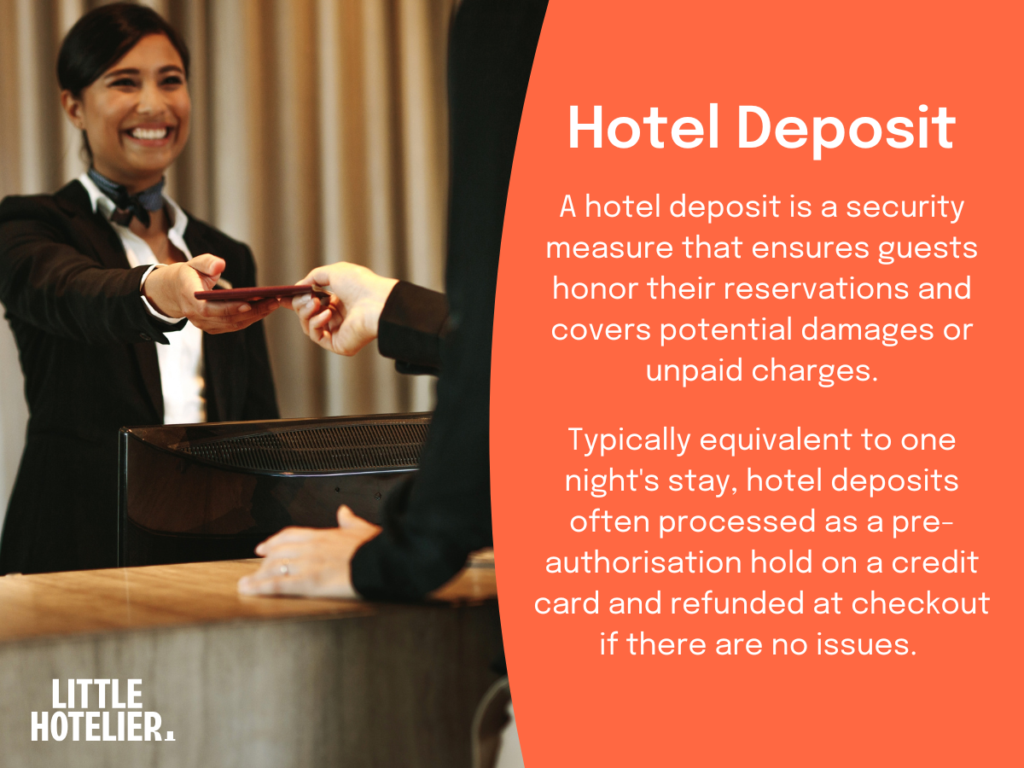
To answer the core question: yes, incidental holds are refunded, but the process is not always instantaneous. It is important to distinguish between a “charge” and a “hold” (often called a pre-authorization).
What Constitutes an Incidental?
Hotels implement these holds to protect themselves against potential costs that are not covered by your room rate. These may include:
- Room Service and Mini-bar: Consuming snacks, drinks, or ordering a late-night meal to your room.
- Damages: Any repair costs required due to excessive wear and tear or property destruction.
- Cleaning Fees: Costs incurred if the room requires deep cleaning beyond standard housekeeping, such as smoke remediation.
- Resort Fees: In places like Las Vegas or Hawaii, these are often bundled, but extra amenities requested during your stay are processed through your incidentals.
The Mechanism of the Pre-Authorization
When you present your credit card at the front desk, the hotel sends a request to your bank to “freeze” a specific amount of your available credit. This is not an actual withdrawal of cash; it is a verification that the funds exist and are reserved for the hotel. Because the hotel has not actually “captured” the money, it does not show up as a completed transaction on your statement—it appears as “pending.”
Why the Refund Process Varies
If you stay at a high-end establishment like the Four Seasons, you might notice a larger hold amount than if you were staying at a budget-friendly Holiday Inn. The amount and the speed of the release depend on several variables that are often outside the hotel’s direct control.
The Role of Your Banking Institution
The most significant factor in when your money becomes available again is your specific bank. Once a hotel sends the signal to release the hold (usually upon your check-out), it is entirely up to your bank to process that notification and update your “available balance.”
- Credit Cards: Most credit card companies release the hold within 3 to 5 business days. Because you are using the bank’s money, the impact on your personal liquidity is minimal.
- Debit Cards: This is where many travelers encounter frustration. A debit card hold locks up your actual cash. If your bank takes 7 to 10 business days to release a hold, that money remains inaccessible in your checking account for that duration.
Hotel Policies and Check-Out Procedures
Efficiency at check-out plays a role. If you utilize mobile check-out or simply leave the key on the nightstand, the hotel may take a few hours to finalize your folio. During peak times, such as a major conference in London or a holiday weekend in Paris, the administrative workload may delay the notification sent to your bank.
Best Practices for Managing Incidental Holds

While the process of releasing funds is largely automated, proactive management can save you from unnecessary stress or overdraft fees.
Using Credit Cards Over Debit Cards
Financial advisors and seasoned travelers almost universally recommend using a credit card for hotel incidentals. Since a credit card hold does not tie up your actual cash, it effectively disappears from your statement without impacting your ability to pay for other travel expenses like dining or tours in Rome.
Verifying the Hold Amount
Before providing your card, ask the receptionist: “What is the daily hold amount?” Knowing the figure allows you to plan your finances accordingly. If you find the amount excessive, you can sometimes negotiate or request that they lower the authorization limit if you do not plan on using hotel amenities.
Keeping Your Receipt
Always request an itemized receipt upon check-out. If you notice a charge for something you did not consume—like an item from the mini-bar in your Marriott room that you never touched—it is much easier to resolve the dispute at the front desk before you leave the premises than it is to call the property from home weeks later.
When Incidentals Become Permanent Charges
There are scenarios where the hold is not “refunded” because it transitions into a permanent charge. This occurs when you use the hotel’s services.
Consumption and Damage Resolution
If you order breakfast at The Plaza or utilize the valet parking, these charges are added to your room folio. Upon check-out, the hotel will calculate your total bill.
- The Final Tally: The hotel captures the specific amount you spent.
- The Release of the Remainder: If the initial hold was $500, but your total spending was $100, the hotel will capture the $100 and release the $400 hold.
Addressing Unexpected Charges
If you return home and see a charge on your statement that you do not recognize, do not panic. Call the hotel’s billing department. Mistakes happen, especially in high-volume properties like those found in Dubai or Tokyo. Most hotels are willing to reverse an erroneous charge once you provide proof or clarify the error, provided you contact them within a reasonable timeframe, usually 30 days after your stay.

Final Thoughts on Financial Preparedness
Understanding that incidental holds are a standard industry practice is the first step toward stress-free travel. Whether you are staying at a Hilton or a small, independent guesthouse, these holds are temporary security measures. By utilizing a credit card, monitoring your statements, and keeping copies of your final folios, you can ensure that your funds remain fluid and your travel experience remains focused on enjoyment rather than accounting.
Ultimately, if you have no unexpected costs and the hotel processes your check-out correctly, your bank will lift the hold, and your funds will be restored. It is a system built for safety, and while the banking delays can be a temporary inconvenience, the “refund” is an absolute certainty for any guest who has acted in good faith during their stay.
LifeOutOfTheBox is a participant in the Amazon Services LLC Associates Program, an affiliate advertising program designed to provide a means for sites to earn advertising fees by advertising and linking to Amazon.com. Amazon, the Amazon logo, AmazonSupply, and the AmazonSupply logo are trademarks of Amazon.com, Inc. or its affiliates. As an Amazon Associate we earn affiliate commissions from qualifying purchases.