
When travelers think of Idaho, their minds often gravitate toward sweeping mountain vistas, rugged wilderness, and an iconic agricultural staple that has become synonymous with the state’s identity: the potato. For any culinary tourist or traveler exploring the United States, understanding the relationship between the region and its most famous export is a gateway into the local culture. A common question arises for those browsing local farmers’ markets in Boise or dining in a high-end resort in Sun Valley: Are all Idaho potatoes Russets? The answer is a nuanced exploration of geography, history, and culinary science that defines the Gem State.
The Identity Crisis: Distinguishing Between a Region and a Variety
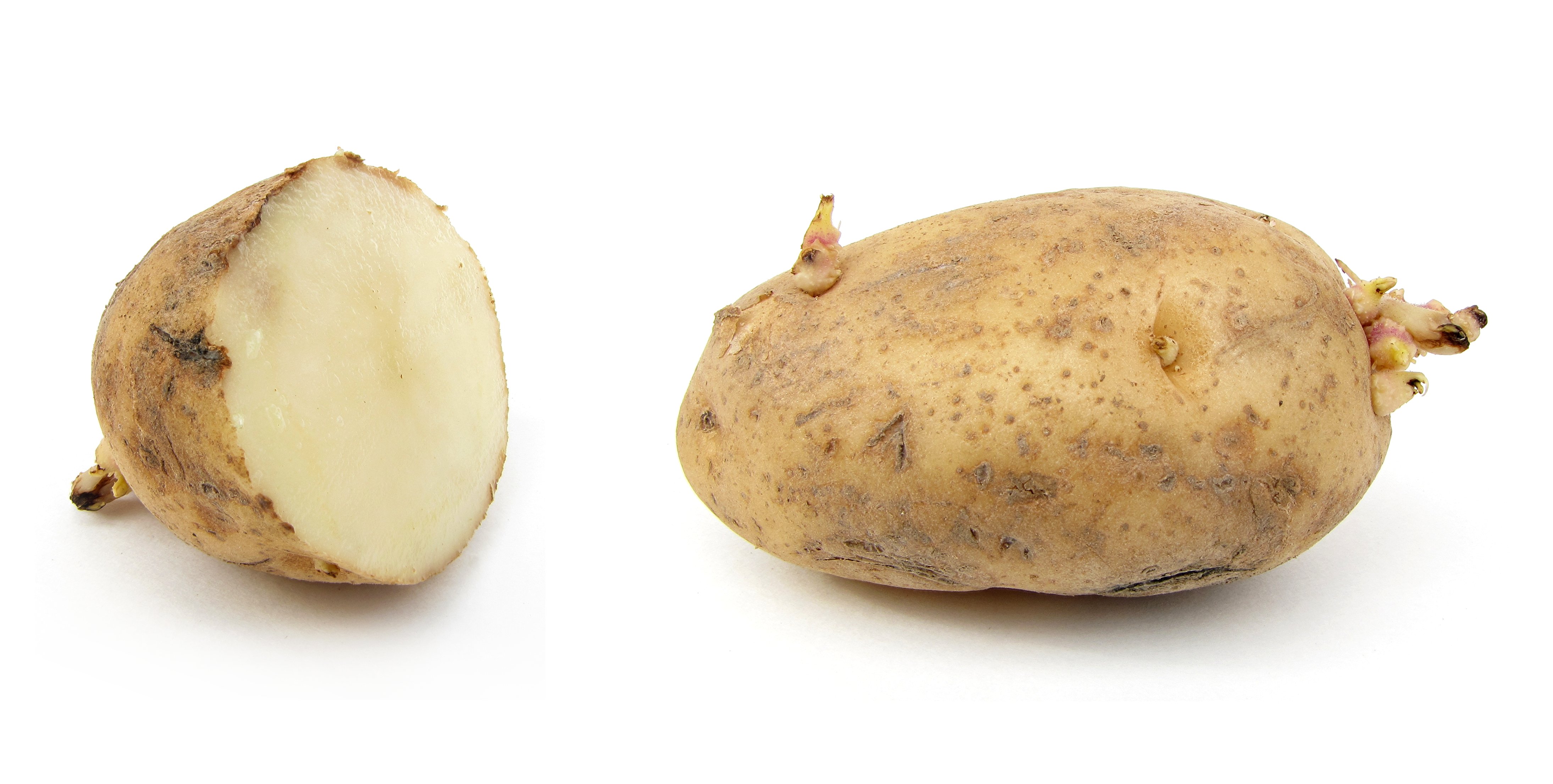
To understand the Idaho potato, one must first distinguish between a geographic brand and a botanical variety. While many people use the terms interchangeably, “Idaho” refers to the origin, while “Russet” refers to the specific type of potato. In the world of tourism and gastronomy, this distinction is vital for appreciating the depth of the local food scene.
What Exactly is a Russet Potato?
A Russet is a category of potato characterized by its thick, rough, brown skin and starchy, white flesh. The most famous of these is the Russet Burbank, a variety developed in the late 19th century. Because of its high starch content and low moisture, it is the gold standard for baking and frying. When you bite into a fluffy baked potato at a steakhouse or enjoy crispy golden fries at a local diner in Nampa, you are likely experiencing the unique texture of a Russet.
The Significance of the Idaho Trademark
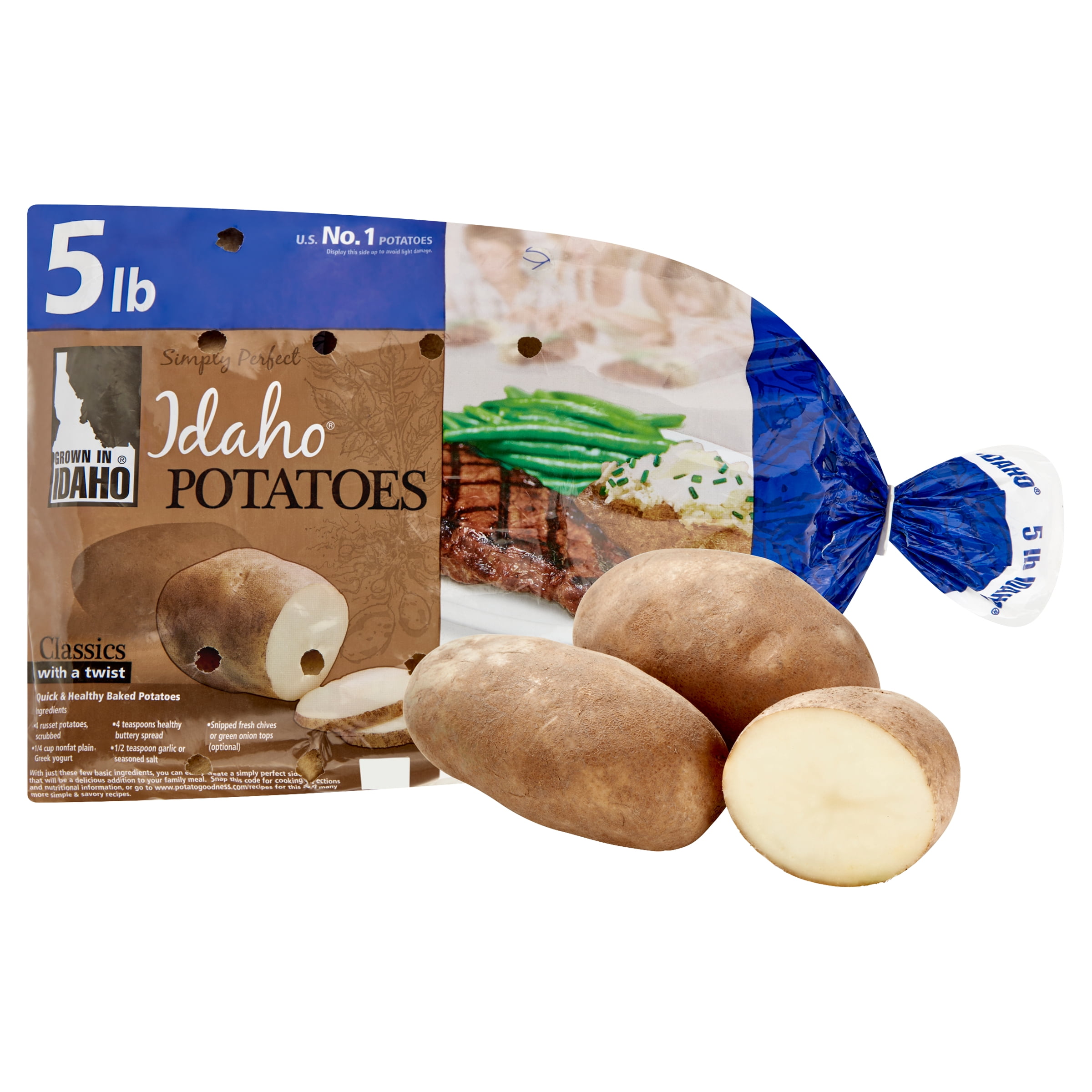
The Idaho Potato Commission has spent decades protecting the “Grown in Idaho” seal. This is a certification mark that guarantees the potato was grown in the specific soil and climate of the state. While Russets are grown across North America, only those grown within the state borders can carry the Idaho name. However, the state’s agricultural portfolio has diversified. Today, visitors will find that the Gem State also produces high-quality Reds, Yellows, and Fingerlings, though the Russet remains the reigning king of the local tourism narrative.
The Science of Superiority: Why the Idaho Landscape Matters
For the curious traveler, the beauty of Idaho is not just in its peaks but in its soil. The reason the Russet Burbank thrives here better than anywhere else in the Pacific Northwest is due to a perfect “terroir”—a term usually reserved for wine, but equally applicable to the tubers of the Snake River valley.
Volcanic Soil and High Altitudes
The geological history of Idaho is defined by ancient volcanic activity. This has left behind a light, volcanic ash-rich soil that is incredibly porous and nutrient-dense. For a potato, this soil is a dream; it allows the roots to expand easily and provides the minerals necessary for a robust flavor profile. Furthermore, the state’s high altitude ensures warm days and cool nights during the growing season. This temperature fluctuation allows the plants to store energy in the form of starch, resulting in that signature dry, fluffy texture that travelers seek out in Idaho Falls.
The Snake River Connection
Water is the lifeblood of Idaho agriculture. The Snake River, which carves its way through the southern part of the state, provides a reliable source of clean, melted snowpack from the Teton Range. This irrigation system is a feat of engineering and a point of pride for locals. When you take a scenic drive through the valley, the sight of the river winding through the vast green fields is a reminder of the symbiotic relationship between the land’s natural landmarks and its culinary output.
Agritourism and the Potato Experience in Idaho
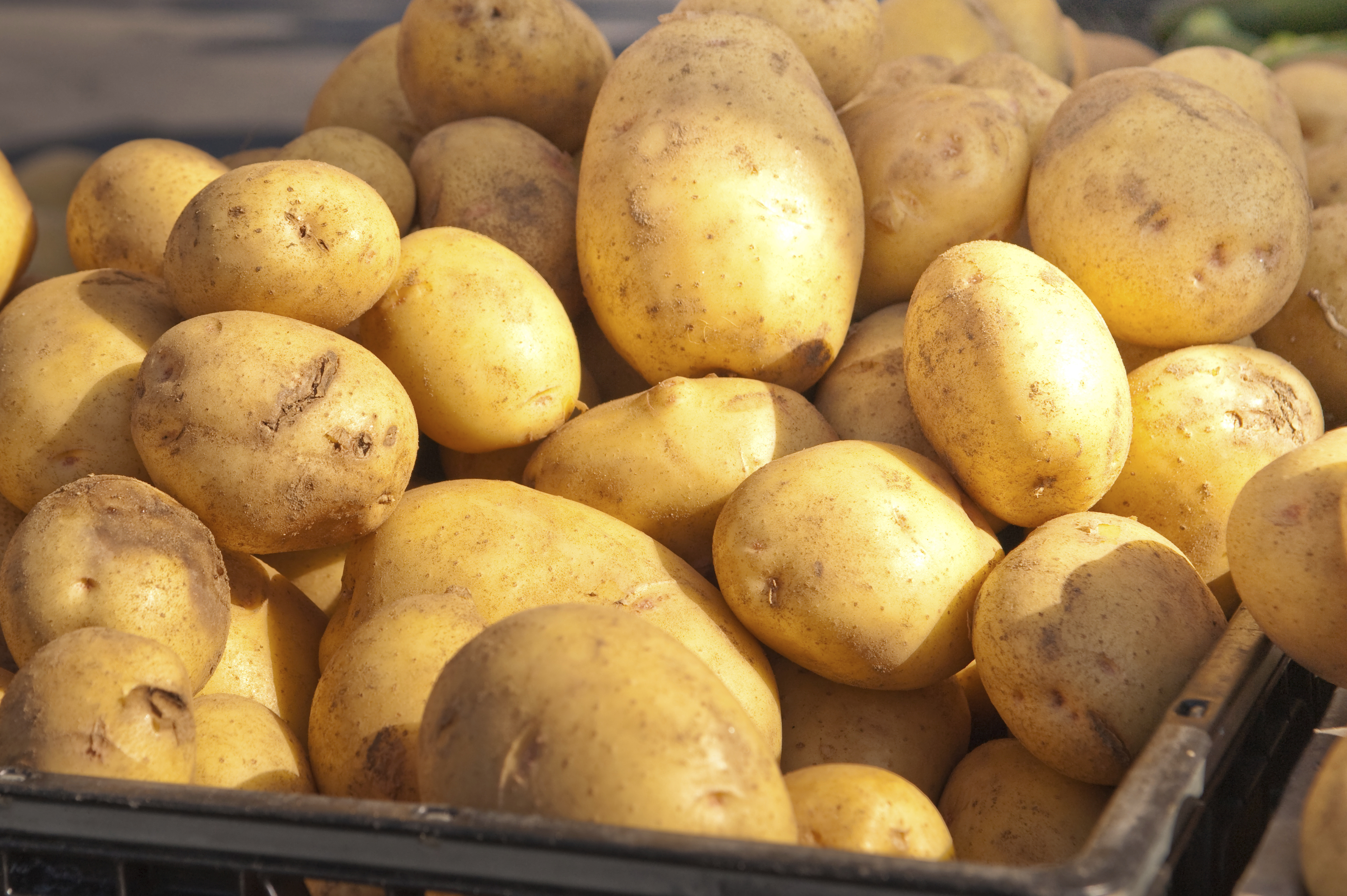
For travelers looking to go beyond the plate, Idaho offers a wealth of agritourism opportunities. These experiences allow visitors to connect with the heritage of the land and understand the labor that goes into every harvest.
Visiting the Idaho Potato Museum in Blackfoot
No potato-themed pilgrimage is complete without a stop in Blackfoot. This city is home to the Idaho Potato Museum, an attraction that celebrates everything related to the tuber. Located in a historic railroad depot, the museum offers fascinating exhibits on the history of potato farming, the evolution of the Russet Burbank, and even a collection of vintage potato mashers. It is a quintessential stop for families and history buffs traveling through southeastern Idaho. After the tour, guests can visit the on-site cafe to sample potato cupcakes or classic baked potatoes topped with local ingredients.
Shelley’s Annual Spud Day Celebration
If your travels bring you to the region in September, the town of Shelley hosts one of the most unique local festivals in the United States: Spud Day. This celebration of the harvest includes potato picking contests, a parade, and the famous “spud tug”—a tug-of-war over a pit of mashed potatoes. It is a vibrant display of community spirit and a deep-seated pride in their agricultural roots. Engaging with these local traditions provides travelers with an authentic look at the culture that surrounds the Idaho Russet.
From Farm to Fork: A Gastronomic Journey Through Idaho
The culinary scene in Idaho has evolved significantly, moving past simple side dishes to sophisticated gastronomy that highlights the versatility of the Russet Burbank. Food-focused tourism is booming, especially in urban centers and resort towns.
Classic Preparations in Boise and Beyond
In the state capital of Boise, the potato is treated with the respect it deserves. Many local eateries specialize in “fries with a twist,” utilizing the Russet Burbank to create the perfect vessel for dipping in huckleberry ketchup or truffle aioli. The city’s downtown area is a hub for “farm-to-table” dining, where chefs work directly with farmers from Twin Falls or Nampa to ensure they are getting the freshest harvest. A classic Idaho baked potato, served with nothing but butter and chives, remains a staple that demonstrates the purity of the local produce.
Modern Culinary Innovations
Modern chefs are pushing the boundaries of what can be done with the starchy Russet. In luxury destinations like Sun Valley, you might find potato-infused gnocchi that melts in your mouth or delicate potato-crusted trout caught fresh from local streams. These dishes highlight the potato’s ability to act as a canvas for other local flavors, such as wild mushrooms, venison, and world-class dairy. This culinary innovation ensures that even the most seasoned travelers find something new and exciting to taste in Idaho.
Planning Your Trip: A Foodie’s Guide to the Potato State
To truly experience the culture of the Gem State, one must plan a route that balances natural landmarks with culinary stops. The variety of landscapes—from the jagged peaks of the Teton Range to the lush valleys of the Snake River—provides a stunning backdrop for a food-centric road trip.
When booking your stay, consider looking for accommodations that offer local food experiences. Many lodges in Sun Valley or boutique hotels in Boise feature menus that change seasonally based on the harvest. Don’t forget to visit the local farmers’ markets, which are abundant in the summer and autumn months. Here, you can meet the farmers, learn about the different varieties of potatoes beyond the Russet, and perhaps even pick up some local honey or huckleberry jam to take home.
In conclusion, while not every potato grown in Idaho is a Russet, the Russet Burbank remains the heart of the state’s agricultural and culinary identity. It is a product of the unique volcanic landscape and the dedicated farming communities that have called this region home for generations. For the traveler, the potato is more than just a vegetable; it is a symbol of Idaho itself—sturdy, versatile, and deeply rooted in the land. Whether you are exploring the Idaho Potato Museum in Blackfoot or enjoying a sunset dinner overlooking the Snake River, the story of the Russet is an essential part of the journey.
LifeOutOfTheBox is a participant in the Amazon Services LLC Associates Program, an affiliate advertising program designed to provide a means for sites to earn advertising fees by advertising and linking to Amazon.com. Amazon, the Amazon logo, AmazonSupply, and the AmazonSupply logo are trademarks of Amazon.com, Inc. or its affiliates. As an Amazon Associate we earn affiliate commissions from qualifying purchases.