
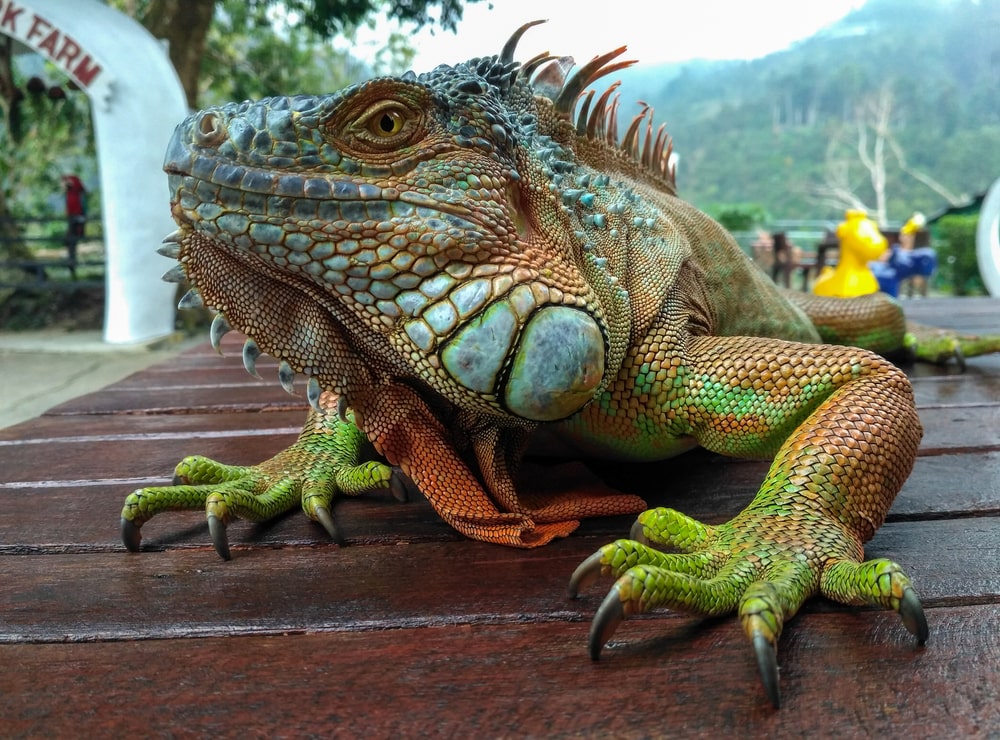
Florida, a state celebrated for its vibrant ecosystems and year-round sunshine, has long been a magnet for both tourists and, unfortunately, non-native species. Among the most striking and debated of these introductions are the iguanas. Their presence, particularly the green iguana and the black spinytail iguana, has sparked considerable concern and conversation among residents, wildlife enthusiasts, and conservationists alike. The question of whether these large reptiles are indeed an invasive threat to the delicate balance of the Sunshine State’s natural heritage is multifaceted, touching upon ecological impacts, management strategies, and the very definition of “invasive.”
Understanding Invasive Species in Florida
The concept of an “invasive species” is crucial to understanding the iguana situation in Florida. An invasive species is generally defined as a non-native organism whose introduction causes or is likely to cause economic or environmental harm or harm to human health. Unlike non-native or exotic species, which are simply organisms found outside their natural geographic range, invasive species are characterized by their ability to outcompete native flora and fauna, disrupt food webs, alter habitats, and spread aggressively.
Florida’s unique geographical position as a peninsula, coupled with its warm climate and diverse habitats, makes it particularly susceptible to biological invasions. The state boasts an incredible array of native species, from the elusive Florida panther to the myriad of bird species that grace its skies. The introduction of species that can thrive and reproduce unchecked can have profound and often irreversible consequences for these native populations and their environments.
Historical Introduction Pathways
The arrival of iguanas in Florida is not a recent phenomenon, nor is it typically attributed to a single, dramatic event. Instead, historical pathways point to a combination of factors, primarily driven by human activity. The exotic pet trade has been a significant contributor. Many iguanas, particularly the green iguana, were brought into the United States for sale in pet stores and by private breeders. Some of these animals, whether escaped from enclosures or intentionally released by owners who could no longer care for them, found the Florida climate conducive to survival and reproduction.
Furthermore, the ease of access and the presence of suitable habitats in southern Florida, including canals, ornamental gardens, and suburban landscapes, provided an ideal environment for these exotic reptiles to establish breeding populations. The proximity to the Caribbean, where iguanas are native, also means that accidental introductions through shipping or other trade routes could have played a role.
Ecological Impacts of Iguanas
The concern surrounding iguanas in Florida stems from their potential to disrupt the native ecosystem. As large herbivores, they can consume vast quantities of vegetation, including native plants, flowers, and fruits. This feeding pressure can impact plant communities, reducing food availability for native herbivores and altering the structural integrity of habitats.
Competition with Native Species
Iguanas can directly compete with native species for resources such as food and shelter. For instance, native reptiles, such as various lizard species, might find themselves vying for the same basking spots or food sources. While direct predation by iguanas on native animals is less common, their sheer numbers and resource consumption can indirectly affect native populations by diminishing their food supply or altering their preferred habitats.
Damage to Infrastructure and Agriculture
Beyond ecological concerns, iguanas can cause significant damage to human-made structures and agricultural interests. Their burrowing behavior can destabilize canal banks, seawalls, and even the foundations of homes and other buildings, leading to costly repairs. In agricultural areas, iguanas can decimate crops, posing a threat to farmers’ livelihoods. Their ability to adapt to urban and suburban environments means that conflicts with humans and their property are increasingly common.
The Case of the Green Iguana
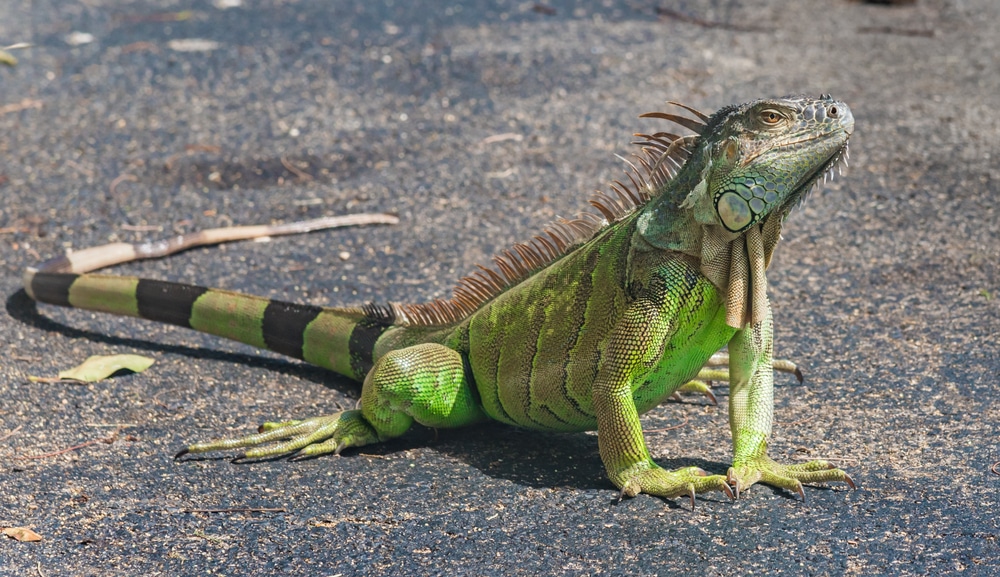
The green iguana (Iguana iguana) is perhaps the most recognizable and widespread of the introduced iguana species in Florida. Originating from Central and South America, these large reptiles can grow up to five feet in length and are primarily herbivorous. In Florida, they have established self-sustaining populations in many southern counties, including Miami-Dade, Broward, and Palm Beach counties. Their presence has been noted in areas like the Everglades National Park and various coastal regions.
The Black SpinyTial Iguana
Another species of concern is the black spinytail iguana (Ctenosaura similis), native to Central America. While not as numerous as the green iguana in all areas, they have also established breeding populations, particularly in South Florida. These iguanas are known for their speed and agility and can also consume vegetation, potentially impacting native plant life. Their impact is often localized but contributes to the overall challenge of managing non-native reptiles in the state.
Management and Control Efforts
The recognized threat posed by invasive iguanas has prompted various management and control efforts by state agencies and wildlife organizations. These initiatives aim to mitigate the ecological and economic damage caused by these introduced species.
Trapping and Removal Programs
One of the primary methods for managing invasive iguana populations is through trapping and removal programs. Wildlife officials and trained personnel often conduct these operations, employing various trapping techniques to capture the animals. Once captured, the iguanas are typically humanely euthanized, as relocating them is often not a viable solution for invasive species, as they can simply establish new populations elsewhere.
Public Education and Reporting
Public awareness and participation are vital components of any invasive species management strategy. Florida Fish and Wildlife Conservation Commission (FWC) actively encourages the public to report iguana sightings, especially in areas where they are not typically found. This reporting helps wildlife officials monitor population spread and identify new areas of concern. Educational campaigns also aim to inform residents about the impacts of invasive species and discourage the release of exotic pets.
Permitting and Regulations
To prevent further introductions, regulations are in place regarding the ownership and importation of certain exotic species, including iguanas. The FWC manages these regulations to protect native wildlife and ecosystems. Understanding and adhering to these regulations is crucial for pet owners and anyone involved in the exotic pet trade to avoid contributing to the problem of invasive species.

The Debate: Invasive vs. Established Non-Native
While many authorities and the public refer to iguanas in Florida as “invasive,” it’s worth noting that the classification can sometimes be debated within scientific circles. Some argue that for a species to be truly “invasive,” it must demonstrate significant, widespread, and detrimental ecological impacts across broad geographic areas. Others focus on the potential for harm and the fact that the species is non-native and reproducing successfully.
Regardless of the precise terminology, the presence of large, reproducing populations of iguanas in Florida presents a management challenge. Their ability to thrive in the unique climate and their potential to alter native habitats and impact human interests mean that ongoing monitoring and control efforts are necessary. The situation serves as a stark reminder of the delicate balance of ecosystems and the far-reaching consequences of introducing non-native species. For residents and visitors alike, understanding the role of these reptiles in the Florida landscape is key to appreciating the ongoing efforts to preserve the state’s natural beauty and biodiversity.
LifeOutOfTheBox is a participant in the Amazon Services LLC Associates Program, an affiliate advertising program designed to provide a means for sites to earn advertising fees by advertising and linking to Amazon.com. Amazon, the Amazon logo, AmazonSupply, and the AmazonSupply logo are trademarks of Amazon.com, Inc. or its affiliates. As an Amazon Associate we earn affiliate commissions from qualifying purchases.