
California, a beacon of innovation, progressive thought, and diverse landscapes, consistently draws millions of visitors seeking everything from sun-drenched beaches and majestic mountains to vibrant cultural experiences and world-class culinary adventures. As the Golden State often leads the way in social and legal reforms, many travelers and residents alike find themselves asking complex questions about emerging trends, particularly concerning substances with evolving legal statuses. One such query frequently arises: “Are magic mushrooms illegal in California?” This question, seemingly straightforward, delves into a nuanced legal landscape, especially as public perception and scientific research increasingly highlight the potential therapeutic benefits of psilocybin, the psychoactive compound found in magic mushrooms. For those planning a trip or considering a new lifestyle in California, understanding these regulations is paramount to ensure a safe, legal, and enjoyable experience.
The discussion around magic mushrooms, or psilocybin-containing fungi, extends far beyond simple legality. It intertwines with themes of wellness, mental health, responsible tourism, and the very fabric of California’s progressive ethos. While the federal government maintains a strict stance on psilocybin, several cities within California have taken steps towards decriminalization, creating a patchwork of regulations that can be confusing for even the most informed individual. This article aims to clarify the current legal status, explore the implications for travelers and residents, and discuss how this evolving landscape fits into California’s broader tourism and lifestyle offerings, providing essential insights for those navigating the state’s unique environment.
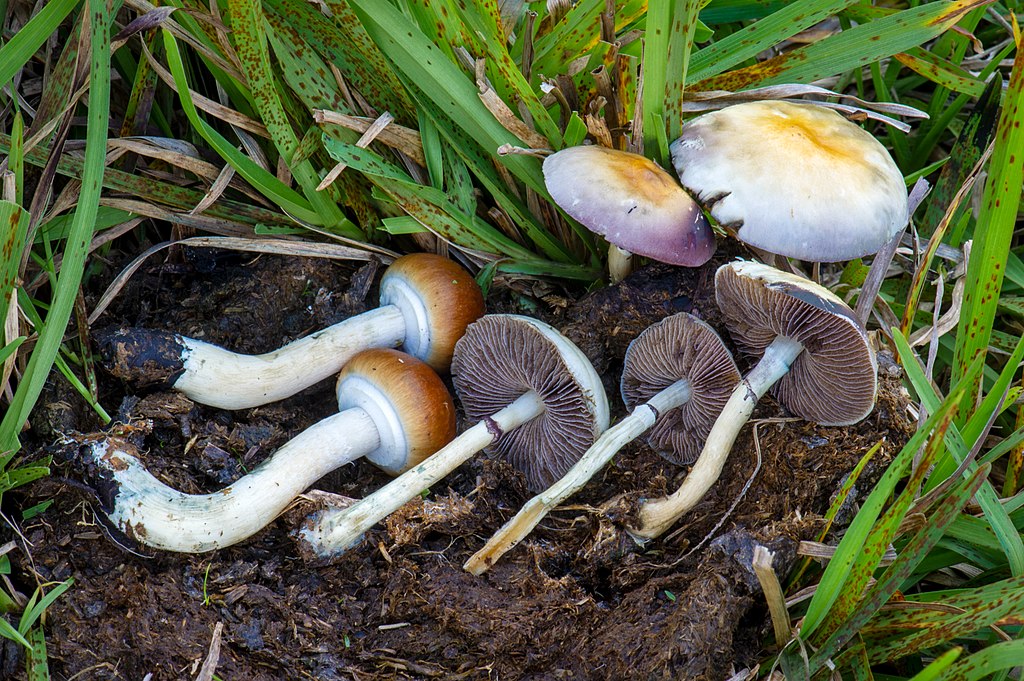
The Evolving Legal Landscape of Psilocybin in California
The legal status of psilocybin in the United States, and specifically in California, is complex and in a state of flux. To fully grasp the current situation, it’s crucial to understand the interplay between federal law and state/local ordinances, as well as the ongoing efforts to reform drug policies.
Federal vs. State Law: A Crucial Distinction
At the federal level, psilocybin remains classified as a Schedule I controlled substance under the Controlled Substances Act by the Drug Enforcement Administration (DEA). This classification signifies that psilocybin is deemed to have a high potential for abuse and no currently accepted medical use, making its possession, sale, and manufacture illegal nationwide. This federal stance applies across all states, regardless of their individual policies.
However, the states, and even individual cities, have the authority to enact their own laws regarding drug enforcement, which can sometimes diverge from federal guidelines, particularly concerning minor possession and use. In California, while there isn’t statewide legalization or decriminalization of psilocybin, a movement towards reform has gained significant traction at the municipal level. It’s vital for anyone traveling to or residing in California to remember that while local laws may be more lenient, federal law still technically prohibits psilocybin. This creates a potential conflict, although federal enforcement typically targets larger-scale distribution rather than individual possession in decriminalized areas.
Decriminalization Efforts Across California Cities
While California has not passed a statewide law decriminalizing or legalizing psilocybin, several progressive cities within the state have taken the initiative to do so. This municipal-level action reflects a growing shift in public opinion and a recognition of the potential therapeutic benefits of these substances, as well as a desire to reallocate law enforcement resources.
- Oakland: In June 2019, Oakland became the first city in the United States to decriminalize natural psychedelics, including psilocybin mushrooms. The city council unanimously voted to make arrests for possession or cultivation of magic mushrooms and other entheogenic plants among the lowest priority for law enforcement. This means that while they are not technically legal, local police are directed to focus their efforts elsewhere.
- Santa Cruz: Following Oakland’s lead, Santa Cruz also decriminalized psychedelic plants and fungi in January 2020. Similar to Oakland, this ordinance reduces the enforcement priority for the personal possession and cultivation of naturally occurring psychedelics.
- Berkeley: In September 2020, Berkeley joined the ranks, passing a resolution to decriminalize entheogenic plants and fungi. The city council emphasized the importance of ensuring that residents have access to these substances for healing and personal growth without fear of prosecution.
- San Francisco: In September 2022, San Francisco also unanimously voted to decriminalize natural psychedelics. This move by one of California’s major urban centers marked a significant milestone in the broader decriminalization movement.
It’s crucial to understand that “decriminalization” is not the same as “legalization.” Decriminalization means that while the substance remains illegal, the penalties for possession of small amounts for personal use are significantly reduced, often to a fine or no penalty at all, and law enforcement is advised to deprioritize arrests. It does not permit the sale or commercial distribution of psilocybin, nor does it protect individuals from federal charges.
The Push for Broader Legalization and Therapeutic Use
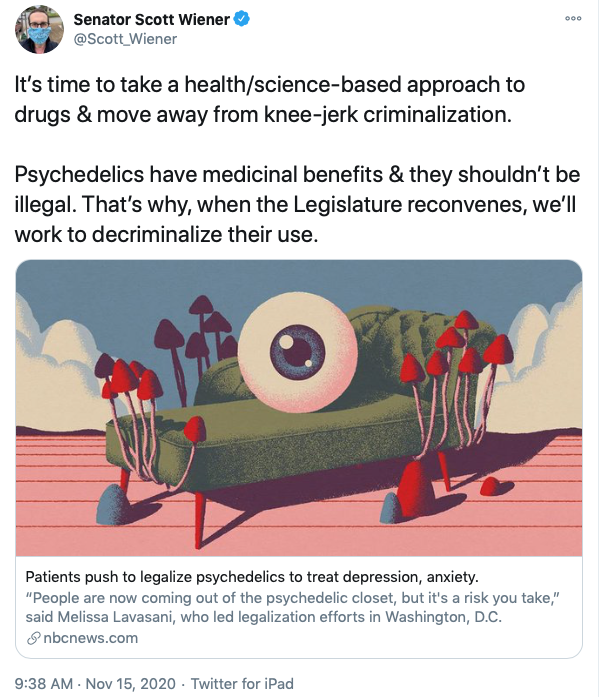
Beyond municipal decriminalization, there are ongoing efforts to push for broader legalization and regulated therapeutic use of psilocybin across California. Organizations like Decriminalize California have advocated for statewide ballot initiatives to decriminalize or legalize psychedelic mushrooms. These movements often cite growing scientific evidence supporting psilocybin’s potential in treating conditions such as depression, anxiety, PTSD, and addiction.
The medical community, including institutions like Johns Hopkins University and the UCLA Neuropsychiatric Institute, are conducting significant research into psilocybin-assisted therapy. The Food and Drug Administration (FDA) has even granted “Breakthrough Therapy” designation to psilocybin for certain conditions, accelerating its review process for potential medical use. This shift in scientific and medical understanding is a primary driver behind the changing legal landscape, signaling a potential future where psilocybin could be legally accessible under medical supervision, similar to medical cannabis. However, as of now, this is not yet the case for general recreational or therapeutic use across California.

Navigating California’s Travel Scene: What Travelers Need to Know
For travelers exploring California’s diverse attractions, from the bustling streets of Los Angeles to the serene redwood forests of Big Sur, understanding the legal nuances of psilocybin is critical. While the state offers an abundance of enriching experiences, engaging with controlled substances carries inherent risks, particularly in areas where laws are less clear or strictly enforced.
Understanding the Risks: Legal Consequences for Visitors
Despite decriminalization efforts in specific cities, visitors to California must exercise extreme caution. Carrying or using psilocybin outside of decriminalized zones could still lead to arrest and prosecution under state law, which generally considers psilocybin a controlled substance. Even within decriminalized cities, the nuances of the ordinances can be tricky. They often focus on personal possession and cultivation, not public consumption, sale, or distribution. Engaging in these activities could still result in legal trouble.
Furthermore, it’s important to remember that federal law prohibiting psilocybin still applies everywhere in the United States. While federal agencies rarely prosecute individuals for small amounts of personal possession in decriminalized areas, the risk is not entirely eliminated, especially in sensitive locations such as federal lands like Yosemite National Park or federal courthouses.
For international travelers, any drug-related offense, even a minor one, could have severe implications for future travel to the United States or other countries. It can lead to visa denials, deportation, or difficulties re-entering the country. Therefore, the safest approach for all travelers is to abide by federal law and avoid any involvement with psilocybin during their visit to California. Prioritizing legal compliance ensures a hassle-free journey and allows visitors to fully immerse themselves in the state’s legitimate offerings.
Psilocybin and Responsible Tourism: A Matter of Ethics and Safety
The concept of responsible tourism encourages visitors to respect local laws, cultures, and environments. When it comes to substances like psilocybin, responsible tourism takes on an even greater significance. Engaging in illegal or quasi-legal activities not only puts the individual at risk but can also strain local resources, contribute to negative perceptions of tourists, and potentially undermine the very movements advocating for thoughtful reform.
Responsible tourism in California means appreciating its natural beauty, enjoying its vibrant cities, and participating in its diverse cultural experiences within legal and ethical boundaries. This includes:
- Respecting Laws: Understanding and adhering to federal, state, and local laws, especially concerning controlled substances.
- Personal Safety: Avoiding situations that could compromise personal safety, including unregulated substance use.
- Environmental Impact: Protecting California’s pristine environments, from its coastal regions along the Pacific Ocean to its inland forests.
- Cultural Sensitivity: Engaging respectfully with local communities and their values.
For those interested in the potential benefits of psychedelics, the responsible path involves supporting legal research, advocating for policy changes through appropriate channels, and exploring alternative, legal wellness practices.
Exploring Alternative Wellness and Mindful Experiences in California
California is a global leader in health, wellness, and mindful living. Instead of seeking out legally ambiguous substances, travelers can find an abundance of enriching, legal alternatives for personal growth, relaxation, and spiritual exploration. The state offers a vast array of retreats, centers, and natural settings perfect for a rejuvenating experience:
- Wellness Retreats: From luxury spas in Napa Valley to holistic healing centers in San Diego, California boasts world-class wellness retreats offering meditation, yoga, mindfulness practices, plant-based diets, and various therapeutic modalities. Many resorts and hotels, such as the Post Ranch Inn in Big Sur or the Ojai Valley Inn, focus on mental and physical well-being.
- Nature Immersion: The state’s unparalleled natural beauty provides inherent therapeutic benefits. Hiking in Yosemite National Park, camping in the Redwood National Park, or simply walking along the California coastline can be profoundly restorative and spiritually uplifting.
- Mindfulness and Meditation Centers: Numerous centers throughout the state offer programs in various meditation techniques, promoting mental clarity, stress reduction, and inner peace without the need for psychoactive substances.
- Creative and Artistic Pursuits: California’s vibrant arts scene, from Hollywood‘s film studios to the galleries of San Francisco, offers avenues for creative expression and self-discovery that are both legal and deeply fulfilling.
These alternatives provide safe, legal, and equally powerful pathways to introspection, healing, and connection, fully aligning with the spirit of responsible travel and personal well-being.
Broader Implications for Tourism and Lifestyle in the Golden State
The evolving discussion around psilocybin in California is not just about legality; it touches upon the state’s identity as a trendsetter in tourism, lifestyle, and progressive thought. How this issue develops could shape future travel experiences and the perception of California as a destination.
The Potential Impact on California’s Hospitality Sector
Should psilocybin become more widely decriminalized or even legalized for therapeutic use, it could have a significant, albeit speculative, impact on California’s robust hospitality sector. Hotels, resorts, and accommodation providers might see new demands for specific types of wellness retreats or guided experiences. For instance, the luxury travel market, which already caters to high-end wellness tourism, could explore how to integrate legally sanctioned psilocybin-assisted therapy into their offerings, similar to how cannabis lounges and wellness centers have emerged in some areas.
This would require careful navigation of regulations, staff training, and ethical considerations. Currently, no mainstream hotels or resorts in California offer psilocybin-related services, and any attempt to do so would face substantial legal hurdles due to federal prohibition. However, in a future where laws evolve, there could be a niche market for specialized psilocybin-friendly accommodations or retreats, potentially drawing a new segment of travelers interested in psychedelic-assisted therapy or conscious exploration, impacting areas from Palm Springs to the wine country. This could contribute to California’s reputation as a pioneer in holistic health and wellness tourism, but it is a distant prospect dependent on significant legal shifts.
From Wellness Retreats to Natural Wonders: California’s Diverse Appeal
Regardless of the legal status of psilocybin, California’s appeal as a premier travel destination remains unchallenged due to its incredible diversity. The state offers a spectrum of experiences that cater to every type of traveler, reinforcing its status as a global hotspot for tourism.
- Adventure Seekers: From surfing along the Malibu coast to skiing in the Sierra Nevada mountains or exploring the desert landscapes of Death Valley National Park, California is an adventurer’s paradise.
- Cultural Enthusiasts: The state boasts world-class museums in Los Angeles and San Francisco, vibrant arts districts, historical landmarks like Alcatraz Island, and a rich tapestry of multicultural communities.
- Foodies and Wine Lovers: Napa Valley and Sonoma County are renowned for their vineyards, while cities like San Francisco and Los Angeles offer Michelin-starred restaurants and innovative culinary scenes.
- Family Travelers: Attractions like Disneyland in Anaheim, Universal Studios Hollywood, and numerous family-friendly beaches and parks ensure memorable trips for all ages.
The focus on these diverse, legal, and well-established attractions is what truly defines California’s tourism identity. The discussion around psilocybin, while significant, remains a peripheral aspect compared to the state’s vast and legitimate appeal.
A Responsible Approach to Exploring California’s Unique Offerings
Ultimately, responsible travel in California means making informed choices that prioritize safety, legality, and positive impact. For both residents and visitors, staying updated on the evolving legal landscape is important, but so is understanding the distinction between decriminalization and full legality.
While some cities have taken steps towards decriminalizing psilocybin, the substance remains federally illegal, and its use carries risks. Travelers and those seeking wellness experiences are encouraged to explore the multitude of legal and enriching activities that California offers. From serene yoga retreats in Laguna Beach to vibrant culinary tours in San Francisco, the state provides endless opportunities for personal growth, relaxation, and adventure without venturing into legally ambiguous territory. By focusing on legitimate avenues for exploration and well-being, visitors can fully embrace the unique and welcoming spirit of the Golden State, contributing positively to its vibrant culture and diverse economy.
In conclusion, while the question “Are magic mushrooms illegal in California?” elicits a complex answer involving federal prohibition and local decriminalization, the clearest guidance for travelers and residents is to err on the side of caution. Engage with California’s offerings responsibly, legally, and mindfully, and you are guaranteed an unforgettable experience.
LifeOutOfTheBox is a participant in the Amazon Services LLC Associates Program, an affiliate advertising program designed to provide a means for sites to earn advertising fees by advertising and linking to Amazon.com. Amazon, the Amazon logo, AmazonSupply, and the AmazonSupply logo are trademarks of Amazon.com, Inc. or its affiliates. As an Amazon Associate we earn affiliate commissions from qualifying purchases.