
Florida, a state synonymous with sun-drenched beaches, vibrant theme parks, and a unique subtropical allure, often conjures images of diverse wildlife. From the majestic Florida panther and the elusive manatee to the ubiquitous alligator, the Sunshine State boasts an impressive array of indigenous fauna. However, a question that frequently sparks curiosity among visitors and residents alike pertains to the presence of primates: are monkeys native to Florida? This inquiry delves into the fascinating intersection of natural history, conservation efforts, and the often-surprising introductions of non-native species that shape a region’s ecological landscape.
The Primate Question: An Ecological Puzzle
The straightforward answer to whether monkeys are native to Florida is a resounding “no.” The primate species historically found within the geographical boundaries of what is now Florida were not indigenous. Native primate populations in North America were largely extinct by the end of the Pleistocene epoch, leaving no established, wild monkey populations to greet European settlers. This absence is a crucial piece of understanding the current situation. Florida’s ecosystems, while rich, evolved without the ecological pressures and interdependencies that would typically arise from the presence of resident monkey species.

Evolutionary History and Geographic Limits
The evolutionary history of primates in North America is a topic of significant paleontological interest. Fossil evidence suggests that primate ancestors did exist on the continent millions of years ago. However, the environmental shifts and geological events that transpired over millennia led to the eventual disappearance of these early primate lineages. By the time modern human civilizations began to impact the natural world, North America, including the area that would become Florida, was devoid of wild monkey populations. The geographic distribution of primate species naturally tends to be concentrated in tropical and subtropical regions, and while Florida possesses a subtropical climate, its historical evolutionary trajectory did not include indigenous monkeys. This historical context is fundamental when addressing the presence of monkeys in Florida today.
Introducing the Rhesus Macaque: A Case Study
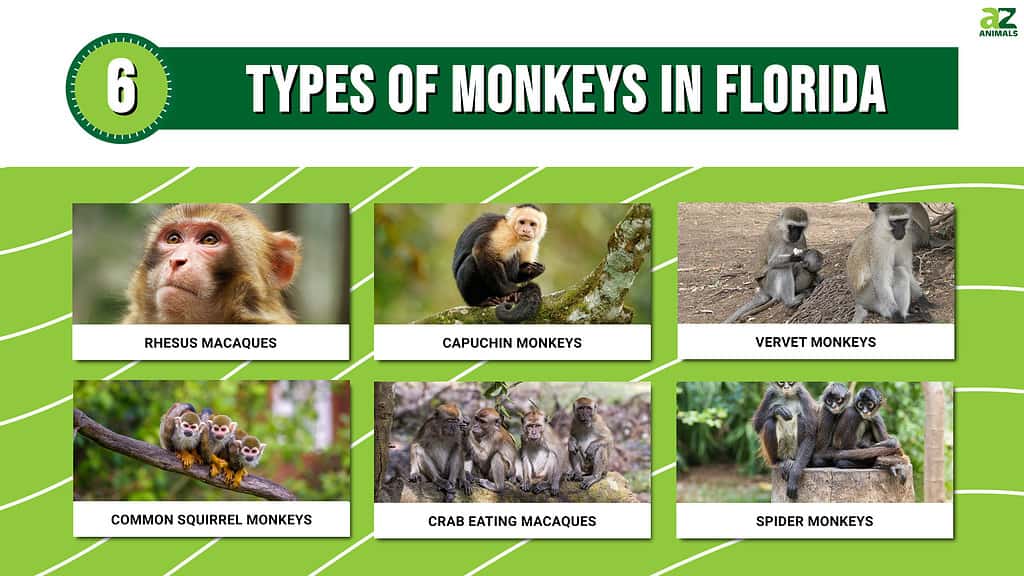
The story of monkeys in Florida is, in fact, the story of introductions. The most well-known and arguably most impactful introduction involves the Rhesus macaque (Macaca mulatta). These adaptable primates were not part of Florida’s original tapestry of life. Their presence is a direct consequence of human activity, specifically related to a tourist attraction that once operated in the state.
The Silver Springs Monkey Phenomenon
In the 1930s, a significant population of Rhesus macaques was introduced to Silver Springs, a renowned natural attraction in central Florida. The intention behind this introduction was purely for the amusement of tourists. Visitors to Silver Springs could observe these monkeys frolicking in and around the crystal-clear springs, adding an exotic and entertaining element to the park’s natural beauty. The macaques, hardy and prolific breeders, thrived in their new environment. The warm climate, abundant vegetation, and lack of significant natural predators allowed their population to grow unchecked.
Unforeseen Consequences and Ecological Impact
What began as a novel attraction soon revealed the complex ecological challenges posed by introducing non-native species. The Rhesus macaques at Silver Springs began to expand their range beyond the immediate confines of the park. Their adaptability meant they could exploit various food sources and habitats within the surrounding Ocala National Forest and beyond. This expansion raised concerns among wildlife biologists and environmentalists.
The macaques compete with native wildlife for food and resources. Their presence can disrupt local ecosystems by altering plant communities through foraging habits and by potentially preying on the eggs or young of native bird species. Furthermore, Rhesus macaques are known carriers of diseases, such as the B virus, which can be transmissible to humans and is particularly dangerous. The potential for disease transmission posed a significant public health concern, especially as the monkey population grew and their interactions with humans became more frequent, albeit often accidental.
The Ongoing Management and Conservation Debate
The established populations of Rhesus macaques in Florida present a persistent challenge for wildlife managers. Eradicating established populations of non-native species is notoriously difficult, often prohibitively expensive, and can face significant ethical considerations and public opposition. Consequently, management strategies have often focused on population control and containment rather than complete removal.
Population Control Measures
Over the years, various methods have been employed to manage the Rhesus macaque population. These have included trapping and relocation efforts, as well as sterilization programs. The goal has been to prevent further population growth and to mitigate the ecological and health risks associated with their presence. However, the effectiveness of these measures is often debated, and the ongoing presence of these monkeys in the wild underscores the lasting impact of introductions.
Legal Status and Public Perception
The legal status of introduced species can be complex. In Florida, the Rhesus macaque is considered an invasive species, and efforts are made to manage its population. However, the historical association with Silver Springs and the ongoing presence of these monkeys have also fostered a certain level of public fascination. Some advocate for their preservation due to their established presence and role in the state’s modern, albeit altered, natural history. This contrasts with the scientific consensus that emphasizes the ecological damage they can inflict.
Beyond Rhesus Macaques: Other Introduced Primates
While the Rhesus macaque is the most prominent example, it is not the only instance of non-native primates establishing a presence in Florida. Other species have been introduced, though often in smaller numbers and with less widespread ecological impact. These introductions typically stem from the exotic pet trade or from former research facilities.
The Case of the Capuchin Monkeys
In certain areas, particularly around Homestead and parts of the Florida Keys, there have been reports of small, free-ranging populations of capuchin monkeys. These introductions are believed to be the result of escaped or released pets. Capuchin monkeys, while smaller than Rhesus macaques, are still capable of adapting to new environments and can potentially impact local ecosystems. However, their populations are not as widespread or as ecologically significant as those of the Rhesus macaques.
The Importance of Responsible Pet Ownership and Exotic Animal Regulation
The presence of these non-native primate populations serves as a stark reminder of the responsibilities associated with owning exotic animals and the importance of robust regulations for the exotic pet trade. The introduction of any non-native species can have cascading and often detrimental effects on local biodiversity. Efforts to prevent future introductions are crucial, including stricter enforcement of laws regarding the import and ownership of exotic animals and public education campaigns highlighting the ecological risks involved.
Florida’s True Wildlife: Celebrating Native Species
While the presence of introduced monkeys in Florida is an interesting ecological footnote, it is vital to remember and celebrate the state’s truly native wildlife. Florida is home to an astonishing diversity of species that have evolved over millennia to inhabit its unique landscapes, from the wetlands of the Everglades to the pine scrub of the interior and the coral reefs of the coast.
Indigenous Mammals and Birds
Florida’s native mammals include the iconic Florida panther (Puma concolor coryi), a critically endangered big cat that roams the state’s wilder regions. Other native mammals include the Key deer (Odocoileus virginianus clavium), a small subspecies found in the Florida Keys, and a variety of rodents, bats, and marsupials like the opossum (Didelphis virginiana). The state’s avian population is equally impressive, featuring species such as the osprey (Pandion haliaetus), herons, egrets, and the distinctive roseate spoonbill (Platalea ajaja).
Reptiles and Aquatic Life
The reptilian inhabitants of Florida are perhaps its most recognizable wildlife. The American alligator (Alligator mississippiensis) is an apex predator in many freshwater ecosystems, while the American crocodile (Crocodylus acutus) can be found in saltwater environments. The state’s waters are also teeming with life, including numerous fish species, the gentle manatee (Trichechus manatus latirostris) in coastal and riverine habitats, and a variety of marine life in the Florida Keys National Marine Sanctuary.

Conservation Efforts for Native Ecosystems
Understanding and protecting Florida’s native wildlife requires ongoing conservation efforts. Organizations and government agencies work tirelessly to preserve habitats, combat invasive species (including the introduced monkeys), and implement recovery programs for endangered and threatened species. These efforts are essential to ensuring that Florida’s natural heritage is preserved for future generations to experience and enjoy. The fascination with introduced species should not overshadow the critical need to protect the biological richness that is genuinely and uniquely Floridian.
LifeOutOfTheBox is a participant in the Amazon Services LLC Associates Program, an affiliate advertising program designed to provide a means for sites to earn advertising fees by advertising and linking to Amazon.com. Amazon, the Amazon logo, AmazonSupply, and the AmazonSupply logo are trademarks of Amazon.com, Inc. or its affiliates. As an Amazon Associate we earn affiliate commissions from qualifying purchases.