
The majestic moose, a creature often associated with the vast, wild landscapes of the north, might seem an unlikely resident of the Rocky Mountains. However, for those venturing into the higher elevations of Colorado, the question of encountering these impressive animals is a very real one. The answer, unequivocally, is yes. Moose have established a notable presence in the Centennial State, offering a unique and thrilling wildlife viewing opportunity for visitors and residents alike. This article delves into the presence of moose in Colorado, exploring where they can be found, the best times and methods for spotting them, and essential tips for responsible observation.
The Unfolding Story of Moose in Colorado
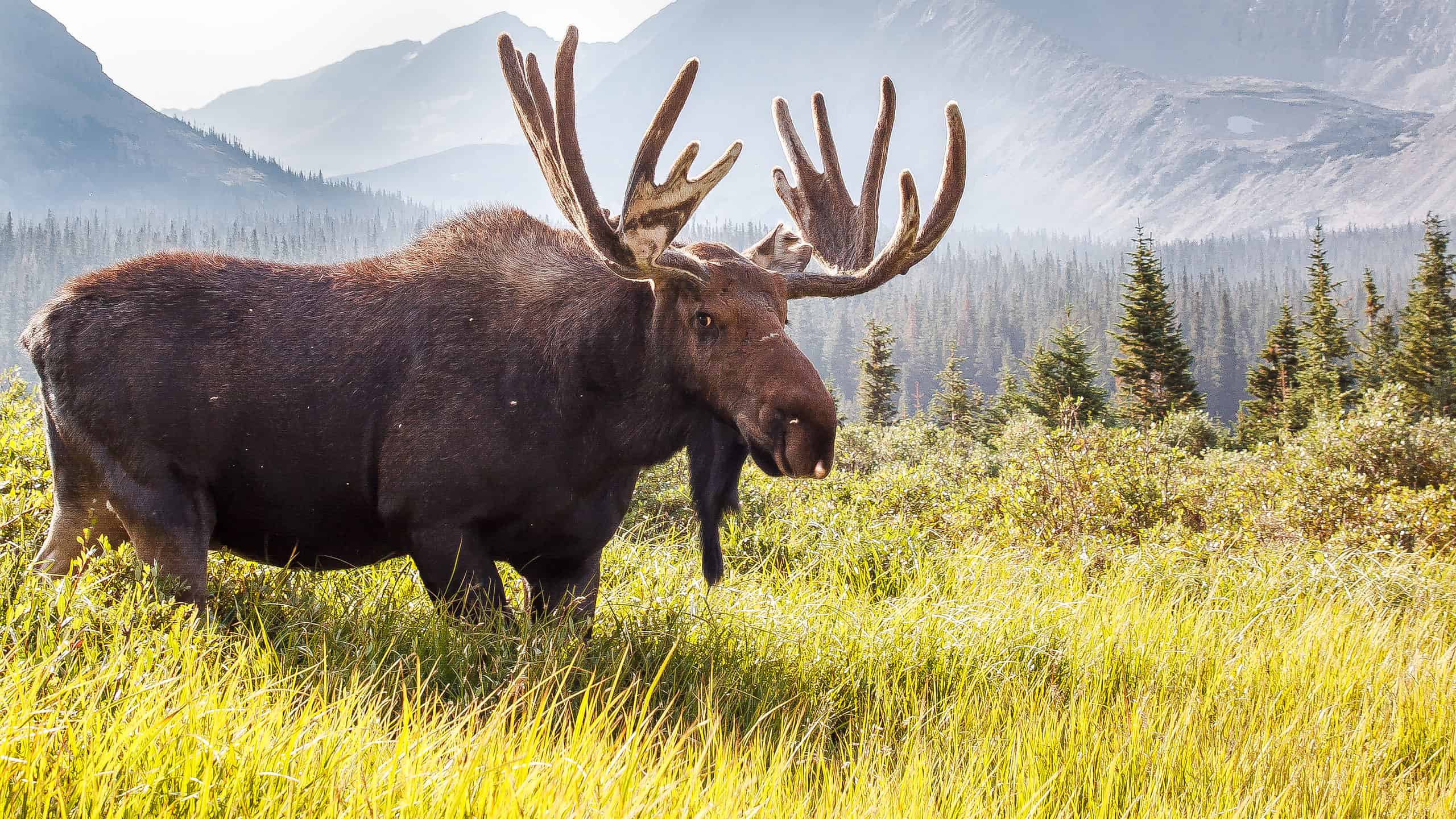
The presence of moose in Colorado is a relatively recent phenomenon, a testament to successful wildlife management and the adaptive nature of these animals. While not historically abundant in the state, a combination of natural migration and reintroduction efforts has fostered a thriving population.
A History of Return
Historically, moose were not a significant part of the Colorado fauna. However, in the early to mid-20th century, a gradual influx began from neighboring states where moose populations were more established. This natural expansion was later augmented by deliberate reintroduction programs aimed at restoring ecological balance and providing new wildlife viewing opportunities. The first documented moose sighting in the state dates back to the 1940s, and since then, their numbers have steadily grown.
Factors Contributing to Their Success
Several environmental factors have contributed to the successful establishment of moose in Colorado. The state’s vast tracts of undeveloped wilderness, particularly the high-altitude forests and riparian areas, provide ideal habitats. These environments offer abundant food sources, such as willows, aspens, and aquatic vegetation, as well as the necessary cover and water sources that moose require for survival. The state’s wildlife agencies have also played a crucial role through conservation efforts, monitoring populations, and protecting vital habitats.
Where to Find Moose in Colorado
Locating moose in Colorado requires an understanding of their preferred habitats and a bit of dedicated searching. These animals tend to favor cooler, wetter environments, often found at higher elevations.
High-Altitude Wetlands and Riparian Zones
Moose are particularly drawn to areas with ample water and lush vegetation. This includes:
- Wetlands: Marshes, bogs, and wet meadows provide essential food sources, especially willow and aquatic plants.
- Riparian Areas: The vegetated land along rivers, streams, and lakes is a prime feeding ground. Look for areas with dense stands of willows, alders, and cottonwood trees.
- Alpine and Subalpine Forests: Moose are often found in the transition zones between dense forests and open meadows, especially where water is accessible. They may also frequent clearings within these forests.
Specific Hotspots
While moose can be found in various locations across the state, certain areas are renowned for higher concentrations and better viewing opportunities.
- Rocky Mountain National Park: While sightings can be elusive, the park’s diverse ecosystems, particularly in the Kawuneeche Valley and along the Colorado River, offer potential encounters.
- Grand County: Areas around Grand Lake and Kremmling, especially along the Colorado River and its tributaries, are well-known moose territories.
- Routt County: Near Steamboat Springs, the wetlands and meadows in areas like Rabbit Ears Pass can be productive.
- North Park: This high-altitude basin, including areas around Walden, offers extensive wetlands and meadows that attract moose.
- San Juan Mountains: While less common, moose are present in some of the wetter, more vegetated valleys within the southern ranges.
It is important to note that moose are wild animals, and their presence is not guaranteed. However, by targeting these habitats and exercising patience, the chances of a sighting are significantly increased.
Best Times and Methods for Moose Spotting
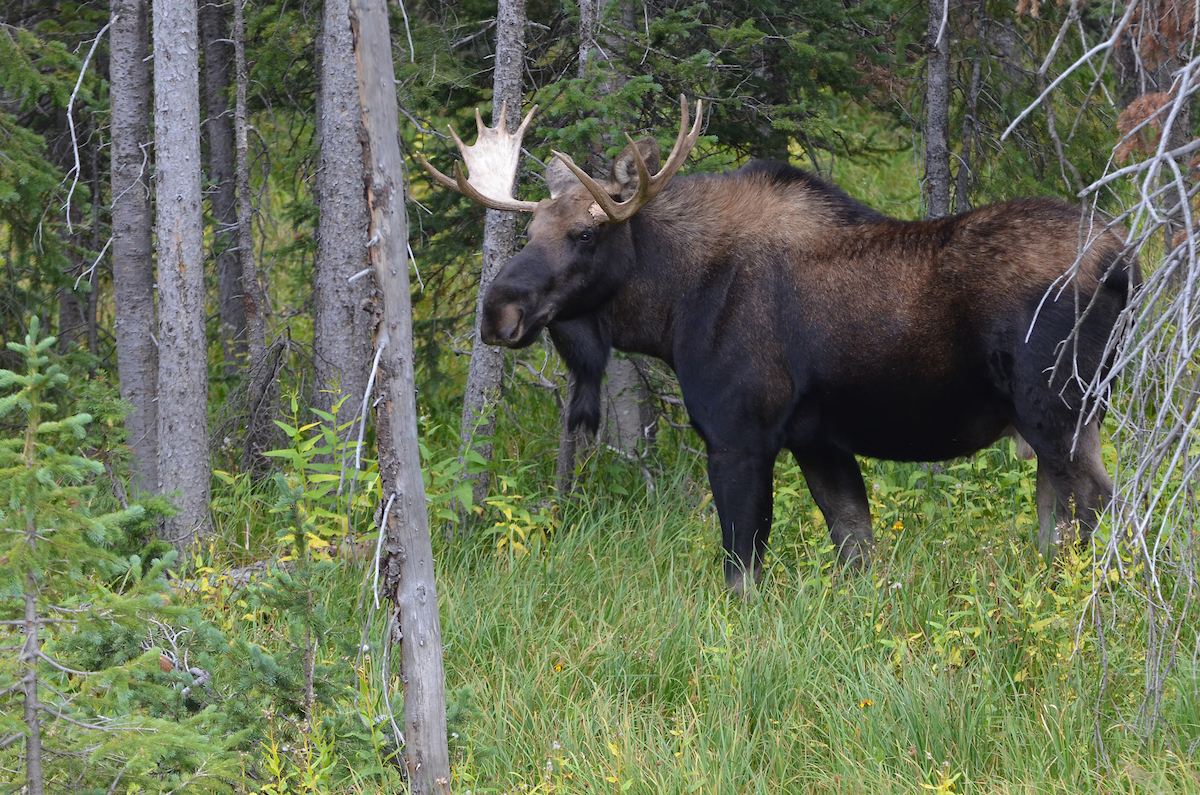
Observing moose requires a strategic approach, considering both the time of day and year, as well as employing respectful viewing techniques.
Seasonal Movements and Behavior
Moose exhibit seasonal shifts in their behavior and location, influencing when they are most likely to be seen.
- Spring and Fall: These are often considered prime times for moose viewing. In spring, as snow melts, moose descend to lower elevations to access new green vegetation. In the fall, the rutting season brings males out in search of females, making them more active and visible.
- Summer: During warmer months, moose tend to seek refuge from heat and insects in cooler, shaded areas near water. Early morning and late evening are often the best times to spot them as they forage.
- Winter: In winter, moose may move to lower elevations with more accessible food but can still be found in areas with deep snow where they can reach willow branches above the snowpack.
Time of Day for Sightings
Like many large mammals, moose are most active during the crepuscular hours – dawn and dusk.
- Dawn: As the sun begins to rise, moose emerge to feed in meadows and near water sources before the day heats up.
- Dusk: Similarly, as daylight fades, moose become active again, taking advantage of cooler temperatures to forage. Midday sightings are less common, as they typically rest in shaded, dense cover.
Effective and Ethical Viewing Techniques
Responsible wildlife viewing is paramount to ensuring both the safety of the observer and the well-being of the animals.
- Patience is Key: Wildlife viewing is often a waiting game. Find a good vantage point and be prepared to observe for an extended period.
- Use Binoculars or a Spotting Scope: These optical aids allow for close-up views without disturbing the animals. Maintain a significant distance.
- Drive Slowly and Observe: When traveling by car through known moose habitats, drive at a reduced speed and scan the roadside vegetation and meadows. Pull over only in safe locations if you spot an animal.
- Listen: Moose can sometimes be heard before they are seen. Listen for the rustling of vegetation or splashing in water.
- Respect Their Space: Always maintain a safe and respectful distance from moose. A good rule of thumb is to stay at least 50 yards (46 meters) away, and farther if the animal appears agitated or defensive. Never attempt to approach, feed, or corner a moose.
- Stay Quiet: Avoid loud noises or sudden movements that could startle the animals.
- Observe from a Vehicle: If possible, viewing from inside your vehicle provides a natural barrier and a sense of security for the moose.
- Know When to Back Away: If a moose changes its behavior, looks at you directly, or begins to move towards you, it’s a sign to retreat slowly and calmly.
Tips for a Successful Moose Encounter
Planning and preparation are crucial for maximizing your chances of a memorable moose sighting while adhering to ethical wildlife viewing practices.
Planning Your Trip
- Research Locations: Before you go, research specific areas known for moose activity. Consult with local visitor centers or wildlife agencies for the latest information.
- Check the Weather: Mountain weather can change rapidly. Be prepared for a variety of conditions, including sun, rain, wind, and even snow, regardless of the season.
- Pack Appropriately: Essential items include sturdy hiking boots, layers of clothing, rain gear, insect repellent (especially during warmer months), sunscreen, a hat, and plenty of water and snacks.
- Carry a Wildlife Field Guide: This can help you identify moose and other wildlife you may encounter.

Safety and Etiquette
- Never Feed Wildlife: Feeding moose not only habituates them to humans but can also be detrimental to their health and increase the risk of dangerous encounters.
- Be Aware of Your Surroundings: Moose can be unpredictable, especially during the rut or when protecting their young. Always be aware of their location and potential escape routes.
- Leash Your Pets: If you bring a dog, keep it on a leash at all times. An unleashed dog can provoke a moose and put both the dog and its owner at risk.
- Understand Their Behavior: Recognize signs of stress or agitation in moose, such as flattened ears, a raised tail, or pawing the ground. If you observe these signs, give the animal ample space.
- Leave No Trace: When exploring, practice Leave No Trace principles. Pack out everything you pack in, stay on designated trails, and minimize your impact on the natural environment.
- Document Responsibly: Take photographs and videos from a distance. Avoid using flash photography, which can startle or disorient animals.
Encounters with moose in Colorado are a truly special experience, offering a glimpse into the wild heart of the state. By understanding their habits, respecting their space, and planning thoughtfully, you can increase your chances of a safe and unforgettable encounter with these magnificent creatures.
LifeOutOfTheBox is a participant in the Amazon Services LLC Associates Program, an affiliate advertising program designed to provide a means for sites to earn advertising fees by advertising and linking to Amazon.com. Amazon, the Amazon logo, AmazonSupply, and the AmazonSupply logo are trademarks of Amazon.com, Inc. or its affiliates. As an Amazon Associate we earn affiliate commissions from qualifying purchases.