
California, a state synonymous with innovation and evolving lifestyle choices, often finds itself at the forefront of discussions surrounding new products and their legal standing. Among these emerging trends, mushroom gummies have garnered significant attention, prompting a crucial question for residents and visitors alike: Are mushroom gummies legal in California? This inquiry delves into the complex legal landscape of psychoactive substances, the definition of “mushrooms,” and the specific regulatory frameworks in place within the Golden State.
The legality of mushroom gummies in California is not a straightforward yes or no answer, as it hinges on the specific type of mushroom used and its psychoactive compounds. The term “mushrooms” itself is broad and can encompass a vast array of fungal species, some of which are psychoactive and others that are not. When discussing mushroom gummies, the primary concern revolves around psilocybin, the naturally occurring psychedelic compound found in “magic mushrooms.”
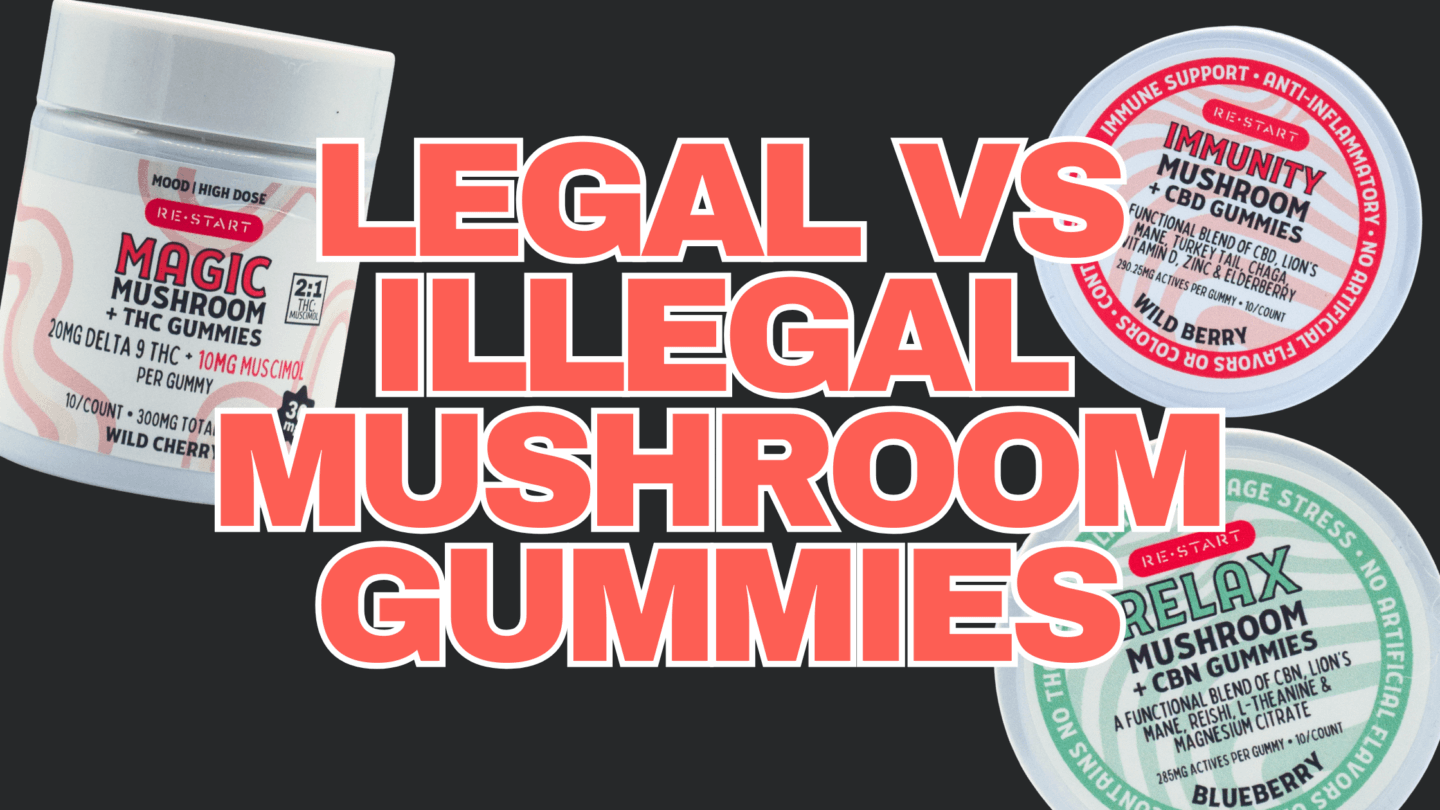
Understanding Psilocybin and its Legal Status in California
To navigate the legality of mushroom gummies, it’s essential to understand the legal classification of psilocybin in California. Historically, psilocybin has been classified as a Schedule I controlled substance under both federal and state law. This classification places it in the same category as substances like heroin and LSD, deemed to have a high potential for abuse and no currently accepted medical use. Consequently, the possession, sale, and cultivation of psilocybin-containing mushrooms have been illegal.
However, the landscape surrounding psilocybin is undergoing a significant transformation. In recent years, there has been a growing movement advocating for the decriminalization and even legalization of psilocybin for therapeutic and personal use. This shift is driven by emerging research suggesting the potential benefits of psilocybin in treating various mental health conditions, including depression, anxiety, PTSD, and addiction.
Decriminalization Efforts in California Cities
While California has not enacted statewide legalization of psilocybin, several cities have taken steps to decriminalize the possession and personal use of psilocybin-containing mushrooms. Notable among these are Oakland, Santa Cruz, and Denver (though Denver is in Colorado, its actions have influenced California cities). These cities have passed ordinances that reclassify psilocybin as a low-priority enforcement issue, essentially making arrests and prosecutions for personal possession of small amounts highly unlikely.
It is crucial to understand that decriminalization is not the same as legalization. Decriminalization means that law enforcement will not actively pursue or arrest individuals for possessing small quantities for personal use. However, it does not make the substance legal to sell, cultivate, or distribute. Furthermore, these local ordinances are subject to interpretation and can be overridden by state or federal laws.
The Nuance of “Psychoactive Mushrooms”
The distinction between “psychoactive mushrooms” and other types of mushrooms is paramount when considering the legality of gummies. Most commercially available mushroom gummies are not made with psilocybin-containing mushrooms. Instead, they often utilize adaptogenic mushrooms like reishi, lion’s mane, chaga, and cordyceps. These mushrooms are prized for their purported health benefits, such as stress reduction, cognitive enhancement, and immune support, and they do not contain psilocybin.
The legality of gummies made from these adaptogenic mushrooms is generally undisputed. They are legal to produce, sell, and consume in California as they do not fall under the purview of controlled substance laws. The confusion often arises from the marketing of these products, which can sometimes leverage the popular fascination with “magic mushrooms” without actually containing them.
Legal Mushroom Gummies vs. Illicit Psilocybin Products
The market for mushroom gummies is a mixed bag. On one hand, you have legitimate businesses producing gummies infused with beneficial, non-psychoactive mushrooms, catering to the wellness and health-conscious consumer. These products are widely available in health food stores, online marketplaces, and even some mainstream retailers.
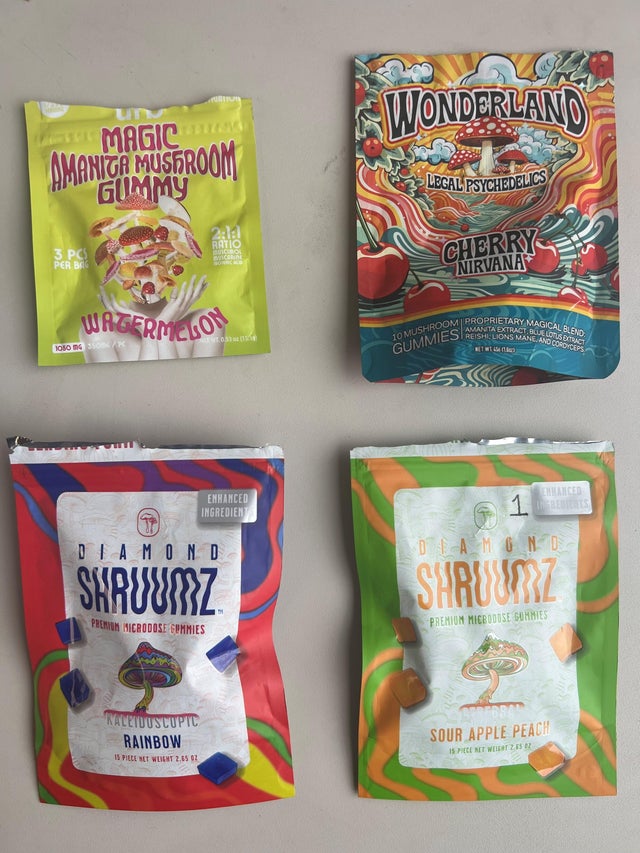
On the other hand, there is a less regulated underground market that may offer gummies claiming to contain psilocybin. The legality of these products is highly questionable and directly contravenes state and federal law. Purchasing or possessing such items carries significant legal risks.
What Constitutes a “Mushroom Gummy”?
The definition of a “mushroom gummy” can be intentionally vague, leading to consumer confusion. For products intended for wellness and general consumption, the ingredients will typically be listed clearly, highlighting the specific types of adaptogenic mushrooms used. These are often processed into extracts or powders before being incorporated into the gummy formulation.
Conversely, any product that purports to contain psilocybin, regardless of its form (gummy, capsule, etc.), is illegal in California unless specifically authorized for research or approved therapeutic use through a sanctioned program. It’s essential for consumers to be discerning and to research the ingredients and the reputation of the brand before purchasing any mushroom-based products.
Navigating the Future of Psychedelic Research and Regulation
California, with its progressive stance on many social and health-related issues, is often a focal point for discussions about the future of psychedelic medicine. While statewide legalization of psilocybin for recreational use is not currently on the horizon, the state is closely watching developments in other regions and is involved in various research initiatives.
The potential for psilocybin-assisted therapy to be legalized for medical purposes is a growing area of interest. If such legislation were to pass, it would likely involve strict regulations, including licensed practitioners, supervised administration, and specific conditions for treatment. This would create a legal pathway for psilocybin in a controlled therapeutic setting, distinct from recreational use.
Implications for Travelers and Tourists in California
For travelers visiting California, understanding the legal status of mushroom gummies is important, especially if they are curious about exploring the wellness or psychedelic scene. If you are seeking gummies for general wellness benefits, those made with adaptogenic mushrooms are legal and readily available. You can find them at reputable health and wellness stores in cities like Los Angeles, San Francisco, and San Diego.
However, if you are seeking psilocybin-containing products, it is imperative to understand the legal risks involved. While some cities have decriminalized possession, the sale and distribution remain illegal, and possession of larger quantities can still lead to serious legal consequences. Law enforcement may not prioritize arrests for small amounts, but it is not a guarantee. Travelers should exercise caution and avoid engaging in any activities that could jeopardize their trip or legal standing.
When choosing accommodation for your California adventures, consider that many hotels and resorts, from luxury options like The Ritz-Carlton, Laguna Niguel to charming boutique inns, are concentrated in areas with vibrant cultural scenes and easy access to various attractions. Staying in or near major cities will provide more opportunities to explore local markets and health food stores where legal mushroom gummies are often sold.
The burgeoning interest in cannabis tourism in California, with its established legal framework, sometimes intersects with the curiosity surrounding other naturally derived wellness products. However, it is crucial to remember that cannabis and psilocybin are regulated under entirely different legal statutes. Travelers should familiarize themselves with the specific laws pertaining to any substance they intend to consume.
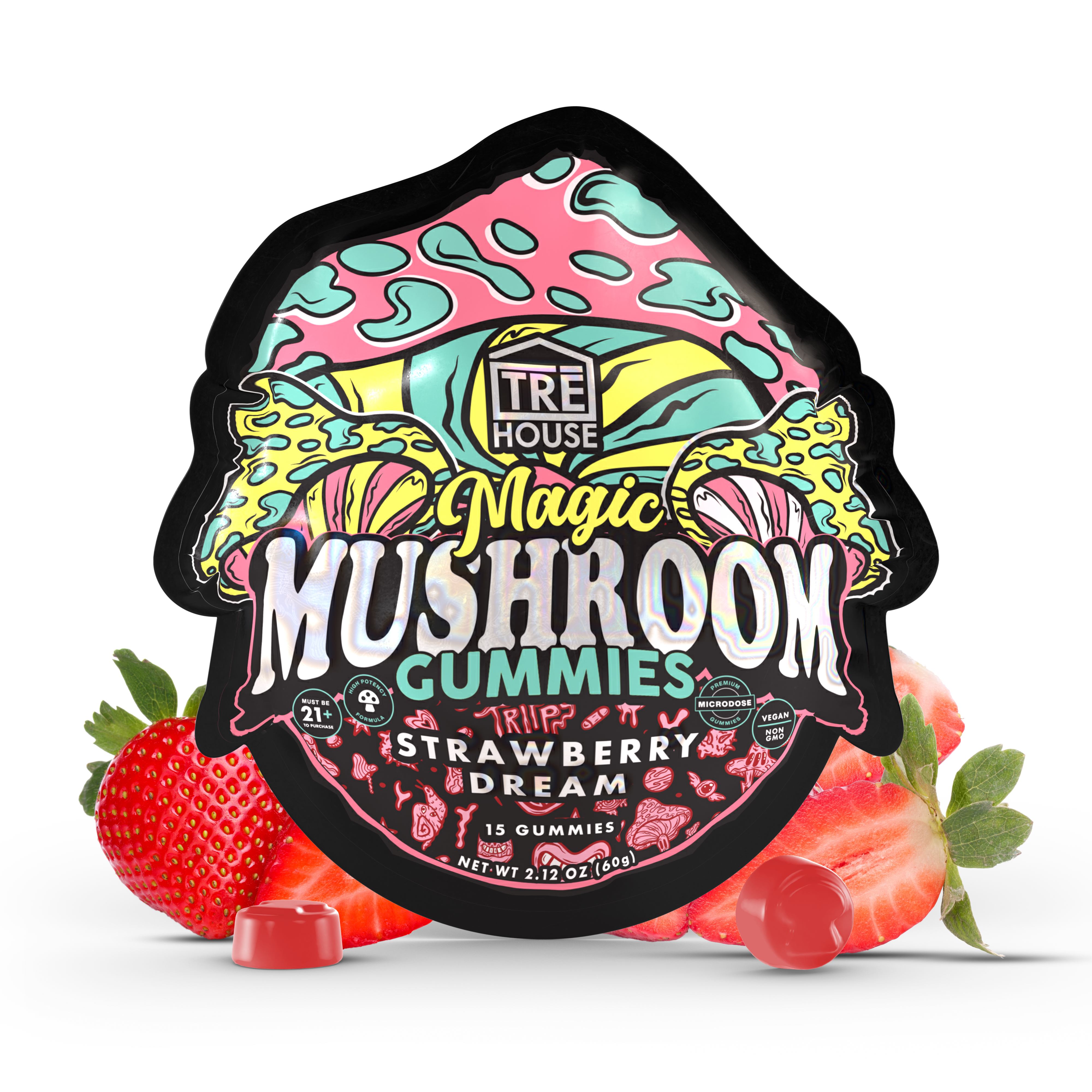
Consumer Caution and Informed Choices
Ultimately, the question of whether mushroom gummies are legal in California boils down to their ingredients. Gummies made from non-psychoactive, adaptogenic mushrooms are legal and a growing part of the wellness industry. These products can be found at many reputable establishments and are generally safe for consumption when sourced from trusted brands.
Gummies containing psilocybin, however, remain illegal under state and federal law. While decriminalization in certain cities offers some leniency for personal possession, the risks associated with these products are substantial. Consumers should prioritize informed choices, thoroughly research brands, and be aware of the legal ramifications before making any purchases. The evolving legal landscape of psychedelics means that staying informed is key, whether you are a California resident or a visitor exploring its many wonders. Whether your journey in California involves exploring the stunning coastline near Big Sur, immersing yourself in the art scene of Palm Springs, or enjoying the theme parks in Anaheim, always ensure your choices align with local laws and regulations.