
The vast, diverse, and utterly captivating archipelago of Hawaii is a dream destination for travelers worldwide. While many people are familiar with the name “Hawaii,” referring to the entire island chain, there’s one island that stands out for its sheer scale and remarkable variety: the Big Island. But what is the Big Island Hawaii truly called, beyond this colloquial descriptor? This question often sparks curiosity, leading us down a fascinating path of discovery that delves into the heart of Hawaiian culture, geography, and identity.
The official and most widely recognized name for the Big Island is Hawaiʻi Island. This name pays homage to the legendary navigator Hawaiʻiloa, who is credited in Hawaiian tradition with discovering these islands. By referring to it as Hawaiʻi Island, one clearly distinguishes it from the state of Hawaii as a whole. This distinction is crucial, especially when planning a trip to this extraordinary place. Travelers might be looking for the vibrant energy of Oahu, the lush romance of Maui, the dramatic cliffs of Kauai, or the unique volcanic landscapes of Hawaiʻi Island. Understanding the nomenclature helps navigate the intricacies of Hawaiian geography and ensures you book your dream vacation to the right island.
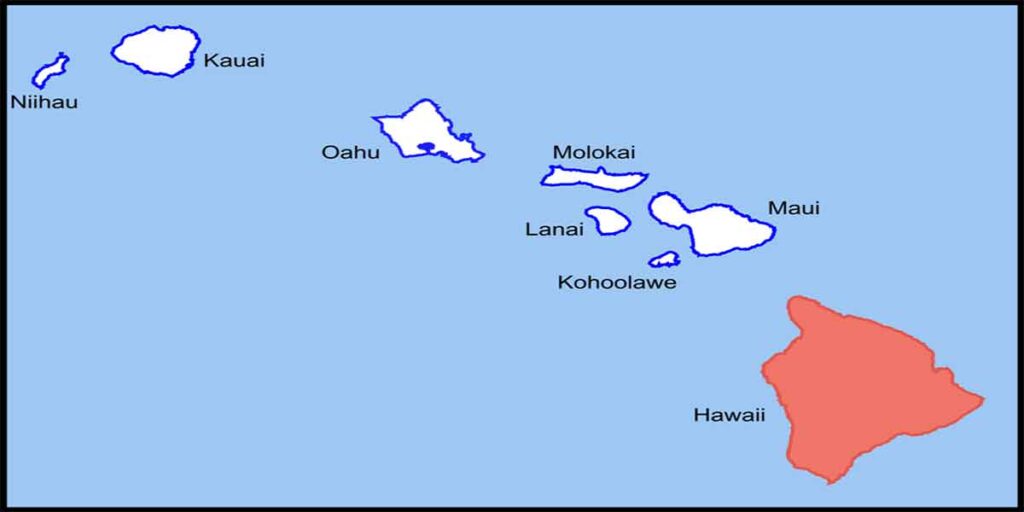
The naming convention is deeply rooted in the Hawaiian language and its rich oral traditions. Hawaiʻi itself is a word with profound significance, often translated as “homeland” or “place of the gods.” When applied to the island, it signifies its immense importance and its foundational role within the Hawaiian chain. For those planning an extended stay or seeking to immerse themselves in the local way of life, understanding these nuances is part of the enriching travel experience. Whether you’re searching for luxurious resorts, charming villas, or budget-friendly apartments, knowing the island’s true name facilitates more precise searches and a deeper connection to the destination.
Understanding Hawaiʻi Island: More Than Just a Name
The Big Island, or Hawaiʻi Island, is an island of superlatives. It is the largest island in the United States, a fact that immediately sets it apart. Its geological dynamism is unparalleled, home to active volcanoes that continue to shape its landscape and draw awe-struck visitors. This geological activity contributes to the island’s incredible diversity, supporting a range of ecosystems from arid lava fields to lush rainforests and snow-capped mountains.
A Tapestry of Natural Wonders and Cultural Heritage
The natural beauty of Hawaiʻi Island is staggering. Volcanoes National Park is a crown jewel, offering visitors the chance to witness the raw power of creation. Here, one can explore volcanic craters, hike through lava tubes, and observe steam vents, a testament to the Earth’s ongoing geological processes. The park is a UNESCO World Heritage Site, recognizing its outstanding universal value. Beyond the volcanoes, the island boasts a stunning coastline with diverse beaches, including the famous black sand beaches of Punaluʻu and the white sands of Hāpuna Beach.
The island’s interior is equally captivating. The Kohala Mountains offer scenic drives and hiking opportunities, while the Waipiʻo Valley, a sacred and historically significant place, provides breathtaking views and a glimpse into Hawaiian history. The Paniʻo Valley is another remarkable natural landmark, a lush, verdant valley carved by ancient rivers, offering a stark contrast to the volcanic terrains. For those interested in marine life, the waters surrounding Hawaiʻi Island are teeming with vibrant coral reefs and a diverse array of fish and sea turtles. Snorkeling and diving in places like Kealakekua Bay are unforgettable experiences.
Culturally, Hawaiʻi Island is the cradle of Hawaiian civilization. Kailua-Kona and Hilo are the island’s primary towns, each offering a unique perspective. Kailua-Kona, on the western side, is known for its sunny skies, historic sites like Huliheʻe Palace, and its role as a hub for water sports and luxury tourism. Hilo, on the eastern side, is wetter and more lush, often called the “Orchid City,” and serves as a gateway to the natural wonders of the Hamakua Coast. Exploring these towns provides insight into the island’s local culture, its history, and its modern-day lifestyle.
Where to Stay and What to Experience
When planning a trip to Hawaiʻi Island, accommodation options are as varied as the island itself. From the opulent suites and sprawling resorts in Kohala Coast to charming boutique hotels and vacation apartments in Kailua-Kona and Hilo, there’s something to suit every lifestyle and budget. Luxury travel often leads visitors to renowned establishments like the Four Seasons Resort Hualalai or the Mauna Lani Auberge Resorts Collection, offering world-class amenities and breathtaking ocean views. For those seeking a more secluded experience, private villas and long-term stay options are readily available, providing a home away from home.

Tourism on Hawaiʻi Island is not just about sightseeing; it’s about immersion. Food is a significant part of this experience, with opportunities to savor local Hawaiian cuisine, from fresh seafood to traditional poi and kalua pig. Participating in a luau is a classic way to enjoy Hawaiian food, music, and dance. For the adventurous, activities abound. Whether it’s hiking across lava fields, snorkeling with manta rays off the coast of Kona, stargazing at the summit of Mauna Kea, or simply relaxing on a pristine beach, Hawaiʻi Island offers endless possibilities for creating lasting memories.
For families, the island offers a wealth of child-friendly attractions, including the Panaʻewa Rainforest Zoo and educational experiences at Volcanoes National Park. Business travelers can find comfortable and well-equipped business stays in Hilo and Kona. The Big Island truly caters to every type of traveler, making it an ideal destination for family trips, romantic getaways, or solo adventures.
The Heart of Hawaiʻi: Identity and Significance
The name Hawaiʻi Island is more than just a label; it’s an embodiment of the island’s unique identity within the Hawaiian archipelago and the broader Pacific. The island’s sheer size, its active volcanism, and its deep historical roots all contribute to its distinct character. It’s an island of creation and destruction, of ancient traditions and modern innovation, and it invites exploration and discovery at every turn.
Navigating the Island: From Volcanoes to Beaches
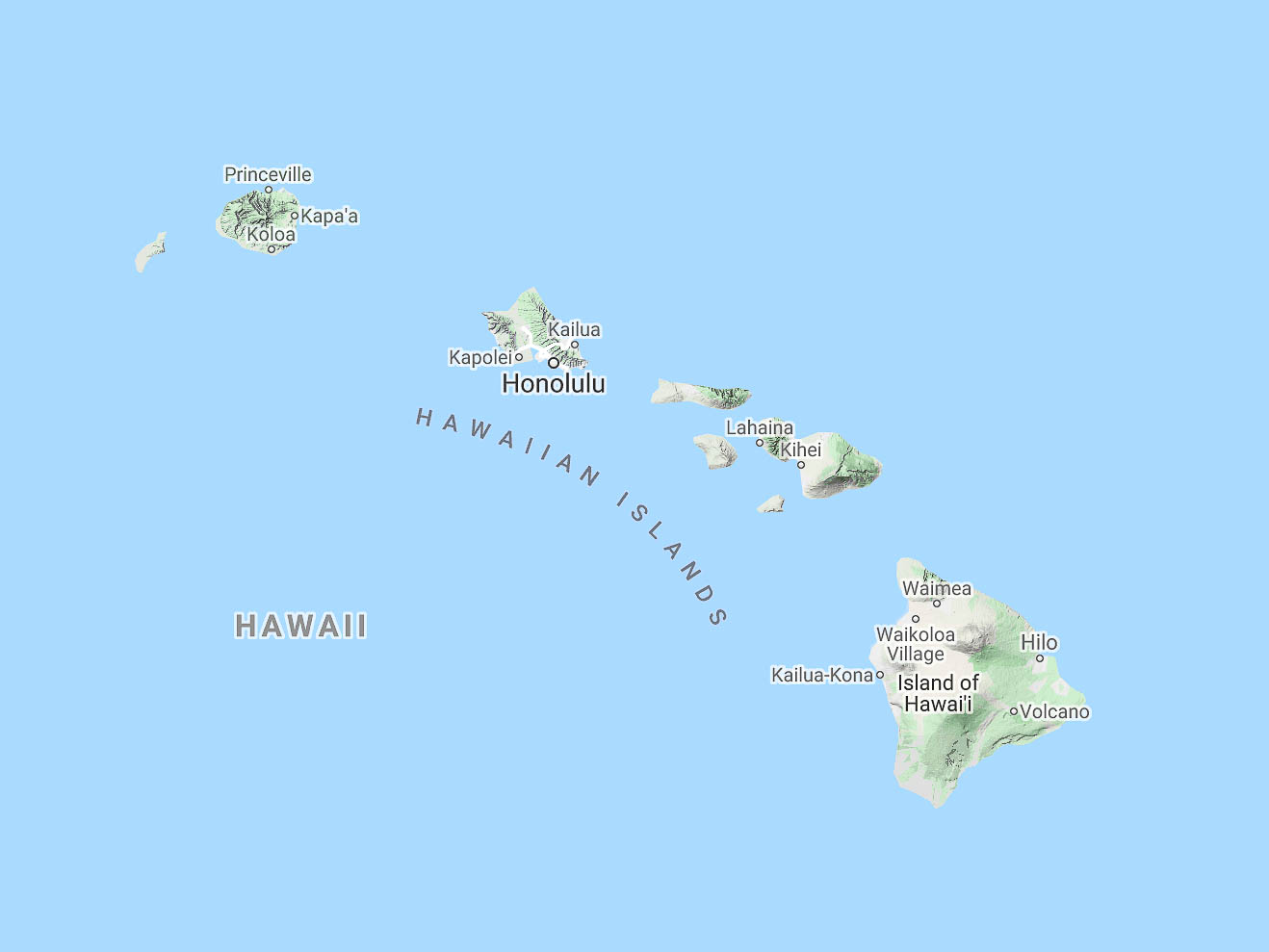
Getting around Hawaiʻi Island is an adventure in itself. The island is large enough that it’s often divided into regions for practical exploration. The western side, known as Kona, is typically drier and sunnier, famous for its coffee plantations, historical sites, and excellent snorkeling and diving opportunities. Kailua-Kona is the main town here, a bustling hub with a charming waterfront. Inland from Kona, the slopes of Mauna Kea and Mauna Loa offer a completely different landscape, culminating in the stark, otherworldly beauty of the volcanic summits.
The eastern side, dominated by Hilo, is the wettest part of the island and is characterized by lush rainforests, waterfalls, and dramatic coastlines. The Hamakua Coast, north of Hilo, is a particularly scenic stretch with vibrant greenery and numerous natural attractions. Further south, the island’s volcanic activity is most evident, with Volcanoes National Park being the focal point. Here, visitors can witness the ongoing geological forces that have shaped and continue to shape the island.
Beyond the Name: Experiencing the Magic
To truly understand what the Big Island Hawaii is called, one must experience it. The name Hawaiʻi Island is a gateway to a world of unparalleled natural beauty, rich cultural heritage, and unforgettable adventures. Whether you are drawn by the allure of active volcanoes, the serenity of black sand beaches, the vibrant underwater world, or the warmth of Hawaiian hospitality, Hawaiʻi Island promises a travel experience like no other.
When you book your accommodation, whether it’s a luxurious resort in Wailea (though this is on Maui, and it’s important to be specific!), a quaint hotel in Hilo, or a vacation rental, you are choosing a base from which to explore this magnificent island. The tourism industry here is geared towards showcasing the island’s diverse attractions and offering authentic experiences. From guided tours of Volcanoes National Park to whale watching expeditions and surfing lessons, there are activities for every level of adventurer.
The lifestyle of Hawaiʻi Island is one that blends the laid-back island pace with the excitement of exploration. It’s a place where you can witness the birth of new land from molten lava and then, just a short drive away, relax on a sun-drenched beach. The landmarks are not just geological formations but also historical sites that whisper tales of ancient Hawaiian chiefs and navigators.
Ultimately, the Big Island is called Hawaiʻi Island to honor its place as the largest and arguably most geologically and culturally significant island in the state. It’s a name that carries weight, representing a land of immense power, profound beauty, and enduring spirit. Planning your trip to Hawaiʻi Island is the first step towards discovering its magic for yourself.
LifeOutOfTheBox is a participant in the Amazon Services LLC Associates Program, an affiliate advertising program designed to provide a means for sites to earn advertising fees by advertising and linking to Amazon.com. Amazon, the Amazon logo, AmazonSupply, and the AmazonSupply logo are trademarks of Amazon.com, Inc. or its affiliates. As an Amazon Associate we earn affiliate commissions from qualifying purchases.