
Florida, often dubbed the Sunshine State, is a magnet for travelers, new residents, and anyone seeking a vibrant lifestyle filled with endless possibilities for adventure and relaxation. From the pristine shores of Miami Beach to the thrilling theme parks of Orlando, and from the historic charm of St. Augustine to the serene beauty of the Florida Keys, exploring this diverse state truly necessitates the freedom and flexibility that only a personal vehicle can provide. Whether you’re planning a long-term stay, relocating for good, or simply extending your visit, understanding the essentials of vehicle ownership is paramount. A crucial step in establishing your automotive independence in Florida is obtaining a proper car title.
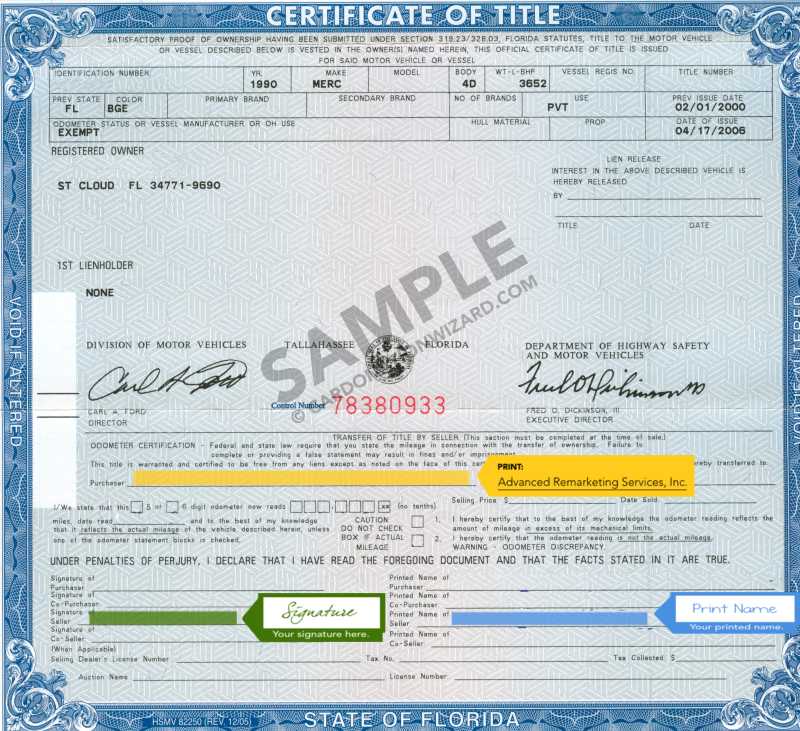
The process of securing a car title might seem daunting at first glance, especially if you’re new to the state or unfamiliar with its specific regulations. However, with the right information and a clear understanding of the steps involved, it can be a surprisingly smooth and straightforward experience. This guide aims to demystify the process, walking you through everything you need to know to successfully title your car in Florida, ensuring you’re ready to hit the road and discover all the incredible destinations this state has to offer. From bustling cityscapes like Tampa and Jacksonville to the tranquil natural wonders of Everglades National Park, your titled vehicle will be your ticket to an unforgettable Florida adventure.
Understanding the Importance of a Car Title in Florida
A car title is far more than just a piece of paper; it’s the legal document that establishes ownership of your vehicle. In Florida, as in all other states, having a valid title is a non-negotiable requirement for legally operating your car, selling it, or using it as collateral. Without a proper title, your ability to register your vehicle, acquire insurance, or even park it legally can be severely hampered. For those embracing the Florida lifestyle, whether it’s cruising down A1A in Fort Lauderdale or taking a family trip to Walt Disney World Resort, a car is often the centerpiece of daily life and leisure. A correctly titled vehicle ensures that these experiences are not just possible, but also legally secure.
The authority responsible for issuing vehicle titles in Florida is the Florida Department of Highway Safety and Motor Vehicles (FLHSMV). This agency oversees all aspects of vehicle registration, titling, and driver’s licenses, ensuring that all vehicles on Florida roads meet safety and legal standards. Understanding the role of the FLHSMV is crucial, as their guidelines dictate the entire process. They are the ultimate arbiter of vehicle ownership, and complying with their regulations is essential. Beyond just legal compliance, a title safeguards your investment. It protects you from potential fraud and ensures that when you eventually decide to sell your vehicle, the transaction is transparent and legitimate. Imagine planning a spontaneous trip to Key West or a scenic drive through Naples and realizing your vehicle isn’t properly titled – it could derail your plans entirely. Therefore, proactively addressing the titling process is a cornerstone of responsible vehicle ownership and an essential step for fully immersing yourself in the Florida experience.
Essential Steps to Obtain a Florida Car Title
Navigating the bureaucracy of vehicle titling in Florida can appear complex, but by breaking it down into manageable steps, you’ll find it quite straightforward. The process generally revolves around meticulous documentation, careful application, and the payment of necessary fees.
Step 1: Gather Required Documentation
Preparation is key when applying for a Florida car title. Having all your documents in order before you visit a service center will save you significant time and potential frustration.
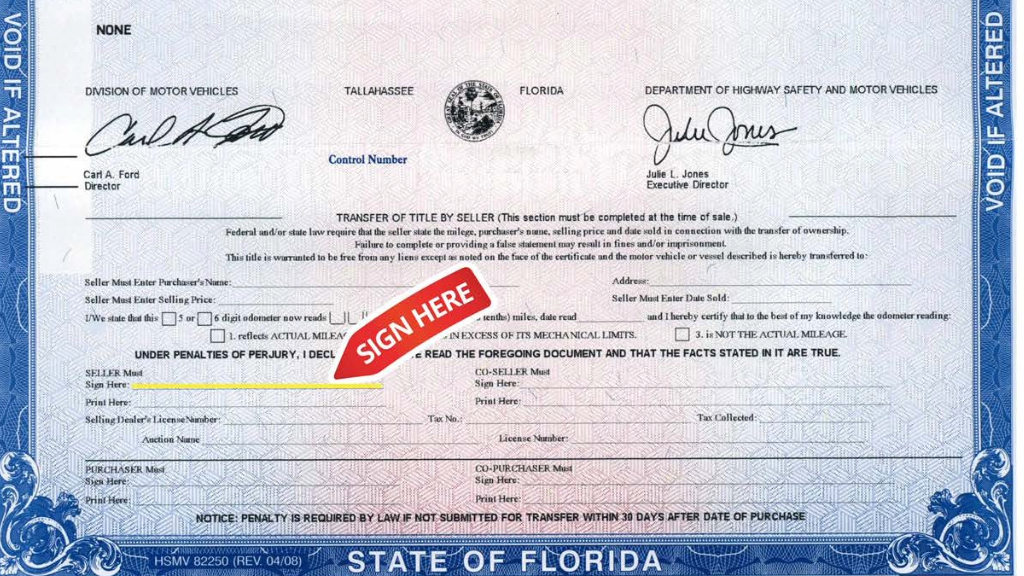
- Proof of Ownership: This is the most critical document. If you’re titling a brand-new vehicle, you’ll need the Manufacturer’s Certificate of Origin (MCO). For used vehicles, you’ll need the original certificate of title, properly assigned to you by the previous owner. Ensure all sections, including the odometer disclosure and seller’s signature, are correctly filled out.
- Proof of Identity: You’ll need a valid government-issued photo identification, such as a Florida Driver’s License or ID card, or a passport. This verifies your identity as the vehicle’s new owner.
- Odometer Disclosure Statement: For vehicles 10 years old or newer, federal law requires an odometer disclosure statement. This is often included on the title itself but might require a separate form (HSMV Form 82994) if the title doesn’t have a dedicated section. Accuracy here is crucial, as it impacts the vehicle’s value and future resale.
- Application for Certificate of Title With/Without Registration (Form HSMV 82040): This is the primary application form you will need to complete. It collects all pertinent information about you, the vehicle, and the nature of the title application. You can usually find this form online on the FLHSMV website or at any Tax Collector’s Office. Fill it out accurately and completely to avoid delays.
- Proof of Florida Insurance: Before you can register and title your vehicle, Florida law requires you to have personal injury protection (PIP) and property damage liability (PDL) insurance from a company licensed to do business in the state. You’ll need to show proof of this coverage.
- Vehicle Identification Number (VIN) Verification: If you are a new Florida resident bringing a vehicle from another state, or if the vehicle has never been titled in Florida before, you will need to have the VIN verified. This can be done by a Florida law enforcement officer, a licensed dealer, or by a designated FLHSMV employee using Form HSMV 86062. This step ensures the vehicle’s identity matches its documentation, crucial for preventing theft and fraud.
- Lienholder Information (if applicable): If you financed your vehicle, your lender (lienholder) will hold the physical title until the loan is paid off. You’ll need to provide their name and address on your application. The title will eventually be sent to them directly.
Step 2: Navigate the Application Process
Once your documents are meticulously organized, the next step is to submit your application. In Florida, vehicle titling and registration services are primarily handled by your county’s Tax Collector’s Office.
- Where to go: Your local County Tax Collector’s Office is your primary destination for titling and registration. While the FLHSMV sets the statewide policies, the actual processing is decentralized to county offices. You can usually find the nearest office by searching online for “[Your County] Tax Collector’s Office.” Some counties, like those serving Orlando and Tampa, have multiple convenient locations.
- Online vs. In-person considerations: While some initial forms can be downloaded online, the entire titling process generally requires an in-person visit for verification of documents, VIN inspection (if needed), and payment. This face-to-face interaction helps prevent fraud and ensures all requirements are met. It’s advisable to check your specific county’s website as some offer appointment scheduling, which can significantly reduce waiting times.
- Waiting times and what to expect: Wait times can vary greatly depending on the time of day, day of the week, and the specific office location. Mid-mornings and early afternoons, especially mid-week, tend to be less busy. Be prepared to wait, and bring something to occupy your time. When your turn comes, a clerk will review all your documents, verify your identity, and process your application. They will issue you a temporary registration and license plate if applicable, and explain when you can expect your physical title (which is usually mailed to the lienholder or to you if there’s no lien).
Step 3: Pay Applicable Fees
The final administrative hurdle is paying the necessary fees. These can include titling fees, registration fees, and sales tax.
- Title fees: A standard title fee is typically around $75.25 for an electronic title or $77.25 for a paper title, but this can vary. There may also be additional fees for new registrations, duplicate titles, or fast title services.
- Registration fees: These fees vary significantly based on the vehicle’s weight and type, and whether it’s a new registration or a renewal. New residents bringing an out-of-state vehicle will also pay an initial registration fee (often referred to as the “new resident fee”) of $225, in addition to standard registration costs.
- Sales tax: If you purchased your vehicle, Florida sales tax (currently 6%) is due on the purchase price. If you moved to Florida from another state and have owned your vehicle for more than six months, you might be exempt from this, but if you’ve owned it for less, you may owe the difference between Florida’s sales tax and what you paid in your previous state.
- Methods of payment: Most Tax Collector’s Offices accept cash, checks, and major credit/debit cards. It’s always wise to confirm acceptable payment methods with your specific county office beforehand.
Specific Scenarios and Considerations for Florida Car Titles
The general titling process covers most situations, but certain circumstances require additional steps or unique considerations.
New Florida Residents
Welcome to the Sunshine State! As a new resident, you have 30 days to register your out-of-state vehicle with the FLHSMV. This process involves a few extra steps:
- Out-of-state title surrender: You will need to surrender your existing out-of-state title to the Florida Tax Collector’s Office. If there’s a lienholder on your out-of-state title, you’ll need to apply for a Florida title and registration, and the FLHSMV will contact your lienholder to request the out-of-state title.
- VIN Verification: As mentioned, your vehicle’s VIN will need to be verified (Form HSMV 86062) to confirm its identity.
- Initial registration fee: Be prepared for the $225 initial registration fee for new residents, in addition to standard registration and title fees.
- Integrating into the Florida lifestyle: Getting your car titled and registered is a key step towards embracing life in Florida, whether you’ve moved to a bustling city like Gainesville or the state capital, Tallahassee. It frees you up to explore local attractions, commute to work, or take weekend trips to places like Busch Gardens Tampa Bay or the cultural hubs of Sarasota.
Purchasing from a Private Seller
When buying a car from an individual, it’s crucial to ensure a proper title transfer to protect yourself and ensure legal ownership.
- Ensuring proper title transfer: The seller must physically sign over the existing title to you. Make sure they accurately fill in the buyer’s name (your name), the sales price, the date of sale, and the odometer reading. Any mistakes or omissions can cause significant delays.
- Bill of Sale importance: While the title transfer is paramount, a separate Bill of Sale is highly recommended. This document should detail the vehicle’s make, model, VIN, sale price, date of sale, and signatures of both buyer and seller. It serves as additional proof of purchase and can be invaluable in case of disputes or questions about sales tax.
- Avoiding common pitfalls: Beware of sellers who don’t have the physical title in hand or whose name isn’t on the title. This could indicate a stolen vehicle or a “title jumping” scam. Always verify the seller’s ID against the name on the title.
Lost or Damaged Titles
Accidents happen, and titles can get lost, stolen, or damaged. Fortunately, applying for a duplicate title in Florida is a straightforward process.
- Applying for a duplicate: You’ll need to complete an Application for Duplicate Title (Form HSMV 82101) and submit it to a Tax Collector’s Office or directly to the FLHSMV. You’ll need to provide your vehicle’s VIN, your driver’s license number, and the reason for the duplicate request. There is a fee for this service.
- Urgency for travel and daily life: Without a valid title, you cannot legally sell your vehicle or use it as collateral. If you’re planning a move or a significant financial transaction involving your car, obtaining a duplicate title should be a priority.
Vehicles from Other Countries
Importing a vehicle into Florida from another country involves a more complex process due to federal import regulations and customs requirements.
- Importation considerations: Vehicles must meet U.S. Environmental Protection Agency (EPA) emissions standards and Department of Transportation (DOT) safety standards. You may need to have the vehicle modified to meet these requirements.
- Customs and border protection: You will interact with U.S. Customs and Border Protection upon entry, where you’ll pay duties and obtain necessary import documentation. After federal clearance, you can then proceed with Florida’s titling and registration process, which will also require a VIN verification. This is a niche scenario but important for international travelers or residents bringing cherished vehicles from abroad.

Tips for a Smooth Title Acquisition Process and Enjoying Florida Life
Ensuring your car is properly titled in Florida is the gateway to unlocking the state’s full potential for travel and lifestyle. Here are some final tips to make the process as smooth as possible:
- Pre-checking requirements online: Before heading to the Tax Collector’s Office, always visit the FLHSMV website or your county’s Tax Collector website. Requirements can occasionally change, and specific forms may be updated. Having the most current information ensures you don’t make a wasted trip.
- Making appointments: Many County Tax Collector’s Offices now offer online appointment scheduling. Utilizing this feature can dramatically cut down on wait times, allowing you to plan your day more effectively and get back to enjoying your Florida activities sooner, whether it’s hitting the greens in Naples or visiting the vibrant markets of Sarasota.
- Leveraging your new title for travel: Once your vehicle is properly titled and registered, the open road awaits! With the confidence of legal ownership, you can embark on unforgettable journeys. Drive down to South Beach for a taste of art deco glamour, plan a historic road trip to St. Augustine, or venture to the Kennedy Space Center Visitor Complex for an out-of-this-world experience. Explore the natural beauty of Siesta Key Beach or the horticultural wonders of Bok Tower Gardens. Your titled car is your key to experiencing the best of Florida, from the magic of Universal Orlando Resort to its countless hidden gems.
- Importance of vehicle maintenance for safe travel: Beyond the title, ensuring your vehicle is well-maintained is crucial for safe and enjoyable travels across Florida’s expansive roadways. Regular checks on tires, fluids, and brakes will contribute significantly to a worry-free journey as you explore the diverse landscapes and attractions that the Sunshine State proudly presents.
In conclusion, obtaining a car title in Florida is a foundational step for anyone looking to embrace the full spectrum of experiences this vibrant state offers. While it requires attention to detail and adherence to specific guidelines, the process is well-defined and manageable. By preparing your documents, understanding the application steps, and being aware of specific scenarios, you’ll soon have your title in hand, ready to embark on countless Florida adventures, from spontaneous beach trips to meticulously planned explorations of its iconic landmarks and lesser-known treasures. Enjoy the ride!
LifeOutOfTheBox is a participant in the Amazon Services LLC Associates Program, an affiliate advertising program designed to provide a means for sites to earn advertising fees by advertising and linking to Amazon.com. Amazon, the Amazon logo, AmazonSupply, and the AmazonSupply logo are trademarks of Amazon.com, Inc. or its affiliates. As an Amazon Associate we earn affiliate commissions from qualifying purchases.