
California, a land synonymous with innovation, progressive thinking, and pioneering new frontiers, often finds itself at the forefront of societal and legal shifts. From the gold rush to the tech boom, and from environmental conservation to cannabis legalization, the Golden State frequently sets trends that ripple across the United States and beyond. It’s no surprise, then, that conversations around the legality and potential therapeutic benefits of psilocybin-containing mushrooms are gaining significant traction within its borders. For travelers, residents, and wellness enthusiasts alike, understanding the intricate legal landscape of mushrooms in California is crucial, especially when considering the state’s vibrant tourism, lifestyle, and accommodation sectors.
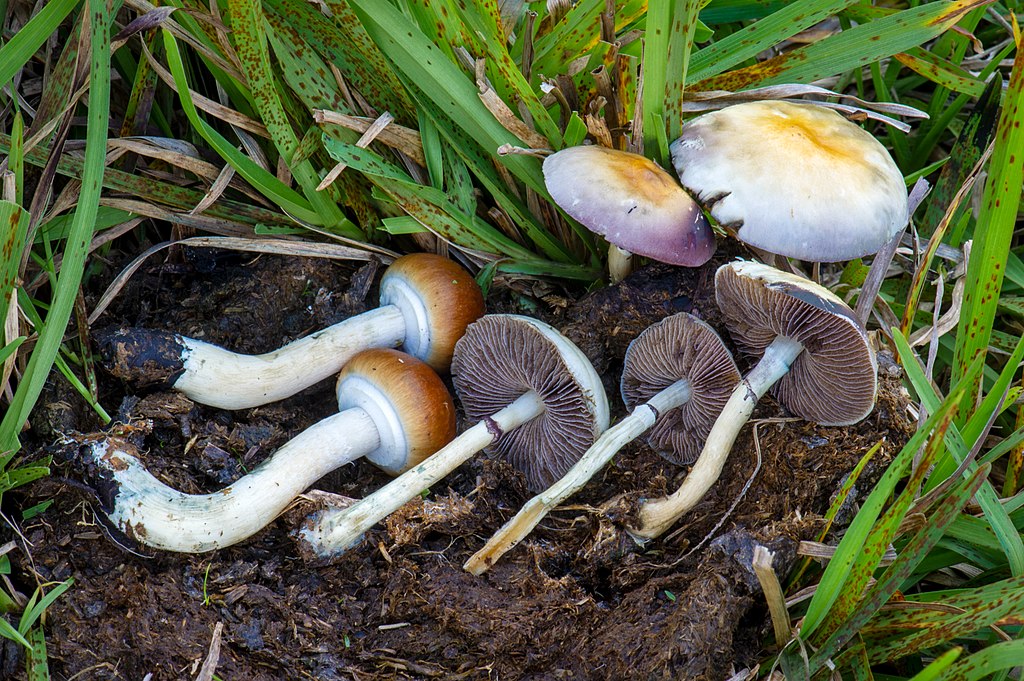
The question “Are mushrooms illegal in California?” is not as straightforward as a simple “yes” or “no.” While the federal government maintains a strict stance, classifying psilocybin (the psychoactive compound in “magic mushrooms”) as a Schedule I controlled substance – indicating a high potential for abuse and no accepted medical use – California itself presents a more nuanced picture. This article will delve into the current legal status, explore the burgeoning movement towards decriminalization and potential legalization, and examine how these shifts could impact travel, wellness tourism, and the broader lifestyle experiences offered by this diverse state.
Deciphering California’s Current Psilocybin Laws
Navigating the legalities of psilocybin in California requires understanding both federal prohibitions and the state’s evolving legislative efforts. The inherent tension between national drug policy and California’s progressive local initiatives creates a complex environment, particularly for those interested in the therapeutic or recreational potential of these fungi.
The Federal Stance Versus State Nuances
At the federal level, psilocybin remains illegal under the Controlled Substances Act. This classification places it alongside drugs like heroin and LSD, making its cultivation, possession, sale, and distribution federal offenses. For international travelers or even those crossing state lines, this federal prohibition carries significant weight, irrespective of any local or state-level leniency. Any interaction with psilocybin, therefore, carries inherent risks due to this overarching federal law.
However, California has a long history of challenging federal drug policies, most notably with the trailblazing Compassionate Use Act of 1996, which legalized medical cannabis, paving the way for eventual recreational legalization. This precedent fuels the current push for similar reforms regarding psilocybin. While state law largely mirrors federal prohibition on psilocybin, the actual enforcement and legislative momentum are telling a different story, reflecting a growing public and political interest in the substance’s therapeutic potential. The conversation has shifted from purely punitive to one centered on health, wellness, and personal autonomy, mirroring the broader trends in alternative medicine and holistic living that appeal to many of California’s residents and visitors.
Local Decriminalization Efforts: Pioneers in Progress
The most significant changes in California’s psilocybin landscape have originated at the municipal level, where several forward-thinking cities have taken steps to decriminalize naturally occurring psychedelics. Decriminalization is a crucial distinction: it does not mean legalization. Instead, it typically means that local law enforcement prioritizes these substances at the lowest level, often treating possession as a minor infraction akin to a parking ticket, or even entirely ceasing arrests for simple possession.
Oakland was the first city in California, and indeed one of the first in the nation, to decriminalize psilocybin mushrooms in 2019. This landmark decision by the Oakland City Council made adult use and possession of naturally occurring psychedelics, including psilocybin, ayahuasca, and mescaline-containing cacti, among the lowest priorities for law enforcement. Following closely was Santa Cruz, which adopted a similar resolution later that same year. In 2021, San Francisco, a city renowned for its counter-culture history and progressive policies, also joined the movement, passing a resolution to decriminalize entheogenic plants and fungi. Other cities like Berkeley are also exploring similar measures, indicating a clear trend within California’s urban centers.
These local initiatives reflect a growing awareness of the potential mental health benefits of psychedelics, particularly for conditions like depression, PTSD, and addiction, and a desire to shift away from the punitive measures of the War on Drugs. For individuals traveling to or residing in these specific cities, the risk of arrest for simple possession is significantly reduced, though it is vital to remember that state and federal laws still apply outside these municipal boundaries, and the sale or distribution of psilocybin remains illegal everywhere in California. This patchwork of regulations adds a layer of complexity for anyone planning a trip focused on wellness or alternative experiences within the state.
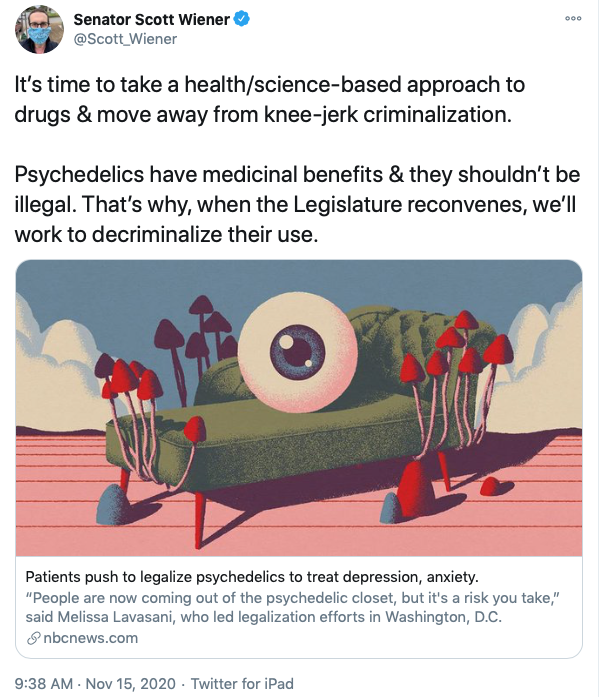
Beyond local efforts, there have been significant attempts to enact statewide reform. Sacramento has been the stage for legislative battles, with various bills introduced to either decriminalize or legalize psilocybin statewide. Notably, Senate Bill 58 (SB 58), which aimed to decriminalize possession of certain natural psychedelics, including psilocybin, for individuals 21 and older, passed through the legislature but was ultimately vetoed by Governor Gavin Newsom in 2023. While a setback, the passage through the legislative body demonstrated strong support for reform at the state level, indicating that the conversation is far from over. This ongoing legislative push underscores California’s role as a potential catalyst for broader psychedelic policy reform across the nation, following states like Oregon, which has legalized psilocybin for supervised therapeutic use.
The Evolving Landscape of Psilocybin and Travel
The shift in perception and policy surrounding psilocybin is poised to have profound implications for California’s travel and tourism sectors. As interest in mental wellness, personal growth, and alternative therapies grows, the potential for psilocybin to shape a new niche in “transformative travel” becomes increasingly apparent.
Wellness Tourism and Psychedelic Retreats
California is already a global hub for wellness, health, and alternative lifestyles. From luxurious spa retreats in Napa Valley to yoga studios in Los Angeles and holistic health centers in San Diego, the state attracts millions seeking rejuvenation, personal development, and mindful experiences. The growing interest in psilocybin as a therapeutic tool for mental health conditions like depression, anxiety, and PTSD, combined with its potential for fostering spiritual growth and introspection, presents a natural alignment with this existing wellness infrastructure.
While psilocybin retreats are not legally sanctioned for therapeutic use in California (except potentially under specific research protocols), the decriminalization in cities like Oakland, Santa Cruz, and San Francisco creates a unique environment. This has led to a burgeoning, albeit still largely unregulated, underground scene of facilitators and guides offering psychedelic experiences. For travelers seeking these specific experiences, the current landscape is fraught with legal ambiguities and safety concerns. However, should California move towards regulated therapeutic access, as Oregon has, it could transform into a premier destination for psychedelic-assisted therapy and supervised wellness retreats. Imagine boutique hotels and eco-lodges in serene locations like Big Sur or near Yosemite National Park offering expertly guided psychedelic journeys alongside traditional wellness amenities. This could attract a specific demographic of travelers, from those seeking profound personal breakthroughs to individuals exploring alternative treatments for chronic conditions.

These future “psychedelic retreats” could integrate seamlessly with existing luxury accommodation options, offering not just a stay, but a curated, transformative experience. This could involve pre-retreat consultations, guided sessions with licensed therapists, integration therapy, and a focus on natural surroundings to enhance the therapeutic journey. The lifestyle aspect here is paramount, catering to individuals interested in deep self-exploration and holistic well-being, pushing the boundaries of what modern travel and tourism can offer.
Potential Impact on California’s Tourism Sector
The potential economic and cultural impact of psilocybin reform on California’s tourism sector is significant. If regulated legalization for therapeutic or even adult-use purposes were to occur statewide, it could create a new niche of “psychedelic tourism,” drawing visitors from across the globe, much as cannabis tourism has done. This wouldn’t just be about attracting individuals seeking psychedelic experiences; it would also spur innovation in related industries, from research and development to the cultivation of fungi and the training of facilitators.
California’s diverse geography, from its stunning coastlines to its majestic mountains, offers an ideal backdrop for these types of experiences. The state already boasts an impressive array of attractions, from iconic landmarks like the Golden Gate Bridge and the Hollywood Sign to world-class amusement parks like Disneyland and vibrant culinary scenes. The addition of regulated psychedelic wellness centers could diversify California’s appeal even further, attracting a new demographic of conscious travelers interested in profound personal growth and healing.
This new form of tourism would require careful regulation to ensure safety, ethical practices, and responsible integration into local communities. It could also lead to new types of accommodation, specifically designed for psychedelic integration, emphasizing comfort, natural light, access to nature, and private spaces for reflection. From luxury villas offering bespoke therapeutic programs to more budget-friendly eco-lodges focused on group experiences, the range of options could expand dramatically, catering to various budgets and travel styles. Furthermore, the development of educational programs and accredited training institutions for psychedelic facilitators would solidify California’s role as a leader in this emerging field, further enhancing its reputation as a forward-thinking destination for health and wellness innovation.
Navigating Responsible Engagement and Safety
While the discussion around psilocybin often highlights its potential benefits, it is crucial to approach the topic with an emphasis on safety, responsibility, and adherence to current laws. For both residents and travelers, understanding the inherent risks and best practices is paramount, especially as the legal and social landscape continues to evolve.
Understanding the Risks and Best Practices
Despite growing interest and anecdotal evidence of therapeutic potential, psilocybin is a potent psychoactive substance. Its use is not without risks, particularly in uncontrolled or unguided environments. Potential adverse effects include anxiety, paranoia, fear, and in rare cases, exacerbation of underlying psychological conditions. Individuals with a history of psychosis, schizophrenia, or certain heart conditions should generally avoid psilocybin.
For anyone considering engaging with psilocybin, especially in a state like California where the legal status is complex, prioritizing safety is non-negotiable. This includes:
- Legality: Always verify the specific laws of the city or county you are in. Remember that even in decriminalized areas, the sale and distribution of psilocybin remain illegal, and federal law still classifies it as a Schedule I substance. There are currently no legally sanctioned psilocybin dispensaries or “stores” in California.
- Set and Setting: If engaging with psilocybin, ensure you are in a safe, comfortable, and familiar environment (the “setting”) and in a positive mental state (the “set”).
- Guidance: For therapeutic or exploratory purposes, having a trained and experienced guide or facilitator is highly recommended. These individuals can help navigate the experience, provide support, and assist with integration afterwards. However, it’s critical to note that legally recognized “psychedelic therapists” are currently rare outside of specific research trials in the United States.
- Dosage: Start with a low dose, especially if you are inexperienced. Understanding the potency can be difficult, particularly with naturally occurring mushrooms.
- Purity and Identification: Never consume mushrooms picked from the wild unless you are an expert mycologist. Misidentification can lead to consumption of highly poisonous fungi, which can be fatal. Purchasing from unregulated sources also carries risks regarding purity and potency.
- Integration: The psychedelic experience is often just the beginning. The process of integrating insights gained into daily life is crucial for long-term benefit. This often involves journaling, meditation, or discussions with a therapist or trusted individual.
For travelers, the safest approach currently is to engage with psilocybin only in jurisdictions where it is fully legal and regulated for therapeutic use (e.g., Oregon or countries like Costa Rica, Jamaica, or the Netherlands for specific preparations). Within California, until further statewide legislation is passed, exercising extreme caution and remaining informed about local ordinances is key to a safe and responsible trip, whether you’re staying in luxury suites or a budget-friendly apartment.
Future Outlook: Policy Shifts and Public Perception
The future of psilocybin in California is dynamic and promising, reflecting a broader shift in public and scientific perception. Ongoing legislative efforts are likely to continue, pushing for a statewide framework for either medical or broader adult-use access. The success of pilot programs in other states and the increasing body of scientific research supporting psilocybin’s therapeutic efficacy will undoubtedly influence future policy decisions in California.
The trajectory could follow a path similar to cannabis, beginning with medical access, then moving towards recreational legalization with robust regulatory structures. This would entail licensing for cultivation, manufacturing, testing, and dispensing, ensuring product safety and quality. Such a framework would also involve guidelines for psilocybin-assisted therapy, including the training and certification of facilitators and the establishment of dedicated wellness centers or clinics.
This evolution would not only impact the healthcare landscape but also significantly shape the travel and tourism industry. California could become a global leader in psychedelic wellness tourism, attracting visitors seeking transformative experiences in safe, regulated environments. This would, in turn, create new business opportunities in accommodation, specialized tours, and hospitality services tailored to this unique demographic. From luxurious resorts offering integrated psychedelic therapy programs to boutique hotels providing comfortable spaces for post-experience reflection, the opportunities for innovation in the accommodation sector are vast.
The shift in public perception, driven by scientific research and advocacy, will play a critical role. As the stigma surrounding psychedelics diminishes and understanding of their potential benefits grows, the political will for comprehensive reform will strengthen. California, with its history of embracing progressive change and its significant influence on national trends, is well-positioned to lead this paradigm shift, offering a new dimension to its already rich tapestry of lifestyle and travel experiences.
In conclusion, while the simple answer to “Are mushrooms illegal in California?” is still largely “yes” under state and federal law, the situation is far from static. The trailblazing efforts of cities like Oakland, Santa Cruz, and San Francisco have created pockets of decriminalization, signaling a clear movement towards reform. For travelers and residents alike, this evolving landscape presents both opportunities for unique wellness experiences and critical considerations for safety and legality. As California continues to explore the therapeutic and cultural potential of psilocybin, it remains a fascinating destination for those interested in the cutting edge of health, wellness, and transformative travel. Staying informed and exercising caution are paramount for anyone navigating this complex and exciting frontier.
LifeOutOfTheBox is a participant in the Amazon Services LLC Associates Program, an affiliate advertising program designed to provide a means for sites to earn advertising fees by advertising and linking to Amazon.com. Amazon, the Amazon logo, AmazonSupply, and the AmazonSupply logo are trademarks of Amazon.com, Inc. or its affiliates. As an Amazon Associate we earn affiliate commissions from qualifying purchases.