
Texas, a state renowned for its vast landscapes, vibrant culture, and distinctive culinary scene, often presents a unique legal framework that can surprise even seasoned travelers and residents. When it comes to exploring the diverse flora and fauna of the Lone Star State, particularly the fascinating world of fungi, understanding the legalities is paramount. This exploration delves into the legality of mushrooms in Texas, focusing on their consumption, cultivation, and sale, with a particular emphasis on psilocybin-containing mushrooms, often colloquially referred to as “magic mushrooms.”
Understanding Texas Mushroom Laws
The legal status of mushrooms in Texas is not a simple dichotomy of legal or illegal. The classification and legality depend heavily on the specific type of mushroom and its intended use. The state’s approach is primarily driven by federal drug laws, which Texas generally aligns with concerning controlled substances.
Psilocybin Mushrooms and Controlled Substances
The primary concern for many when asking about mushroom legality in Texas revolves around psilocybin-containing mushrooms. These fungi are psychoactive and have been classified as a Schedule I controlled substance under the federal Controlled Substances Act. Texas law, through its Controlled Substances Act, mirrors this federal classification.
- Possession: Possessing psilocybin mushrooms in Texas is illegal. This applies to dried mushrooms, live mushrooms, spores intended for cultivation, and any form containing psilocybin. The penalties for possession can range from misdemeanor charges to felony convictions, depending on the quantity involved. Law enforcement in Texas takes the possession of these substances seriously, and adherence to the law is crucial for anyone venturing into outdoor activities or exploring local markets.
- Cultivation: Cultivating psilocybin mushrooms is also illegal in Texas. This includes growing the mushrooms from spores or any other method. The act of cultivation is seen as an intent to produce a controlled substance, leading to similar legal ramifications as possession.
- Distribution and Sale: The distribution and sale of psilocybin mushrooms are strictly prohibited and carry severe penalties, including significant prison sentences and hefty fines. These offenses are treated as felony drug trafficking charges.
The focus on psilocybin mushrooms stems from their classification as hallucinogenic drugs. While there is a growing interest in the therapeutic potential of psilocybin, particularly in the realm of mental health, Texas has not yet enacted legislation to differentiate these uses from recreational use or to decriminalize possession. Therefore, for any traveler or tourist visiting or residing in Texas, it is essential to understand that any activity involving psilocybin mushrooms is against the law.
Non-Psychoactive Mushrooms: Culinary and Foraging Considerations
Beyond the realm of controlled substances, a vast array of non-psychoactive mushrooms thrives in Texas. These include edible varieties prized for their culinary applications and the fungi that play crucial roles in the state’s ecosystems. The legality surrounding these mushrooms is generally much more permissive.
- Culinary Mushrooms: Many delicious and nutritious mushrooms are legal to cultivate, sell, and consume in Texas. This includes popular varieties such as white button mushrooms, cremini, portobello, shiitake, oyster, and lion’s mane. These are widely available in grocery stores and farmers’ markets across the state, from bustling Austin to the culinary hubs of Houston and Dallas. Their cultivation and sale are regulated under food safety laws, ensuring they are safe for consumption.
- Foraging for Wild Edible Mushrooms: Foraging for wild mushrooms in Texas can be a rewarding experience, connecting individuals with nature and providing access to unique culinary ingredients. However, this activity comes with inherent risks and legal considerations.
- Land Ownership: It is illegal to forage on private property without the owner’s explicit permission. Trespassing laws apply, and respecting private land is paramount for any outdoor enthusiast. When exploring public lands, such as state parks or national forests, it’s crucial to research specific regulations for that area. Some parks may have restrictions on foraging, while others allow it for personal consumption. Always check with the park’s management or the relevant land agency.
- Identification and Safety: The most critical aspect of wild mushroom foraging is accurate identification. Many edible mushrooms have poisonous look-alikes that can cause severe illness or even death. Texas has a diverse range of fungi, and misidentification can have dire consequences. It is strongly advised to learn from experienced mycologists, join local mushroom clubs, or consult reliable field guides before consuming any wild-harvested mushroom. Texas A&M AgriLife Extension offers resources that can be helpful in identifying common Texas fungi.
- Commercial Sale: The commercial sale of wild-foraged mushrooms can be subject to more stringent regulations to ensure public safety. Food safety standards and licensing requirements may apply, and sellers are often required to demonstrate expertise in identification.
While the general consensus is that non-psychoactive mushrooms are legal, it’s always prudent to exercise caution and respect local ordinances. The natural bounty of Texas is best enjoyed responsibly and legally.
The Growing Interest in Psilocybin Research and Potential Decriminalization
Despite the current strict legal framework surrounding psilocybin mushrooms in Texas, there is a burgeoning global and national conversation about their therapeutic potential. Research into psilocybin-assisted therapy for conditions like depression, anxiety, PTSD, and addiction is showing promising results. This growing body of scientific evidence has led some cities and states in the United States to consider or enact decriminalization measures.
Decriminalization vs. Legalization
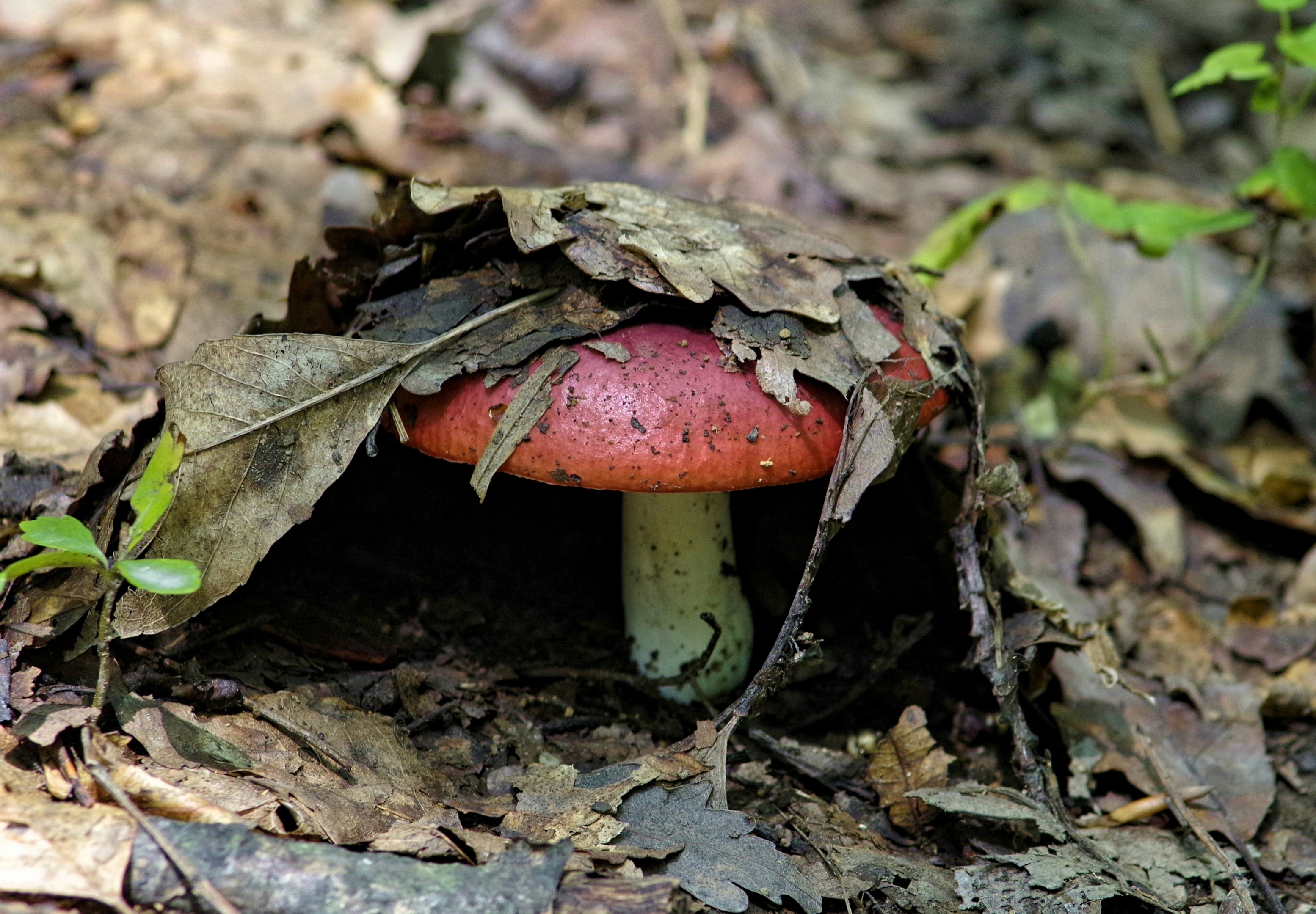
It is important to distinguish between decriminalization and legalization. Decriminalization typically means that possessing small amounts of a substance for personal use would not result in criminal charges, but rather civil penalties such as fines. Legalization, on the other hand, would involve regulating the production, sale, and consumption of the substance, similar to how cannabis is handled in some jurisdictions.
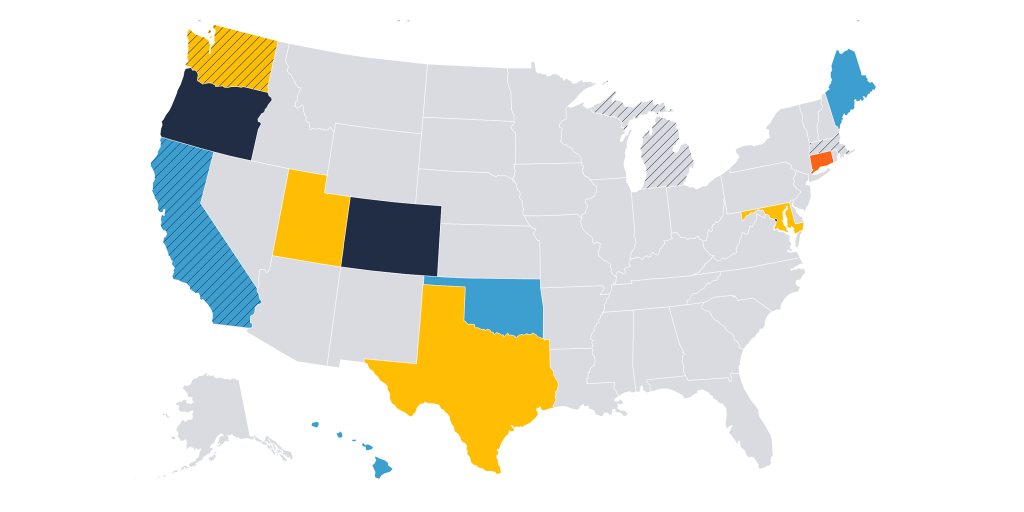
As of now, Texas has not taken steps toward decriminalizing or legalizing psilocybin mushrooms. The state’s legislative sessions have not yet addressed this issue with significant proposed changes. However, the national dialogue continues to evolve, and it is possible that future legislative sessions in Texas might revisit these laws.
Potential Impacts on Tourism and Local Culture
If Texas were to move towards decriminalization or legalization of psilocybin, it could have various impacts, particularly on tourism and local culture. Some regions are exploring “psychedelic tourism,” where individuals travel to destinations with more permissive laws for therapeutic or exploratory purposes. While this is currently not a factor in Texas due to its strict laws, shifts in legislation could potentially influence travel trends in the future.
For example, some parts of the United States and other countries have seen the emergence of “wellness retreats” that incorporate psilocybin-assisted experiences. Should Texas’s legal landscape change, it could potentially lead to the development of similar offerings, attracting a different segment of travelers interested in mental health and personal growth. This would, in turn, influence the hospitality sector, from boutique hotels to specialized retreat centers.
The Role of Spores and Mycology in Texas
The legal status of mushroom spores in Texas warrants specific attention. Psilocybin mushroom spores themselves do not contain psilocybin. Therefore, their legality can be a nuanced area. However, in practice, possessing psilocybin mushroom spores with the intent to cultivate them is generally viewed as an attempt to produce a controlled substance and is therefore illegal in Texas.
Conversely, spores for non-psychoactive mushrooms are perfectly legal and are often sold for culinary or educational purposes. Mycologists and hobbyists can freely purchase and cultivate a wide variety of gourmet and medicinal mushrooms for personal use and for sale, provided they adhere to food safety regulations. Events and workshops focused on mycology, the study of fungi, are common and legal in Texas, offering educational opportunities for those interested in the fascinating world of mushrooms.
Navigating Texas Mushroom Laws: A Traveler’s Guide
For those planning a visit to Texas, or for residents looking to engage with the state’s natural offerings, understanding the legal landscape surrounding mushrooms is essential for a safe and enjoyable experience.
For Culinary Enthusiasts and Travelers
- Farmers’ Markets and Grocery Stores: When you visit a farmers’ market or grocery store in cities like San Antonio or El Paso, you can confidently purchase a variety of culinary mushrooms. These are cultivated and sold legally.
- Restaurants: Texas boasts a diverse culinary scene, and many restaurants feature mushrooms prominently in their dishes. Whether you’re enjoying Tex-Mex with a mushroom addition or exploring fine dining options, you’re likely to encounter these fungi prepared by professional chefs.
- Guided Foraging Tours: If you’re interested in foraging for wild edibles, seek out guided tours led by experienced and reputable local guides. These guides will ensure you are on legal land and can help you identify edible species, teaching you about safe foraging practices. Always confirm the legality of foraging in specific parks or regions before you go.
For Those Interested in Mycology and Conservation
- Join Local Mycological Societies: Texas has active mycological societies. Joining one is an excellent way to learn about local fungi, participate in guided forays, and connect with experts. These groups are invaluable resources for understanding the diversity of Texas mushrooms and their ecological roles.
- Educational Resources: Utilize resources from Texas A&M AgriLife Extension and other university programs that offer information on mushroom cultivation, identification, and the ecological importance of fungi in Texas ecosystems.
- Respect Nature: Whether you are foraging or simply observing, always practice Leave No Trace principles. Protect the natural habitats where mushrooms grow to ensure their continued presence for future generations.
A Note on Legal Vigilance
The legal landscape concerning controlled substances, including psilocybin mushrooms, can be complex and subject to change. While Texas currently maintains a strict stance, the broader societal conversations about psychedelic substances and their potential benefits may influence future legislation. Staying informed about current laws and any proposed changes is always advisable for both residents and visitors. Ignorance of the law is not a defense, and adhering to Texas statutes will ensure a hassle-free and positive experience exploring the natural wonders and cultural richness of the Lone Star State.
LifeOutOfTheBox is a participant in the Amazon Services LLC Associates Program, an affiliate advertising program designed to provide a means for sites to earn advertising fees by advertising and linking to Amazon.com. Amazon, the Amazon logo, AmazonSupply, and the AmazonSupply logo are trademarks of Amazon.com, Inc. or its affiliates. As an Amazon Associate we earn affiliate commissions from qualifying purchases.