
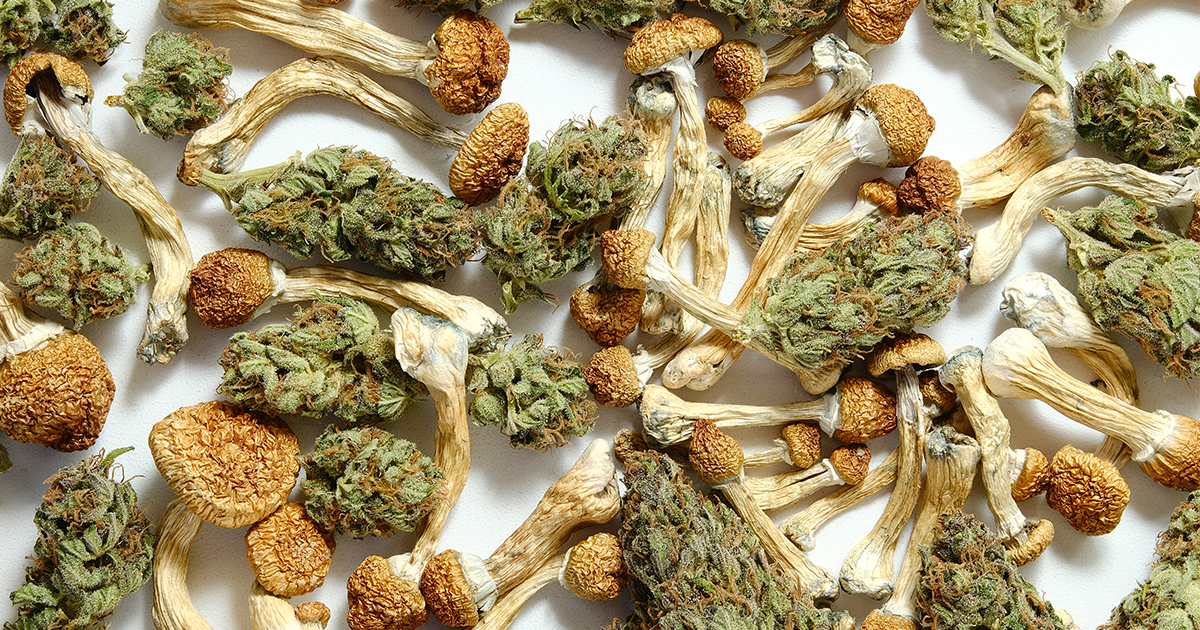
Las Vegas, Nevada, often conjures images of vibrant nightlife, world-class entertainment, and a generally permissive atmosphere. For travelers exploring this iconic destination, questions about the legality of various substances, including mushrooms, frequently arise. The short answer to “Are mushrooms legal in Las Vegas?” is complex, depending entirely on the type of mushroom in question. While culinary and most medicinal mushrooms are perfectly legal and enjoyed, the psychedelic variety, specifically those containing psilocybin, remains largely illegal under both federal and Nevada state law. This guide will delve into the nuances of mushroom legality, distinguishing between different types, exploring the current legal status of psilocybin in the Silver State, and providing essential context for visitors navigating the legal landscape of this unique city.

Many visitors might draw parallels between the legality of cannabis in Nevada and other substances. While recreational marijuana has been legal for adult use since 2017, the same cannot be said for psilocybin mushrooms. Understanding these distinctions is crucial for anyone planning a trip to Las Vegas to ensure a safe and legally compliant experience. As the national conversation around psychedelics evolves, with various states and cities exploring decriminalization and therapeutic use, it’s important to stay informed about the specific regulations in your chosen travel destination.
The Legal Landscape of Psilocybin in Nevada
When discussing the legality of mushrooms, the primary focus for most inquiries is on psilocybin-containing mushrooms, often referred to as “magic mushrooms.” These fungi contain psychoactive compounds, psilocybin and psilocin, which are classified as controlled substances.
Federal Classification and State Stance
Under federal law in the United States, psilocybin is classified as a Schedule I controlled substance by the Drug Enforcement Administration. This classification signifies that it has a high potential for abuse, no currently accepted medical use in treatment in the United States, and a lack of accepted safety for use under medical supervision. This federal stance casts a long shadow over state-level efforts, as federal law supersedes state law, especially in cases of interstate commerce or federal land.
Nevada state law largely mirrors the federal classification, listing psilocybin and psilocin as Schedule I controlled substances. This means that manufacturing, distributing, possessing, or using psilocybin mushrooms is illegal within the state. Unlike cannabis, which saw a successful campaign for recreational legalization, psilocybin has not yet achieved a similar legal status in Nevada. The legal framework treats these substances seriously, and individuals found in violation can face significant penalties, regardless of whether they are residents or tourists.
The distinction between federal and state law can sometimes create confusion, particularly when comparing Nevada’s liberal stance on gambling and marijuana with its more conservative approach to other controlled substances. While Las Vegas is known for its “anything goes” reputation in some respects, this certainly does not extend to substances like psilocybin mushrooms. Law enforcement in Las Vegas and throughout Clark County is tasked with upholding both state and federal drug laws, and they do so with consistency.
Decriminalization Efforts and What They Mean
Despite the current prohibition, there have been discussions and attempts to change the legal status of psilocybin in Nevada. In recent years, inspired by movements in other states and cities, advocates have pushed for decriminalization. Decriminalization, however, is not the same as legalization. If psilocybin were decriminalized, it would typically mean that possession of small amounts for personal use would result in civil infractions, such as fines, rather than criminal charges, jail time, or a criminal record. It would not permit the legal sale, distribution, or commercial production of the substance.
For example, in 2021, a bill was introduced in the Nevada Legislature that aimed to decriminalize small amounts of psilocybin, alongside other psychedelics like MDMA and DMT. This bill, Assembly Bill 382, sought to reduce penalties for possession to a misdemeanor, with a potential fine for first-time offenders. However, this legislative effort ultimately did not pass. As of the latest updates, no significant decriminalization or legalization measures for psilocybin have been successfully enacted in Nevada.
This means that as a traveler to Las Vegas, you should operate under the clear understanding that psilocybin mushrooms are illegal. Relying on the hope of future legal reform or anecdotal information can lead to serious legal consequences. The current legal framework provides little leniency for those found in possession or using these substances.
Penalties for Possession and Use
The penalties for possessing or using psilocybin mushrooms in Nevada can be severe, varying based on the quantity involved, prior offenses, and other circumstances. Generally, possession of psilocybin is considered a felony.
For a first offense involving a small quantity for personal use, individuals could face:
- Fines: Substantial monetary penalties.
- Imprisonment: Potentially one to four years in a state prison, though probation is sometimes an option, especially for first-time offenders.
- Criminal Record: A felony conviction can have long-lasting implications for employment, housing, professional licenses, and even international travel.
Possession with intent to distribute, or manufacturing psilocybin, carries even harsher penalties, including longer prison sentences and much larger fines. Even if the amount is small, a charge can escalate if there’s any indication of intent to sell, such as packaging or scales. For tourists, an arrest or conviction can lead to significant disruptions to travel plans, exorbitant legal fees, and a permanent mark on their record, which can impact future visits to the United States. It is always advisable to consult with a legal professional if you have any specific concerns or questions regarding Nevada drug laws.
Beyond Psilocybin: Other Mushroom Types in Las Vegas
While the focus on mushroom legality often centers on psilocybin, it’s important to remember that the vast majority of mushrooms are perfectly legal and widely consumed. These fall into categories of culinary and medicinal varieties, offering distinct experiences and benefits without the psychoactive effects.
Culinary Delights: Edible Mushrooms
Las Vegas is a foodie paradise, boasting an incredible array of restaurants, from casual eateries to Michelin-starred establishments. Culinary mushrooms are a staple in many kitchens, prized for their unique flavors, textures, and nutritional value. Varieties such as cremini, portobello, shiitake, oyster, and more exotic types like enoki and maitake are readily available in grocery stores across Las Vegas and featured prominently on restaurant menus.
Chefs in Las Vegas regularly incorporate these mushrooms into diverse cuisines, from Italian pastas and risottos to Asian stir-fries and American steakhouse dishes. If you’re exploring the local markets, you’ll find fresh, dried, and preserved edible mushrooms, offering a safe and delicious way to experience the fungal kingdom. Foraging for wild mushrooms, while popular in some regions, is generally not recommended for amateurs due to the risk of misidentifying poisonous species. In Nevada’s desert environment, edible wild mushrooms are less prevalent than in wetter climates, and extreme caution should be exercised by only foraging with expert guidance.
These culinary mushrooms provide a wonderful way to enhance your dining experiences in Las Vegas, adding depth and umami to various dishes. There are absolutely no legal restrictions on buying, possessing, or consuming these types of mushrooms.
Medicinal Mushrooms and Supplements
In addition to culinary uses, certain mushrooms are celebrated for their medicinal properties and are widely available as health supplements. These are non-psychoactive and are often consumed for their potential immune-boosting, cognitive-enhancing, or adaptogenic effects. Popular examples include:
- Reishi (Ganoderma lucidum): Known as the “mushroom of immortality,” Reishi is often used to support the immune system, reduce stress, and promote better sleep.
- Lion’s Mane (Hericium erinaceus): Valued for its potential neuroprotective benefits, Lion’s Mane is commonly used to support cognitive function, memory, and nerve health.
- Chaga (Inonotus obliquus): Rich in antioxidants, Chaga is consumed for its immune-modulating and anti-inflammatory properties.
These medicinal mushrooms, and others like Cordyceps or Turkey Tail, are fully legal to purchase and consume in Las Vegas. You can find them in various forms, including capsules, powders, tinctures, and teas, at health food stores, pharmacies, and online retailers. They are regulated as dietary supplements by the Food and Drug Administration (FDA), similar to vitamins and other herbal remedies, and do not fall under the controlled substances act. Travelers interested in these health-promoting fungi can explore them freely and openly during their stay in Las Vegas.
A Traveler’s Guide to Substance Laws in Las Vegas
Navigating the legal landscape of substances in a new destination can be tricky, especially in a city like Las Vegas where certain substances, like alcohol and marijuana, are legal, while others are strictly prohibited. For travelers, understanding these distinctions is key to a trouble-free visit.
Understanding Cannabis Legality in Nevada
Unlike psilocybin mushrooms, recreational marijuana is legal for adults 21 and older in Nevada. This means visitors can legally purchase cannabis products from licensed dispensaries located throughout Las Vegas and Clark County. The law allows adults to possess up to one ounce of marijuana flower or one-eighth of an ounce of cannabis concentrates.
However, there are crucial restrictions that travelers must be aware of:
- Public Consumption is Illegal: Despite being legal to purchase, it is illegal to consume marijuana in public places, including casinos, hotels (unless specifically designated cannabis-friendly, which are rare), parks, sidewalks, and vehicles. Consumption is restricted to private residences. This often poses a challenge for tourists staying in hotels that strictly prohibit cannabis use on their premises, leaving very few legal places for consumption.
- Driving Under the Influence: Driving while impaired by marijuana is illegal and carries severe penalties, similar to alcohol DUI.
- Transportation: It is illegal to transport cannabis across state lines, even if both states have legalized it. You cannot take marijuana purchased in Nevada back home with you.
- Airport Restrictions: McCarran International Airport (now Harry Reid International Airport) has a strict no-tolerance policy for cannabis on its property, even though it’s legal in the state. Travelers attempting to fly with cannabis face federal charges.
Understanding these rules is vital for enjoying Nevada’s legal cannabis market without running into legal trouble.
Navigating CBD and Delta-8 THC Products
Beyond traditional marijuana, the market for hemp-derived products like CBD and Delta-8 THC has expanded significantly.
- CBD (Cannabidiol): This non-psychoactive compound derived from hemp is legal in Nevada and federally, provided it contains less than 0.3% Delta-9 THC. CBD products (oils, edibles, topicals) are widely available in health stores, dispensaries, and even some convenience stores. They are generally considered safe and legal for purchase and consumption by adults.
- Delta-8 THC: Delta-8 THC is a cannabinoid found in the cannabis plant, similar to Delta-9 THC (the primary psychoactive component of marijuana), but typically with milder psychoactive effects. Its legal status has been a grey area, stemming from the 2018 Farm Bill, which legalized hemp and its derivatives as long as they contain less than 0.3% Delta-9 THC. However, many states have moved to ban or regulate Delta-8 THC specifically due to its intoxicating properties. In Nevada, Delta-8 THC has been effectively banned for sale outside of licensed cannabis dispensaries. This means you won’t find it in gas stations or convenience stores as you might in some other states. If you wish to purchase Delta-8 THC products, you must do so from a licensed marijuana dispensary, where it is treated similarly to other regulated cannabis products.
Responsible Travel and Respecting Local Laws
Ultimately, responsible travel involves respecting the laws and culture of your destination. For Las Vegas visitors:
- Stay Informed: Always verify the most current laws before making any decisions about substances. Laws can change, and interpretations may vary.
- When in Doubt, Don’t: If you are unsure about the legality of a substance or action, the safest course is to avoid it.
- Prioritize Safety: Beyond legal concerns, consider the personal safety aspects of consuming unregulated or unknown substances. The source, purity, and dosage can be highly variable and dangerous.
- Seek Advice: If you have specific legal questions, consult a legal professional familiar with Nevada law.
By adhering to these guidelines, travelers can ensure their visit to Las Vegas remains enjoyable and free from legal complications.
The Evolving National Conversation on Psychedelics
While psilocybin mushrooms remain illegal in Las Vegas and throughout Nevada, it’s important to acknowledge the broader shifts occurring across the United States regarding psychedelic substances. This evolving national conversation reflects growing scientific interest in their therapeutic potential and changing public attitudes.
Where Else Are Psychedelics Being Decriminalized or Legalized?
Several jurisdictions in the United States have taken steps toward decriminalization or even legalization of psilocybin and other natural psychedelics:
- Oregon: In 2020, Oregon became the first state to fully legalize psilocybin for supervised therapeutic use through Measure 109. This initiative allows for the regulated production and administration of psilocybin in licensed service centers for individuals 21 and older. Additionally, Measure 110 decriminalized the possession of small amounts of all drugs, including psilocybin, statewide.
- Colorado: Following Oregon’s lead, Colorado voters passed Proposition 122 in 2022, decriminalizing the possession and use of certain natural psychedelics, including psilocybin, for adults 21 and older. It also established a framework for regulated access to psilocybin and psilocin for therapeutic purposes, expected to be implemented by 2024.
- City-Level Decriminalization: Numerous cities across the United States have enacted local decriminalization policies for natural psychedelics. Notable examples include Denver (Colorado), Oakland (California), Santa Cruz (California), Ann Arbor (Michigan), and Washington D.C.. These municipal actions generally prioritize treatment and harm reduction over criminal prosecution for personal possession.
These developments highlight a significant shift in public and legislative opinion, driven by increasing research into the potential benefits of psychedelics for mental health conditions such as depression, PTSD, and anxiety, as well as broader interests in wellness and personal growth.
The Future of Psychedelics in Tourism and Wellness
The decriminalization and legalization efforts in places like Oregon and Colorado have opened up discussions about “psychedelic tourism” and the integration of these substances into wellness practices. While this is a nascent field with many regulatory hurdles to overcome, some predict that destinations might eventually offer supervised psychedelic experiences as part of their wellness or spiritual tourism offerings, drawing parallels to the rise of cannabis tourism.
For Las Vegas, a city always at the forefront of entertainment and new experiences, the future of psychedelic legality remains to be seen. Given Nevada’s history of pioneering progressive laws in other areas (like gambling and marijuana), it’s plausible that the state could revisit the issue of psychedelics as research progresses and public opinion continues to shift. However, any such changes would require significant legislative effort and would likely be implemented cautiously, prioritizing public health and safety.
For now, the legal status of psilocybin in Las Vegas stands firm: it is an illegal controlled substance. While the national conversation about psychedelics is dynamic and promising for future therapeutic applications, travelers to Nevada must adhere to the current laws to avoid serious legal repercussions.

Conclusion
In summary, for travelers asking “Are mushrooms legal in Las Vegas?”, the answer is clear: psychoactive psilocybin mushrooms are illegal under both Nevada state and federal law. Possessing, distributing, or cultivating these mushrooms carries significant criminal penalties, including felony charges, substantial fines, and potential imprisonment. There have been no successful legislative efforts to decriminalize or legalize psilocybin in Nevada to date.
However, it is equally important to distinguish between illicit psychedelic mushrooms and the many other varieties that are perfectly legal and safe. Culinary mushrooms, which are a cornerstone of gourmet dining, and various medicinal mushrooms like Reishi and Lion’s Mane, are widely available and legal for consumption in Las Vegas. These provide numerous health benefits and culinary delights without any legal concerns.
Visitors to Las Vegas should also be well-versed in the specifics of cannabis laws. While recreational marijuana is legal for adults 21 and over, public consumption is strictly prohibited, and transportation across state lines or through the airport is illegal. Similarly, while CBD is legal, Delta-8 THC products are restricted to licensed cannabis dispensaries.
As the “Entertainment Capital of the World,” Las Vegas offers a vast array of legal and thrilling experiences. To ensure a smooth and enjoyable trip, always prioritize adherence to local laws and exercise caution when it comes to any controlled substances. Staying informed and making responsible choices will allow you to fully enjoy all that Las Vegas has to offer without any unwelcome legal surprises.
LifeOutOfTheBox is a participant in the Amazon Services LLC Associates Program, an affiliate advertising program designed to provide a means for sites to earn advertising fees by advertising and linking to Amazon.com. Amazon, the Amazon logo, AmazonSupply, and the AmazonSupply logo are trademarks of Amazon.com, Inc. or its affiliates. As an Amazon Associate we earn affiliate commissions from qualifying purchases.