
The intricate relationship between legality, culture, and nature is a fascinating one, and nowhere is this more apparent than when discussing certain botanical wonders. When you’re planning a trip to a vibrant metropolis like New York City, or exploring the broader landscapes of New York State, understanding the local regulations surrounding various flora is essential. This becomes particularly relevant when considering the diverse world of fungi. While the title “Are Mushrooms Legal In New York?” might initially conjure thoughts of culinary delights or perhaps something more recreational, a closer look reveals a nuanced legal framework that touches upon various aspects of these fascinating organisms.

The question of mushroom legality in New York isn’t a simple yes or no. It depends entirely on the type of mushroom and its intended use. For the vast majority of casual consumers and outdoor enthusiasts, the answer leans towards generally legal, especially for culinary and observational purposes. However, venturing into the realm of psilocybin-containing mushrooms, often referred to as “magic mushrooms,” introduces a complex legal landscape that has seen recent shifts and remains a topic of keen interest for both researchers and the public.
Navigating the Fungal Landscape: Culinary, Medicinal, and Recreational
When we talk about mushrooms in New York, we are usually referring to the edible varieties that grace our plates or the medicinal mushrooms touted for their potential health benefits. These are widely legal and readily available.
Culinary Delights: A Gastronomic Journey
The culinary scene in New York is legendary, and its mushroom offerings are no exception. From the bustling farmers’ markets of the New York countryside to the Michelin-starred restaurants of New York City, an astonishing variety of edible mushrooms are legally cultivated, sold, and consumed. Think of the earthy flavor of a porcini, the delicate texture of an oyster mushroom, or the robust umami of a shiitake – all are legal to purchase and enjoy.
Where to find them:
- Farmers’ Markets: Throughout the warmer months, many counties in New York State host vibrant farmers’ markets. These are prime locations to find locally grown, fresh, and often exotic edible mushrooms. You might stumble upon unique varieties from local farms, offering a true taste of the region.
- Specialty Grocers and Supermarkets: Larger supermarkets and dedicated gourmet food stores in cities like New York City, Buffalo, or Rochester will typically stock a range of common and popular edible mushrooms.
- Restaurants: Of course, indulging in a mushroom dish at a fine dining establishment or a cozy bistro is a fantastic way to experience their culinary versatility. Many restaurants pride themselves on sourcing high-quality, fresh mushrooms.
The cultivation of edible mushrooms is a growing industry in New York, with dedicated farms supplying both commercial establishments and individual consumers. This accessibility ensures that the legality of these fungi for consumption is a non-issue for most residents and visitors exploring the diverse culinary landscapes of the state.
Medicinal Mushrooms: Exploring Ancient Wisdom
Beyond their culinary appeal, certain mushrooms have garnered significant attention for their potential medicinal properties. For centuries, traditional medicine systems, particularly in Asia, have utilized various fungi for their health-boosting capabilities. In New York, the sale and consumption of mushrooms like reishi, lion’s mane, and cordyceps, typically in supplement form (powders, capsules, tinctures), are generally legal.
These mushrooms are not psychoactive and are marketed for their perceived benefits, such as immune support, cognitive enhancement, and stress reduction. You can find these products in health food stores, supplement shops, and online retailers. Their legality is rooted in their classification as food supplements or herbal remedies, rather than controlled substances. It’s always advisable to consult with a healthcare professional before incorporating any new supplement into your routine.
The Shifting Sands of Psilocybin Mushrooms
The conversation around mushroom legality in New York takes a significant turn when we address psilocybin-containing mushrooms. These are the fungi commonly known as “magic mushrooms,” and their legal status is far more complex and, until recently, more restrictive.
Federal and State Regulations: A History of Prohibition
Nationally, psilocybin is classified as a Schedule I controlled substance under the United States federal Controlled Substances Act. This classification means that the federal government considers psilocybin to have a high potential for abuse and no currently accepted medical use in treatment. Consequently, possession, cultivation, and sale of psilocybin mushrooms have historically been illegal across the United States, including in New York.
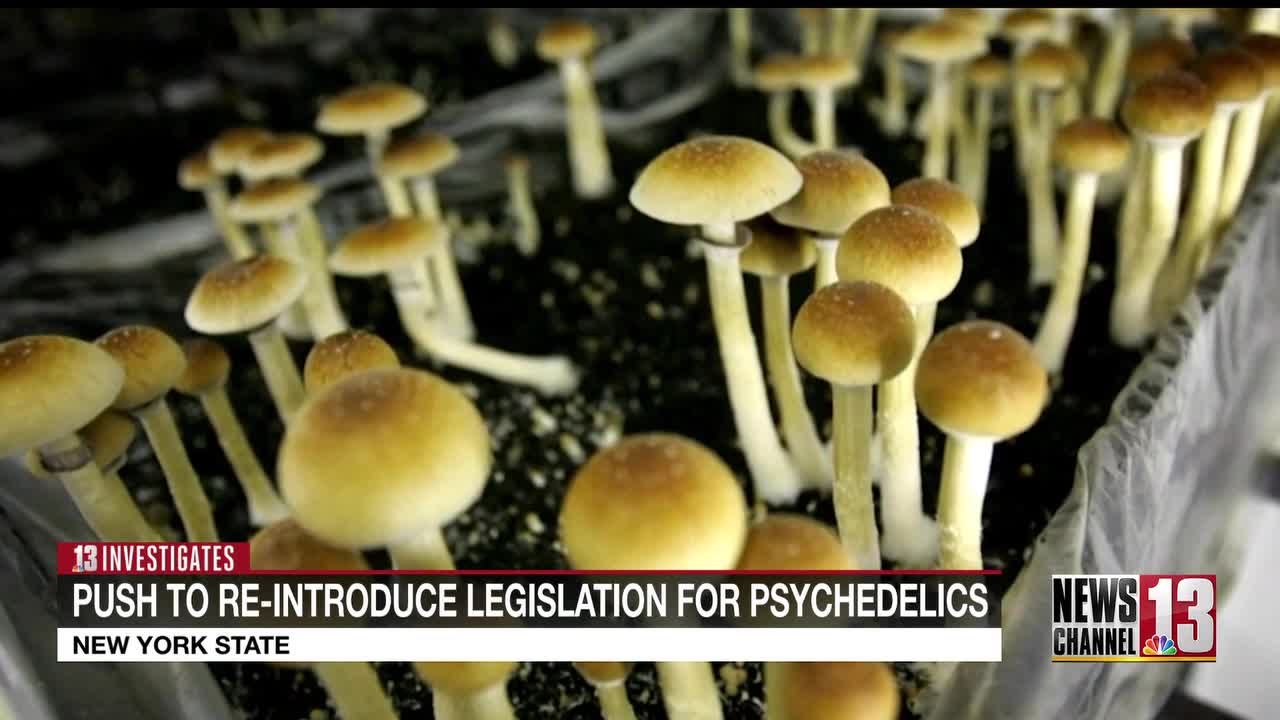
For many years, New York State followed this federal precedent. Law enforcement agencies actively pursued cases involving the possession or distribution of psilocybin mushrooms, leading to arrests and penalties. This made the exploration of psilocybin for any purpose, whether recreational or therapeutic, a legally precarious endeavor.
Recent Developments: Decriminalization and Therapeutic Exploration
In a significant departure from traditional prohibition, several cities and states across the United States have begun to re-evaluate their stance on psilocybin. New York has seen its own wave of activism and policy discussions surrounding this.
Decriminalization Efforts
In recent years, there have been movements and advocacy efforts aimed at decriminalizing psilocybin mushrooms in New York. Decriminalization typically means that the penalties for possessing small amounts of a substance are reduced, often to civil fines rather than criminal charges. While New York State has not yet enacted a broad decriminalization law for psilocybin across the entire state, some cities have taken steps. For instance, while not explicitly a state law, local ordinances and shifts in prosecutorial discretion in certain jurisdictions within New York have, in practice, led to reduced enforcement for personal possession. This is a rapidly evolving area of law and policy.
Therapeutic Research and Access
The scientific community has shown a growing interest in the therapeutic potential of psilocybin for treating conditions like depression, anxiety, PTSD, and addiction. Clinical trials are underway in various locations, including potentially in New York or with researchers affiliated with institutions there, exploring psilocybin-assisted therapy in controlled medical settings.
While recreational use remains illegal and possession of significant quantities can still lead to serious charges, the legal landscape for psilocybin is slowly shifting, driven by emerging research and a desire to explore alternative treatment modalities. It’s crucial to note that even in areas where decriminalization has occurred, this does not equate to full legalization. Possession for personal use might carry lesser penalties, but sale and distribution often remain illegal. The specific legal standing can vary greatly even within New York depending on the city and the context.
Responsible Foraging and the Importance of Identification
For those who enjoy the natural beauty of New York, from the Adirondack Mountains to the Hudson Valley, the allure of foraging for wild mushrooms can be strong. However, this pursuit comes with significant legal and safety considerations.
The Thrill and Danger of Wild Mushroom Foraging
New York State boasts a diverse ecosystem that supports a wide array of wild mushroom species. The act of foraging itself is generally legal, provided you are on public land where foraging is permitted and you are not in violation of any specific park regulations or private property rights. Many state parks and national forests in New York allow for personal, small-scale foraging.
The paramount concern, however, is accurate identification. New York is home to both delicious edible mushrooms and dangerously toxic species. Misidentification can lead to severe illness or even death. Therefore, responsible foraging necessitates expert knowledge or guidance from experienced mycologists. It is strongly advised to never consume a wild mushroom unless you are 100% certain of its identification and edibility.

Legal Considerations for Foraging
- Public Land Access: Always check the specific regulations for the land you are visiting. Some parks may have restrictions on foraging, or require permits for larger quantities.
- Private Property: Never forage on private property without explicit permission from the landowner.
- Commercial Foraging: If you intend to forage for commercial purposes (i.e., to sell mushrooms), you will likely need specific permits and licenses. This is not generally permitted for casual foragers.
- Protected Species: Be aware that some mushroom species may be protected or endangered, and their collection would be illegal.
When exploring the natural side of New York, whether it’s a day trip to Niagara Falls or a weekend getaway to the Catskill Mountains, the opportunity to encounter wild mushrooms exists. However, the law and safety dictate a cautious and informed approach.
In conclusion, the question of mushroom legality in New York is multifaceted. Edible and medicinal mushrooms are generally legal and widely available, forming a significant part of the state’s culinary and wellness landscape. The legal status of psilocybin mushrooms is in flux, with a historical prohibition gradually giving way to discussions about decriminalization and therapeutic use. Foraging for wild mushrooms is permissible under certain conditions, but the absolute priority must always be safety and correct identification to avoid severe legal and health consequences. As always, staying informed about the latest laws and regulations is key for anyone exploring the diverse offerings of New York.
LifeOutOfTheBox is a participant in the Amazon Services LLC Associates Program, an affiliate advertising program designed to provide a means for sites to earn advertising fees by advertising and linking to Amazon.com. Amazon, the Amazon logo, AmazonSupply, and the AmazonSupply logo are trademarks of Amazon.com, Inc. or its affiliates. As an Amazon Associate we earn affiliate commissions from qualifying purchases.