
The question of whether New York schools will be open on any given day can be a source of considerable anxiety for students, parents, and educators alike. While the default setting for educational institutions is to be open and functioning, a variety of circumstances can lead to unexpected closures. Understanding these potential disruptions is crucial for navigating the academic calendar in the Empire State.
Factors Influencing School Operations
The decision to close schools is rarely made lightly. It typically arises from situations that pose a direct threat to the safety and well-being of the student population and staff, or that make it practically impossible to conduct educational activities. These factors can be broadly categorized into weather-related events, public health concerns, and operational or safety issues.

Severe Weather Conditions
New York is susceptible to a range of weather phenomena that can necessitate school closures. The most common culprits are winter storms, which can bring heavy snowfall, ice, and dangerously low temperatures.
Snow Days and Blizzard Warnings
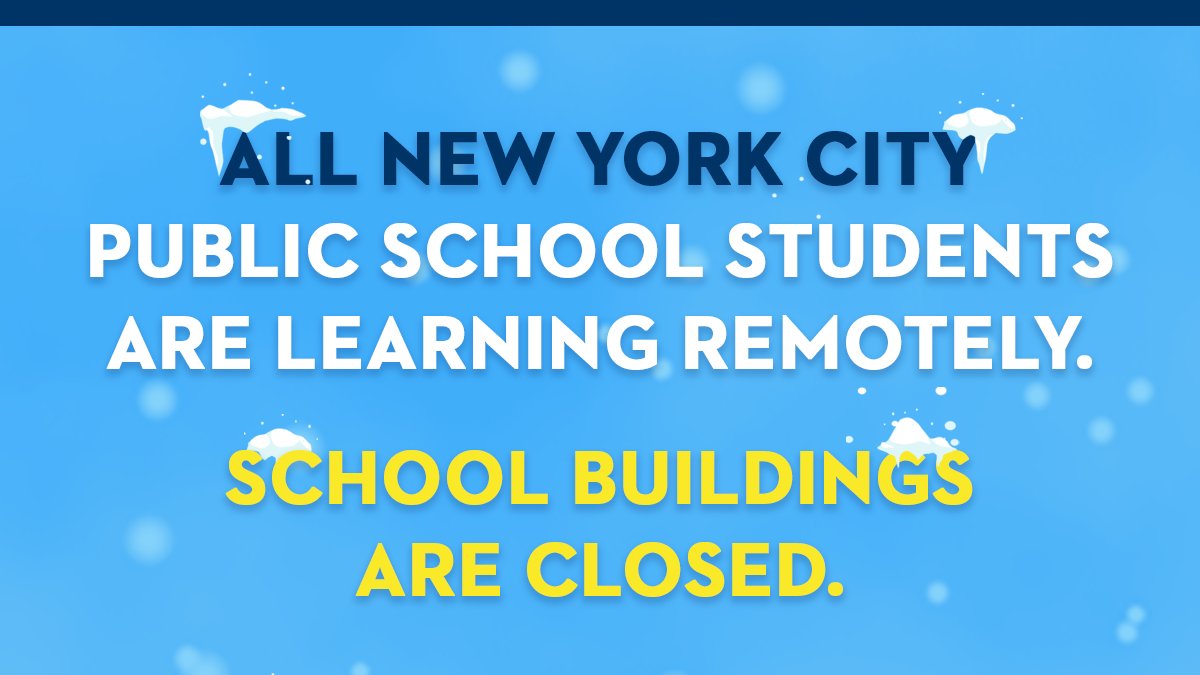
When a significant snowstorm is forecast or has already begun, school districts will monitor weather reports closely. A severe blizzard, characterized by heavy snow, high winds, and reduced visibility, often leads to immediate closures. Even less severe snow events can cause disruptions if roads become impassable or if the timing of the snowfall makes it unsafe for buses to operate. The decision often considers the ability of public works departments to clear roads in a timely manner. Some districts have policies that stipulate a minimum accumulation of snow before a closure is considered, while others prioritize safety based on predicted storm intensity and duration. The excitement of a “snow day” for students often masks the logistical challenges for districts, which must balance educational continuity with the need to ensure everyone’s safety.
Extreme Heat and Other Weather Events
While less common than winter storms, extreme heat can also impact school operations. Older buildings may lack adequate air conditioning, making classrooms uncomfortably or even dangerously hot for learning. In such cases, districts might opt for early dismissals or full closures. Other weather events, such as severe thunderstorms with high winds, flash flooding, or even hurricanes (though rare for New York City itself, coastal New York can be affected by remnants), can also lead to closures if they create hazardous conditions.
Public Health Emergencies
The health and safety of students and staff are paramount, and public health crises are a significant reason for school closures.
Pandemics and Epidemics
The most prominent recent example is the COVID-19 pandemic, which led to widespread, prolonged school closures across the state and the globe. During such events, decisions are often guided by directives from local and state health departments, as well as the Centers for Disease Control and Prevention (CDC). The goal is to curb the spread of infectious diseases and protect vulnerable populations. These closures can range from short, targeted quarantines for specific classrooms or schools to system-wide shutdowns. The transition to remote learning has become a common strategy to mitigate the educational impact of these closures.
Localized Outbreaks and Illnesses
Beyond global pandemics, localized outbreaks of illness can also trigger school closures. If a particular school experiences a high absentee rate due to a contagious disease, or if specific health concerns arise within the community, the local health department might recommend or mandate a temporary closure for deep cleaning and to prevent further spread. This might include outbreaks of influenza, norovirus, or other communicable diseases.
Operational and Safety Concerns
Beyond weather and health, a range of operational and safety issues can force schools to close their doors.

Building Safety and Maintenance Issues
A school building that becomes unsafe due to structural damage, fire, or utility failures will necessitate an immediate closure. This could be due to a major incident like a fire or a less dramatic, but still disruptive, problem like a burst water pipe that floods classrooms or a failure of the heating system in winter. Emergency repairs often require the building to be evacuated and secured, making it impossible to hold classes.
Power Outages and Utility Failures
Extended power outages can render a school building unusable. Without electricity, lighting, heating, cooling, and essential communication systems are all compromised. If a widespread power outage is anticipated or occurs, and if restoration timelines are uncertain, school officials will prioritize safety and close the schools. Similarly, disruptions to gas or water services can also lead to closures.
Public Safety Incidents
In rare instances, major public safety incidents in the vicinity of a school can lead to closures. This might include situations like a nearby chemical spill, a prolonged police operation, or other emergencies that create a localized hazard or disrupt access to the school. The decision would be made in coordination with local law enforcement and emergency management agencies to ensure the safety of the school community.
Labor Disputes
While less common, labor disputes, such as teacher or staff strikes, can also lead to school closures. These situations are typically complex and involve negotiations between school districts and employee unions. When agreements cannot be reached, and industrial action is taken, schools may be forced to close for the duration of the dispute.
The Decision-Making Process
The responsibility for deciding whether to close New York schools typically lies with individual school district superintendents, in consultation with their respective boards of education. However, these decisions are often influenced by guidance and mandates from the New York State Education Department and the New York State Department of Health.
Communication Channels
When a closure is imminent or decided upon, timely and clear communication is vital. School districts typically utilize a multi-pronged approach:
- Automated Phone Systems: Many districts have systems that send out automated calls to registered parent and staff phone numbers.
- Email and Text Alerts: Similar to phone calls, email and text message notifications are common.
- School Websites and Social Media: Official school and district websites, as well as social media accounts, are frequently updated with closure information.
- Local Media: News outlets, including television and radio stations, are often provided with lists of closed schools.
Parents are encouraged to ensure their contact information is up-to-date with their child’s school and to monitor these various channels for official announcements. The goal is to provide information as early as possible to allow families to make necessary arrangements.
Looking Ahead: Planning for Disruptions
While unforeseen events can always disrupt the academic calendar, New York school districts are increasingly developing robust plans to manage and mitigate the impact of closures. This includes:
- Contingency Planning: Developing protocols for various scenarios, from weather emergencies to public health crises.
- Remote Learning Infrastructure: Investing in technology and training to enable effective remote learning when in-person instruction is not possible.
- Snow Day Policies: Some districts have revised policies to reduce the number of “snow days” by incorporating remote learning options or by building in flexibility into the academic calendar.
- Community Partnerships: Collaborating with local government agencies, emergency services, and health departments to ensure a coordinated response.
The question “Are New York Schools Open Tomorrow?” will always be a dynamic one, subject to the unpredictable nature of external factors. By understanding the reasons behind potential closures and the processes involved, the New York school community can better prepare for and adapt to these disruptions, ensuring that learning continues, even when the school doors cannot physically open.
LifeOutOfTheBox is a participant in the Amazon Services LLC Associates Program, an affiliate advertising program designed to provide a means for sites to earn advertising fees by advertising and linking to Amazon.com. Amazon, the Amazon logo, AmazonSupply, and the AmazonSupply logo are trademarks of Amazon.com, Inc. or its affiliates. As an Amazon Associate we earn affiliate commissions from qualifying purchases.