
For many planning a visit to the Sunshine State, the primary focus revolves around sun-kissed beaches, thrilling theme parks like Walt Disney World Resort and Universal Orlando Resort, and the vibrant culture of cities such as Miami and Orlando. However, a crucial, often overlooked aspect of responsible tourism is understanding and adhering to local laws, especially concerning items travelers might carry for utility, recreation, or self-defense. Among the more complex regulations are those pertaining to knives, particularly specialized types like Out-The-Front (OTF) knives. Navigating these legalities is paramount to ensure a hassle-free and enjoyable experience in Florida.
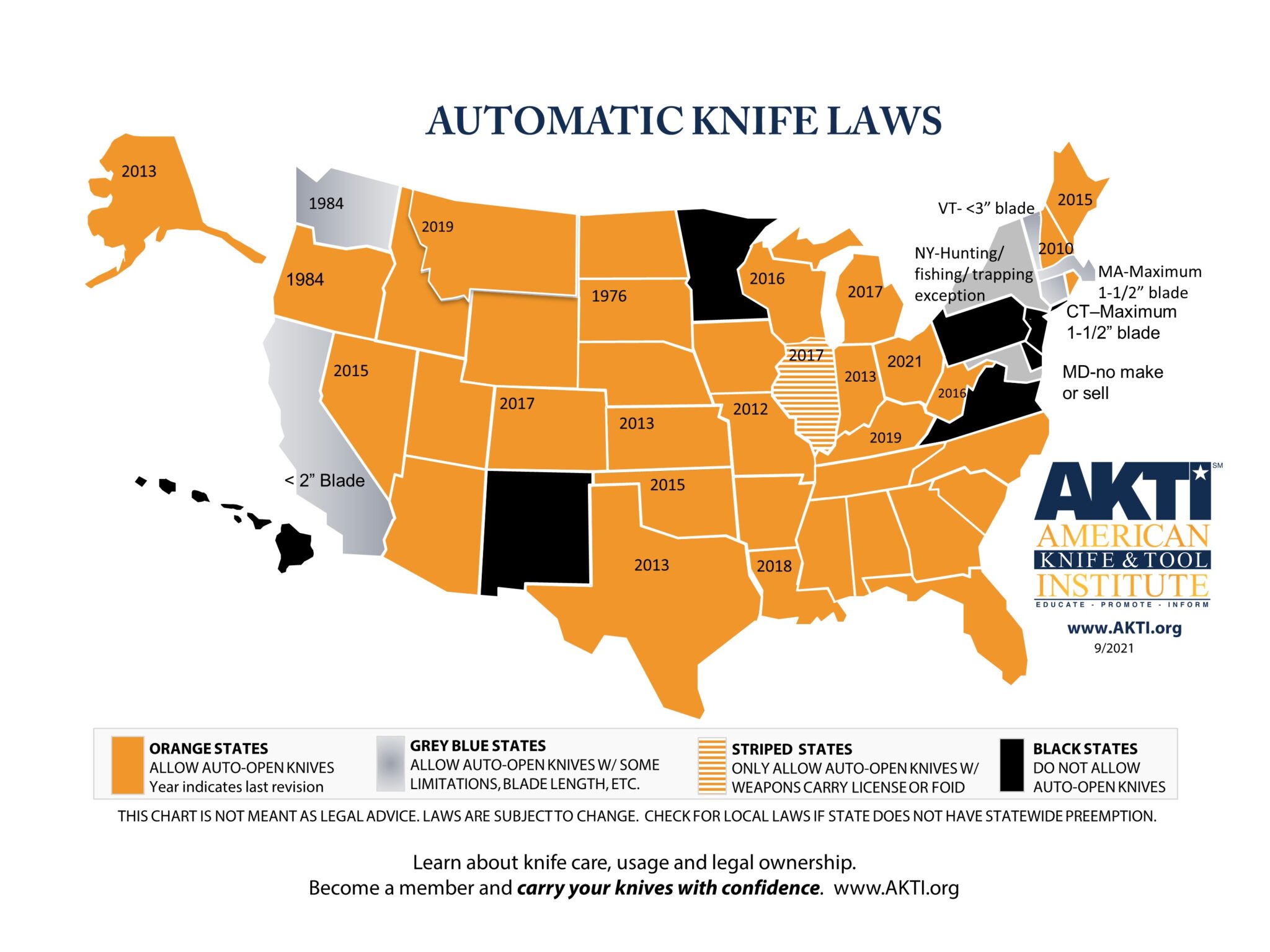
Unpacking Knife Laws for Tourists in Florida
Understanding weapon laws can be a labyrinth, varying significantly from state to state and even within different municipalities. For tourists, this adds an extra layer of complexity. The question of “Are OTF knives legal in Florida?” isn’t merely academic; it directly impacts what one can legally possess, carry, and even purchase during their stay. Ignorance of the law is never a valid defense, and a misunderstanding could lead to serious legal repercussions, tarnishing an otherwise perfect vacation.
The Basics of Knife Law in the Sunshine State
Historically, Florida maintained a rather restrictive stance on certain types of knives, particularly those deemed “automatic” or “switchblades.” These classifications often included OTF knives due to their rapid, spring-assisted blade deployment. However, Florida’s legislative landscape has evolved, significantly altering the rules surrounding concealed carry and weapon possession. This evolution demands careful attention from anyone visiting the state, especially those accustomed to different regulations elsewhere.
What is an OTF Knife and Why the Specific Concern?
An OTF knife is a type of folding knife where the blade deploys and retracts directly out of the front of the handle, rather than pivoting from the side. They are typically operated by a switch or button, classifying them as “automatic knives” or “switchblades” in legal parlance. Their rapid deployment and often tactical appearance have historically placed them under stricter scrutiny than traditional folding knives or fixed blades. The concern arises because many jurisdictions, including Florida in its past, have specifically banned or heavily restricted the possession or carry of such automatic knives, leading to confusion among tourists who might own one legally in their home state or country.
The Current Legal Status of OTF Knives in Florida
The most significant change affecting the legality of OTF knives and other weapons in Florida came with the implementation of House Bill 543, which took effect on July 1, 2023. This legislation fundamentally reshaped the state’s approach to concealed carry.
Constitutional Carry and Concealed Weapons (Effective July 1, 2023)
As of July 1, 2023, Florida moved to a “constitutional carry” system for concealed weapons. This means that individuals who are 21 years of age or older and are not otherwise prohibited from possessing a firearm under state or federal law may carry a concealed weapon—which explicitly includes knives like OTFs—without needing a concealed weapon license. This is a monumental shift. For tourists, this implies that if you meet the eligibility criteria (e.g., age, no disqualifying criminal record), you can legally carry an OTF knife concealed on your person while visiting Florida, much like a resident. However, this newfound freedom comes with critical caveats, particularly concerning where such weapons can and cannot be carried.
Open Carry Restrictions
While concealed carry has been significantly liberalized, the rules for open carry remain largely unchanged and are generally more restrictive. Openly carrying a “weapon” (a term that includes knives like OTFs, which are typically not considered “common pocketknives”) is still generally prohibited in Florida, with some very specific exceptions. The law generally allows for the open carry of an ordinary pocketknife, often defined as having a blade length under four inches. However, an OTF knife, regardless of blade length, is typically not classified as an “ordinary pocketknife” due to its automatic nature. Therefore, even with the constitutional carry law, openly carrying an OTF knife is likely to draw unwanted attention from law enforcement and could lead to legal issues.
The “Common Pocketknife” Exemption
Florida Statutes do provide an exemption for “common pocketknives.” These are generally small, folding knives with blade lengths typically under four inches. Such knives can generally be carried openly or concealed without a permit, and their possession is rarely questioned. However, OTF knives, by their design and mechanism, generally fall outside this “common pocketknife” definition and should be treated with the same caution as other weapons, even under the new constitutional carry provisions. The key takeaway for tourists is that while concealed possession of an OTF knife is now legal for eligible individuals, open possession is still largely prohibited.
Where You CANNOT Carry – Restricted Locations for All Weapons
Even with the advent of constitutional carry, there are numerous locations where carrying any weapon, including an OTF knife, is strictly prohibited. These restrictions apply to everyone, residents and tourists alike, regardless of their eligibility for concealed carry.

Specific Prohibitions for Tourists
Florida law designates several categories of “sensitive places” where the carrying of weapons is forbidden. These include, but are not limited to:
- Any place of nuisance as defined in Florida Statutes.
- Any police station, sheriff’s office, or highway patrol station.
- Any courthouse or court facility.
- Any polling place during an election.
- Any meeting of the governing body of a county, public school district, municipality, or special district.
- Any meeting of the Legislature or a committee thereof.
- Any school, college, or university facility (this includes public and private schools, colleges, and universities).
- Any professional athletic event not related to firearms.
- Any portion of an establishment licensed to dispense alcoholic beverages for consumption on the premises, which is primarily devoted to such purpose (e.g., bars, taverns).
- Any airport passenger terminal (sterile areas beyond security checkpoints).
- Any career center.
- Any detention facility, prison, or jail.
Tourists visiting major attractions in cities like Tampa or Jacksonville, attending concerts, or enjoying nightlife should be particularly aware of these restrictions. Carrying an OTF knife, even if legally concealed, into one of these prohibited locations can lead to arrest and charges.
Private Property Rights
Beyond statutory prohibitions, private property owners in Florida retain the right to prohibit weapons on their premises. This means that even if state law allows you to carry a concealed OTF knife, a private business, hotel, restaurant, or attraction (such as Busch Gardens Tampa Bay or the Kennedy Space Center Visitor Complex) can legally ban all weapons. Signs indicating “No Weapons Allowed” or similar policies must be respected. Failure to comply, even if unknowingly, could result in being asked to leave, trespassing charges, or other legal consequences. Always pay attention to posted signage and venue policies.
Practical Considerations for the Responsible Tourist
For tourists to Florida, understanding the legal framework is just the first step. Practical application requires careful thought and proactive measures to avoid potential issues.
Before You Pack: Airline and Transportation Regulations
Federal regulations, particularly those enforced by the Transportation Security Administration (TSA), govern what can be carried on airplanes. Knives of any kind, including OTF knives, are never permitted in carry-on luggage. They must be placed in checked baggage, properly sheathed or boxed to prevent injury to baggage handlers. Always declare such items if required by the airline. Violating TSA regulations can lead to federal charges, a severe impediment to any travel plans. Even for ground transportation, it’s wise to secure knives in a place that is not readily accessible, even if legal to carry.
During Your Stay: Attractions, Parks, and Public Venues
When exploring Florida’s diverse attractions, from the natural beauty of Everglades National Park to the bustling streets of Key West, consider the context. While concealed carry of an OTF knife might be permissible in many general public spaces, the specific rules of theme parks, museums, restaurants, bars, and other venues will often prohibit them. It is always better to leave any potentially problematic items secured in your accommodation or vehicle if you plan to visit such locations. The inconvenience of not having a specific knife far outweighs the potential legal headache or interruption to your vacation.
When in Doubt: Err on the Side of Caution
The complexity of knife laws, coupled with varying interpretations and private property rules, means that caution should be your constant companion. If there is any doubt about the legality of carrying an OTF knife in a specific situation or location, the safest course of action is to refrain from doing so. A tourist’s goal is to enjoy their visit, not to test the limits of local legislation.
Beyond Legality: Exercising Discretion and Due Diligence
Responsible tourism extends beyond simply adhering to the letter of the law; it also involves exercising good judgment and respecting the local environment.
Prioritizing Safety and Peace of Mind
Even when legal, carrying a tactical knife like an OTF might not always be advisable. Consider whether the item is truly necessary for your planned activities. For general utility during travel, a small, non-threatening folding knife that clearly falls under the “common pocketknife” definition might be a more sensible and less conspicuous choice. Prioritizing your peace of mind and avoiding any situation that could lead to questioning or confrontation with law enforcement or private security is key to a relaxing trip.
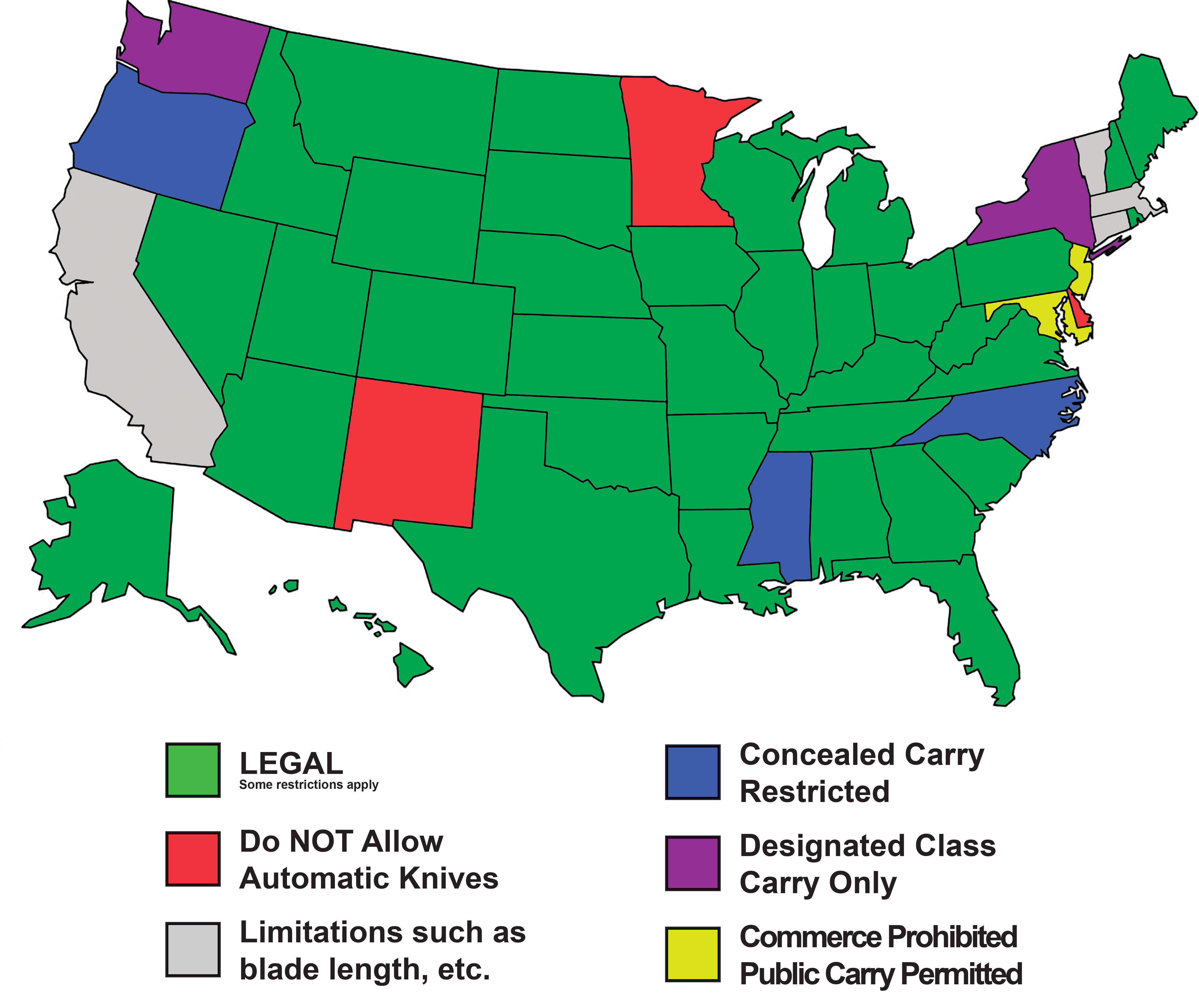
Seeking Professional Legal Guidance
While this guide provides an overview for tourists, it is not a substitute for legal advice. Laws can change, and interpretations can vary. For the most definitive and up-to-date information, especially if you have unique circumstances or specific concerns, it is always recommended to consult directly with the official Florida Statutes or to seek professional legal counsel from an attorney practicing in Florida. Staying informed and making responsible choices will ensure your visit to the Sunshine State is memorable for all the right reasons.
LifeOutOfTheBox is a participant in the Amazon Services LLC Associates Program, an affiliate advertising program designed to provide a means for sites to earn advertising fees by advertising and linking to Amazon.com. Amazon, the Amazon logo, AmazonSupply, and the AmazonSupply logo are trademarks of Amazon.com, Inc. or its affiliates. As an Amazon Associate we earn affiliate commissions from qualifying purchases.