
The question of whether people born in Puerto Rico are US citizens is a matter of profound historical, legal, and social significance, directly impacting travel, lifestyle, and the vibrant tourism industry of the island. The unequivocal answer is yes: individuals born in Puerto Rico are indeed US citizens by birth. This status, however, is not as straightforward as that of citizens born in one of the fifty states, stemming from a unique and complex history that began over a century ago. Understanding this journey from a Spanish colony to a US territory where its residents enjoy birthright citizenship offers invaluable insight into the island’s distinct identity and its inseparable ties to the United States. This comprehensive exploration delves into the historical acts and legal precedents that established this citizenship, examining the implications for travel, tourism, and daily life, all while highlighting why Puerto Rico remains a fascinating destination for travelers seeking diverse experiences.
The Historical Context: A Legacy of Transformation
To truly grasp the concept of US citizenship for those born in Puerto Rico, one must first journey back to the late 19th and early 20th centuries. The island’s political destiny took a dramatic turn at the close of the Spanish-American War, an event that reshaped geopolitical landscapes and laid the foundation for Puerto Rico’s current relationship with the United States.
From Spanish Colony to US Territory: A Timeline
Prior to 1898, Puerto Rico was a colony of Spain for over 400 years, developing a rich culture, language, and distinct identity under Spanish rule. However, the outcome of the Spanish-American War dramatically altered this trajectory. The Treaty of Paris, signed on December 10, 1898, marked the official end of the conflict, with Spain ceding Puerto Rico, Cuba, and Guam to the United States and selling the Philippines for $20 million. This transfer of sovereignty placed Puerto Rico under US military governance, ushering in a new era for the island and its inhabitants.
Initially, the residents of Puerto Rico were classified as “citizens of Puerto Rico” under US protection, rather than full US citizens. This ambiguous status highlighted the novel legal challenges faced by the United States as it acquired overseas territories. The transition from military rule to a civil government began with the enactment of the Foraker Act in 1900.
The Foraker Act and Early Governance
The Foraker Act, officially known as the Organic Act of 1900, established a civil government for Puerto Rico. It declared the island an “unorganized territory” of the United States and created a structure of governance including a governor appointed by the US president, an executive council, and a House of Delegates elected by the people of Puerto Rico. Crucially, the Foraker Act clarified the citizenship status of Puerto Ricans as “citizens of Puerto Rico” under the protection of the United States, but it did not extend US citizenship to them.
This period also saw the development of the “Insular Cases,” a series of Supreme Court decisions from 1901 to 1922 that addressed the constitutional status of US territories acquired from Spain. These cases famously declared that the US Constitution does not “follow the flag” into unincorporated territories like Puerto Rico. This meant that while certain fundamental rights applied, the full scope of constitutional rights, including birthright citizenship, was not automatically extended. This created a peculiar legal framework where territories were neither foreign countries nor fully incorporated parts of the United States, and their inhabitants held an ambiguous legal standing.
The Jones-Shafroth Act of 1917: A Defining Moment
The ambiguity surrounding the citizenship status of Puerto Ricans persisted for nearly two decades after the Foraker Act. The clamor for greater rights and a more defined status grew, both from within Puerto Rico and from some factions in the United States Congress. This push culminated in a landmark legislative act that fundamentally altered the relationship between Puerto Rico and the US.
A Landmark Decision: US Citizenship for Puerto Ricans
On March 2, 1917, President Woodrow Wilson signed the Jones-Shafroth Act into law. This act, also known as the Second Organic Act of Puerto Rico, was a pivotal moment in the island’s history. Among its many provisions, the most significant was the grant of statutory US citizenship to virtually all inhabitants of Puerto Rico who had not chosen to retain their foreign allegiance. Section 5 of the act explicitly stated that “all citizens of Puerto Rico as defined by section seven of the Act of April twelfth, nineteen hundred, … and all natives of Puerto Rico who were temporarily absent from that island on April eleventh, eighteen hundred and ninety-nine, and have since returned and are living in that island, and all inhabitants of Puerto Rico who were born there since April eleventh, eighteen hundred and ninety-nine, shall be citizens of the United States.”
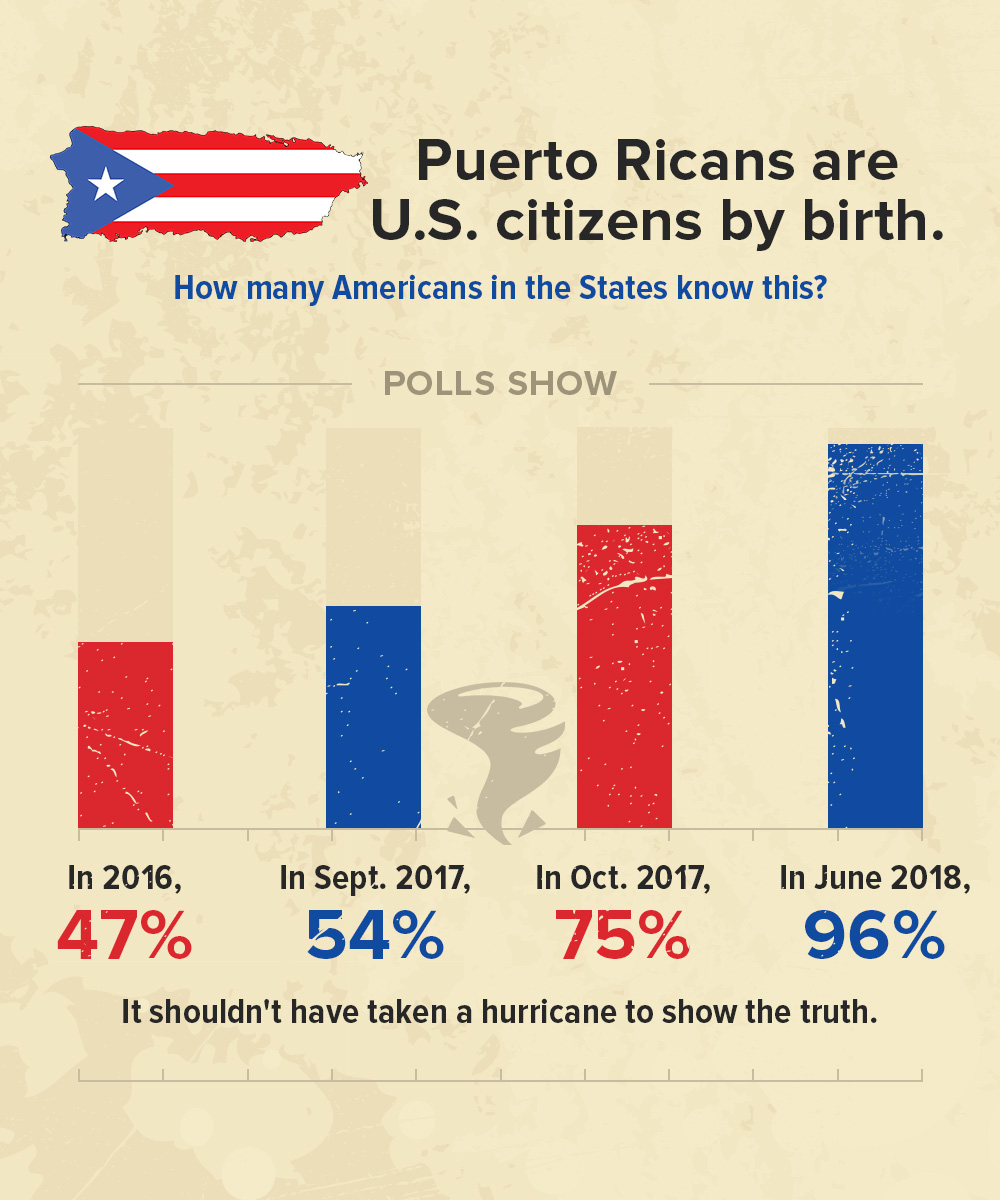
This act effectively made those born in Puerto Rico automatic US citizens by birth, a status that has been upheld and reaffirmed ever since. The motivation behind this decision was multifaceted, influenced by a desire to strengthen military readiness on the eve of World War I (as it made Puerto Ricans eligible for the draft), economic considerations, and an evolving view of the United States’ role as a global power.
Understanding the Nuances of Territorial Citizenship
While the Jones-Shafroth Act granted US citizenship to Puerto Ricans, it did not fully incorporate Puerto Rico into the United States as a state. This distinction is crucial. As citizens residing in an unincorporated territory, Puerto Ricans enjoy many of the same rights and privileges as those in the states, including the freedom to travel, live, and work anywhere within the United States without immigration restrictions. They also serve in the US armed forces and are subject to federal laws.
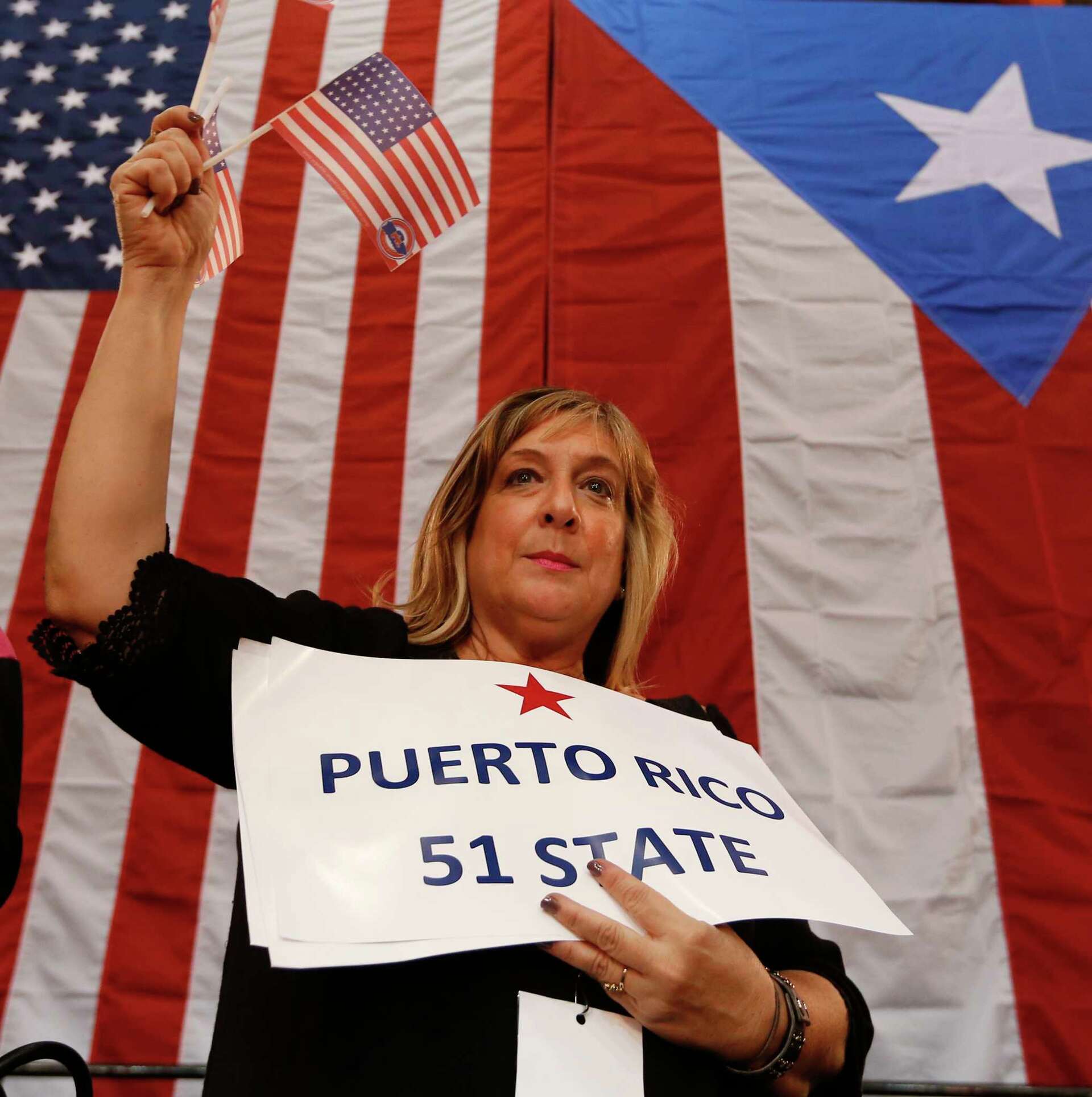
However, there are notable differences stemming from Puerto Rico’s territorial status. Most significantly, residents of Puerto Rico cannot vote in federal elections for president or vice president while residing on the island, nor do they have voting representation in Congress (they elect a Resident Commissioner who can speak and vote in committees but not on the House floor). They are subject to most federal laws, but generally do not pay federal income tax on income earned in Puerto Rico. This unique form of territorial citizenship is a recurring theme in discussions about the island’s political status and future.
Implications for Travel, Tourism, and Lifestyle in Puerto Rico
The fact that people born in Puerto Rico are US citizens carries significant implications, particularly for travelers, those involved in tourism, and individuals considering a lifestyle change or extended stay on the island. This status fosters a unique environment where the convenience of domestic travel blends with the allure of an international destination.
Seamless Travel and US Passport Privileges
For US citizens, traveling to and from Puerto Rico is as simple as domestic travel within the continental United States. No passport is required for US citizens arriving from or departing to the mainland US; a valid government-issued ID, such as a driver’s license, is sufficient for air travel. This ease of access makes Puerto Rico an exceptionally appealing destination for American tourists who desire an exotic, Caribbean experience without the complexities of international travel protocols.
Furthermore, Puerto Ricans, as US citizens, hold US passports, granting them the same global travel freedoms and protections as any other American citizen. This allows for seamless international travel and provides access to consular services worldwide, a crucial aspect for any avid traveler or expatriate. This shared citizenship significantly bolsters Puerto Rico’s position as a cornerstone of Caribbean tourism, attracting millions of visitors annually.
Exploring Puerto Rico’s Rich Culture and Landmarks
The ease of travel for US citizens facilitates a vibrant tourism sector, allowing visitors to delve into Puerto Rico’s deep history, breathtaking natural beauty, and distinctive culture. From the cobbled streets and colorful colonial architecture of Old San Juan, a UNESCO World Heritage Site brimming with historical landmarks like El Morro and San Cristobal forts, to the lush rainforest of El Yunque National Forest, the only tropical rainforest in the US National Forest System, the island offers a wealth of attractions.
Tourists can explore diverse destinations, from the bioluminescent bays of Vieques and Fajardo to the pristine beaches of Culebra and Rincón, a surfing paradise. The island’s rich culinary scene, a fusion of Spanish, African, and indigenous Taíno influences, is a major draw, offering gastronomic experiences from street food to fine dining. Local cultural events, music festivals, and art exhibitions further enrich the visitor experience, showcasing the island’s unique blend of traditions and modern vitality. Travel guides often highlight these elements, making Puerto Rico a top choice for travelers seeking both relaxation and adventure.
Accommodation and Lifestyle Choices for Visitors and Residents
The robust tourism industry in Puerto Rico is supported by a wide array of accommodation options, catering to every preference and budget. Visitors can choose from luxurious beachfront resorts in Dorado and Rio Grande, boutique hotels in Old San Juan, family-friendly suites, charming local guesthouses, or even long-term stay apartments and villas. Online booking platforms and review sites offer tools for comparison, ensuring that every traveler finds the perfect fit for their journey. Many establishments boast world-class amenities, from infinity pools and golf courses to exquisite dining and spa services.
For US citizens considering a move or extended stay in Puerto Rico, the shared citizenship provides unparalleled ease. There are no visa requirements or complex immigration procedures, simplifying the relocation process. This allows individuals to seamlessly integrate into the local lifestyle, whether they are seeking luxury travel, a more budget travel experience, family trips, or business stays. Many US businesses operate on the island, and the legal framework, while distinct, shares many similarities with the mainland, making it a viable option for those looking for a change of pace within the US sphere.
The Modern Context and Future Considerations
The status of US citizenship for those born in Puerto Rico is a bedrock of the island’s relationship with the United States. This status impacts every facet of life, from governmental structures to personal opportunities. While the citizenship itself is not debated, the broader political status of Puerto Rico — whether it should remain a territory, become a state, or achieve independence — is a subject of ongoing discussion and referendums.
Economic Impact and Travel Opportunities
The certainty of US citizenship contributes significantly to Puerto Rico’s economic stability and its robust connection to the broader US economy. It facilitates trade, investment, and the free movement of labor, which are vital for the island’s prosperity. This interconnection also bolsters travel opportunities, not just for tourism but for business stays and educational exchanges. Many companies based in the continental US have operations in Puerto Rico, leveraging the common legal and citizenship framework.
The island’s unique position allows for a blend of familiar and exotic, attracting a diverse range of visitors and potential residents. Whether one is seeking a vibrant cultural immersion, a tranquil beach escape, or an adventure in nature, Puerto Rico offers an accessible and enriching experience for US citizens and international travelers alike, all underpinned by the enduring legal status of its people.
In conclusion, the question “Are People Born In Puerto Rico US Citizens?” is unequivocally answered by history and law: yes. Since the enactment of the Jones-Shafroth Act in 1917, all persons born in Puerto Rico have been granted statutory US citizenship. This status simplifies travel for Americans, fuels a thriving tourism industry with diverse accommodation and lifestyle options, and allows for seamless integration into the broader US fabric while preserving Puerto Rico’s unique cultural identity and historical landmarks. For anyone contemplating a visit, a relocation, or simply seeking to understand this fascinating Caribbean gem, recognizing this fundamental aspect of its people’s identity is key to appreciating Puerto Rico in its entirety.
LifeOutOfTheBox is a participant in the Amazon Services LLC Associates Program, an affiliate advertising program designed to provide a means for sites to earn advertising fees by advertising and linking to Amazon.com. Amazon, the Amazon logo, AmazonSupply, and the AmazonSupply logo are trademarks of Amazon.com, Inc. or its affiliates. As an Amazon Associate we earn affiliate commissions from qualifying purchases.