
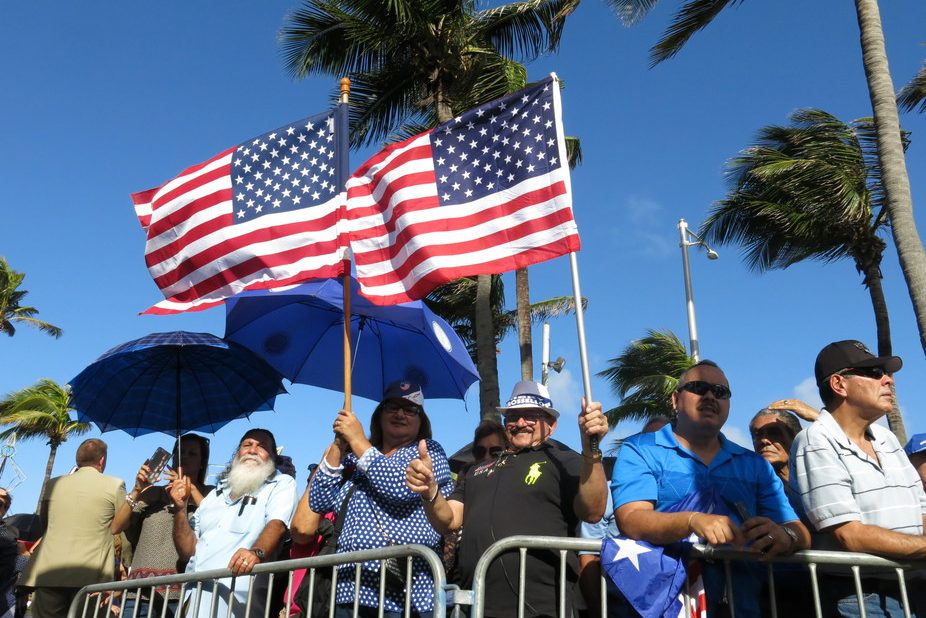
The question of citizenship for people born in Puerto Rico is a topic that often sparks curiosity, particularly among those planning a visit or considering a move to this vibrant Caribbean island. The answer, rooted in a complex historical and legal framework, is a definitive yes. Individuals born in Puerto Rico are, and have been since 1917, U.S. citizens by birth. This status, however, is often misunderstood, leading to various implications for residents and visitors alike. Understanding the nuances of this relationship is key to appreciating the unique identity and experiences of Puerto Ricans and their connection to the broader United States.
The Historical Path to Citizenship
The journey of Puerto Rico from a Spanish colony to a U.S. territory is a narrative deeply intertwined with its current political and social standing. Following the Spanish-American War, Spain ceded Puerto Rico to the United States in 1898 under the Treaty of Paris. Initially, the island was under military rule, and its inhabitants did not automatically receive U.S. citizenship.
The Foraker Act of 1900
The first significant step towards defining the civil status of Puerto Ricans came with the Foraker Act (also known as the Organic Act of 1900). This act established a civilian government in Puerto Rico and declared that all inhabitants of the island who were Spanish subjects on April 11, 1899, and their children born subsequent to that date, would be considered citizens of Puerto Rico. However, they were not granted full U.S. citizenship at this stage. This created a distinction between citizens of Puerto Rico and citizens of the United States.
The Jones-Shafroth Act of 1917
A pivotal moment arrived in 1917 with the passage of the Jones-Shafroth Act, which superseded the Foraker Act. This legislation granted statutory U.S. citizenship to the people of Puerto Rico. This meant that individuals born in Puerto Rico were now considered U.S. citizens by birth, on par with those born in the continental United States. This act was a significant development, solidifying the legal ties between the island and the mainland and offering a sense of belonging to the larger American nation.
Subsequent Amendments and Clarifications
While the Jones-Shafroth Act established birthright U.S. citizenship, subsequent legislative actions and court rulings have further clarified and, in some instances, complicated the relationship. The Immigration and Nationality Act of 1952 affirmed that individuals born in Puerto Rico after April 11, 1899, are U.S. citizens. Crucially, the U.S. Supreme Court has consistently upheld that Puerto Rico is an unincorporated territory, meaning that constitutional rights are not automatically applied in the same way as in states. However, U.S. citizenship for those born on the island has remained a fundamental aspect of their identity.
Implications of U.S. Citizenship for Puerto Ricans
Being U.S. citizens by birth bestows a range of rights and responsibilities upon individuals from Puerto Rico, impacting their ability to travel, work, and engage with the broader United States.
Freedom to Travel and Reside
One of the most immediate and tangible benefits of being a U.S. citizen is the freedom to travel between Puerto Rico and the continental United States without the need for passports or visas. This makes visiting family and friends on the mainland, pursuing educational opportunities, or seeking employment significantly easier. Puerto Ricans can reside and work anywhere in the United States with the same rights as other U.S. citizens. This fluidity in movement has contributed to the significant Puerto Rican diaspora across various American cities, with vibrant communities in places like New York City, Orlando, and Chicago.

Voting Rights and Representation
The issue of voting rights for Puerto Ricans is a complex area that highlights the unique status of the island. While Puerto Ricans are U.S. citizens, they cannot vote in U.S. presidential elections unless they reside in one of the 50 states or the District of Columbia. This means that while they are subject to federal laws and can serve in the U.S. military, they do not have full representation in the U.S. Congress. They have a Resident Commissioner in the House of Representatives, who can speak and vote in committee but cannot vote on the final passage of legislation. This lack of full political power is a significant point of contention and a central theme in discussions about Puerto Rico’s political future.
Social Security and Federal Programs
As U.S. citizens, Puerto Ricans are subject to U.S. federal laws, including those related to Social Security. However, the application and benefits of certain federal programs, such as Medicare and Medicaid, have historically differed in Puerto Rico compared to the states. While federal taxes like Social Security and Medicare taxes are collected on wages earned in Puerto Rico, the funding and structure of these programs have often been subject to congressional appropriations, leading to disparities in benefits. Advocacy groups and residents continue to push for equitable treatment in federal funding and program administration.
Navigating Life in an Unincorporated Territory
The status of Puerto Rico as an unincorporated territory of the United States means that while its residents are U.S. citizens, the island is not on an equal footing with the 50 states. This distinction has profound implications for governance, economic development, and the rights of its inhabitants.
The Debate on Statehood vs. Commonwealth vs. Independence
The political status of Puerto Rico has been a subject of ongoing debate for decades, with three primary options consistently emerging: statehood, enhanced commonwealth status, or independence.
- Statehood: Proponents of statehood argue that it would provide Puerto Rico with full political representation, equal access to federal funding, and economic benefits associated with state-level status. It would mean becoming the 51st state, with two senators and multiple representatives in Congress.
- Commonwealth: The current status is a form of enhanced commonwealth, which grants residents U.S. citizenship but maintains a unique relationship with the U.S. federal government. Those who favor this option often seek greater autonomy while retaining the benefits of U.S. citizenship.
- Independence: Advocates for independence believe that Puerto Rico should be a sovereign nation, free to forge its own international relations and economic policies. This option would fundamentally change the citizenship status of its residents, as they would no longer be U.S. citizens by birth.
Referendums have been held periodically to gauge the will of the Puerto Rican people on these issues, but no definitive resolution has been reached, and the debate continues to shape the island’s future.
Economic Considerations and Federal Support
The economic landscape of Puerto Rico is intrinsically linked to its territorial status. While U.S. citizenship facilitates trade and access to U.S. markets, the island has faced significant economic challenges, including a substantial public debt and a high unemployment rate. Federal aid and investment play a crucial role, but the debate over equitable distribution and the impact of U.S. policies on the local economy is a persistent theme. Efforts to boost tourism, attract foreign investment, and develop local industries are ongoing, with many seeing the island’s unique cultural heritage and natural beauty as significant assets. The ongoing recovery and rebuilding efforts following natural disasters like Hurricane Maria have also highlighted the complexities of federal support and the resilience of the Puerto Rican people.
Cultural Identity and Americanization
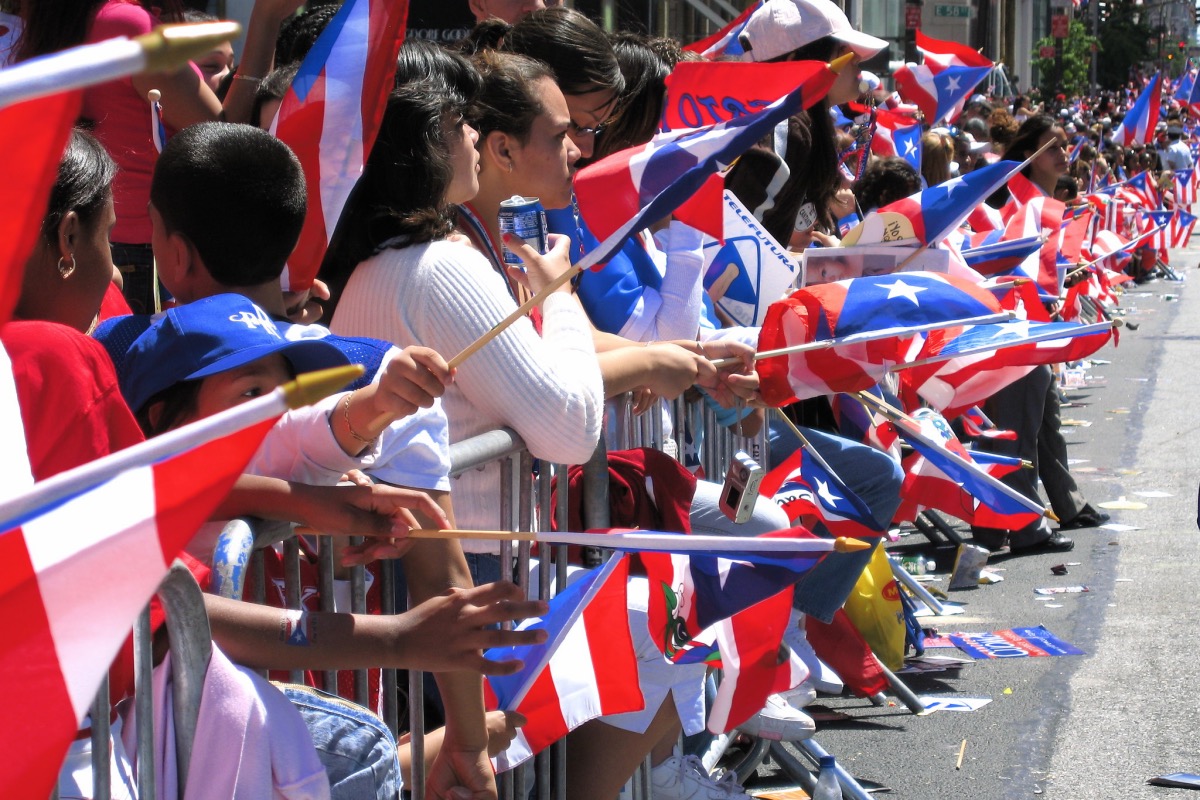
Despite its political ties to the United States, Puerto Rico maintains a distinct and vibrant cultural identity. The influence of Spanish colonialism, indigenous Taíno heritage, and African traditions is deeply embedded in the island’s language, music, cuisine, and customs. While U.S. citizenship has brought certain aspects of American culture, the majority of Puerto Ricans identify strongly with their island heritage. This duality is a source of pride and a testament to the island’s unique position in the world. Visitors to San Juan, for example, can experience a rich tapestry of historical sites like Old San Juan, savor delicious local dishes such as mofongo, and immerse themselves in the infectious rhythms of salsa music, all while being on U.S. soil.
In conclusion, the answer to whether people from Puerto Rico are American citizens is a clear and resounding yes. Born on the island, they are granted U.S. citizenship by birthright, a status secured through legislative acts and judicial precedent. This citizenship, however, exists within the unique framework of an unincorporated territory, a status that continues to shape the island’s political aspirations, economic realities, and the daily lives of its people. Understanding this intricate relationship is essential for anyone seeking to appreciate the full spectrum of the Puerto Rican experience and its enduring connection to the United States.
LifeOutOfTheBox is a participant in the Amazon Services LLC Associates Program, an affiliate advertising program designed to provide a means for sites to earn advertising fees by advertising and linking to Amazon.com. Amazon, the Amazon logo, AmazonSupply, and the AmazonSupply logo are trademarks of Amazon.com, Inc. or its affiliates. As an Amazon Associate we earn affiliate commissions from qualifying purchases.