
Navigating the intricacies of citizenship and residency can be a complex endeavor, especially when discussing territories that share a unique, yet sometimes ambiguous, relationship with a larger nation. For many travelers and potential residents, the question arises: “Are people in Puerto Rico American citizens?” The answer, while seemingly straightforward, carries layers of historical context and legal implications that are crucial to understand for anyone planning a visit, a longer stay, or simply seeking to grasp the island’s political status.
At its core, the relationship between the United States and Puerto Rico is one of an unincorporated territory. This designation, established through a series of U.S. Supreme Court decisions, most notably the Insular Cases in the early 20th century, has shaped the legal framework governing the island and its inhabitants. It’s this “unincorporated” status that often leads to confusion, as it differs from that of a state or an independent nation.
The Journey to Citizenship: A Historical Overview
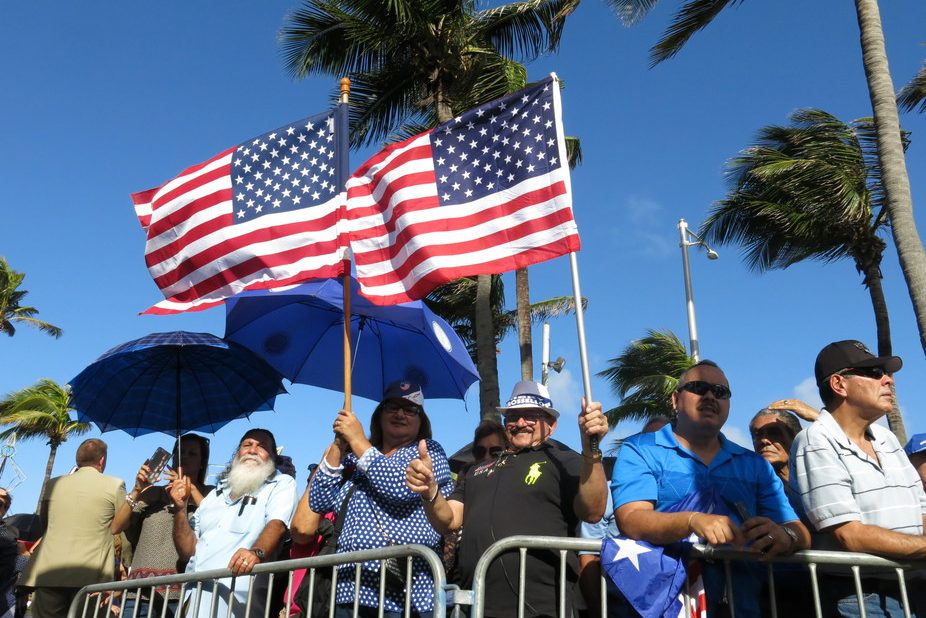
The story of Puerto Rico’s relationship with the United States began in 1898 with the conclusion of the Spanish-American War. Under the terms of the Treaty of Paris, Spain ceded Puerto Rico, along with Cuba and Guam, to the United States. Initially, the island’s inhabitants were considered nationals, not citizens. This distinction was significant, as it meant they owed allegiance to the United States but did not automatically possess the full rights and privileges of citizens.
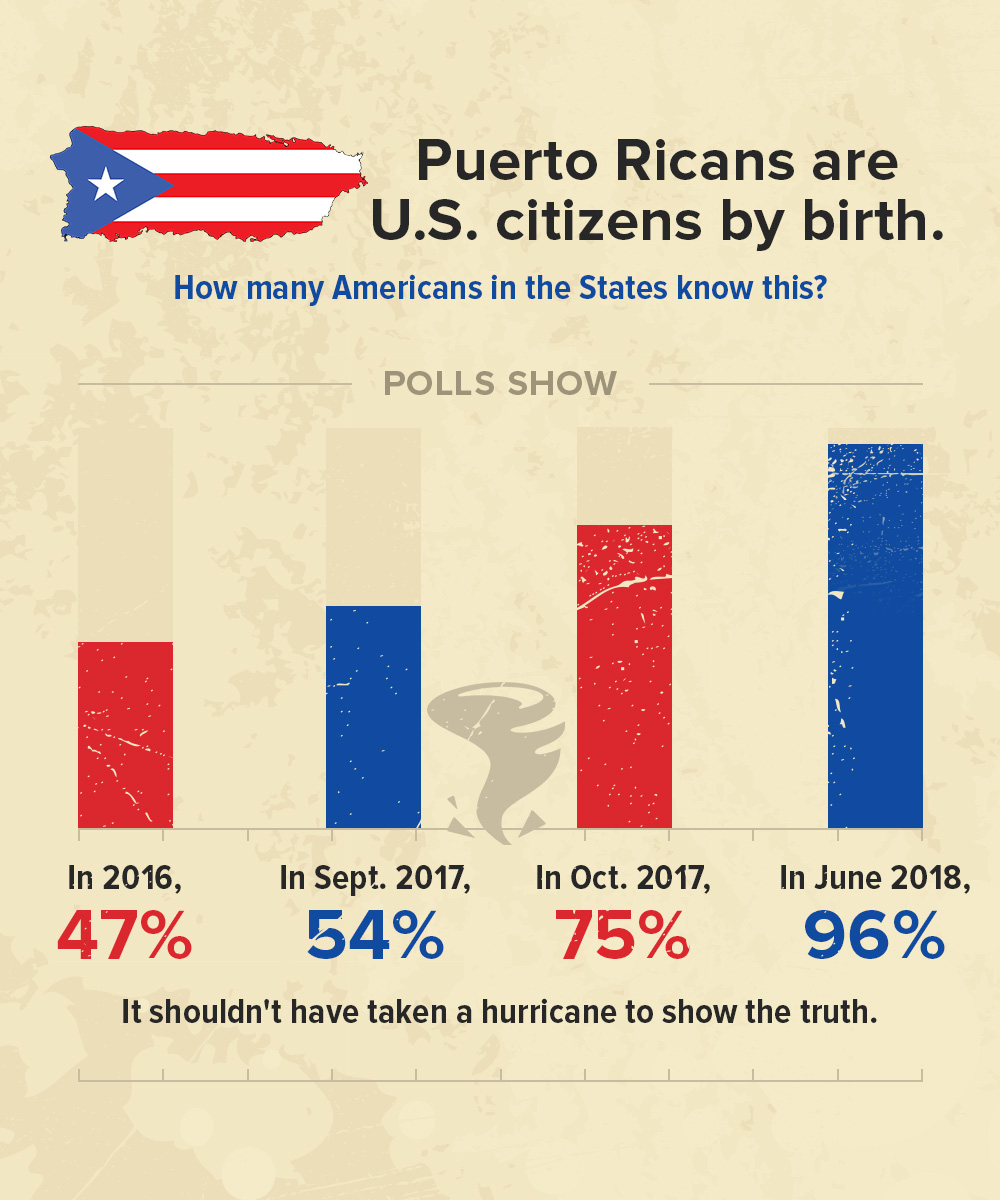
The landscape shifted considerably with the passage of the Jones-Shafroth Act in 1917. This landmark legislation granted statutory citizenship to the people of Puerto Rico. Crucially, this was not a constitutional grant of citizenship, but rather a legislative one, which underscored the unincorporated territory status. Despite this, it meant that individuals born in Puerto Rico were now considered citizens of the United States. This provision has remained in effect, solidifying the citizenship of Puerto Ricans.
Understanding the Implications of U.S. Citizenship
The conferral of U.S. citizenship on Puerto Ricans has profound implications for their rights, freedoms, and responsibilities. For individuals residing in Puerto Rico, this means they are entitled to travel freely between the island and the mainland United States without passports or visas. They can work, study, and live anywhere within the United States and are subject to federal laws.
Furthermore, Puerto Rican citizens can serve in the U.S. military, vote in federal elections if they reside in one of the 50 states or the District of Columbia, and are eligible for federal benefits, though often with specific limitations or differences compared to residents of states. For instance, while they receive Medicare and Medicaid, the funding formulas and benefit levels can differ.
However, the relationship is not one of full equality. Residents of Puerto Rico, as citizens, do not have voting representation in the U.S. Congress, meaning they cannot elect voting members to the House of Representatives or the Senate. Their sole representative in Congress is a non-voting Resident Commissioner who can speak and serve on committees but cannot vote on the final passage of legislation. Additionally, Puerto Ricans do not vote in presidential elections unless they establish residency in a U.S. state.
The Unincorporated Territory Distinction and Its Impact
The legal designation of Puerto Rico as an unincorporated territory means that the U.S. Constitution does not apply in its entirety to the island. This has been a cornerstone of the Insular Cases jurisprudence. Essentially, Congress has the power to extend or withhold provisions of the Constitution and federal laws to territories like Puerto Rico. This grants Congress significant authority over the island’s governance and its relationship with the federal government.
This distinction has practical implications for various aspects of life and tourism in Puerto Rico. While U.S. currency is used, and federal agencies operate on the island, certain federal laws may not apply or may be applied differently. For travelers, this typically means no passport is required to enter Puerto Rico from the United States, and vice versa. The familiar sights and sounds of American commerce are prevalent, from fast-food chains to major retail brands. Exploring the vibrant streets of Old San Juan, marveling at the historic El Morro fortress, or relaxing on the pristine beaches of Culebra feels much like visiting any other part of the United States.
The unincorporated status also influences economic policies and access to certain federal programs. For instance, the island’s tax structure and its eligibility for federal funding for infrastructure projects or disaster relief can be subject to different rules than those applied to U.S. states. This has been a point of contention and debate for decades, with various political factions in Puerto Rico advocating for statehood, independence, or a continued territorial status with enhanced autonomy.
Traveling to and from Puerto Rico: What You Need to Know
For the vast majority of visitors, traveling to Puerto Rico from the continental United States is as simple as booking a domestic flight. As U.S. citizens, Puerto Ricans and Americans traveling from the mainland do not require passports. This ease of travel significantly contributes to its popularity as a tourist destination, offering a taste of the Caribbean with familiar conveniences.
When you land at Luis Muñoz Marín International Airport in San Juan, you’ll find yourself in a territory that operates under many familiar U.S. systems. The currency is the U.S. dollar, and mobile phone services generally work seamlessly, often without incurring international roaming charges for those coming from the mainland. This familiarity enhances the travel experience, making it accessible for families, couples, and solo adventurers alike.
Accommodation and Tourist Experiences
The island offers a diverse range of accommodation options, catering to every travel style and budget. From luxurious resorts like the Ritz-Carlton, Dorado Beach to charming boutique hotels in Old San Juan, and vacation rentals scattered across its beautiful coastline, visitors are spoilt for choice. Exploring the historic streets, sampling local cuisine at vibrant lechoneras, or embarking on an adventure to the bioluminescent bays are just a few of the countless experiences awaiting travelers.
The tourism sector in Puerto Rico is a vital part of its economy, and the island actively promotes its rich culture, stunning natural beauty, and welcoming atmosphere. Whether you’re interested in the historical significance of Castillo San Felipe del Morro, the natural wonders of the El Yunque National Forest, or the lively nightlife of San Juan, Puerto Rico provides a compelling destination for a wide array of interests. The infrastructure supports both short getaways and longer stays, with options for serviced apartments and villas for those seeking a more home-like experience.
The Ongoing Debate: Status and Citizenship
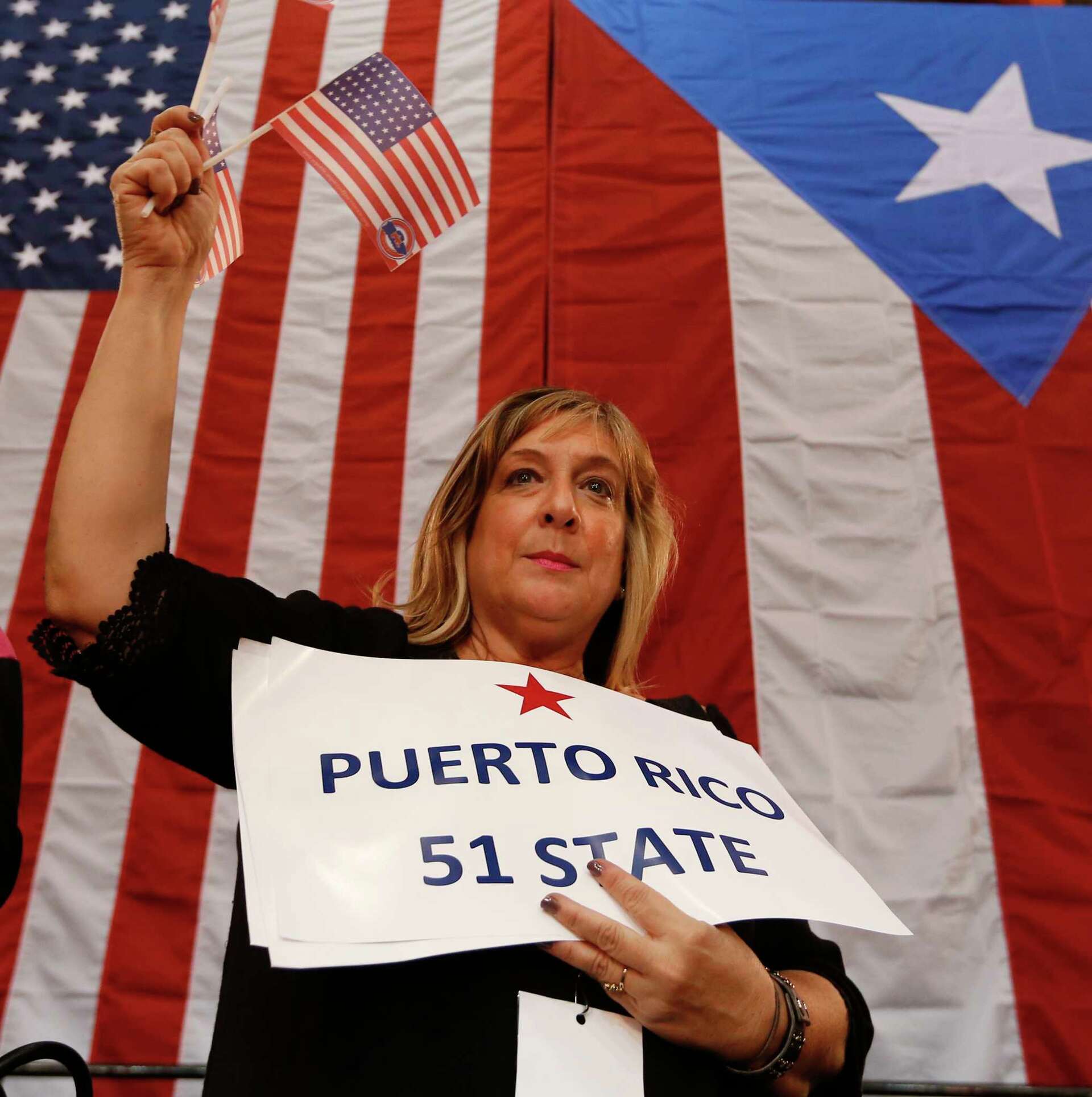
While the legal status of citizenship is clear, the political status of Puerto Rico remains a subject of fervent debate both on the island and within the United States. The question of whether Puerto Rico should become the 51st state, gain independence, or continue as a territory with modified powers, directly impacts the future rights and responsibilities of its citizens.
Proponents of statehood argue that it would grant Puerto Ricans full representation and equality within the United States, resolving the current disparities in federal funding and voting rights. Conversely, advocates for independence believe that full sovereignty is the only path to true self-determination and economic freedom. Those who favor maintaining the territorial status often seek greater autonomy and a more equitable relationship with the federal government without necessarily pursuing full statehood or independence.
Referendums have been held periodically to gauge the will of the Puerto Rican people, but the results have often been contested or have not led to definitive action from the U.S. Congress. This ongoing political uncertainty, while not directly impacting the citizenship status of individuals, is a significant backdrop to the island’s development and its place within the broader geopolitical landscape.
In conclusion, people born in Puerto Rico are indeed U.S. citizens by birth, a right granted by federal law. This grants them significant freedoms and privileges, particularly regarding travel and residency within the United States. However, the island’s status as an unincorporated territory means that this citizenship does not come with the same full set of rights and representation as that enjoyed by citizens residing in the 50 states, a nuanced reality that continues to shape the island’s identity and its future.
LifeOutOfTheBox is a participant in the Amazon Services LLC Associates Program, an affiliate advertising program designed to provide a means for sites to earn advertising fees by advertising and linking to Amazon.com. Amazon, the Amazon logo, AmazonSupply, and the AmazonSupply logo are trademarks of Amazon.com, Inc. or its affiliates. As an Amazon Associate we earn affiliate commissions from qualifying purchases.