
California, a state renowned for its progressive policies and diverse landscapes, has been at the forefront of many cultural shifts. As discussions around plant-based psychedelics gain momentum globally, a question frequently arises for those planning a trip to the Golden State or residing within its borders: “Are psychedelic mushrooms legal in California?” This inquiry touches upon a complex legal and societal landscape, intertwining with the state’s evolving approach to drug policy, mental health, and personal exploration.
The answer to this question is not a simple yes or no. While California has made strides in decriminalizing certain substances and fostering a more open dialogue, the possession and use of psilocybin mushrooms, the psychoactive compound found in “magic mushrooms,” are still largely illegal under federal and state law. However, the narrative is far from static. Recent developments, particularly at the local level, have introduced nuances that warrant careful examination. Understanding the current legal status requires delving into the intricacies of state legislation, municipal ordinances, and the broader implications for travelers and residents alike.
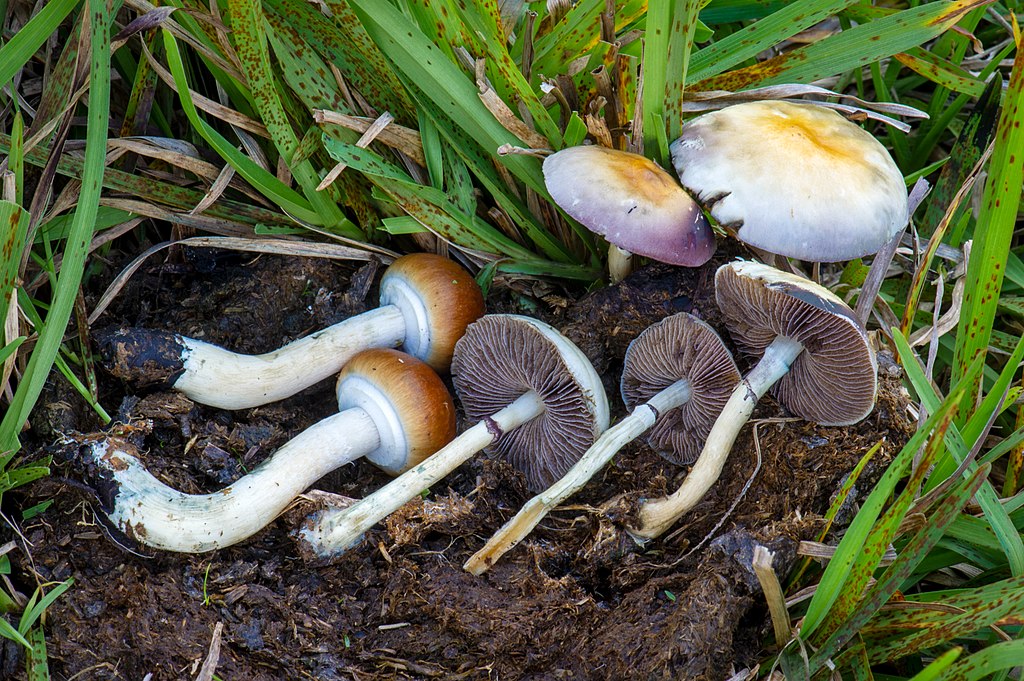
For many, the allure of exploring altered states of consciousness through psilocybin is tied to potential therapeutic benefits, personal growth, and spiritual experiences. This interest often intersects with the world of travel, where individuals might seek unique experiences or wellness retreats. As such, the legality of psychedelic mushrooms in California directly impacts how these experiences can be accessed and whether they fall within legal boundaries.
The Evolving Legal Landscape: From Prohibition to Decriminalization
The history of psychedelic substances in the United States is largely one of prohibition. Following a period of widespread experimentation and research in the mid-20th century, concerns about public safety and societal impact led to strict federal laws criminalizing substances like psilocybin. For decades, these laws have remained in place, categorizing psilocybin as a Schedule I controlled substance, signifying a high potential for abuse and no accepted medical use.
California, mirroring federal policy for many years, has treated psilocybin mushrooms as illegal contraband. Possession, cultivation, and distribution have historically carried significant legal penalties, including fines and imprisonment. This stance has been reinforced by state-level statutes that mirror federal drug classifications.
However, the tide began to turn in recent years. A growing body of scientific research has explored the potential therapeutic applications of psilocybin for conditions such as depression, anxiety, PTSD, and addiction. This renewed scientific interest, coupled with a broader societal reevaluation of drug policy, has spurred movements towards decriminalization and, in some instances, legalization.
Decriminalization Efforts in California: A Patchwork of Progress
California’s approach to drug policy has become increasingly nuanced, with several cities taking bold steps to decriminalize the personal possession and use of psilocybin mushrooms. This distinction between decriminalization and legalization is crucial. Decriminalization typically means that law enforcement’s priority shifts away from arresting and prosecuting individuals for simple possession of small amounts of a substance. It does not, however, make the substance legal to sell, manufacture, or possess in larger quantities, nor does it necessarily permit its use in public or in organized settings.
Oakland was among the first cities in California to decriminalize psilocybin in 2019, followed by Santa Cruz in 2020. These local ordinances, driven by community activism and a desire for more compassionate drug policies, signal a significant departure from traditional prohibitionist stances. In Denver, Colorado, a similar decriminalization measure passed in 2019, setting a precedent for other cities and states. While these city-level actions do not overturn state or federal law, they significantly alter the enforcement priorities within those municipalities. For individuals visiting or residing in these specific Californian cities, the risk of facing criminal charges for personal possession of psilocybin mushrooms has been substantially reduced.
It is vital for anyone considering engaging with psilocybin in these areas to understand the scope of these decriminalization measures. They are generally focused on personal use and possession by adults and do not grant permission for commercial sales or public consumption. Law enforcement agencies within these cities are directed to treat such offenses as low priority. However, this does not equate to a “free pass,” and engaging in activities that violate broader state or federal laws, such as trafficking or large-scale cultivation, can still lead to severe legal repercussions.
Beyond these specific cities, other communities in California are also exploring similar policy changes. The movement towards decriminalization is often a grassroots effort, fueled by advocacy groups, researchers, and individuals who have witnessed or experienced the potential benefits of psilocybin in controlled settings. This evolving landscape means that the legal status of psychedelic mushrooms can vary even within California, creating a complex web of regulations that travelers and residents must navigate.
Traveling to California with Psilocybin: Navigating the Legal Minefield
For travelers planning a trip to California, understanding the legal implications of psilocybin mushrooms is paramount. While the decriminalization efforts in cities like Oakland and Santa Cruz offer a degree of leniency, it is crucial to remember that these are local ordinances and do not supersede state or federal law.

Key Considerations for Travelers:
- State and Federal Law Remain: Despite local decriminalization, psilocybin mushrooms are still classified as illegal under California state law and federal law. This means that if you are traveling through areas where decriminalization is not in effect, or if you are apprehended by state or federal authorities, you could face arrest and prosecution.
- No Legal Access for Purchase or Sale: Decriminalization does not equate to legalization. You cannot legally purchase psilocybin mushrooms in California, nor is it legal to sell them. Engaging in such activities carries significant legal risks.
- Personal Possession is the Focus: The decriminalization measures primarily address the personal possession and use of small quantities by adults. This means that if you are found with a small amount for personal use in a decriminalized city, law enforcement may deprioritize enforcement. However, this is not a guarantee of immunity.
- “Magic Mushroom” Tourism is Not Officially Sanctioned: While there may be underground networks or informal gatherings, there are no officially sanctioned or legal venues for psilocybin experiences in California. The concept of “magic mushroom” tourism, as might exist in places with regulated psilocybin programs, is not yet a reality in California.
- Interstate Travel Laws: Carrying psilocybin mushrooms across state lines, even if legal in one state, is a federal offense. This is a critical consideration for anyone traveling to or from California by air or other means of transportation that involve crossing state borders.
- Risk of Seizure and Penalties: Even in decriminalized cities, law enforcement retains the discretion to take action. Furthermore, if your travel plans involve areas outside of these specific municipalities, you are subject to the full force of California’s drug laws.
The allure of exploring the mind-altering properties of psilocybin is undeniable for some, and the evolving legal landscape in California presents a confusing picture. For travelers, the safest approach is to err on the side of caution and assume that possession and use of psilocybin mushrooms are illegal unless explicitly participating in a sanctioned research study or within the very specific decriminalized parameters, and even then, with extreme awareness of the risks.
The Future of Psychedelics in California: Research and Potential Legalization
The current legal status of psychedelic mushrooms in California is a snapshot in time, with significant potential for future change. The burgeoning field of psychedelic research, coupled with ongoing advocacy efforts, suggests that the conversation around psilocybin is far from over.
Research Initiatives and Therapeutic Potential:
California, with its strong academic institutions and progressive outlook, is poised to play a significant role in the future of psychedelic research. Several universities and research centers are actively investigating the therapeutic efficacy of psilocybin for a range of mental health conditions. These studies, often conducted under strict federal and state guidelines, aim to provide robust scientific evidence to support potential medical applications.
The potential benefits being explored include:
- Treatment-Resistant Depression: Studies have shown promising results in alleviating symptoms of depression that have not responded to conventional treatments.
- Anxiety and End-of-Life Distress: Psilocybin therapy has demonstrated efficacy in reducing anxiety and depression in patients facing terminal illnesses.
- Addiction: Research is investigating the role of psilocybin in treating substance use disorders, including alcohol and nicotine addiction.
- Post-Traumatic Stress Disorder (PTSD): Early findings suggest psilocybin may help individuals process traumatic memories and reduce PTSD symptoms.
As this research progresses and produces more conclusive results, it could pave the way for FDA approval of psilocybin-assisted therapy. Such approval would dramatically alter the legal landscape, allowing for regulated medical use under the supervision of trained professionals.
The Road to Legalization: Advocacy and Policy Shifts
Beyond research, advocacy groups are actively campaigning for broader decriminalization and eventual legalization of psilocybin in California. These efforts often focus on:
- Reforming Drug Laws: Pushing for legislative changes that reduce penalties for possession and use, and that remove psilocybin from its Schedule I classification.
- Promoting Public Education: Raising awareness about the potential benefits and risks of psilocybin, and challenging existing stigmas.
- Supporting Local Initiatives: Encouraging more cities and counties to adopt decriminalization measures.
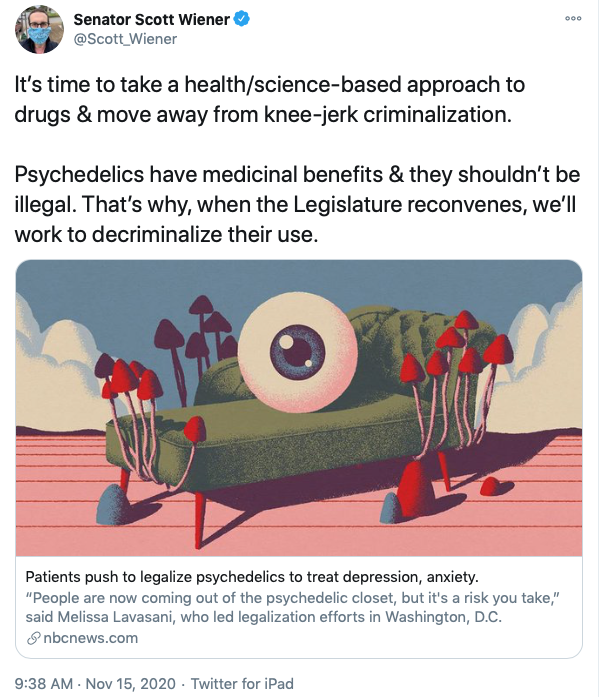
While full legalization of psilocybin mushrooms for recreational use is a more distant prospect, the trend towards increased acceptance and understanding is undeniable. The experiences of other jurisdictions that have legalized or decriminalized substances, such as Oregon with its psilocybin services initiative, serve as potential models and learning opportunities for California.
The journey from prohibition to potential widespread acceptance is complex and will likely involve further legislative debates, public discourse, and continued scientific inquiry. For now, the question of whether psychedelic mushrooms are legal in California remains a nuanced one, with pockets of decriminalization offering a glimpse into a future where the conversation around these powerful compounds continues to evolve. Travelers and residents alike must remain informed about the latest legal developments and approach any engagement with psilocybin with a clear understanding of the existing legal framework and potential risks.
LifeOutOfTheBox is a participant in the Amazon Services LLC Associates Program, an affiliate advertising program designed to provide a means for sites to earn advertising fees by advertising and linking to Amazon.com. Amazon, the Amazon logo, AmazonSupply, and the AmazonSupply logo are trademarks of Amazon.com, Inc. or its affiliates. As an Amazon Associate we earn affiliate commissions from qualifying purchases.