
Embarking on a journey through the Golden State promises an unparalleled tapestry of experiences, from the sun-drenched beaches of Southern California to the majestic peaks of the Sierra Nevada. For many travelers, the quintessential California adventure involves a road trip, offering the freedom to explore diverse landscapes, iconic landmarks, and vibrant cities at one’s own pace. Whether you’re cruising down the Pacific Coast Highway, venturing into the wine country of Napa Valley, or navigating the bustling streets of Los Angeles, understanding local driving laws is paramount to ensuring a smooth and enjoyable trip. Among the many questions that arise for those planning an extensive itinerary or even a short getaway, one often surfaces with intriguing regularity: “Are radar detectors illegal in California?”
This question is particularly relevant for the modern traveler seeking to optimize their journey, avoid unexpected fines, and maintain a seamless flow between destinations. While the answer might seem straightforward at first glance, there are crucial nuances that every visitor, from the luxury traveler staying at a five-star resort to the budget-conscious explorer finding quaint local accommodation, should be aware of. This comprehensive guide will delve into the intricacies of California’s laws regarding radar detectors, offering clarity and practical advice to help you navigate the state’s roads with confidence. We’ll explore not just the legal standing but also the practical implications for tourists, business travelers, and anyone looking to enhance their lifestyle of travel through informed decision-making.
Understanding Radar Detector Laws in California for Travelers
For visitors charting their course across the diverse terrain of California, understanding the specific regulations governing driving aids like radar detectors is essential. The laws are not uniformly applied and depend significantly on the type of vehicle you are operating. This distinction is critical for travelers, who might be driving anything from a personal car to a large rental RV.
The General Legality for Passenger Vehicles
The good news for most tourists and leisure travelers is that in California, it is generally legal to own and use a radar detector in a private passenger vehicle. This includes standard cars, SUVs, and light trucks that are not considered commercial vehicles. Unlike some other states in the United States or certain provinces in Canada where these devices are outright banned, California has opted for a more permissive approach for personal use.
This legality means that if you’re embarking on a solo adventure, a family vacation to Disneyland, or a romantic escape through wine country, a radar detector can be a permissible tool to alert you to potential speed enforcement. For those who prioritize peace of mind and wish to minimize the risk of a speeding ticket – which can significantly impact travel budgets and insurance rates – this offers a degree of flexibility. However, it’s crucial to remember that a radar detector is a passive device; it only detects radar signals. It does not interfere with them, nor does it grant you permission to exceed posted speed limits. Its primary function is to provide an early warning, allowing drivers to check their speed and adjust accordingly.
While the state law permits their use in private vehicles, there are a couple of important caveats even for this category. Firstly, federal regulations still prohibit the use of radar detectors in any vehicle operating on military bases or federal installations. Travelers planning to visit sites like military museums, national parks with federal oversight (e.g., Yosemite National Park or Joshua Tree National Park), or other federal properties should be mindful of these specific rules and either disable or remove their device before entering. Secondly, while not explicitly illegal, attaching a radar detector to your windshield in a manner that obstructs your view could potentially fall under existing laws regarding windshield obstructions, so always ensure it is mounted safely and legally.
Commercial Vehicles and Federal Regulations
The situation changes dramatically when it comes to commercial vehicles. Here, federal law takes precedence, and the rules are much stricter. Since 1991, federal regulations have banned the use of radar detectors in commercial vehicles weighing over 10,000 pounds gross vehicle weight rating (GVWR) throughout the entire United States. This federal mandate applies universally, irrespective of individual state laws.
What does this mean for travelers? If your California trip involves driving a large RV that exceeds the 10,000-pound GVWR, a commercial truck, or any other vehicle classified as commercial, then using a radar detector is illegal. This is a crucial distinction for those engaged in long-term travel, professional transport, or even those renting larger vehicles for a family expedition. The penalties for violating this federal ban can be substantial, including hefty fines and points against a commercial driver’s license. For business travelers operating company vehicles or professional drivers, this regulation is non-negotiable.
The rationale behind this federal prohibition often stems from safety concerns. Commercial vehicles, due to their size and weight, pose a greater risk in accidents, and enforcing speed limits on them is a priority for transportation authorities. Therefore, for this category of vehicles, the answer to “Are radar detectors illegal in California?” is a resounding “yes.” It underscores the importance of verifying your vehicle’s classification and weight before installing or using any detection device.
Navigating California’s Scenic Routes with Technology
California is a driver’s paradise, offering an incredible variety of scenic routes that wind through mountains, along coastlines, and across vast deserts. However, enjoying these picturesque drives often means encountering diverse speed enforcement strategies. Understanding the technological landscape of speed detection and your permissible tools can significantly enhance your travel experience.
Types of Detectors and Their Legality
When discussing radar detectors, it’s vital to differentiate between various devices and their legal standing. A common misconception lumps all speed-related gadgets into one category, but the law distinguishes clearly between them.
Radar Detectors: As established, these are generally legal for private passenger vehicles in California. They are passive receivers that listen for radar gun signals emitted by law enforcement. When a signal is detected, the device alerts the driver, giving them time to verify their speed and slow down if necessary. These devices do not interfere with police equipment; they merely inform the driver of its presence.
Laser Jammers: This is where the line is drawn. Laser jammers are unequivocally illegal in California for all vehicles, including private passenger cars. Unlike radar detectors, laser jammers are active devices. They emit light signals designed to disrupt the laser beam from a police LIDAR gun, preventing it from obtaining a speed reading. California Vehicle Code Section 28150 specifically prohibits the use of any device that “scrambles, jams, or interferes with a speed measuring device.” The penalties for using a laser jammer can be severe, including significant fines and potential criminal charges. Travelers should be extremely cautious not to confuse radar detectors with these prohibited devices.
GPS-Based Alert Systems (e.g., Waze, Google Maps): These applications, widely used on smartphones, offer real-time traffic and hazard alerts, including user-reported speed traps. They operate using GPS data and crowdsourced information, not by detecting radar or laser signals. Therefore, these systems are perfectly legal to use in California and are a popular, compliant alternative for many drivers who wish to stay informed about road conditions and enforcement. They are often integrated into modern vehicle infotainment systems, making them even more convenient for tourists navigating unfamiliar cities like San Francisco or San Diego.
The Allure of California’s Road Trips and Speed Enforcement
California’s iconic road trips, like the legendary Highway 1 along the Big Sur coastline, through the vineyards of Sonoma County, or across the vast expanse of the Mojave Desert, are experiences that define the travel lifestyle. These drives are often breathtaking, and it’s easy to get carried away by the scenery or the open road. However, law enforcement in California is vigilant about speed limits, and enforcement strategies vary across different regions.
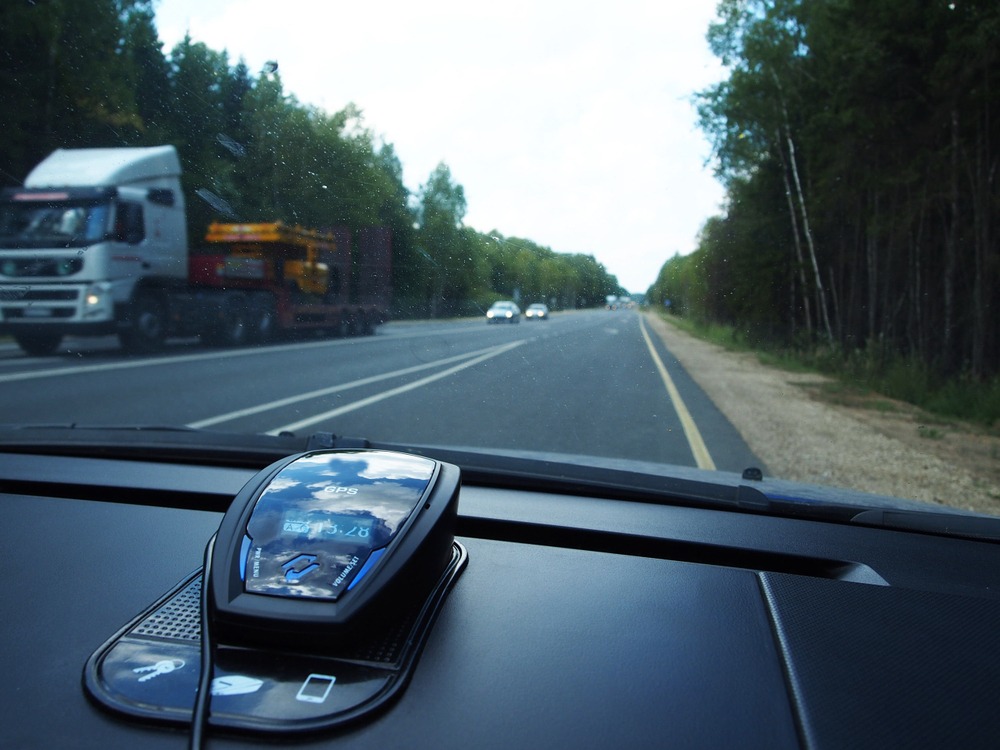
Drivers might encounter different types of speed traps and enforcement zones. On long stretches of freeway between major cities, such as the I-5 connecting Los Angeles and San Francisco, unmarked patrol cars and aircraft surveillance are common. In more populated urban areas, like around Hollywood or the Silicon Valley suburbs, speed cameras (though less common for direct ticketing than in some other countries) and handheld radar/laser guns are frequently used by local police. Along winding scenic routes, sudden changes in speed limits, particularly near small towns, popular viewpoints, or construction zones, can catch unsuspecting travelers off guard.
A radar detector, used legally and responsibly in a private vehicle, can provide an extra layer of awareness on these varied routes. It’s not about encouraging speeding, but rather about promoting defensive driving and avoiding unintentional infractions in areas where enforcement might be unexpected. For instance, after a leisurely stay at a luxurious beachfront resort in Santa Barbara, heading north on Highway 101 might involve transitioning through rural areas with lower limits before hitting open freeway, where a detector could offer a timely reminder to check speed. Understanding these enforcement patterns and the tools available can contribute significantly to a stress-free travel experience across California’s diverse driving environments.
Beyond Legality: Practical Considerations for Visitors
While knowing the legal status of radar detectors in California is the first step, practical considerations for visitors go much deeper. For many travelers, especially those unfamiliar with California’s driving culture, deciding whether to use such a device involves weighing potential benefits against broader travel objectives and personal preferences.
Why Travelers Might Consider a Radar Detector
For the discerning traveler, whether on a luxury tour or a budget-friendly backpacking adventure, avoiding unexpected costs is always a priority. Speeding tickets in California are not just an inconvenience; they can be quite expensive, often ranging from hundreds of dollars for minor infractions to significantly more for excessive speeding. These fines can quickly eat into a meticulously planned travel budget, perhaps necessitating a downgrade from a deluxe suite to a standard room, or cutting short an anticipated culinary experience in San Francisco.
Beyond the financial aspect, avoiding a ticket contributes to overall peace of mind. A radar detector can provide an early warning, allowing drivers to proactively adjust their speed and maintain compliance with traffic laws. This reduces stress, allowing travelers to focus more on the stunning landscapes, the company they keep, and the myriad attractions California has to offer. For long-haul road trippers, or those regularly traversing major interstates and varying speed zones, the consistent awareness provided by a detector can enhance the enjoyment of the journey by minimizing anxiety about hidden speed traps.
Furthermore, for some, the use of a radar detector is simply part of their established driving lifestyle. They might already own a device and prefer to use it as a habitual aid for safe and informed driving. For these individuals, the legality in California means they don’t have to alter their routine or leave their preferred equipment behind, contributing to a smoother, more familiar travel experience.
Alternatives and Best Practices for Safe Driving
Even with the legality of radar detectors for private vehicles, it’s crucial for travelers to remember that these devices are supplementary tools, not substitutes for responsible driving. The ultimate goal is always safe and lawful travel. There are several excellent alternatives and best practices that every visitor to California should embrace:
- Utilize GPS Navigation Apps: As mentioned, applications like Waze and Google Maps are invaluable. They offer real-time traffic updates, navigation, and often highlight reported speed traps or areas with heavy police presence. These are legal, free, and incredibly effective for staying informed. Many rental cars and modern personal vehicles come equipped with integrated systems, making their use seamless.
- Practice Defensive Driving: Always assume that law enforcement is present and remain alert to your surroundings. Pay close attention to posted speed limits, especially when entering new towns, construction zones, or school zones. California’s highways can be very busy, particularly around major metropolitan areas like Oakland or San Jose, so maintaining a safe following distance and being prepared for sudden stops is critical.
- Use Cruise Control: On long, open stretches of highway, setting your cruise control to the posted speed limit is an excellent way to maintain a consistent, legal speed without constant monitoring. This allows you to relax and enjoy the scenery, whether you’re heading toward the desert landscapes of Palm Springs or the forest trails near Lake Tahoe.
- Be Aware of Local Driving Culture: California drivers can be aggressive in some areas, particularly during rush hour. Understand that traffic flow often exceeds the posted speed limit on major freeways, but this does not grant permission to speed. Law enforcement retains the discretion to pull over any vehicle exceeding the limit. It’s also important to be aware of lane splitting, which is legal for motorcycles in California, and to drive cautiously around them.
- Plan Your Accommodation Wisely: When planning your itinerary, consider accommodations that offer convenient parking or are located near public transportation hubs, especially in dense urban areas. Many hotels in tourist-heavy zones, from boutique hotels in Santa Monica to luxury resorts in Carmel-by-the-Sea, understand the needs of drivers and provide ample parking solutions, which can reduce the stress of city driving.
By combining an understanding of California’s specific laws with responsible driving habits and smart use of legal technology, travelers can ensure their journey is as enjoyable and trouble-free as possible.
Exploring California: Travel Tips and Legal Driving
The true magic of California lies in its incredible diversity, offering everything from world-class urban attractions to breathtaking natural wonders. For the traveler, navigating these varied environments responsibly is key to an unforgettable experience. This involves not only understanding general driving laws but also being aware of specific nuances in different regions.
Iconic Destinations and Their Driving Nuances
California’s most famous destinations each present unique driving considerations:
- Yosemite National Park: Within the park boundaries, speed limits are strictly enforced, often much lower than on public highways, typically 25-35 mph. Rangers use various methods for enforcement, and while radar detectors might pick up signals, the primary advice is to drive slowly, enjoy the pristine scenery, and be vigilant for wildlife crossings. The focus here is conservation and safety, not speed.
- Disneyland Area (Anaheim): The area around Disneyland and Knott’s Berry Farm is characterized by heavy urban traffic, numerous intersections, and a constant flow of pedestrians. Speed limits are typically lower, and local police are present to manage congestion and ensure safety. A radar detector here might be less about detecting speed traps and more about helping you navigate through a busy, complex environment. Many visitors opt for hotels within walking distance or utilize shuttles to avoid driving stress.
- Hollywood (Los Angeles): Driving in Los Angeles, particularly in tourist hotspots like Hollywood, Beverly Hills, or Santa Monica, is an experience in itself. Traffic can be notoriously heavy, and local enforcement is focused on congestion management, aggressive driving, and distracted driving. While speed limits are generally higher on freeways, surface streets often have lower limits, and red-light cameras are common. Patience, good navigation, and awareness of surroundings are more crucial than speed detection.
- Big Sur (Highway 1): This iconic stretch of coastline offers breathtaking views but demands slow, careful driving. The road is winding, often narrow, and prone to geological events requiring closures. Speed limits are low, and the focus is on enjoying the journey, pulling over at designated viewpoints, and appreciating the rugged beauty. Speeding here is not only dangerous but entirely misses the point of the experience.
- Napa Valley / Sonoma County: The wine country roads are scenic and generally well-maintained, but they wind through small towns, vineyards, and rural areas with varying speed limits. Enforcement is present, particularly for DUI offenses. A radar detector might offer awareness on the stretches between towns, but the emphasis should always be on responsible driving, especially if participating in wine tastings. Many visitors opt for guided tours or designated drivers to fully enjoy the region’s offerings without driving concerns.
Understanding these localized driving conditions ensures that your travel planning, whether it involves booking a charming bed and breakfast in Carmel or a sprawling resort in San Diego, aligns with the realities of navigating the state’s roads.
The Broader Context of California Driving Culture
Beyond specific laws, it’s beneficial to grasp the broader driving culture of California. The state is vast, and driving is a fundamental part of life for its residents. This translates to an expectation of efficiency on major freeways, but also a strong emphasis on safety and environmental responsibility.
Defensive driving is paramount. With millions of vehicles on the road, particularly in metro areas, maintaining situational awareness, anticipating other drivers’ actions, and avoiding distractions are crucial. California also has strict laws regarding cell phone use while driving, so hands-free operation is mandatory. For travelers coming from regions with different laws, adapting to these nuances is part of a successful trip.
Ultimately, the goal of any travel experience in California is to create lasting memories. Whether your passion is exploring historic landmarks, indulging in gourmet food, relaxing at luxurious hotels, or embarking on adventurous outdoor activities, safe and informed driving underpins all these pursuits. A radar detector, if used legally and responsibly in a private vehicle, can be one tool in a traveler’s arsenal to achieve this, contributing to a more relaxed and enjoyable journey across this magnificent state. However, it should never replace vigilance, adherence to speed limits, and a deep respect for the road rules designed to keep everyone safe.
In conclusion, for the vast majority of tourists and leisure travelers driving private passenger vehicles, radar detectors are indeed legal in California. However, this legality comes with significant stipulations: they are strictly prohibited in commercial vehicles over 10,000 pounds GVWR, and active devices like laser jammers are illegal for all vehicles. For an optimal and worry-free California road trip, equip yourself with knowledge, drive defensively, and leverage legal navigational aids to truly savor every moment of your journey through the Golden State.
LifeOutOfTheBox is a participant in the Amazon Services LLC Associates Program, an affiliate advertising program designed to provide a means for sites to earn advertising fees by advertising and linking to Amazon.com. Amazon, the Amazon logo, AmazonSupply, and the AmazonSupply logo are trademarks of Amazon.com, Inc. or its affiliates. As an Amazon Associate we earn affiliate commissions from qualifying purchases.