
Navigating Colorado‘s Roads: An Essential Travel Guide
For many travelers embarking on a scenic road trip through the majestic landscapes of Colorado, understanding local traffic laws is paramount to ensuring a smooth and enjoyable journey. From the bustling highways of Denver to the winding mountain passes near Vail and Aspen, each state has its own nuances when it comes to driving regulations. One common question that often arises, particularly for those accustomed to using technology to assist with driving, is the legality of radar detectors. The answer, while generally straightforward, comes with specific distinctions that every driver, especially visitors, should be aware of to avoid unnecessary complications during their travels in the Centennial State.
The Legality of Radar Detectors for Private Vehicles
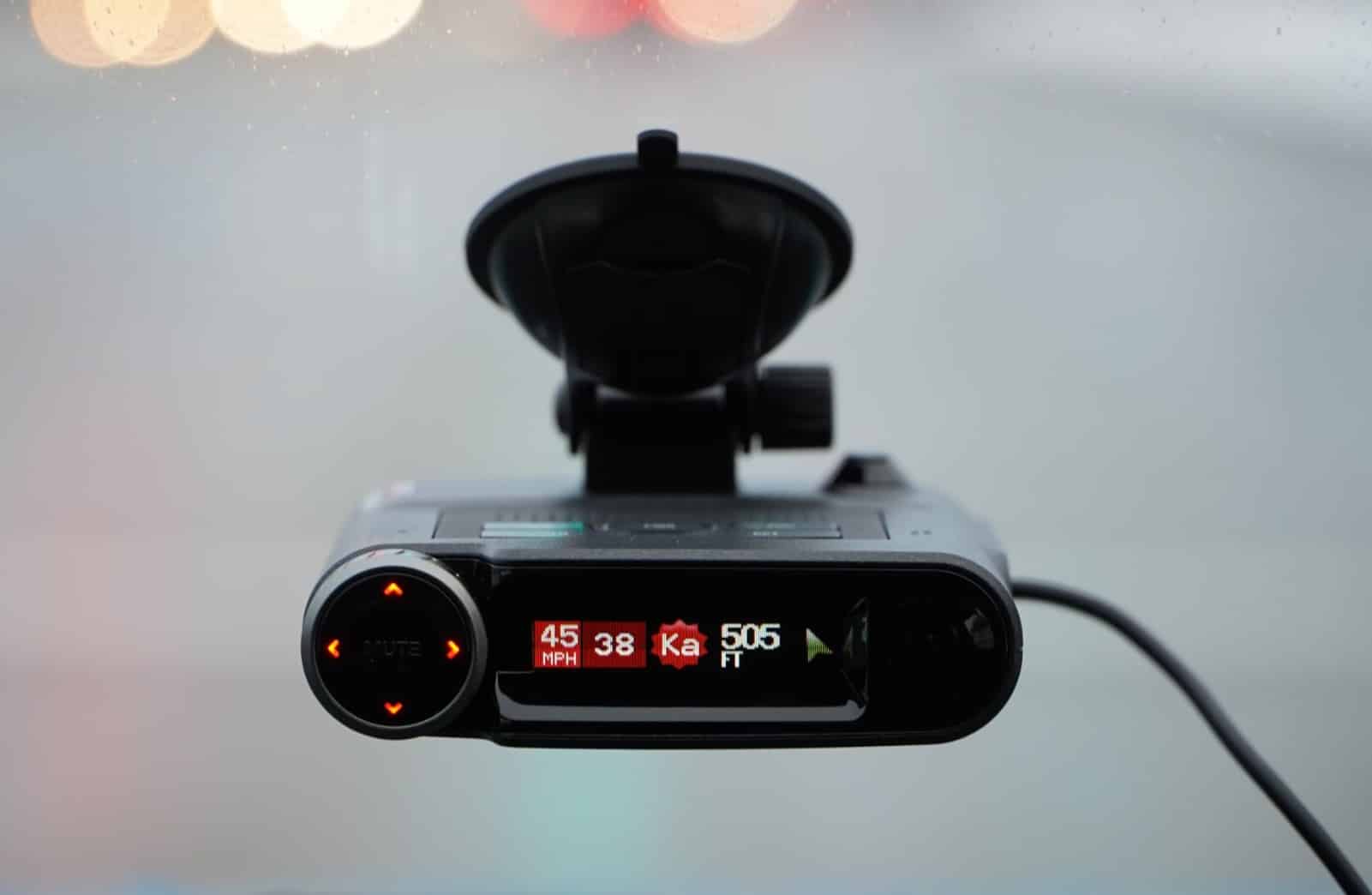
When it comes to the use of radar detectors by private, non-commercial vehicles, Colorado stands out as a state that permits their use. Unlike a handful of other states and the District of Columbia, Colorado state law does not prohibit the operation or possession of radar detection devices in standard passenger cars. This means that if you are driving your personal vehicle, or a rental car for private use, you can legally have and use a radar detector as you traverse the diverse terrains of Colorado.
However, it’s crucial to understand that legality does not equate to immunity from speeding tickets. A radar detector merely alerts a driver to the presence of radar signals, potentially indicating speed enforcement efforts. It does not prevent a ticket if you are caught exceeding the posted speed limit. Law enforcement officers are well-versed in various speed measurement technologies, including radar, lidar (laser), and VASCAR (Visual Average Speed Computer and Recorder), among others. While radar detectors might pick up some of these signals, they are not foolproof, particularly against instant-on radar or lidar guns which emit signals for very short bursts, making detection difficult before your speed has already been measured. Therefore, while legal, relying solely on a radar detector as a primary defense against speeding violations is a risky strategy. The fundamental principle for safe and lawful driving remains adherence to speed limits and traffic laws. Travelers exploring areas from Colorado Springs to Fort Collins should always prioritize safe driving practices over the perceived advantages of detection devices.
Commercial Vehicle Restrictions
The legal landscape shifts dramatically when discussing radar detectors in commercial vehicles. For commercial motor vehicles (CMVs), which include large trucks, buses, and any vehicle used for business purposes that meets specific weight or passenger capacity criteria, the use of radar detectors is strictly prohibited across the entire United States. This federal prohibition is enforced by the Federal Motor Carrier Safety Administration (FMCSA) and applies to all states, including Colorado.
Any driver operating a CMV, whether a tractor-trailer on Interstate 70 or a commercial bus navigating through Boulder, is forbidden from using or even possessing a radar detector. Violations of this federal regulation can result in substantial fines and penalties for both the driver and the commercial carrier, potentially impacting a driver’s commercial driver’s license (CDL) and safety record. For this reason, commercial travelers and those involved in freight or passenger transport must be acutely aware of and strictly adhere to these federal regulations, regardless of Colorado’s more permissive stance for private vehicles. It underscores a broader commitment to safety standards for vehicles that pose a greater risk due to their size and weight.
Understanding Speed Enforcement in the Centennial State
Colorado law enforcement agencies are dedicated to maintaining road safety, particularly given the state’s diverse geography which includes high-speed interstates, bustling urban centers, and challenging mountain roads. Understanding their methods can help travelers drive more responsibly and avoid citations.
Common Speed Traps and Patrol Methods
Law enforcement in Colorado utilizes a variety of techniques to monitor speed and enforce traffic laws. While radar and lidar are common tools, patrol officers also conduct visual estimations of speed, often corroborating these with pacing (following a vehicle to match its speed) or by using aircraft monitoring in certain areas, particularly on long, straight stretches of highway. Speed enforcement is not confined to radar signals; many advanced systems are discreet and difficult to detect, even with sophisticated equipment.
Travelers should be particularly mindful in areas known for speed enforcement. These often include:
- Transition Zones: Areas where speed limits decrease significantly, such as approaching smaller towns from a highway, or entering construction zones. Cities like Grand Junction or Pueblo often have clear transitions.
- Downhill Grades in Mountain Passes: Gravity can cause vehicles to accelerate quickly on long downhill slopes in the Rockies. Officers often monitor these locations to prevent runaway speeds, especially for larger vehicles. Areas along US Highway 36 leading into Rocky Mountain National Park are good examples.
- Construction Zones: Speed limits are strictly enforced in these areas to protect workers, often with doubled fines.
- School Zones: During specific hours, speed limits are significantly reduced around schools, and enforcement is vigilant.
- Rural Intersections: Even on seemingly open roads, law enforcement may monitor speed around busy intersections or small towns that lack dedicated speed cameras.
It’s important to recognize that speed enforcement is not about “trapping” drivers, but about promoting safety. Adhering to posted speed limits, being aware of your surroundings, and recognizing traffic flow patterns are far more effective strategies than relying on detection devices.
Consequences of Speeding Violations
A speeding ticket in Colorado can have several immediate and long-term consequences for travelers. Fines vary depending on how much you were exceeding the speed limit and the specific jurisdiction (municipal vs. state patrol).
- Fines: These can range from moderate to several hundred dollars, often increasing with the severity of the offense.
- Points on Your Driving Record: Colorado uses a point system. Accumulating too many points can lead to license suspension, particularly for out-of-state drivers whose home state may honor Colorado’s points or suspension.
- Insurance Premium Increases: Even a single speeding ticket can cause your auto insurance rates to rise, potentially impacting your budget for future travel.
- Court Appearances: In some cases, especially for excessive speeding or multiple offenses, a court appearance may be required, which can be a significant inconvenience for visitors.

For tourists, dealing with a traffic citation from out of state can be particularly cumbersome, involving mail correspondence, online payment, or even requiring a return trip for a court date. The best approach is always to drive within the legal limits and focus on defensive driving.
Beyond Detectors: Safe Driving Tips for Colorado Travelers
Colorado offers some of the most spectacular driving routes in the United States, but these also come with unique challenges. Beyond the question of radar detectors, a comprehensive approach to safe driving is essential for any traveler.
Mountain Driving Preparedness
Driving in the Rocky Mountains demands a different skill set than driving on flat plains.
- Gear Down: Use a lower gear when descending steep grades to allow your engine to assist in braking and prevent your brakes from overheating and failing. This is particularly crucial on long descents from high passes such as Loveland Pass or Monarch Pass.
- Watch for Runaway Truck Ramps: Be aware of and understand the purpose of these emergency ramps on steep descents.
- Altitude Sickness: While not directly related to driving mechanics, higher altitudes can affect drivers and passengers. Stay hydrated, take breaks, and be aware of symptoms of altitude sickness, which can impair judgment.
- Wildlife: Especially at dawn and dusk, wildlife—deer, elk, bighorn sheep—can be active near roadsides. Drive defensively and be prepared to stop. This is common near Estes Park and the San Juan Mountains.
Weather Considerations
Colorado’s weather can be unpredictable and change rapidly, especially in the mountains.
- Sudden Snowstorms: Even in spring and fall, mountain passes can experience sudden snowstorms. Always check weather forecasts and road conditions before heading into higher elevations. Resources like Cotrip.org are invaluable.
- Ice and Black Ice: Early mornings and shaded areas can harbor ice, even when temperatures seem mild.
- Summer Thunderstorms: Afternoon thunderstorms are common in summer, bringing heavy rain, hail, and flash flood risks, particularly in canyons or burn scar areas.
- Winter Driving: If traveling in winter, ensure your vehicle is equipped with appropriate tires (all-season or snow tires) and know Colorado’s chain law requirements, which can be enforced on major interstate corridors like I-70 during severe weather.
Distracted Driving Laws
Colorado has strict laws against distracted driving.
- Texting and Driving: It is illegal for all drivers to text while driving.
- Under 18 Cell Phone Use: Drivers under the age of 18 are prohibited from using a cell phone for any reason while driving.
- Safe Pull-Over: If you need to use your phone, pull over safely to the side of the road or into a parking lot.
These laws are designed to reduce accidents and enhance overall road safety, protecting both residents and visitors alike.
The Broader Context: Radar Detectors and Travel Experience
Ultimately, the decision to use a radar detector in Colorado for private vehicles rests with the individual driver. However, when considering the overall travel experience, it’s important to weigh the perceived benefits against the risks and the spirit of responsible tourism.
Weighing the Risks vs. Perceived Benefits
For many, the perceived benefit of a radar detector is the ability to drive closer to the perceived limits without immediately encountering law enforcement. However, this perspective often overlooks several key aspects:
- False Alarms: Radar detectors can often produce false alarms from automatic door openers, security systems, and other radar-emitting devices, leading to unnecessary anxiety or distraction.
- Limited Efficacy: As mentioned, modern speed enforcement techniques, especially lidar and instant-on radar, significantly reduce the effectiveness of detectors.
- Encouraging Risky Behavior: Relying on a detector might subtly encourage drivers to push speed limits, increasing the risk of accidents, especially in unfamiliar territory with varying road conditions like those found near Great Sand Dunes National Park or Mesa Verde National Park.
The primary risk is not just a speeding ticket, but the increased potential for an accident when focusing on the detector rather than the road, traffic, and conditions.

Prioritizing Safety and Compliance
A truly insightful and engaging travel experience in Colorado comes from soaking in its natural beauty, engaging with its vibrant culture, and feeling secure in your travels. Prioritizing safety and compliance with local laws enhances this experience by minimizing stress and potential legal headaches.
- Road Safety as a Priority: Focus on being a defensive driver, maintaining safe following distances, and scanning the road far ahead.
- Enjoy the Journey: Colorado is a state meant to be savored, not rushed through. Respecting speed limits allows you to appreciate the journey more fully.
- Set a Good Example: For families traveling with children, demonstrating responsible driving habits is an invaluable lesson.
While radar detectors are legal for private vehicles in Colorado, their practical utility often pales in comparison to the benefits of conscious, compliant, and cautious driving. For a worry-free adventure across Colorado’s magnificent landscapes, the best “detector” is an alert and responsible driver.
LifeOutOfTheBox is a participant in the Amazon Services LLC Associates Program, an affiliate advertising program designed to provide a means for sites to earn advertising fees by advertising and linking to Amazon.com. Amazon, the Amazon logo, AmazonSupply, and the AmazonSupply logo are trademarks of Amazon.com, Inc. or its affiliates. As an Amazon Associate we earn affiliate commissions from qualifying purchases.