
The allure of a wide-open highway, the promise of breathtaking landscapes, and the freedom of the open road – these are hallmarks of any journey through Texas. From the vibrant cityscapes of Dallas and Houston to the serene beauty of the Texas Hill Country and the rugged expanse of Big Bend National Park, the Lone Star State offers an unparalleled driving experience. For many avid travelers, road-trippers, and daily commuters alike, the question often arises: what about radar detectors? Are these devices, designed to alert drivers to the presence of police radar guns, legal to use within Texas? Understanding the legal landscape surrounding radar detectors is crucial for anyone planning a drive through this expansive state, whether for a quick business trip, a family vacation, or a long-term stay. This comprehensive guide will delve into the specific laws governing radar detectors in Texas, offer practical insights for travelers, and discuss how responsible driving practices remain paramount for an enjoyable and lawful journey.
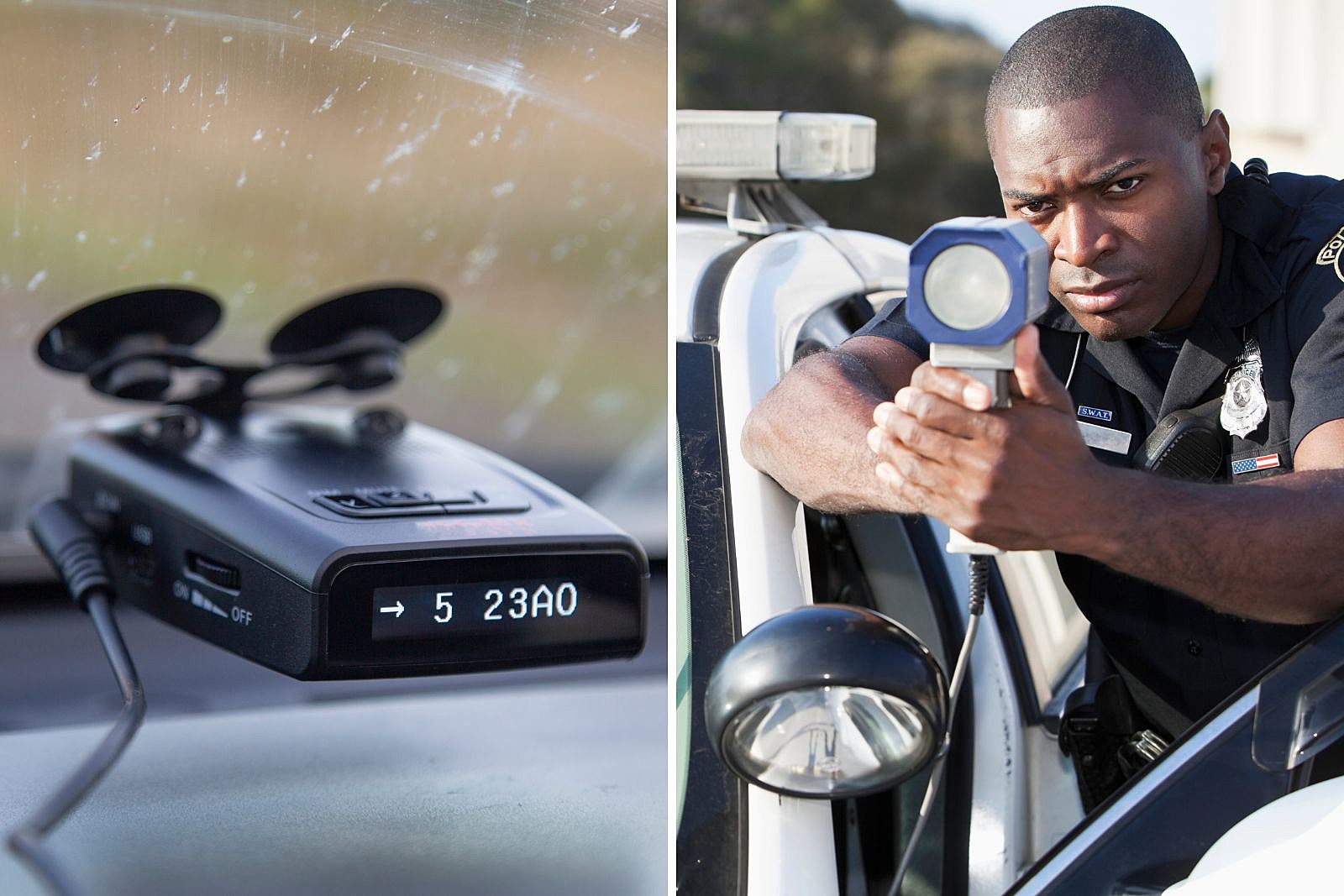
The Lone Star State’s Stance on Radar Detectors
When it comes to radar detectors, the legal framework in the United States can be a patchwork of federal and state regulations. It’s essential to distinguish between these two layers of law to fully grasp the situation in Texas.
Understanding Federal vs. State Regulations
At the federal level, the use of radar detectors is primarily regulated for commercial vehicles. Specifically, federal law prohibits the use of radar detectors in vehicles weighing over 10,000 pounds that operate in interstate commerce. This means that large commercial trucks, buses, and other heavy vehicles involved in cross-state business are not permitted to use these devices anywhere in the United States. This federal ban, enforced by agencies like the Federal Communications Commission (FCC) and various transportation authorities, is aimed at promoting safety on federal highways and ensuring commercial drivers adhere strictly to speed limits. For the vast majority of private passenger vehicles, however, federal law does not impose a blanket prohibition on radar detectors. Instead, the legality for non-commercial vehicles falls under the jurisdiction of individual states. This is where Texas carves out its own distinct rules.
The Good News for Texas Drivers
For those behind the wheel of a private passenger vehicle, the news regarding radar detectors in Texas is straightforward and generally positive: radar detectors are legal for use in non-commercial passenger vehicles throughout the state. Unlike a handful of other states (most notably Virginia and the District of Columbia), Texas has not enacted any state-level legislation to ban radar detectors for personal use. This means that if you’re embarking on a road trip from El Paso to Galveston, driving through Austin for a music festival, or simply commuting between Fort Worth and Dallas, you can legally equip your car with a radar detector. This freedom aligns with the state’s generally individualistic and pro-driver ethos, allowing individuals to make their own choices regarding driving aids, provided they are not breaking other laws.
Key Exceptions and Nuances
While the general rule in Texas is permissive, it’s crucial to be aware of the specific exceptions and nuances. The primary exception, as mentioned, applies to commercial vehicles, which are subject to the federal ban. This distinction is vital for anyone engaged in professional driving or operating large freight vehicles within or across Texas borders. Additionally, while rare, certain federal installations or military bases within Texas might have their own internal regulations prohibiting radar detectors, regardless of state law. It’s always prudent to check local rules if you plan to enter such restricted areas. Furthermore, drivers should understand the difference between radar detectors and laser jammers. While radar detectors are legal, laser jammers – devices designed to actively block or interfere with police laser guns (LIDAR) – are generally illegal in Texas and many other states. These devices fall into a different legal category due to their active interference nature, as opposed to passive detection.
Why Travelers Consider Radar Detectors for Texas Adventures
The legality of radar detectors in Texas naturally leads to a discussion of why travelers might choose to use them. For those exploring the vast and varied landscapes of the Lone Star State, a radar detector can be seen as a tool to enhance the overall travel experience.
Navigating Texas’ Vast Landscapes
Texas is a state of superlatives, and its sheer size is often at the top of that list. Covering over 268,000 square miles, it boasts diverse terrains ranging from the humid Gulf Coast to the arid deserts of West Texas, and the rolling hills of the central region. Long stretches of interstate highways, such as I-10, I-35, and I-45, traverse endless plains and remote areas. On these lengthy journeys, it’s easy for drivers to inadvertently exceed speed limits, especially when speed limits fluctuate or when passing through small towns with reduced speed zones. A radar detector can provide an early warning, helping drivers adjust their speed proactively and avoid potential citations. For travelers who are not familiar with the local speed traps or the nuances of Texas traffic enforcement, this foresight can be invaluable. It transforms the often-stressful experience of worrying about speeding into a more managed and informed drive, contributing to a smoother travel experience.
Enhancing the Road Trip Experience
For many, a road trip through Texas is a quintessential American adventure. Whether it’s a family vacation to see the Alamo in San Antonio, a cultural immersion in Austin’s live music scene, or an exploration of the historical landmarks in Houston, these journeys are about discovery and enjoyment. A speeding ticket can quickly put a damper on such experiences, leading to unexpected fines, potential court appearances (especially if you’re from out of state), and a significant loss of precious travel time. By providing advance notice of radar presence, a detector allows drivers to maintain appropriate speeds, thus reducing the risk of being pulled over. This can save not only money (from fines and potentially higher insurance premiums) but also the invaluable time that would otherwise be spent dealing with a traffic stop. For travelers focused on budget travel, avoiding fines is a direct financial benefit. For those enjoying a luxury travel experience, uninterrupted journeys are paramount. Ultimately, the perceived benefit for many is a more relaxed and uninterrupted road trip, allowing them to focus on the destination, the scenery, and the company, rather than constantly scanning for law enforcement.
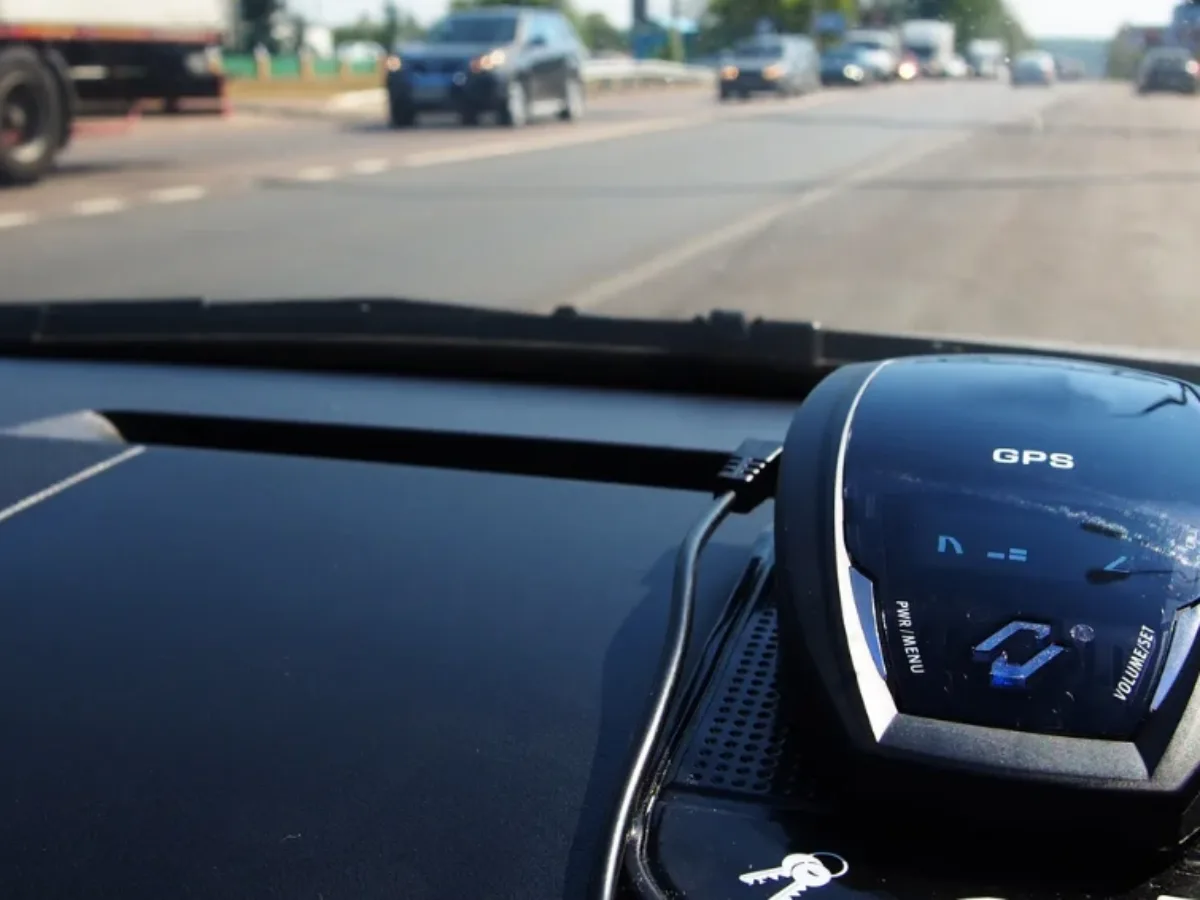
Popular Texas Road Trip Routes and Destinations
Consider the epic drives across Texas that beckon travelers. A classic route might take you from the vibrant arts district of Dallas south through the bustling metropolis of Austin (perhaps with a stop at a charming boutique hotel) and down to the historic heart of San Antonio. Another popular choice is exploring the scenic Texas Hill Country, with its vineyards, natural springs, and picturesque towns like Fredericksburg, offering a blend of local culture and unique accommodations such as rustic cabins or upscale resorts. East Texas offers a different charm with its piney woods and lakes, while the Gulf Coast cities like Galveston provide beach escapes and historical architecture. On these long drives, especially between major cities or through smaller communities, speed limits can change frequently and unexpectedly. For tourists eager to maximize their time exploring local attractions, sampling regional cuisine, and engaging in cultural activities, avoiding delays from traffic infractions is a priority. A radar detector, in this context, is seen as a practical tool for maintaining awareness and ensuring a smooth, uninterrupted progression from one Texas landmark to the next, whether it’s the Space Center Houston or the Canyon Lake Gorge.
Responsible Driving and the Role of Technology in Texas
While radar detectors are legal for private use in Texas, it’s imperative to underscore that technology should always serve as an aid to responsible driving, not as a substitute for it. The primary goal of any journey, whether for travel or business, must be safety and adherence to the law.
Radar Detectors Are Not a License to Speed
The crucial takeaway for any driver using a radar detector in Texas is that its legality does not grant immunity from traffic laws. A radar detector is a passive device designed to alert you to the presence of speed-measuring radar; it does not prevent law enforcement from detecting your speed, nor does it excuse you from a speeding violation. The responsibility for maintaining legal speeds and driving safely rests solely with the driver. Ignoring posted speed limits, driving recklessly, or using a radar detector as an excuse to push the boundaries of the law is not only dangerous but also counterproductive. Speeding tickets in Texas carry significant fines, can result in points on your driving record, and may lead to increased insurance premiums. For out-of-state visitors, dealing with a Texas traffic citation can be a complex and time-consuming ordeal, detracting significantly from the enjoyment of their trip. Therefore, while a radar detector can offer an early warning, it should be used as a prompt to confirm and adhere to speed limits, not to evade them.
Complementary Technologies and Best Practices
Modern driving involves more than just a radar detector. Many drivers in Texas utilize a suite of complementary technologies to enhance their driving experience and safety. GPS navigation systems, whether built-in or via smartphone apps like Waze or Google Maps, provide real-time traffic updates, speed limit information, and alerts for road hazards. These tools, combined with a radar detector, can create a more comprehensive awareness of your driving environment. Best practices for using a radar detector involve careful mounting to ensure it has a clear line of sight, understanding its sensitivity settings to minimize false alerts (often triggered by automatic door openers or other radar-based systems), and being aware of its limitations (e.g., radar detectors do not detect laser unless equipped with a laser receiver, and even then, laser detection usually means you’ve already been “shot”). Always be mindful of changing speed limits, particularly when transitioning from rural highways to urban centers like San Antonio or Austin, or when entering construction zones. These areas are often strictly enforced for safety reasons.
Ethical Considerations and Driver Behavior
The decision to use a radar detector also involves an ethical consideration. While legal, it’s about how one chooses to interact with the broader driving community and law enforcement. Responsible tourism and respectful engagement with local communities extend to how one behaves on the roads. Adhering to speed limits and traffic laws contributes to the safety of all road users, reduces accidents, and fosters a positive relationship with the places you visit. A radar detector, when used responsibly, can be viewed as a tool for enhanced awareness, helping drivers stay within legal limits by alerting them to potential enforcement zones. When used irresponsibly, it can perpetuate dangerous driving habits. Ultimately, the most important “device” in any vehicle is a vigilant and responsible driver. Prioritizing safety, respecting traffic laws, and being courteous to fellow drivers will always be the best approach for an enjoyable and trouble-free journey through Texas.
Making the Most of Your Texas Journey
With a clear understanding of radar detector legality, you can confidently plan your travel and accommodation in Texas, focusing on the wealth of experiences the state offers.
Planning Your Stay: Hotels, Accommodation, and Experiences
A smooth drive across the state means more time and energy to enjoy your destination. Whether you’re looking for a luxurious resort stay, a charming boutique hotel, or unique long-term accommodation options, Texas has it all. Imagine arriving refreshed at a waterfront hotel in Corpus Christi, ready to explore the local culture and cuisine, or checking into a cozy bed and breakfast in the Texas Hill Country for a relaxing retreat. Travel guides and online booking platforms can assist in finding the perfect spot, from family-friendly suites in Grapevine to business-ready apartments in downtown Dallas. The peace of mind that comes from an uninterrupted journey, free from the worry of unforeseen traffic infractions, allows you to truly immerse yourself in the local experiences, from guided tours to independent exploration, without missing a beat in your itinerary.

Exploring Texas Landmarks and Attractions
Texas is rich with iconic landmarks and diverse attractions that cater to every interest. History buffs can visit the Sixth Floor Museum in Dallas or the historic missions in San Antonio. Nature enthusiasts can hike through the breathtaking canyons of Big Bend National Park or explore the subterranean wonders of the Natural Bridge Caverns. For those interested in science and innovation, Space Center Houston offers an unforgettable experience. An efficient and safe travel plan ensures you have ample time to discover these treasures, partake in local activities, and enjoy the distinct lifestyle offerings of each region. The time saved by avoiding traffic stops or delays can be reinvested into an extra hour at a museum, a leisurely meal at a renowned restaurant, or simply more relaxation by the pool at your chosen hotel.
In conclusion, for private passenger vehicles, radar detectors are indeed legal in Texas, offering drivers a tool for enhanced situational awareness on the state’s vast road network. However, this legality comes with the unequivocal responsibility to always adhere to posted speed limits and traffic laws. Safe and lawful driving practices remain the cornerstone of any successful and enjoyable journey. By using technology wisely and prioritizing safety, both residents and visitors can confidently navigate the diverse landscapes of the Lone Star State, creating unforgettable travel memories while respecting the laws of the road. So, pack your bags, plan your route, and embark on your next great Texas adventure, responsibly and fully informed.
LifeOutOfTheBox is a participant in the Amazon Services LLC Associates Program, an affiliate advertising program designed to provide a means for sites to earn advertising fees by advertising and linking to Amazon.com. Amazon, the Amazon logo, AmazonSupply, and the AmazonSupply logo are trademarks of Amazon.com, Inc. or its affiliates. As an Amazon Associate we earn affiliate commissions from qualifying purchases.