
Florida, a state synonymous with sunshine, theme parks, and vibrant coastlines, draws millions of visitors each year. Whether you’re planning a leisurely escape to Orlando to experience the magic of Walt Disney World or a chic getaway to Miami for its Art Deco charm and bustling nightlife, navigating the roads is a crucial part of the experience. For many travelers, a primary concern when driving in an unfamiliar state is understanding local traffic laws and enforcement. This is particularly true when it comes to automated traffic enforcement, such as red light cameras. So, for those planning their next adventure, or even for residents seeking clarity, the question arises: are red light cameras legal in Florida?
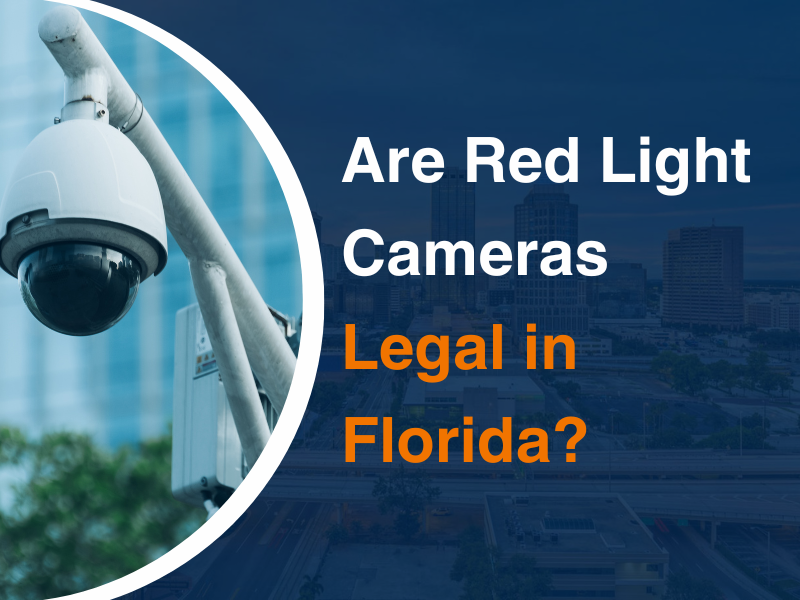
The answer is a resounding yes, but with nuances that are important to understand. Florida has embraced red light camera systems as a tool to enhance traffic safety and deter motorists from running red lights. These cameras are strategically placed at intersections throughout the state, capturing images of vehicles that fail to stop completely before entering the intersection after the traffic signal has turned red. The legality of these systems has been affirmed by state law, and their implementation is a widespread reality across many of Florida’s cities and counties.
Understanding Florida’s Red Light Camera Law
The legal framework governing red light cameras in Florida was established with the passage of legislation designed to allow for their use and to outline the procedures for issuing citations. This is not a rogue or unregulated system; there are specific statutes in place that dictate how these cameras operate and how violations are handled.
Senate Bill 140 and the Uniform Traffic Control Law
The primary legislation that paved the way for red light cameras in Florida was Senate Bill 140, enacted in 2010. This bill amended the Florida Uniform Traffic Control Law, specifically Section 316.0083, which now permits the use of traffic infraction detection devices, commonly known as red light cameras, by authorized local governments. These governments can include municipalities and counties. The law specifies that such systems can only be installed at intersections where a traffic engineering study has determined there is a significant risk of crashes related to red light running.
The intent behind this legislation was to improve safety by reducing intersection collisions, which are often severe and can lead to serious injuries or fatalities. By deterring red light violations, the state aims to create a safer environment for all road users, including drivers, pedestrians, and cyclists. The technology captures images of the offending vehicle, including its license plate, and these images are then reviewed by law enforcement personnel. If a violation is confirmed, a civil penalty is issued.
It is crucial for drivers to understand that the citations issued through red light cameras are civil infractions, not criminal ones. This means that a violation typically does not result in points being added to a driver’s license, nor does it directly affect insurance rates in the same way a moving violation might. However, failure to pay the civil penalty can lead to further consequences, including late fees and potential suspension of vehicle registration.
How Red Light Cameras Operate and What Constitutes a Violation
The technology employed by red light cameras is designed to be precise, but understanding exactly what triggers a violation is key to avoiding them. It’s not simply about the light turning red; there are specific conditions that must be met for a camera to issue a citation.
The “Three-Second Rule” and Stopping Point
Contrary to a common misconception, a violation is not automatically issued the moment a light turns red. Red light cameras are typically programmed to capture a vehicle that enters the intersection after the light has been red for a specific duration, often cited as three seconds. This “three-second rule” is a widely understood operational parameter, although the exact timing might vary slightly based on local engineering studies and the specific system used.
Furthermore, the violation occurs when the entire vehicle crosses the marked stop line or enters the intersection while the light is red. This means that if any part of your vehicle is still behind the stop line when the light turns red, you have not committed a violation. Similarly, if you are already in the intersection or have already crossed it when the light turns red, you are not in violation. The camera system captures two images: one showing the vehicle approaching or at the stop line when the light is yellow, and a second image showing the vehicle having crossed the stop line and entering the intersection when the light is red.

The system also captures video footage to provide a comprehensive record of the event. This footage is reviewed by a law enforcement officer before a citation is mailed to the registered owner of the vehicle. This human review process is an important safeguard to ensure that citations are issued accurately and only when a clear violation has occurred. It’s important to note that the recorded images and video are considered prima facie evidence of a violation.
Common Intersections and Safety Concerns
Florida’s Department of Transportation (FDOT) and local law enforcement agencies have identified intersections with high rates of red light running and related crashes as prime candidates for red light camera installation. While the specific locations can change over time as traffic patterns and safety data are updated, common areas where these cameras are found include busy urban intersections, major arterial roads, and areas with significant pedestrian and cyclist activity.
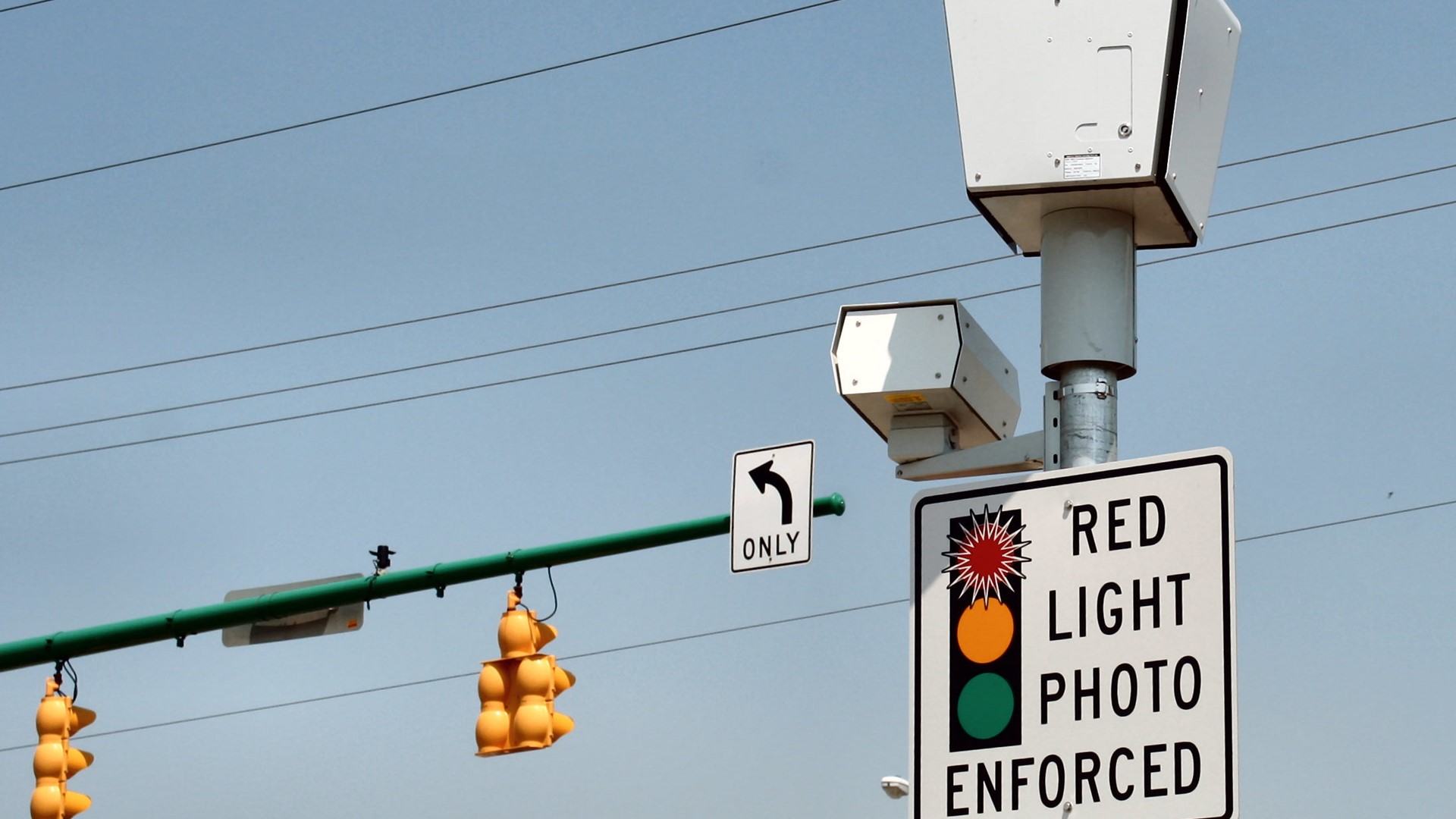
For travelers, especially those new to the area, it is advisable to be extra vigilant when approaching intersections, particularly in larger cities like Tampa, Jacksonville, or St. Petersburg. Many intersections equipped with red light cameras are clearly marked with signage warning drivers of their presence. However, drivers should not rely solely on these signs and should always obey traffic signals.
The primary goal of these cameras is to promote safer driving habits and reduce accidents. Understanding the law and how the cameras operate is the best way to ensure a safe and ticket-free journey through the Sunshine State. Whether you are visiting the beautiful beaches of the Florida Keys or exploring the Everglades, staying informed about traffic regulations is part of a responsible travel experience.
Challenging a Red Light Camera Ticket
While the intention of red light cameras is to improve safety, there may be instances where a driver believes a ticket has been issued in error. Florida law provides avenues for challenging these civil infractions. Understanding these options can empower drivers who feel they have been unfairly cited.
Grounds for Appeal and the Process
There are several potential grounds for challenging a red light camera ticket. One common argument is that the driver was not the one operating the vehicle at the time of the alleged violation. In such cases, the registered owner may be able to provide evidence to support this claim, such as an affidavit stating that the vehicle was leased or driven by someone else. Another possibility is a mechanical malfunction of the camera system, though proving this can be difficult without technical expertise.
Errors in the citation itself, such as incorrect license plate numbers or vehicle descriptions, can also be grounds for dismissal. Additionally, if the signage indicating the presence of red light cameras is obscured or inadequate, it might be a basis for appeal. However, the most common and often most successful defense revolves around proving that the violation did not actually occur according to the law’s definition. This could involve demonstrating that the vehicle had not fully entered the intersection when the light turned red, or that the driver took evasive action to avoid an accident, though the latter is a more complex defense.
The process for challenging a ticket typically begins with contacting the issuing jurisdiction or the court specified on the citation. You will usually have a certain period to respond, either by paying the fine or by requesting a hearing. Attending a hearing, either in person or sometimes virtually, allows you to present your case before a judge or hearing officer. It is often beneficial to gather any evidence you have, such as dashcam footage or witness statements, to support your claim.
Legal Counsel and Navigating the System
For individuals who find the process daunting or who have strong evidence to support their case, consulting with a traffic attorney can be a wise decision. A lawyer specializing in traffic law can advise on the best course of action, help gather evidence, and represent you in court. They are familiar with the nuances of Florida’s traffic laws and the specific procedures for challenging red light camera tickets. While it might seem like a small infraction, the potential financial cost and the principle of fairness can make seeking legal counsel a worthwhile investment for some.
Ultimately, the legality of red light cameras in Florida is firmly established by state law. They are a tool utilized by many municipalities to enhance road safety. For visitors and residents alike, the key to avoiding these tickets lies in understanding the law, being attentive at intersections, and knowing your rights and options should you receive a citation. Whether you are enjoying the theme parks of Central Florida, the beaches of the Gulf Coast, or the cultural attractions in cities like Sarasota, a little awareness goes a long way in ensuring a smooth and enjoyable trip.
LifeOutOfTheBox is a participant in the Amazon Services LLC Associates Program, an affiliate advertising program designed to provide a means for sites to earn advertising fees by advertising and linking to Amazon.com. Amazon, the Amazon logo, AmazonSupply, and the AmazonSupply logo are trademarks of Amazon.com, Inc. or its affiliates. As an Amazon Associate we earn affiliate commissions from qualifying purchases.