
For many culinary enthusiasts and travelers exploring the vibrant food cultures of the United States, the potato holds a revered place. Yet, a common question often surfaces, particularly when discussing regional specialties: are Russet and Idaho potatoes simply two names for the same thing, or do they represent distinct entities? This query delves deeper than mere nomenclature; it touches upon agricultural heritage, geographical significance, and the very identity of a state inextricably linked to its most famous crop. For those planning a visit to the Pacific Northwest, especially the agricultural heartland of Idaho, understanding this distinction is crucial to appreciating the local food scene and its rich traditions. This article will unravel the relationship between Russet and Idaho potatoes, offering insights invaluable to any culinary tourist.
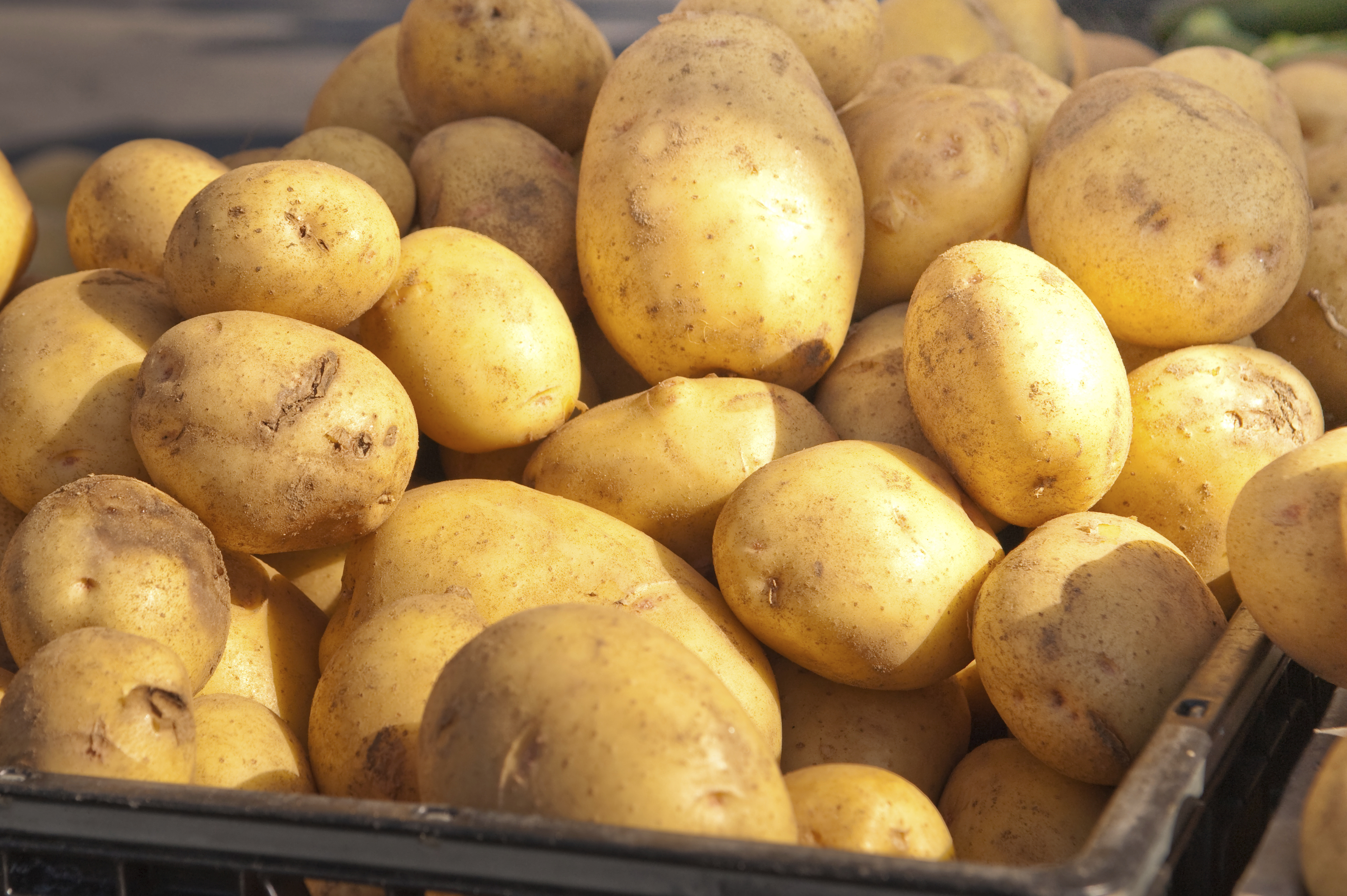
The Idaho Potato Phenomenon: A Culinary Icon
The term “Idaho Potato” conjures images of wholesome goodness, agricultural prowess, and the distinctive taste that has graced countless dinner plates. But what exactly qualifies a potato to carry the esteemed “Idaho” label, and why has this specific region become synonymous with excellence in potato cultivation?
Idaho’s Agricultural Legacy and Identity
Idaho’s unique climate and volcanic soil composition create an ideal environment for growing certain varieties of potatoes. The state experiences warm days and cool nights, combined with abundant water from mountain snowmelt via irrigation systems, which are perfect conditions for developing high-solids potatoes with superb texture. This natural advantage, coupled with generations of dedicated farming, has cemented Idaho’s reputation as the premier potato-growing state in the U.S.
The potato isn’t just an agricultural product in Idaho; it’s a cornerstone of the state’s identity, culture, and economy. The Idaho Potato Commission, established in 1937, plays a vital role in protecting and promoting the brand. For a potato to be marketed as an “Idaho Potato”, it must meet rigorous quality standards and, critically, be grown in Idaho. This geographic indicator is paramount, assuring consumers of the origin and the inherent qualities associated with Idaho’s unique growing conditions.
What Makes an Idaho Potato Special?
The distinctive characteristics of an Idaho Potato are primarily attributed to the specific varieties cultivated in the state and the aforementioned growing conditions. They are known for their high starch content, low moisture, and fluffy texture when cooked, making them ideal for baking, mashing, and frying. The thick, russeted skin helps them retain moisture during cooking, resulting in a rich, earthy flavor.
For the culinary tourist, tasting an authentic Idaho Potato in its home state is an experience in itself. From simple baked potatoes served with local butter and chives to gourmet dishes in Boise’s finest restaurants, the quality is palpable. This emphasis on quality and origin is a key aspect of Idaho’s local food culture, inviting visitors to explore farm-to-table dining experiences that highlight the state’s agricultural bounty.
Exploring Idaho’s Potato Belt: A Tourist’s Guide
For the traveler keen on immersing themselves in agricultural tourism, Idaho’s potato belt offers unique attractions. The Idaho Potato Museum in Blackfoot provides a fascinating deep dive into the history of potato farming, showcasing antique farm equipment and curious potato facts. Visitors can even pose with the “world’s largest potato” and enjoy a meal at the museum’s Spud Cellar Café. Throughout the state, various agricultural tours and farm visits are available, especially during harvest season, offering a hands-on perspective of how these famous potatoes are grown and processed. These experiences connect visitors directly to the source of their food, enriching their understanding of Idaho’s culinary backbone.
Deconstructing the Russet: More Than Just a Name
Having established the geographical and quality-based definition of an Idaho Potato, let’s turn our attention to the term “Russet”. Is it a type of potato, a color, or something else entirely?
Varieties of Russet Potatoes
“Russet” refers to a category of potato defined by its rough, brown, netted skin, often oval shape, and starchy flesh. It is a varietal characteristic, not a geographical designation. The most famous and widely cultivated russet variety is the Russet Burbank, but there are other russet types such as the Russet Norkotah, Frontier Russet, and Ranger Russet, each with slightly different characteristics in terms of yield, maturity, and culinary application.
These varieties are grown in many parts of the world, not just Idaho. While Idaho is renowned for its russets, particularly the Russet Burbank, you can find russet potatoes grown in Washington, Oregon, Wisconsin, and even internationally. This distinction is crucial: a russet potato does not automatically mean it’s an Idaho Potato, although many Idaho Potatoes are indeed russets.
Culinary Versatility and Global Reach
The characteristics that make Russet potatoes popular in Idaho — their high starch content and fluffy texture — also make them a global culinary favorite. They are the go-to choice for classic dishes like baked potatoes, crispy french fries, and creamy mashed potatoes. Their versatility makes them a staple in kitchens worldwide, from fine dining establishments to casual diners.
For the international traveler, encountering a russet potato in a different country might mean a slightly different taste profile or texture due to variations in soil, climate, and cultivation practices. This global presence underscores that “russet” is a varietal type that transcends geographical boundaries, even if a specific region like Idaho has perfected its cultivation.
Russet and the Tourist’s Plate
When exploring culinary landscapes, understanding the nuances of ingredients like the russet potato enhances the gastronomic experience. In many travel destinations, chefs will highlight the specific type of potato used, often emphasizing local sourcing. For instance, a restaurant in Maine might feature a russet-style potato grown locally, distinct from one cultivated in Idaho. This knowledge empowers travelers to ask informed questions, appreciate regional differences, and truly savor the local flavors.
The Intersection: When Russet Meets Idaho
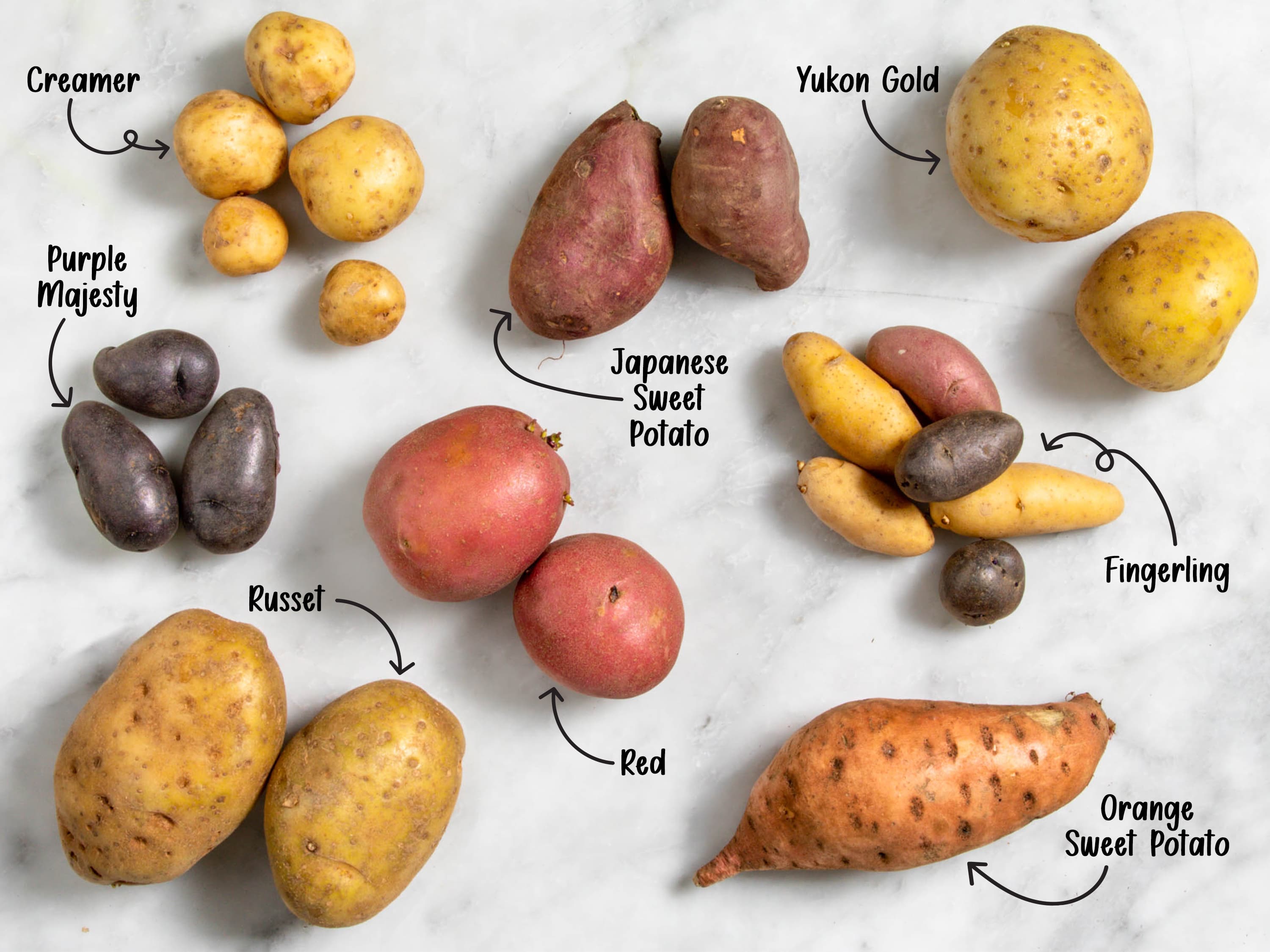
The answer to our core question begins to emerge at the intersection of these two terms. “Russet” describes a type or variety of potato, while “Idaho Potato” describes a potato grown in Idaho, irrespective of its specific variety, though historically dominated by russets.
The Idaho Russet Burbank: A Star is Born
The Russet Burbank is the undisputed king of Idaho and the primary reason for the state’s potato fame. This specific variety thrives in Idaho’s conditions, producing the large, starchy, and fluffy potatoes for which the state is known. So, when you pick up a bag of “Idaho Potatoes” at the grocery store, there’s a very high probability they are Russet Burbank potatoes grown in Idaho.
This convergence is where the confusion often arises. Many Idaho Potatoes are Russet potatoes, specifically the Russet Burbank. But not all Russet potatoes are Idaho Potatoes, and not all Idaho Potatoes are exclusively russets.
Geographic Indicators vs. Varietal Names
This distinction highlights the difference between a geographic indicator (e.g., Idaho Potato, Champagne, Parmigiano-Reggiano) and a varietal name (e.g., Russet, Chardonnay, Cheddar). The former signifies origin and adherence to specific regional quality standards, while the latter describes the inherent characteristics of the plant itself.
For the discerning culinary traveler, recognizing this nuance allows for a deeper appreciation of food origins and quality. It’s the difference between asking for “wine” and asking for “Napa Valley Cabernet Sauvignon” – the specificity enhances the experience and understanding of the product. When you encounter a restaurant advertising “fresh Idaho Potatoes,” it implies a commitment to a regionally sourced product known for its quality, likely a Russet Burbank.
Beyond the Burbank: Other Russets in Idaho
While the Russet Burbank dominates, Idaho growers also cultivate other russet varieties, such as the Russet Norkotah, which matures earlier and has a slightly smoother skin, and the Ranger Russet, favored for processing into fries. There are also non-russet varieties grown in Idaho, including Yukon Golds and red varieties, although these do not carry the same iconic status as the russet.
This diversity means that even within the “Idaho Potato” umbrella, there is variety, allowing for different culinary applications and taste profiles. Exploring these different types, especially when visiting local markets in Idaho, adds another layer to the food tourism experience.
Experiencing Idaho’s Potato Culture: A Visitor’s Culinary Journey
For travelers drawn to local food experiences, Idaho’s potato culture offers a wealth of opportunities to engage with this humble yet celebrated tuber.
Farm-to-Table Experiences and Festivals
Visiting Idaho during harvest season (typically late summer to early autumn) provides the best opportunity to see potato farming in action. Many farms offer tours, and local farmers’ markets burst with freshly harvested produce, including various potato types. Culinary festivals, such as the Idaho Potato Drop on New Year’s Eve in Boise or smaller, regional events, celebrate the potato with food stalls, cooking demonstrations, and family-friendly activities. These events are fantastic ways for tourists to mingle with locals, taste authentic Idahoan cuisine, and appreciate the community built around agriculture.
Must-Try Idaho Potato Dishes
Beyond the simple baked potato, Idaho’s culinary scene offers numerous ways to enjoy its signature crop. Look for restaurants featuring:
- Loaded Baked Potatoes: A quintessential Idaho experience, often served with local cheeses, sour cream, and sometimes even huckleberries for a unique twist.
- Idaho Potato Fries: The state prides itself on perfectly crispy and fluffy fries, often appearing as a side to locally raised beef or trout.
- Potato Skin Appetizers: Deep-fried or baked until crispy, then loaded with cheese and bacon, these are a hearty pub favorite.
- Potato Doughnuts or Breads: Many local bakeries incorporate potato flour or mashed potatoes into their recipes, yielding incredibly moist and tender baked goods.
- Potato Ice Cream: For the truly adventurous palate, the Idaho Potato Museum offers this unique dessert, a testament to the versatility of the spud.
These dishes, found across Idaho from small-town diners to upscale eateries in Sun Valley, offer a delicious journey through the state’s culinary identity.
Bringing the Idaho Taste Home
For visitors who fall in love with the Idaho Potato, bringing a taste of Idaho home is a popular souvenir. Many local markets sell special Idaho Potato bags or gift boxes. You can also find Idaho Potato branded merchandise, cookbooks featuring local recipes, and even unique potato-themed crafts. This allows travelers to extend their culinary adventure beyond their trip, sharing the unique flavor and story of Idaho’s most famous export with friends and family.

The Bottom Line for Travelers and Food Enthusiasts
So, are Russet and Idaho potatoes the same? Not exactly, but they are intrinsically linked. A “Russet” is a specific type of potato, characterized by its skin and texture, while an “Idaho Potato” is a potato that has been grown in Idaho and meets the state’s stringent quality standards. Most Idaho Potatoes are indeed Russet potatoes, predominantly the Russet Burbank variety, but the term “Idaho Potato” implies a geographic origin and a promise of quality that goes beyond just the varietal type.
For the discerning traveler, understanding this distinction enriches the experience of exploring Idaho’s local culture and food scene. It allows for a deeper appreciation of the state’s agricultural heritage, its commitment to quality, and the delightful culinary experiences that await. Whether you’re savoring a perfectly baked potato in Boise or visiting a potato farm in the Snake River Plain, you’re not just eating a potato; you’re experiencing a piece of Idaho’s enduring legacy.
LifeOutOfTheBox is a participant in the Amazon Services LLC Associates Program, an affiliate advertising program designed to provide a means for sites to earn advertising fees by advertising and linking to Amazon.com. Amazon, the Amazon logo, AmazonSupply, and the AmazonSupply logo are trademarks of Amazon.com, Inc. or its affiliates. As an Amazon Associate we earn affiliate commissions from qualifying purchases.