
The rhythm of life in New York City is famously energetic, a perpetual hum of activity that rarely falters. For residents and visitors alike, understanding when this vibrant metropolis pauses, even briefly, is crucial for seamless planning. While the question of school closures might seem specific to families, it often signals broader operational adjustments across the city, impacting everything from transportation schedules to the availability of certain public services and even the atmosphere of neighborhoods. This article delves into the mechanisms and considerations behind school closures in New York City, aiming to provide clarity and preparedness for any eventuality.
Understanding the Dynamics of School Closures in New York City
New York City Department of Education schools, serving millions of students across its five boroughs, are subject to closures for a variety of reasons. These closures are not arbitrary; they are dictated by established protocols designed to ensure the safety and well-being of students and staff, as well as to maintain the integrity of the educational process. The decision-making process involves multiple layers of assessment, from the mayor’s office and the Department of Education to the specific needs of individual school communities.
Scheduled Closures: A Calendar of Breaks and Observances
A significant portion of school closures in New York City are pre-determined and appear on the official academic calendar. These are typically:
- National and Religious Holidays: Major federal holidays such as Presidents’ Day, Memorial Day, and Labor Day are observed. Additionally, the New York City public school system recognizes a range of religious holidays important to its diverse student population, including Rosh Hashanah, Yom Kippur, Eid al-Fitr, and Orthodox Christmas.
- Teacher Professional Development Days: Several days are set aside throughout the academic year for teachers to engage in professional development, curriculum planning, and training. These are vital for ensuring educators are equipped with the latest pedagogical strategies and resources.
- Winter and Spring Breaks: The mid-winter recess and the spring break offer extended periods of respite for students and staff, typically occurring in February and April, respectively. These breaks are often sought after by families looking for opportunities for local exploration or longer getaways.
- End-of-Term Examinations and Report Card Days: While not always resulting in a full day off for all students, certain days might have modified schedules or early dismissals to accommodate the grading and reporting processes at the end of academic terms.
These scheduled closures are communicated well in advance, allowing families to make necessary arrangements for childcare, travel, and personal schedules.
Unscheduled Closures: Responding to Emergencies and Unforeseen Circumstances
Beyond the planned breaks, the potential for unscheduled school closures introduces an element of unpredictability. These are typically in response to urgent situations that compromise the safety and operational capacity of schools.
Severe Weather Events
New York City is no stranger to extreme weather. Heavy snowfall, hurricanes, blizzards, or even severe thunderstorms can necessitate school closures.
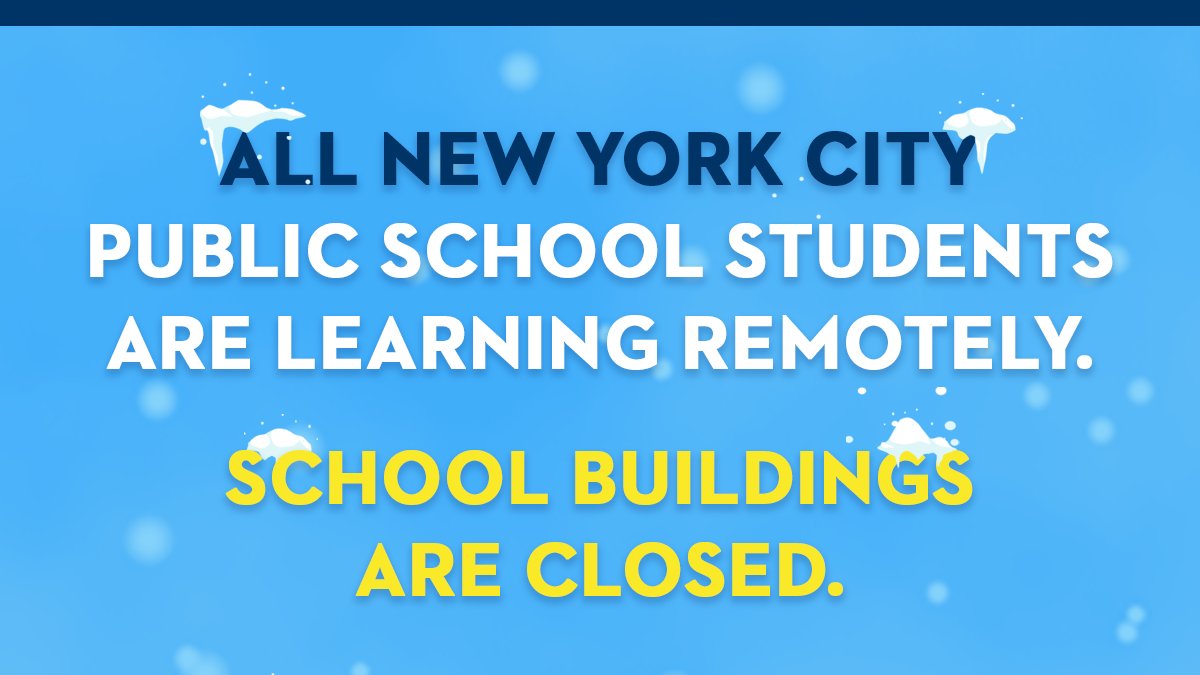
- Snow Days: The iconic “snow day” is a staple of childhood in many northern climates. In New York City, decisions about snow days are made based on the intensity of the snowfall, road conditions for busing, and the ability of school facilities to operate safely (e.g., heating and power). The Department of Sanitation’s efforts to clear roads play a significant role in this assessment.
- Hurricane and Tropical Storm Threats: While less frequent, the city’s coastal location makes it vulnerable to tropical storms and hurricanes. During such events, school closures are a critical safety measure to allow families to prepare for potential impacts, including power outages and evacuations.
- Extreme Heat: In recent years, concerns about extreme heat and the lack of adequate cooling in older school buildings have also led to considerations for early dismissals or closures, especially during prolonged heat waves.
Public Health Emergencies
Public health crises can profoundly impact school operations, as demonstrated by the COVID-19 pandemic.
- Pandemics and Epidemics: In situations of widespread illness, school closures are implemented to curb transmission, protect vulnerable populations, and allow public health officials time to implement containment strategies. This can involve temporary shutdowns for deep cleaning or extended periods of remote learning.
- Local Health Advisories: Beyond pandemics, local health advisories related to air quality (e.g., from wildfires), or specific outbreaks of infectious diseases can also trigger closures.
Infrastructure and Safety Concerns
The operational integrity of school buildings is paramount.

- Utility Failures: Extended power outages, water main breaks, or severe plumbing issues can render school facilities unusable and unsafe, leading to immediate closure.
- Building Safety Issues: Structural problems, fire emergencies, or significant maintenance issues that pose a direct threat to occupants will result in swift closure until the building is deemed safe.
- Security Threats: In rare but critical instances, credible security threats to school campuses can necessitate immediate closure and enhanced security measures.
How to Stay Informed About School Closures
In the event of an unscheduled closure, timely and accurate information is essential. New York City utilizes several channels to disseminate this information.
Official Communication Channels
- New York City Department of Education Website: The official NYC Schools website is the primary source for all official announcements. This includes scheduled breaks and any updates regarding unscheduled closures.
- Mayor’s Office Press Releases: The Mayor’s Office often issues press releases or makes public statements regarding significant city-wide decisions, including school closures, particularly those related to emergencies.
- School-Specific Communications: Individual schools and their parent coordinators will typically send out direct communications to families via email, text message alerts, or through school-specific apps. It is crucial for parents to ensure their contact information is up-to-date with their child’s school.
- Local News Outlets: Major news networks and local news websites in New York City will actively report on school closure announcements, often providing real-time updates.
Planning for the Unexpected
While the primary focus for many is the immediate impact of a closure, it’s also wise to consider the broader implications for one’s plans in New York City.
- Travel and Tourism: If you are a tourist visiting New York City and have planned activities around areas with schools or where school traffic is a factor, a closure might impact your ability to navigate certain neighborhoods. Museums, attractions like the Metropolitan Museum of Art or the American Museum of Natural History, and performance venues are generally unaffected by school schedules, but it’s always prudent to check their operating hours independently.
- Local Transportation: While MTA subways and buses will continue to operate, the absence of school traffic might lead to slightly different travel patterns. However, major disruptions are uncommon unless the closure is due to an event affecting transportation itself.
- Childcare Arrangements: For parents, unscheduled school closures necessitate immediate childcare solutions. This might involve coordinating with partners, family members, or neighbors, or considering local drop-in childcare services if available.
The Impact on New York City’s Fabric
School closures, whether planned or unexpected, ripple beyond the school gates. For the millions of families in New York City, they represent shifts in routine, requiring adaptability and often a re-evaluation of daily plans.
For Families: A Balancing Act
The most direct impact is on parents and guardians.
- Work Adjustments: Many parents must adjust their work schedules, take time off, or work remotely, which can be challenging for those in jobs with less flexibility.
- Engaging Children: Keeping children engaged and educated during unexpected days off requires creativity and resources. Libraries often offer programming, and parks like Central Park become popular destinations.
- Nutritional Support: For students who rely on school meals, closures can pose a challenge to consistent nutrition. The NYC Department of Education and various community organizations often work to provide alternative meal services during extended closures.
For the City: A Shift in Pace
While the city’s commercial and cultural heart continues to beat, a noticeable shift occurs when schools are shuttered.
- Reduced Congestion: Commutes can sometimes feel lighter with fewer school buses and parent drop-offs, although this is highly dependent on the reason for the closure.
- Increased Activity in Public Spaces: Parks, museums, and indoor attractions may see an uptick in visitors as families seek activities.
- Economic Considerations: For businesses that cater to school-aged children or rely on parents’ work schedules, closures can have a minor economic impact.

Navigating New York City Without School in Session
The question “Are schools closed tomorrow in New York City?” is more than just a logistical query; it’s an invitation to understand the dynamic nature of urban life and to be prepared for its variations. Whether it’s a scheduled holiday, a much-anticipated snow day, or an unexpected emergency, staying informed through official channels is the key to navigating the city smoothly. For visitors, understanding these rhythms can provide a deeper appreciation for the city’s operations and allow for more flexible itinerary planning. For residents, it’s an integral part of urban living, fostering resilience and community connection in the face of unforeseen circumstances. The educational landscape of New York City is vast, and its moments of pause are significant indicators of its broader operational pulse.
LifeOutOfTheBox is a participant in the Amazon Services LLC Associates Program, an affiliate advertising program designed to provide a means for sites to earn advertising fees by advertising and linking to Amazon.com. Amazon, the Amazon logo, AmazonSupply, and the AmazonSupply logo are trademarks of Amazon.com, Inc. or its affiliates. As an Amazon Associate we earn affiliate commissions from qualifying purchases.