
California, a state synonymous with innovation, progressive policies, and a vibrant lifestyle, often leads the nation in adapting to evolving social and legal landscapes. From its sun-drenched beaches and iconic landmarks to its bustling urban centers and serene natural retreats, the Golden State attracts millions of visitors annually, each seeking a unique travel experience. However, an increasingly common question for both residents and potential tourists pertains to the legality of psilocybin mushrooms, often referred to as “shrooms,” within its borders. As the conversation around psychedelic substances shifts globally, with a growing focus on their potential therapeutic benefits and a push for decriminalization or legalization, California’s stance remains a topic of considerable interest and, often, confusion. This article aims to clarify the current legal status of psilocybin in California and offer essential travel considerations for those planning a visit to this captivating state. Understanding these nuances is crucial for any traveler hoping to navigate the legal complexities while fully enjoying the myriad of attractions and experiences that California has to offer, from luxurious accommodations to budget-friendly adventures and everything in between.
Navigating the Legal Landscape of Psilocybin in California
The legal status of psilocybin mushrooms in California is a complex and evolving issue, marked by a significant divergence between federal law and a growing trend towards decriminalization at the local and state levels. This creates a challenging environment for individuals to understand their rights and responsibilities, especially for travelers who may not be familiar with the intricacies of drug policy in the United States. For anyone exploring California as a destination, whether for its world-class hotels, stunning natural beauty, or unique cultural experiences, being informed about this specific aspect of local law is paramount for a worry-free trip.
Federal vs. State Stance: A Complex Dichotomy
At the federal level, psilocybin remains classified as a Schedule I controlled substance under the Controlled Substances Act. This classification places it alongside drugs like heroin and LSD, indicating a high potential for abuse and no currently accepted medical use. Consequently, under federal law, the cultivation, possession, sale, and distribution of psilocybin mushrooms are illegal throughout the United States. This federal prohibition acts as an overarching legal framework, meaning that even if a state or local jurisdiction decriminalizes or legalizes psilocybin, federal agencies can still enforce their laws within that area. This dual legal structure creates a significant area of risk and ambiguity, particularly for interstate commerce or activities that might cross federal jurisdiction, such as within national parks or federal lands located in California.
However, California has a history of pushing boundaries and challenging federal drug policies, most notably with cannabis. While psilocybin is not yet legal for recreational or medical use at the state level in the same way cannabis is, there have been substantial legislative efforts and local movements to shift its legal status. The state penal code currently categorizes the possession of psilocybin for personal use as a misdemeanor, which can carry penalties such as fines and jail time, though enforcement can vary. The focus, especially in recent years, has been on moving away from criminalizing individuals for personal use, paving the way for a more health-oriented approach rather than a punitive one. This progressive inclination positions California at the forefront of the national discussion, even as federal law remains steadfastly prohibitive. Travelers booking their stay in a San Francisco hotel or a resort near Lake Tahoe need to be aware that while local attitudes might be relaxed, the foundational federal prohibition still holds weight.
Decriminalization Efforts: What Does it Mean?
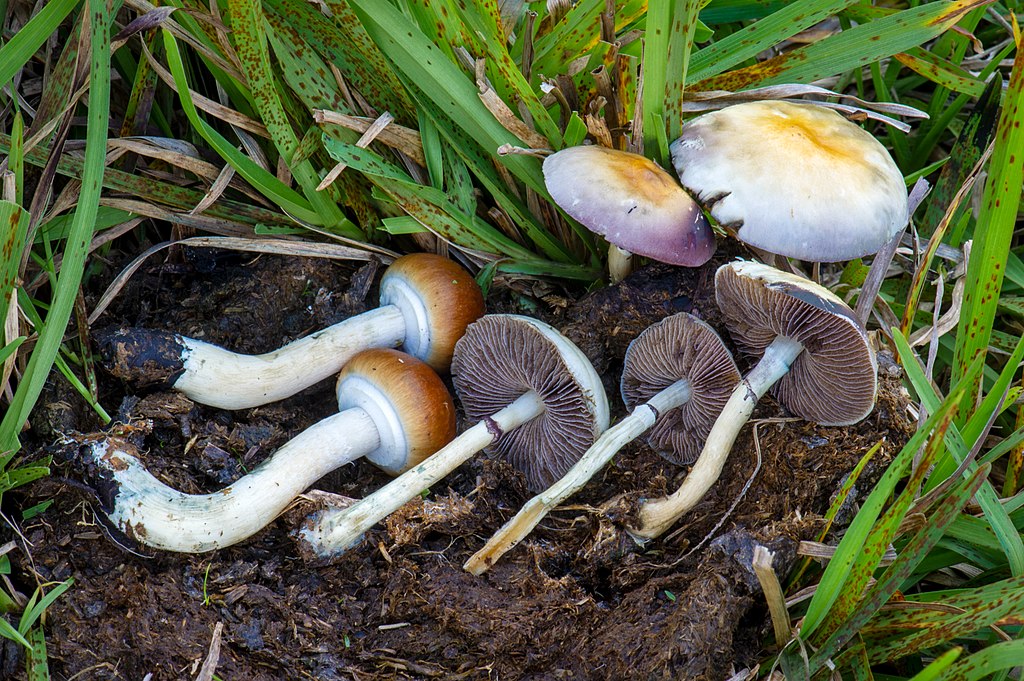
Decriminalization represents a significant step short of full legalization. When a substance is decriminalized, penalties for its possession and use are reduced or eliminated, often shifting from criminal charges to minor infractions, similar to a traffic ticket. It does not, however, make the substance legal to sell, distribute, or produce commercially. This distinction is crucial for understanding the current landscape in California. Several California cities have taken the lead in decriminalizing natural psychedelics, including psilocybin. Oakland was the first in 2019, followed by Santa Cruz later that year, and then San Francisco in 2022. These city ordinances generally mean that law enforcement prioritizes other crimes and does not use city funds or resources to investigate or arrest individuals for the personal possession and cultivation of natural psychedelics.
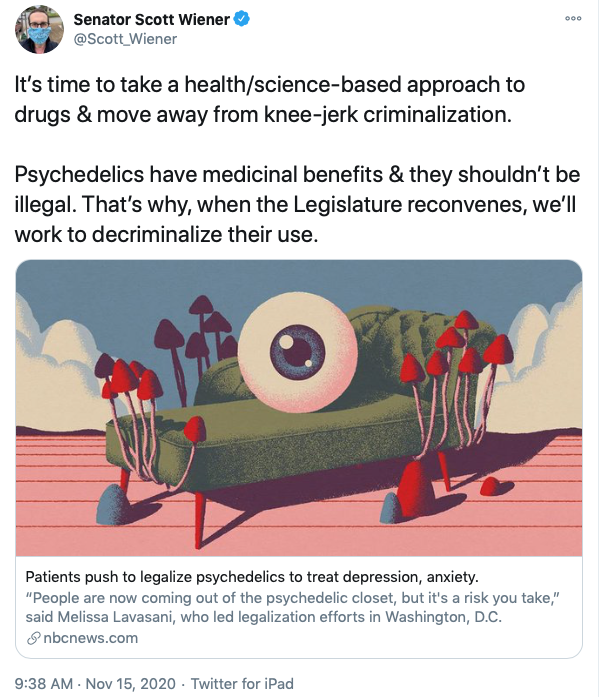
While these local measures reflect a changing attitude and reduced risk of arrest for personal use within these specific city limits, they do not grant permission for commercial sales or public consumption. It’s also vital to remember that outside these specific cities, and throughout the rest of California, state laws regarding psilocybin remain in effect, and individuals can still face misdemeanor charges for possession. Efforts for statewide decriminalization have also been robust. For instance, Senate Bill 58 (SB 58), which sought to decriminalize the personal possession and facilitated use of certain psychedelics, including psilocybin, statewide, passed through the California Legislature in 2023. However, Governor Gavin Newsom ultimately vetoed the bill, citing concerns about safety protocols. This legislative journey, despite the veto, indicates a strong political will and public interest in reforming psychedelic laws across the state. Furthermore, advocates continue to push for future ballot initiatives that could change the statewide legal status of psilocybin. For a tourist visiting the beautiful beaches of San Diego or the vineyards of Napa Valley, understanding that decriminalization is not uniform across California and that federal law remains an overriding factor is essential for a safe and informed visit.

Travel Considerations: Staying Safe and Informed
Traveling to California offers an unparalleled array of experiences, from exploring the vibrant culture of Los Angeles to hiking through the majestic landscapes of Yosemite National Park. However, when considering the legal status of psilocybin, it is crucial for visitors to prioritize safety and legal compliance to ensure their trip remains enjoyable and free of complications. While the decriminalization efforts in certain California cities might suggest a relaxed environment, it is imperative to understand the real-world implications for tourists. The focus should always be on responsible tourism, respecting local laws and customs, and ensuring personal well-being.
Understanding the Risks for Visitors
Despite the progressive strides in specific California municipalities, the sale and commercial distribution of psilocybin mushrooms remain illegal throughout the state and under federal law. This is a critical distinction for travelers. Even in cities where personal possession has been decriminalized, engaging in any form of commercial transaction involving psilocybin can lead to severe legal consequences, including felony charges. This means that purchasing “shrooms” from street vendors, unregulated online sources, or even informal social circles, carries significant risks. There are no legal dispensaries for psilocybin in California, unlike for cannabis. Tourists should be extremely wary of anyone claiming to sell psilocybin legally, as such activities are unequivocally against the law.
Furthermore, carrying psilocybin across state lines, even if traveling from another state with more permissive laws, constitutes federal trafficking and can result in very serious penalties. Travel within [California](https://lifeoutofthebox.com/california] to different cities also presents varying risks; what might be decriminalized in Oakland is not necessarily so in a neighboring county. For those flying into California, airport security (TSA) operates under federal jurisdiction, meaning any discovery of psilocybin, regardless of state or local laws, will result in federal intervention. The safest approach for any visitor is to avoid possessing or attempting to purchase psilocybin to prevent any legal complications that could severely impact their travel plans and future. Tourists enjoying the luxury suites of a Beverly Hills hotel or exploring the iconic Golden Gate Bridge should always prioritize adherence to the law.
Responsible Tourism and Personal Safety
Beyond legal ramifications, responsible tourism encompasses personal safety and respect for the local community and environment. When visiting California, focus on enjoying the vast array of legal and enriching experiences available. Explore the vibrant nightlife of Hollywood, marvel at the natural wonders of Big Sur, or immerse yourself in the art and culture of San Francisco. These activities offer deep and memorable experiences without any legal ambiguity.
If, despite warnings, a traveler considers consuming psilocybin, they should be acutely aware of the health and mental well-being risks involved. Psilocybin can induce powerful psychological effects, and unsupervised use, especially in unfamiliar environments or with unknown dosages, can lead to distressing experiences or mental health crises. It is also crucial to avoid public consumption, as even in decriminalized areas, public use can still lead to legal issues related to public intoxication or disorderly conduct. Respect for local norms and public spaces is a hallmark of responsible travel. For those interested in the potential therapeutic benefits of psychedelics, it is advisable to seek out legal, supervised clinical trials or licensed medical professionals in jurisdictions where such treatments are approved. California’s robust healthcare system and progressive medical research institutions are at the forefront of exploring these avenues legally and safely. Choosing to stay in well-regarded accommodations, whether a cozy boutique hotel in Santa Barbara or a family-friendly resort near Disneyland Resort, provides a safe and comfortable base for exploring the state’s legitimate attractions without unnecessary risks. Prioritizing legal compliance and personal safety allows visitors to fully appreciate the richness and diversity of the Golden State.
California Beyond Psilocybin: A Diverse Travel Destination
California’s allure extends far beyond discussions of psychedelic legality, solidifying its status as a premier global travel destination. The state offers an incredible tapestry of experiences that cater to every type of traveler, from adventure seekers and culture enthusiasts to those simply looking for relaxation. Focusing on the legitimate and abundant tourism offerings ensures a memorable and hassle-free journey. From its extensive coastline to its towering mountains, vibrant cities, and serene deserts, California truly is a world unto itself. Visitors can indulge in luxury travel experiences or explore the state on a budget, find family-friendly trips, or embark on solo adventures, all while immersing themselves in rich local culture, diverse cuisines, and captivating activities.
Exploring Iconic California Landmarks and Attractions
The list of iconic California landmarks and attractions is virtually endless, reflecting its diverse geography and cultural contributions. In Southern California, cities like Los Angeles invite exploration of its star-studded Hollywood Walk of Fame, the glamorous shops of Rodeo Drive, and world-class museums such as the Getty Center. Families flock to Disneyland Resort in Anaheim for magical experiences, while the stunning beaches of Malibu and Santa Monica offer quintessential California sunsets. Further south, San Diego boasts the famous San Diego Zoo, beautiful coastal parks, and a vibrant Gaslamp Quarter perfect for dining and entertainment.
Moving northward, the central coast charms visitors with the picturesque towns of Santa Barbara and Carmel-by-the-Sea, leading up to the breathtaking cliffs and scenic drives of Big Sur, a true natural wonder. In Northern California, San Francisco captivates with its fog-shrouded Golden Gate Bridge, historic Alcatraz Island, bustling Fisherman’s Wharf, and vibrant neighborhoods like Chinatown. Beyond the cities, California is home to an unparalleled collection of national parks. Yosemite National Park offers majestic waterfalls and granite cliffs, Death Valley National Park provides stark desert beauty, and Redwood National and State Parks showcase some of the world’s tallest trees. Wine enthusiasts can explore the renowned vineyards of Napa Valley and Sonoma Valley, enjoying world-class wines and gourmet dining experiences. These diverse attractions underscore California’s appeal as a destination that consistently delivers on adventure, relaxation, and cultural immersion.
Finding Your Ideal Accommodation in the Golden State
Finding the perfect accommodation is a crucial part of planning any California trip, and the state offers an extraordinary range of options to suit every preference and budget. Whether you’re seeking the opulent amenities of a five-star resort, the charm of a boutique hotel, the convenience of a serviced apartment, or the rustic appeal of a cabin in the mountains, California has it all. For those seeking luxury travel, Beverly Hills and Santa Barbara boast world-renowned hotels and resorts that offer unparalleled service, exquisite dining, and stunning views. Properties like the Four Seasons Hotel Los Angeles at Beverly Hills or the Ritz-Carlton, Laguna Niguel provide an indulgent escape.
Budget travelers will find plenty of comfortable and affordable options, including well-known hotel chains, hostels, and vacation rentals that provide excellent value without compromising on experience. Many cities offer a wide selection of mid-range hotels that combine comfort with convenient access to attractions. For a more unique experience, consider staying in a charming bed and breakfast in a coastal town like Mendocino or a quaint inn in the wine country. Families can opt for spacious suites, resorts with dedicated children’s programs, or vacation homes that offer flexibility and privacy, particularly around popular destinations like Disneyland Resort or Lake Tahoe. When choosing accommodation, it is always advisable to read reviews, compare prices, and consider the proximity to the attractions you plan to visit. Websites like lifeoutofthebox.com offer comprehensive guides and booking tips to help you find the ideal place to stay, ensuring your California adventure is as comfortable as it is exciting. Whether you’re on a business stay or a long-term vacation, the right accommodation sets the tone for your entire journey, providing a safe and welcoming base from which to explore the golden state.
In conclusion, while the question “Are Shrooms Illegal In California?” reveals a nuanced and evolving legal situation, particularly with local decriminalization efforts, the definitive answer for general recreational use and sale across the state remains “yes, mostly, and certainly federally illegal.” Travelers to California should exercise extreme caution and prioritize legal compliance to avoid unnecessary risks. The Golden State offers an incredible, legal, and diverse array of attractions, from world-class landmarks and cultural experiences to breathtaking natural wonders and exquisite culinary scenes. By focusing on responsible tourism and embracing the multitude of legitimate offerings, visitors can ensure a safe, enjoyable, and truly unforgettable journey through one of the United States’ most vibrant and beautiful states. Plan your trip wisely, stay informed, and immerse yourself in all the wonders that California legitimately provides.
LifeOutOfTheBox is a participant in the Amazon Services LLC Associates Program, an affiliate advertising program designed to provide a means for sites to earn advertising fees by advertising and linking to Amazon.com. Amazon, the Amazon logo, AmazonSupply, and the AmazonSupply logo are trademarks of Amazon.com, Inc. or its affiliates. As an Amazon Associate we earn affiliate commissions from qualifying purchases.