
The Sunshine State, a perennial favorite for travelers seeking sun-drenched beaches and vibrant theme parks, is also a prime candidate for embracing solar energy. With abundant sunshine gracing its landscape for most of the year, the question naturally arises: are solar panels worth it in Florida? For homeowners and even some savvy travelers considering long-term stays or vacation properties, understanding the financial, environmental, and practical implications of going solar is crucial. This exploration delves into the factors that make Florida an attractive, and often lucrative, market for solar energy, moving beyond the simple question of initial cost to encompass long-term savings, property value enhancement, and the broader lifestyle benefits.
The Sunshine State’s Solar Advantage: Unpacking Florida’s Potential
Florida’s geography and climate offer a compelling case for solar adoption. The state consistently ranks among the top for solar irradiance in the United States, meaning it receives a significant amount of sunlight throughout the year. This direct sunlight is the primary fuel for solar panels, translating into higher energy production and, consequently, greater financial returns for system owners. Beyond the raw sunshine, Florida’s commitment to renewable energy, albeit with evolving policies, further bolsters the argument.
Florida’s Abundant Sunshine and its Impact on Energy Production
The sheer volume of sunlight that bathes Florida is its most significant asset when it comes to solar power. Unlike regions with more temperate climates or frequent cloud cover, Florida experiences a high number of sunny days, allowing solar panels to operate at peak efficiency for extended periods. This consistent energy generation means that a solar system installed in, say, Miami or Orlando, can produce more electricity annually than a similarly sized system in a less sunny state.
The average solar irradiance in Florida is substantial, contributing to a faster payback period for solar investments. This translates to quicker recouping of the initial installation costs, after which the generated electricity becomes essentially free. For homeowners living in areas like Tampa or Jacksonville, where electricity bills can be considerable due to air conditioning usage, the prospect of significantly reducing or even eliminating these costs through solar power is highly appealing.
Evolving Solar Policies and Incentives in Florida
While Florida may not always have been at the forefront of renewable energy incentives compared to some other states, its policies have been evolving. These changes can significantly impact the financial viability of solar panel installations. Understanding these incentives, such as tax credits, net metering policies, and potential rebates, is key to maximizing the return on investment.
Historically, Florida has offered a state sales tax exemption on solar energy systems, which directly reduces the upfront cost. Furthermore, the federal solar tax credit remains a substantial incentive, allowing homeowners to deduct a percentage of the system’s cost from their federal taxes. While net metering policies can vary and have seen some debate, a favorable net metering program allows homeowners to receive credit on their electricity bills for the excess solar energy they send back to the grid. This effectively turns their solar panels into a micro-power plant that can offset their consumption and even generate credits for future use. For those considering properties in areas like St. Petersburg or Fort Lauderdale, staying abreast of these policy shifts is crucial for making informed decisions.
The Financial Landscape: Costs, Savings, and Payback Periods
The initial cost of solar panel installation is often the primary concern for potential adopters. However, this upfront investment must be weighed against the long-term savings and the increasing value solar panels can bring to a property. Technological advancements have led to more efficient and cost-effective solar panels, making them more accessible than ever before.
The cost of solar systems in Florida can vary based on factors like system size, the quality of components, and the installer chosen. However, with the aforementioned federal tax credit and potential state-level incentives, the net cost can be significantly reduced. The true value lies in the ongoing savings on electricity bills. As utility rates in Florida, like elsewhere, tend to rise over time, the financial benefit of generating your own power becomes even more pronounced.
The payback period, which is the time it takes for the accumulated savings to equal the initial investment, is a critical metric. In Florida, due to the high solar irradiance and the potential for significant electricity bill reduction, payback periods are often competitive. Many homeowners find that their solar systems pay for themselves within 8-12 years, after which they enjoy decades of free electricity. This long-term financial advantage makes solar panels a sound investment, akin to purchasing an asset that generates ongoing returns. For those considering purchasing or upgrading properties in areas like Cape Coral or Port St. Lucie, factoring in the potential for solar savings can be a significant part of the financial planning.
Beyond Savings: The Added Value of Solar Panels in Florida
The benefits of solar panels in Florida extend far beyond mere cost reduction. They contribute to increased property value, offer a degree of energy independence, and align with a growing desire for sustainable living, which is increasingly a part of the lifestyle many seek in the Sunshine State.
Enhancing Property Value and Attractiveness
In a competitive real estate market like Florida’s, homes equipped with solar panels are increasingly attractive to buyers. A solar installation is often viewed as an upgrade, similar to a renovated kitchen or bathroom, that adds tangible value to a property. Studies have shown that homes with solar panels tend to sell faster and at a higher price than comparable homes without them. This is particularly relevant for properties in popular tourist destinations or areas with a high demand for residential living.
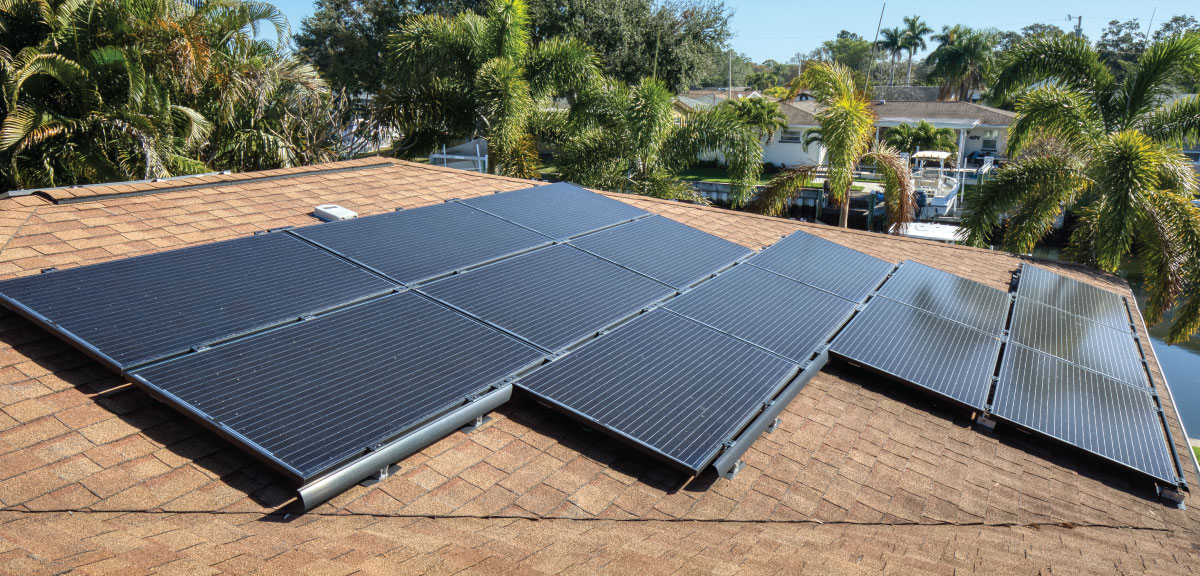
For owners of vacation homes or rental properties in areas like the Florida Keys or near the theme parks in Orlando, solar panels can be a significant selling point. Potential renters or buyers are often drawn to the prospect of lower utility costs, making a solar-equipped property a more appealing choice. This added value can translate into higher rental income or a more profitable sale, further justifying the initial investment. The environmental benefits also resonate with a growing segment of the population seeking sustainable and eco-friendly living options.
Achieving Energy Independence and Grid Resilience
For many Floridians, especially those living in coastal areas prone to power outages due to hurricanes, energy independence is a significant concern. Solar panels, when paired with battery storage systems, can provide a degree of resilience against grid failures. This means that even when the main power lines are down, your home can still have electricity for essential needs.
This added layer of security and autonomy is particularly valuable during hurricane season, a recurring concern for residents across the state. While solar panels alone do not provide power during an outage without a battery system, they are the foundation for a more robust and independent energy solution. The ability to generate your own power, reduce reliance on the grid, and have a backup during emergencies is a powerful motivator for many homeowners. This is a lifestyle consideration that appeals to those who value self-sufficiency and peace of mind, whether they are permanent residents or frequent visitors to their Florida homes.
Contributing to a Sustainable Lifestyle
The Sunshine State is not just about beaches and entertainment; it’s also a place where a growing number of people are embracing a more sustainable lifestyle. Choosing solar power is a tangible way to reduce one’s carbon footprint and contribute to a cleaner environment. By harnessing the power of the sun, homeowners are directly offsetting their reliance on fossil fuels, which are often used to generate electricity in conventional power plants.
This commitment to sustainability aligns with the broader appeal of Florida as a destination and a place to live. Many visitors and residents are increasingly conscious of their environmental impact and seek out eco-friendly options. Having solar panels on your property can be a point of pride and a reflection of these values. It’s a lifestyle choice that benefits not only the individual homeowner but also the wider community and the planet. Whether you’re relaxing in a villa in Naples or exploring the natural beauty of the Everglades, embracing solar energy in your Florida home is a step towards a greener future.
Making the Decision: Factors to Consider for Your Florida Solar Journey
The decision to install solar panels in Florida is a significant one, requiring careful consideration of various factors to ensure it aligns with your individual needs and circumstances. From assessing your energy consumption to choosing the right installer, a methodical approach will yield the best results.
Assessing Your Home’s Solar Potential and Energy Needs
Before diving into quotes and options, the first step is to understand your current energy consumption. Reviewing past electricity bills will provide a clear picture of your monthly usage, allowing you to determine the appropriate size of the solar system needed to meet your goals, whether it’s offsetting a portion of your bill or aiming for complete energy independence.
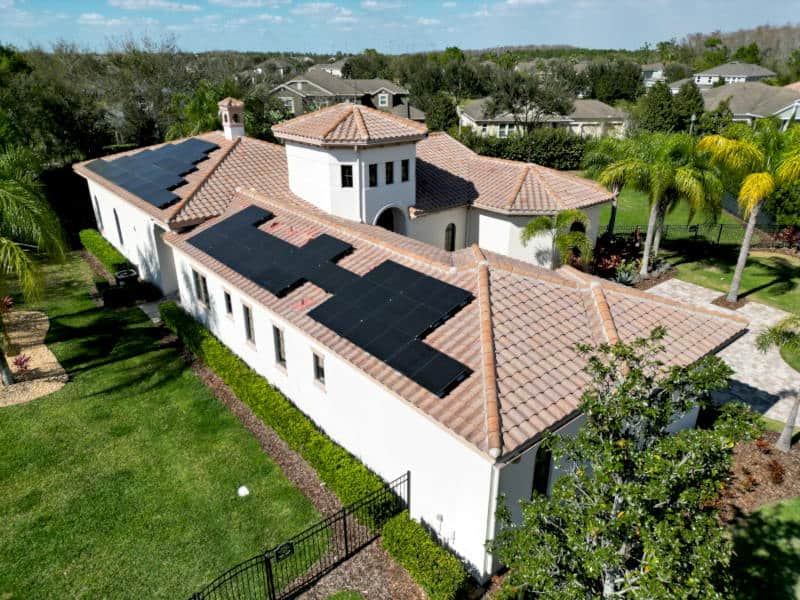
Additionally, your home’s suitability for solar panels needs to be assessed. Factors like roof orientation, shading from trees or neighboring structures, and the condition of your roof are crucial. A roof that faces south and is free from significant shading will generally yield the highest energy production. Many reputable solar installers offer free site assessments to evaluate these aspects and provide a customized recommendation. For those considering properties near popular attractions like Walt Disney World Resort or along the coast, understanding how local environmental conditions might affect panel performance is also important.
Choosing the Right Solar Installer and System Components
The solar industry in Florida is competitive, with numerous installers offering their services. It is vital to research and select a reputable company with a proven track record and positive customer reviews. Obtaining multiple quotes from different installers is highly recommended to compare pricing, equipment options, and warranty offerings.
The choice of solar panels and inverters also plays a significant role in the system’s performance and longevity. High-quality components, even if they come with a slightly higher upfront cost, can lead to greater energy production and fewer maintenance issues over the lifespan of the system. Understanding the warranties provided for both the panels and the installation labor is also a critical part of the decision-making process. For example, systems installed on vacation properties in areas like Sarasota or Clearwater might benefit from specific warranties that address seasonal use and potential weather impacts.
Understanding Financing Options and Long-Term Maintenance
While many homeowners opt to pay for their solar systems upfront, various financing options are available, including solar loans and leases. Each option has its own financial implications, and it’s important to understand the terms and conditions before committing. Solar loans can allow you to own the system from day one, benefiting from all incentives and increased property value, while leases typically involve paying a fixed monthly amount for the electricity generated.
Maintenance for solar panels is generally minimal, but it’s not non-existent. Regular cleaning to remove debris, and occasional checks for any performance issues, are recommended. Most reputable installers offer maintenance plans, and it’s wise to understand what these entail. For properties that are primarily used for vacationing or are located in areas with high pollen counts or dust, more frequent cleaning might be beneficial to ensure optimal energy production. Ultimately, a well-maintained solar system in Florida can provide decades of reliable, cost-effective, and environmentally friendly energy.
LifeOutOfTheBox is a participant in the Amazon Services LLC Associates Program, an affiliate advertising program designed to provide a means for sites to earn advertising fees by advertising and linking to Amazon.com. Amazon, the Amazon logo, AmazonSupply, and the AmazonSupply logo are trademarks of Amazon.com, Inc. or its affiliates. As an Amazon Associate we earn affiliate commissions from qualifying purchases.