
For anyone planning a trip to the vast and diverse landscape of Texas, whether for an adventurous outdoor expedition, a cultural city break, or a serene getaway to one of its many unique landmarks, understanding local laws is an essential part of responsible travel. Among the myriad questions that might arise when preparing for a journey through the Lone Star State, one often surfaces: “Are switchblades legal in [Texas]?” This seemingly simple query delves into a fascinating aspect of Texas’ legal evolution, reflecting a broader shift in how the state approaches personal freedoms and the right to carry certain items.
Once widely prohibited, the legality of switchblades, along with several other types of knives previously deemed “illegal weapons,” has undergone a significant transformation in Texas. This change has implications not only for residents but especially for visitors exploring destinations from the vibrant streets of Austin to the historic charm of San Antonio, or the rugged beauty of Big Bend National Park. Understanding these nuances is crucial for ensuring a smooth and compliant experience, allowing you to focus on the rich local culture, diverse attractions, and unforgettable experiences that Texas has to offer. This guide will navigate the history, current status, and practical considerations of knife laws in [Texas], equipping you with the knowledge to travel confidently and responsibly.
The Legal Landscape: [Texas’] Knife Laws Through the Years
The journey of knife legislation in Texas is a compelling narrative of evolving perspectives, moving from a highly restrictive stance to one that embraces greater individual liberty. For decades, the mere possession or carrying of certain types of knives was a criminal offense, a regulation that often puzzled residents and caught unsuspecting travelers off guard. The changes enacted in recent years represent a monumental shift, fundamentally altering what is permissible for citizens and visitors alike.
From Prohibition to Permissibility: A Brief History
Prior to September 1, 2017, Texas law was quite stringent regarding specific types of knives. The term “illegal knives” was codified, specifically outlawing several categories that included switchblades (also known as automatic knives), daggers, dirks, stilettos, swords, and spears. Perhaps most notably, any knife with a blade exceeding 5.5 inches in length also fell under this prohibition, regardless of its type. This meant that a common hunting knife or a large Bowie knife, often associated with the state’s rugged frontier heritage, could be considered an illegal weapon if its blade surpassed the defined length.
The rationale behind these prohibitions was rooted in public safety concerns, an effort to restrict items perceived as more dangerous or primarily designed for combat. However, as the discussion around individual rights and self-defense evolved, many argued that these laws were outdated, overly broad, and often unfairly criminalized law-abiding citizens who used such knives for legitimate purposes, be it for utility, sport, or collection. The push for reform gained significant traction, leading to the landmark legislative changes that reshaped the legal environment for knives in [Texas].

Defining “Illegal Knives”: What Changed?
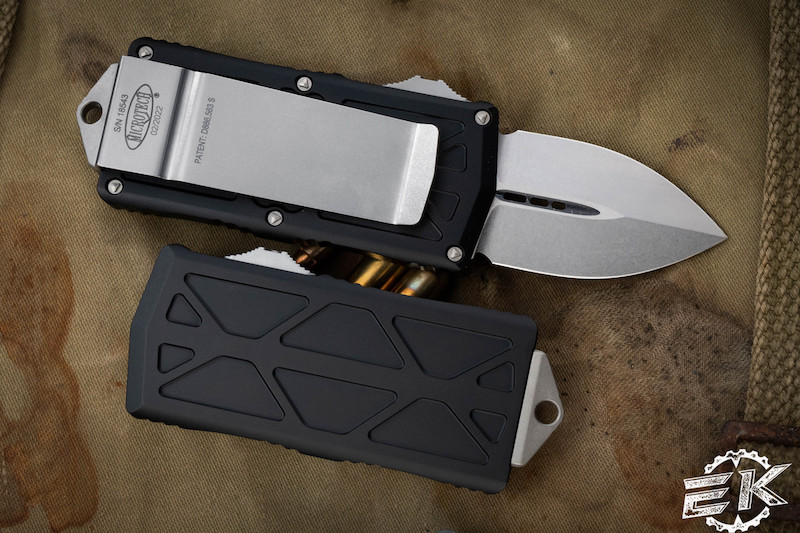
The most significant legislative change came with House Bill 1935, which was signed into law and took effect on September 1, 2017. This bill dramatically altered Chapter 46 of the Texas Penal Code, which defines “Weapons.” Crucially, it removed the entire definition of “illegal knife” from the statutes. This single act had a profound impact: it effectively legalized the carrying of most knives previously banned, including switchblades, daggers, dirks, Bowie knives, and swords. Furthermore, the arbitrary 5.5-inch blade length restriction for general carry was abolished.
This means that, as of today, an adult (someone 18 years or older) in Texas can legally carry a switchblade, a Bowie knife, a sword, or virtually any other type of knife, regardless of blade length, in most public places. This progressive stance places Texas among the states with the most liberal knife laws in the United States.
However, it’s paramount to understand that “most places” does not mean “all places.” The legislation also introduced the concept of “location-restricted knives,” maintaining prohibitions on carrying any knife, regardless of type or length, in specific, sensitive locations. This distinction is critical for both residents and visitors to grasp, as violations in these restricted zones still carry significant penalties.
Practical Implications for Travelers and Residents
The relaxed knife laws in Texas offer greater freedom but also necessitate a clear understanding of the remaining restrictions and best practices. For travelers planning to explore the vibrant cities like Dallas or Houston, or embark on outdoor adventures in state parks such as Caprock Canyon State Park or Enchanted Rock State Natural Area, knowing where and how you can carry a knife is as important as knowing where to find the best barbecue or the most comfortable accommodation.
Carrying Knives in [Texas]: Open Carry vs. Concealed Carry
Under current Texas law, adults aged 18 and older are generally allowed to carry any type of knife, regardless of its blade length, either openly or concealed, in most public places. There is no specific legal distinction between open carry and concealed carry for knives, unlike the more stringent regulations that apply to firearms. This means that whether your switchblade is clipped to your pocket for easy access during a hike or tucked away in your bag as you stroll along the San Antonio River Walk, its legality largely depends on where you are, not how it’s carried.
For a traveler, this freedom can be beneficial. A multi-tool with a sizable blade, a camping knife, or even a specialized tactical folder can be useful companions for various activities. From preparing food at a campsite in Guadalupe Mountains National Park to handling minor repairs on the road, a knife is a versatile utility tool. However, even with the expanded rights, discretion and common sense remain paramount. Brandishing a knife in a threatening manner or using it improperly can still lead to legal consequences under other statutes, such as disorderly conduct or assault.
Special Considerations: Schools, Airports, and Federal Property
Despite the general permissibility, there are specific “location-restricted” places where carrying any knife is still prohibited for individuals, regardless of age. These restrictions are in place to enhance safety in sensitive environments and are crucial for travelers to remember. Ignorance of these restrictions is not a valid defense and can lead to significant legal trouble, ranging from misdemeanors to felonies.
Here are the key locations where knives are restricted:
- Schools and Educational Institutions: This includes K-12 public and private schools, as well as colleges and universities. Carrying a knife on school grounds, buses, or at school-sponsored events is strictly forbidden.
- Polling Places: During voting hours, knives are prohibited in areas designated for casting ballots.
- Courthouses and Court Offices: Knives are not allowed within the premises of any state or federal courthouse.
- Airports: Within the secured areas of airports (beyond the TSA checkpoints), knives are universally prohibited by federal law. Even carrying certain knives into an airport can cause issues, so it’s best to check them in luggage.
- Racetracks: Places licensed for horse or dog racing.
- Correctional Facilities: Jails, prisons, and other detention centers.
- Hospitals and Nursing Homes: Healthcare facilities often have strict rules against weapons.
- Amusement Parks: Major attractions like Six Flags or SeaWorld San Antonio prohibit weapons.
- Places of Worship: Churches, mosques, synagogues, and other religious establishments.
- Government Meetings: At any meeting of a governmental entity, open to the public.
- Bars and Establishments Primarily Serving Alcohol: This refers to businesses where the primary source of income (over 51%) is the sale of alcoholic beverages for on-premises consumption. This is particularly relevant in lively entertainment districts like Sixth Street in Austin or the nightlife areas of Dallas and Houston.

For those under 18 years of age, the rules are stricter. While the general “illegal knife” definition was removed, minors are still prohibited from carrying knives with blades over 5.5 inches in public, unless they are on their own property, engaged in lawful hunting or fishing, or participating in a supervised sporting or educational activity. This distinction is vital for families traveling with teenagers.
Furthermore, travelers must remember that Texas’ laws apply only within its borders. Interstate travel means navigating a patchwork of different state and local knife laws across the United States. What’s legal in Texas might be a felony in a neighboring state. Similarly, federal properties within [Texas], such as Big Bend National Park (though state knife laws often apply in national parks unless specific federal regulations supersede them) or Space Center Houston, might have their own set of rules. Always check the specific regulations for any federal land or facility you plan to visit.
Beyond the Blade: Responsible Knife Ownership and Travel
The freedom afforded by Texas’ current knife laws comes with the inherent responsibility of understanding their limits and exercising good judgment. For the discerning traveler or the resident enjoying the vast recreational opportunities of the state, responsible knife ownership is about more than just legal compliance; it’s about safety, respect for local customs, and enhancing the overall travel experience.
Choosing the Right Knife for Your [Texas] Adventures
When considering what type of knife to carry during your [Texas] travels, think about your intended activities and the practical utility it offers. If your trip involves extensive hiking, camping, or fishing in areas like the Gulf Coast or the rugged terrain near Fort Worth, a sturdy fixed-blade knife or a reliable folding knife with a strong lock might be invaluable for tasks ranging from cutting rope to preparing tinder. Many travelers opt for a versatile multi-tool, which combines several functionalities in one compact package, often including a knife blade, pliers, and screwdrivers. These are generally well-regarded for their utility and less likely to draw unwanted attention.
For urban exploration in cities like Austin, Dallas, or Houston, a smaller, discreet folding knife might suffice for opening packages, minor utility tasks, or emergency situations. While switchblades are legal, their quick deployment can sometimes be perceived as aggressive by those unfamiliar with their legality or design. Therefore, considering public perception in crowded tourist areas or when interacting with law enforcement is always a wise approach.
When booking your accommodation, whether it’s a suite at a Hilton Hotels property, a villa through Airbnb, or a resort stay, remember that private establishments retain the right to set their own rules regarding weapons on their property. Always check with your hotel or rental host about their specific policies if you plan to keep a knife in your room, particularly if it’s a larger item like a sword you might be transporting as a collector or for historical reenactment purposes at an event like the Houston Livestock Show and Rodeo.
Knife Etiquette and Safety When Exploring [Texas]
Beyond the legalities, practicing good knife etiquette is crucial for responsible travel. This includes:
- Concealment in Public Spaces (Often Preferred): While open carry of knives is legal for adults in most places, carrying a large or conspicuous knife openly in a bustling city environment or tourist attraction might make others uncomfortable and could draw unwarranted attention from both the public and law enforcement. For city visits or crowded areas, discreetly carrying a knife is generally advisable.
- Awareness of Surroundings: Always be mindful of the environment you’re in. A knife that is perfectly acceptable in a rural camping setting might be perceived very differently in a museum, a restaurant, or a bar.
- No Brandishing: Never display a knife in a threatening or aggressive manner. Using a knife to intimidate or cause fear is illegal and can lead to severe charges, regardless of the knife’s legal status.
- Secure Storage: When not in use, ensure your knife is safely stored, especially if traveling with children. In a vehicle, a knife should be out of immediate reach, preferably in a glove compartment or console, or in checked luggage on flights.
- Educate Yourself Continually: Laws can change, and interpretations may vary. It’s always a good practice to briefly review current Texas Penal Code Chapter 46 before any trip, or consult with legal resources if you have specific concerns. The Texas Department of Public Safety website is a reliable source for official information.
Responsible knife ownership integrates seamlessly with a mindful approach to lifestyle and tourism. Whether your travels involve luxury travel experiences in a five-star Marriott International resort or budget travel exploring the lesser-known gems of [Texas], integrating these considerations ensures that your focus remains on enjoying the unique charm and adventures that the state offers, free from avoidable legal complications.
Navigating [Texas] with Confidence: A Traveler’s Resource
The question “Are switchblades legal in [Texas]?” now has a clear and largely permissive answer for adults: Yes, in most places. The significant legislative changes of 2017 brought Texas knife laws into a new era, allowing greater freedom for individuals to carry a wider range of knives, including automatic knives, daggers, and swords, without blade length restrictions. This makes [Texas] a relatively unique state within the United States in terms of knife carry regulations.
However, this freedom is not absolute. The critical takeaway for any traveler or resident is the list of “location-restricted knives.” These are specific places—such as schools, courthouses, polling places, airports, and establishments primarily serving alcohol—where carrying any knife is still strictly prohibited. Understanding and adhering to these restrictions is paramount to avoiding legal issues during your stay in the Lone Star State. Additionally, remember that federal laws apply on federal lands and at federal facilities, and these can supersede state laws.
For the adventurous spirit planning to hike the rugged trails of Big Bend National Park, the history buff exploring the Alamo in San Antonio, the culture enthusiast attending SXSW in Austin, or the family enjoying the beaches of South Padre Island or Galveston, a clear understanding of these laws allows for peace of mind. By exercising common sense, respecting public perception, and always verifying the most current regulations, you can confidently navigate all that [Texas] has to offer.
Embrace the vibrant local culture, savor the delicious food, and immerse yourself in the diverse experiences of [Texas], knowing you’ve taken the necessary steps to travel responsibly and legally. Safe travels!
LifeOutOfTheBox is a participant in the Amazon Services LLC Associates Program, an affiliate advertising program designed to provide a means for sites to earn advertising fees by advertising and linking to Amazon.com. Amazon, the Amazon logo, AmazonSupply, and the AmazonSupply logo are trademarks of Amazon.com, Inc. or its affiliates. As an Amazon Associate we earn affiliate commissions from qualifying purchases.