
For many travelers, the allure of New York is undeniable. From the dazzling lights of Times Square to the serene pathways of Central Park, the state, and particularly New York City, offers an unparalleled array of experiences. Whether you’re planning a whirlwind sightseeing tour, a deep dive into its vibrant cultural scene, or a sophisticated business trip, personal safety often ranks high on the list of concerns for visitors exploring an unfamiliar urban landscape. This concern naturally leads to questions about self-defense tools, and one device frequently brought up in discussions is the Taser or stun gun. The legality of carrying such devices varies significantly from one destination to another, and New York’s regulations are particularly nuanced, making it crucial for anyone planning a visit to be well-informed.

Understanding the legal framework surrounding Tasers and stun guns in New York State is not just a matter of compliance; it’s an essential aspect of responsible travel and ensuring a trouble-free journey. While the desire to feel secure is universal, bringing a prohibited item into a new jurisdiction can swiftly transform a dream vacation into a legal nightmare. This comprehensive guide aims to demystify the regulations, offer practical advice for enhancing personal safety, and ultimately help you navigate your New York adventure with peace of mind, focusing on legal and effective strategies rather than risky alternatives.
Navigating Self-Defense Laws for Travelers in New York
The question of Taser legality in New York is more complex than a simple yes or no, having undergone significant changes in recent years. For travelers, understanding these intricacies is paramount to avoid potential legal pitfalls that could disrupt their journey. The state’s approach to self-defense tools, particularly those designed to incapacitate, reflects a broader philosophy that prioritizes public safety and regulated access to such devices.
The Legal Landscape: Tasers and Stun Guns in New York State
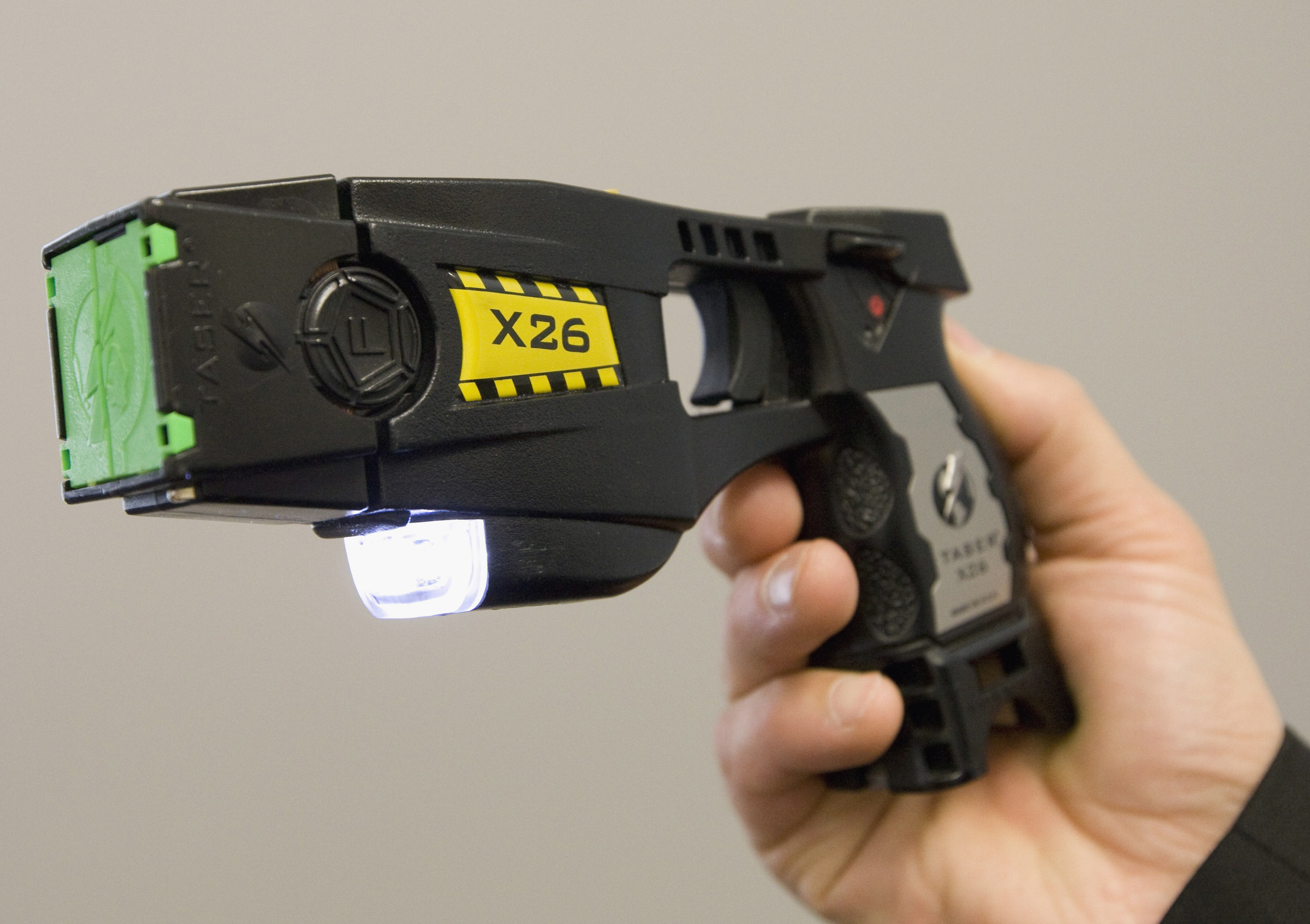
Historically, New York State maintained a strict ban on the possession of stun guns and Tasers, classifying them as weapons. This prohibition meant that carrying, owning, or even purchasing these devices was illegal, a stance that stood for decades. However, this changed following a landmark federal court decision in 2019. In the case of KNY v. New York, the court ruled that the state’s blanket ban on stun guns violated the Second Amendment right to keep and bear arms for self-defense. This ruling effectively legalized the possession of stun guns and Tasers by law-abiding citizens for self-defense in the home.
It is critical to emphasize the distinction between possession and carrying, especially for those visiting. While the 2019 ruling permitted ownership for in-home defense, it did not automatically legalize the carrying of these devices in public spaces, particularly concealed carrying. New York State law still treats the public carrying of Tasers and stun guns with significant restrictions, often requiring a pistol permit, which is exceedingly difficult for residents to obtain, let alone for non-residents or tourists. Local jurisdictions, such as New York City, may also have their own additional ordinances that further restrict or prohibit their use and carry within city limits. This layered legal structure means that while a Taser might be legal to own in a private residence within New York State, carrying one in your bag as you explore Manhattan or visit the Statue of Liberty could still lead to serious legal consequences, including arrest and criminal charges.
For a tourist, attempting to bring a Taser or stun gun into New York from another state or country where it might be legal is highly inadvisable. Transportation Security Administration (TSA) regulations generally prohibit stun guns in carry-on luggage but permit them in checked baggage. However, this federal permissibility does not override state or local laws at your destination. Upon arrival in New York, if you are found with a Taser, you would immediately become subject to New York State and New York City laws, which, as detailed, significantly restrict their public possession. The potential penalties for violating these laws can range from fines and confiscation of the device to misdemeanor or even felony charges, which can result in jail time and a permanent criminal record, effectively ruining any travel plans and creating long-term legal issues.
Implications for Visitors: What Tourists Need to Know
Given the complexities, the straightforward advice for any tourist visiting New York is to not bring a Taser or stun gun. The legal risks far outweigh any perceived benefit. The primary goal of any trip should be enjoyment and discovery, not navigating the intricacies of a foreign legal system. Instead of focusing on potentially illegal self-defense devices, travelers should prioritize legal and universally accepted personal safety practices.
This perspective aligns perfectly with the ethos of responsible tourism. Engaging with local laws and customs respectfully is a fundamental part of a positive travel experience. For a place as iconic and bustling as New York, there’s already a robust system in place for public safety. The New York City Police Department (NYPD) maintains a visible presence across the five boroughs, particularly in high-traffic tourist areas. Emergency services are readily accessible, and the city is generally considered safe for visitors who exercise common sense and situational awareness.
Understanding these legal nuances is not just about avoiding trouble; it’s about making informed choices that contribute to a safer and more enjoyable travel experience. Rather than relying on a device that could land you in hot water, focus on proactive measures and a keen awareness of your surroundings. Your time in New York should be about creating lasting memories, not legal woes.
Understanding Personal Safety in Urban Environments
Exploring a vibrant metropolis like New York City is an exhilarating experience, but like any large urban environment, it requires a degree of vigilance. While the legality of certain self-defense tools is a specific concern, a broader understanding of personal safety strategies is far more beneficial and universally applicable for travelers. Embracing a proactive approach to safety, rather than relying on a single device, empowers individuals to navigate unfamiliar surroundings confidently and securely.
Beyond Tasers: Alternative Self-Defense Strategies
When Tasers and stun guns are largely off the table for tourists in New York, what alternatives remain for personal safety? The most effective tools are often those that don’t involve physical devices at all: your mind and your awareness.
- Situational Awareness: This is arguably the most crucial self-defense skill. It involves being aware of your surroundings, noticing people, exits, and potential threats. Avoid distractions like constantly looking at your phone or listening to loud music through headphones, which can dull your senses. Keep your head up, make eye contact, and project confidence.
- Trust Your Instincts: If a situation or a person makes you feel uneasy, trust that feeling. Remove yourself from the situation quickly and calmly. It’s always better to be safe than sorry, even if it means seeming impolite.
- Travel in Groups: There is safety in numbers. When possible, explore with companions, especially at night. If you must travel alone, especially after dark, stick to well-lit, populated areas.
- Plan Your Routes: Before heading out, especially to a new neighborhood, familiarize yourself with your route. Know how you’re getting there and how you’re getting back. Use reliable navigation apps but don’t rely on them exclusively; look up occasionally to orient yourself.
- Secure Your Valuables: Keep wallets, phones, and other valuables out of sight and securely stored. Consider using a cross-body bag or a money belt under your clothing. Be mindful of pickpockets in crowded areas like Grand Central Terminal or on the MTA.
- Non-Lethal, Legal Aids: While Tasers are restricted, some other non-lethal self-defense items might be legal, though their legality should always be verified for specific locations within New York. Personal safety alarms, for example, are small, portable devices that emit a loud siren to attract attention and deter attackers. Pepper spray legality is also complex in New York; generally, it can only be purchased from a licensed dealer within New York State and carried in small quantities for self-defense. Bringing it in from another state is typically illegal. It’s best to err on the side of caution and focus on non-device-dependent strategies.
- Emergency Preparedness: Know how to contact emergency services (dial 911 in the U.S.). Keep your phone charged and consider sharing your location with a trusted friend or family member, especially if you’re traveling solo. Many modern smartphones also offer emergency SOS features that can be quickly activated.
These strategies empower travelers by enhancing their ability to avoid dangerous situations altogether, which is always preferable to having to defend oneself. They are universal, legal, and effective tools for staying safe in any environment, whether you’re visiting Paris, Tokyo, or the heart of New York City.
New York City: Safety Tips for Exploring Its Landmarks and Neighborhoods
New York City is a city of neighborhoods, each with its unique charm and character. While it is generally a safe place for tourists, particularly in the well-trafficked areas, adopting specific safety practices can significantly enhance your experience.
- Public Transportation (MTA): The subway and bus system (operated by the MTA) is an efficient way to get around. During peak hours, it’s bustling and generally safe. Late at night, however, it’s wise to stick to crowded cars, avoid empty stations, and be aware of your surroundings. If a subway car is largely empty, it might be safer to wait for the next train or move to a car with more people.
- Iconic Landmarks: Places like Times Square, the Empire State Building, Rockefeller Center, and the Metropolitan Museum of Art are extremely popular and usually have a visible police presence. The main risk here is often petty theft (pickpocketing) due to large crowds. Keep your belongings secure and close to your body.
- Nightlife and Entertainment: Broadway shows, concerts, and vibrant nightlife are central to the New York experience. When enjoying these, be mindful of your alcohol intake, never leave drinks unattended, and use reputable transportation services (yellow cabs, registered ride-sharing apps) to get back to your hotel or accommodation. Avoid unmarked cars offering rides.
- Parks and Green Spaces: Central Park, Prospect Park, and others are beautiful havens within the city. During the day, they are typically very safe and full of people. After dark, however, some areas can become less safe due to poor lighting and fewer people. It’s best to explore parks during daylight hours.
- Interacting with Strangers: New Yorkers are generally friendly and helpful, but exercise caution when approached by strangers, especially those who seem overly persistent or are trying to sell you something aggressively. Be polite but firm in declining unwanted interactions. If you need directions, approach uniformed personnel or ask inside a legitimate business.
- Hotel Safety: When staying at a hotel or accommodation in New York, ensure your room door is locked, use the peephole before opening, and keep valuables in the room safe. Reputable establishments, whether luxury hotels like the Four Seasons New York or budget-friendly options, prioritize guest safety through various measures.
By incorporating these practical tips into your travel routine, you can significantly enhance your personal safety and fully immerse yourself in the wonders of New York City without unnecessary worry.
Travel Smart: Preparing for Your New York Adventure
A memorable trip to New York begins long before you pack your bags. Smart travel preparation involves not just booking flights and hotels, but also understanding the local context, including legal nuances and safety considerations. This proactive approach ensures that your focus remains on enjoying the destination, from its iconic landmarks to its unique local culture, rather than on unforeseen complications.
Checking Local Regulations Before You Go
One of the most fundamental aspects of responsible tourism is to research and respect the laws of your destination. This is especially true when it comes to items that could be considered weapons or self-defense tools. The legal status of stun guns and Tasers in New York serves as a prime example of why pre-trip legal research is non-negotiable.
Before traveling to any new state or country, make it a habit to check the relevant legal statutes regarding items you intend to carry, particularly if they could be subject to regulation. A quick search of the official state government websites or consulting a legal resource specialized in travel law can provide clarity. For New York, understanding the distinction between possession in the home and public carrying is vital. Remember that laws are subject to change, so always ensure you are consulting the most up-to-date information. What might have been legal last year or in another state might not be today or in New York.
This diligent preparation extends beyond self-defense tools. It includes understanding local driving laws if you plan to rent a car, alcohol consumption regulations, and even specific rules about public behavior (e.g., open container laws). By being well-informed, you not only avoid legal trouble but also demonstrate respect for the destination and its residents. This commitment to being a well-prepared traveler contributes to a smoother, stress-free experience, allowing you to fully appreciate everything from a Broadway show to a stroll across the Brooklyn Bridge.
Responsible Tourism and Personal Security
Responsible tourism is about more than just respecting the environment or supporting local economies; it also encompasses a commitment to personal and public safety. For the individual traveler, this means taking proactive steps to safeguard oneself without inadvertently causing harm or breaking local laws.
- Embrace Digital Resources for Safety: Modern travel is enhanced by technology. Utilize safety features on your smartphone, such as emergency contacts and location sharing. Download maps for offline use, identify local emergency numbers, and research reputable local transportation options. Apps like Google Maps can help you navigate safely and avoid potentially less-desirable areas, particularly at night.
- Prioritize Reputable Accommodation: Whether you opt for a luxurious suite at the Plaza Hotel or a more budget-friendly boutique hotel, choosing accommodation with good security features and a positive reputation is a foundational step in personal safety. Read reviews, check for 24-hour reception, and ensure your room has secure locks. Many modern hotels, like the Grand Hyatt New York, offer excellent amenities and security protocols that contribute to guest peace of mind.
- Dress Appropriately and Blend In: While New York is a fashion-forward city, dressing too conspicuously or carrying expensive items openly can make you a target. Try to blend in with local attire, avoid flashy jewelry, and carry minimal valuables. This subtle approach can often be more effective than any self-defense device in deterring unwanted attention.
- Stay Connected: Regularly check in with family or friends back home, letting them know your itinerary and whereabouts. If traveling solo, consider joining guided tours or group activities to enhance safety and meet fellow travelers.
- Focus on the Experience: Ultimately, a trip to New York is about the incredible experiences it offers – the art, the food, the vibrant street life, the unforgettable attractions. By being informed about local laws, practicing smart safety habits, and adopting a confident, aware demeanor, you ensure that these positive experiences remain at the forefront of your journey. You can confidently explore destinations like Ellis Island, catch a Yankees game at Yankee Stadium, or simply enjoy a quiet moment in a Greenwich Village café, all while knowing you’ve taken the necessary steps to protect yourself responsibly and legally.
In conclusion, while the question “Are Tasers Illegal in New York?” has a complex answer, the practical advice for travelers is clear: avoid bringing or carrying them. Focus instead on robust, legal, and universally effective personal safety strategies. By doing so, you ensure your New York adventure is not only unforgettable but also safe and free from legal complications. Enjoy the journey, embrace the dynamism of the city, and travel smart.
LifeOutOfTheBox is a participant in the Amazon Services LLC Associates Program, an affiliate advertising program designed to provide a means for sites to earn advertising fees by advertising and linking to Amazon.com. Amazon, the Amazon logo, AmazonSupply, and the AmazonSupply logo are trademarks of Amazon.com, Inc. or its affiliates. As an Amazon Associate we earn affiliate commissions from qualifying purchases.