
The question of citizenship for the residents of Puerto Rico is a complex and historically significant one, deeply intertwined with the island’s political status and its relationship with the United States. Understanding this nuanced reality is crucial for anyone planning to visit, invest in, or engage with the island.
The Historical Context: A Territory Under American Rule
Puerto Rico became a U.S. territory following the Spanish-American War in 1898. The subsequent Foraker Act of 1900 established a civilian government and declared that all inhabitants of Puerto Rico who were Spanish subjects on April 11, 1899, and their children born thereafter, would be citizens of Puerto Rico. However, this did not automatically grant them full U.S. citizenship.
The Jones-Shafroth Act of 1917: A Turning Point
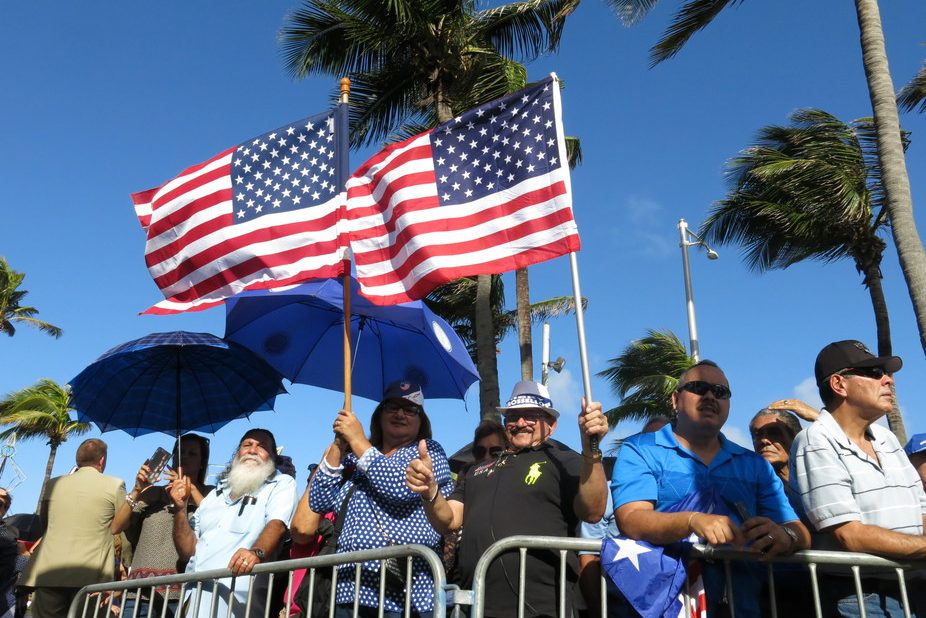
A pivotal moment arrived with the passage of the Jones-Shafroth Act in 1917. This legislation granted statutory U.S. citizenship to the people of Puerto Rico. Crucially, this citizenship is granted by an act of Congress, not by the U.S. Constitution itself, which distinguishes the status of Puerto Ricans from those born in the 50 states. This means that while Puerto Ricans are U.S. citizens, they do not possess all the rights and privileges afforded to citizens residing in the states.
Key Implications of Statutory Citizenship
- Right to Travel: Puerto Rican citizens can travel freely between Puerto Rico and the United States without passports or visas. This ease of travel makes it a popular destination for American tourists and a convenient place for U.S. citizens to relocate or visit family.
- Military Service: Puerto Ricans are eligible and have served with distinction in the U.S. military.
- Federal Benefits: While Puerto Ricans are U.S. citizens, they do not pay federal income tax on income earned in Puerto Rico. However, they do receive less federal funding for programs like Medicare and Medicaid compared to states.
- Voting Rights: Puerto Rican citizens residing in Puerto Rico cannot vote in U.S. presidential elections. They do, however, elect their own governor and legislature, and have a non-voting representative in the U.S. House of Representatives.
The Debate Over Political Status: Commonwealth, Statehood, or Independence?
The question of citizenship is inextricably linked to the ongoing debate about Puerto Rico’s political status. For decades, there have been discussions and referendums regarding whether the island should remain a U.S. commonwealth, become the 51st state, or gain full independence. Each potential status change carries significant implications for citizenship and rights.
Commonwealth Status: The Current Reality
Under the current commonwealth status, Puerto Rico is an unincorporated territory of the United States. This means that while the U.S. Constitution applies to Puerto Rico, it has not been fully extended to the island in the same way it has to the states. This “unincorporated” nature is key to understanding the distinctions in rights and governance.
Characteristics of Commonwealth Status
- Local Governance: Puerto Rico has its own constitution and elected officials, managing its internal affairs.
- Federal Laws: Many federal laws are applicable to Puerto Rico, but Congress can choose to exempt the island from certain laws.
- Economic Relationship: The economic ties between Puerto Rico and the United States are substantial, with many businesses operating under U.S. regulations.
Statehood: A Potential Future
The movement for statehood advocates for Puerto Rico to be admitted as a fully integrated state of the United States. If this were to occur, all U.S. citizens residing in Puerto Rico would automatically gain full constitutional rights, including the right to vote in presidential elections and full representation in Congress. It would also mean the application of federal income taxes and equal access to federal programs.

Independence: A Sovereign Nation
The option of independence envisions Puerto Rico becoming a sovereign nation, separate from the United States. The implications for citizenship would be profound. Individuals born in Puerto Rico would likely become citizens of the new nation, and their U.S. citizenship status would need to be addressed through agreements between the two nations.
Practical Implications for Visitors and Residents
For travelers planning a trip to the stunning beaches of Vieques or the vibrant streets of Old San Juan, the citizenship status of Puerto Ricans has direct practical consequences.
Ease of Travel and Entry
As mentioned, the free movement between Puerto Rico and the United States means that U.S. citizens do not need passports to visit. Identification is typically required for boarding flights, but the process is akin to domestic travel. This makes Puerto Rico an accessible and attractive destination for American vacationers looking for a tropical getaway without the logistical hurdles of international travel.
Economic Landscape
The economic relationship, influenced by territorial status, affects everything from business regulations to tourism infrastructure. Many resorts, such as those found in Dorado, benefit from the established economic ties, while local businesses navigate a unique tax and regulatory environment. Understanding this context can provide a deeper appreciation for the island’s economic dynamics.
Cultural Identity
The unique cultural identity of Puerto Rico, a blend of Taíno, Spanish, African, and American influences, is a significant draw for tourists interested in local culture, food, and music. The ongoing political status debate adds another layer to this identity, a constant undercurrent in the island’s narrative.
Navigating the Legal and Political Landscape
The legal and political discussions surrounding Puerto Rico’s status are ongoing and have significant implications for its residents.
The U.S. Supreme Court’s Perspective
The U.S. Supreme Court has affirmed that Puerto Rico is an unincorporated territory, meaning that not all provisions of the U.S. Constitution apply automatically. This legal interpretation underpins the distinctions in rights between citizens in the states and citizens of Puerto Rico.
The Push for Self-Determination
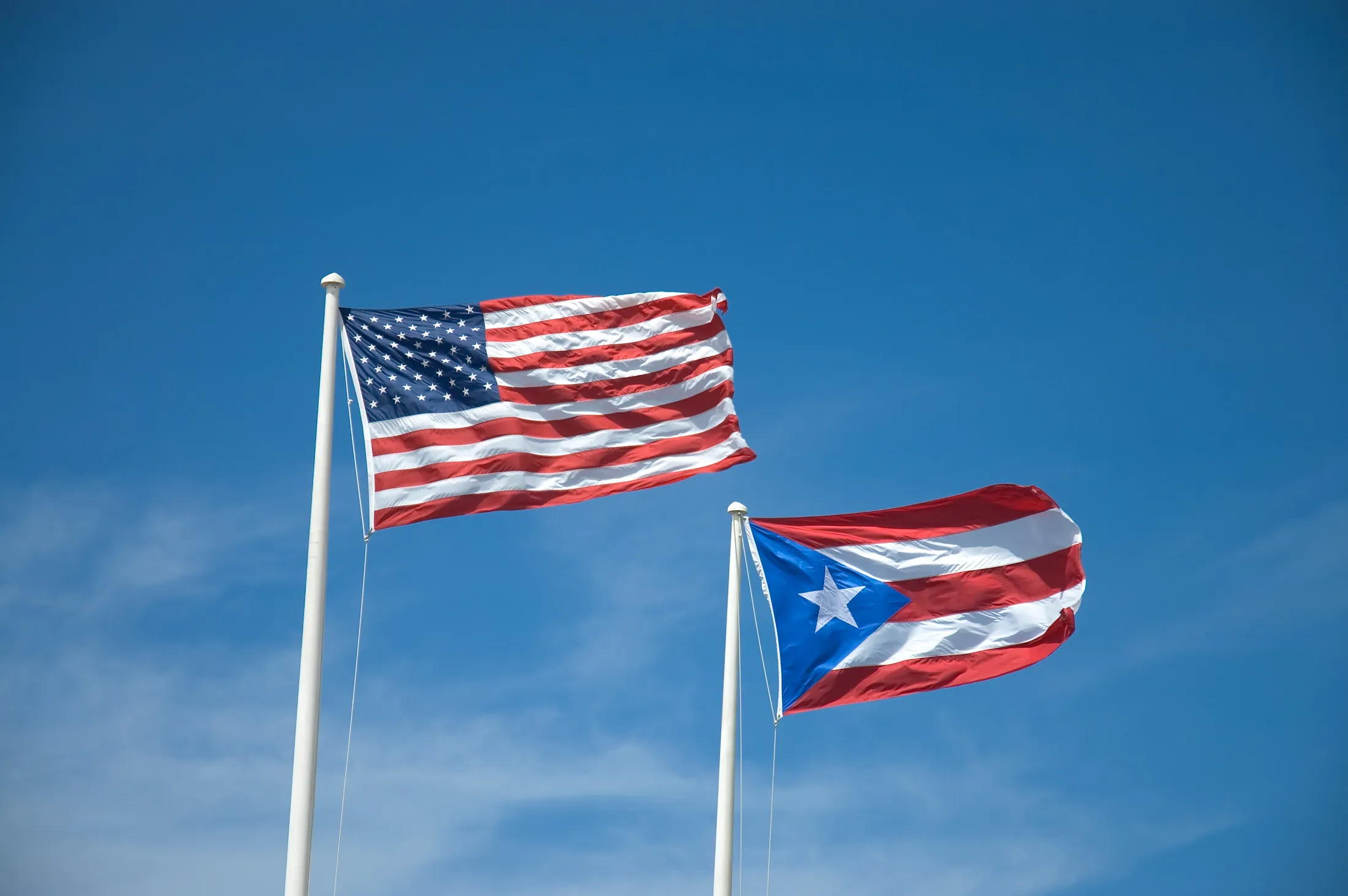
There is a strong movement within Puerto Rico advocating for greater self-determination and a resolution to its political status. This movement encompasses various viewpoints, from those seeking statehood to those desiring independence or a revamped commonwealth status. These discussions are critical for shaping the future of the island and its people.
In conclusion, while the citizens of Puerto Rico are indeed American citizens by statute, their citizenship carries certain distinctions due to the island’s territorial status. This nuanced reality is fundamental to understanding Puerto Rico as both a cherished destination and a community with a unique and evolving political identity.
LifeOutOfTheBox is a participant in the Amazon Services LLC Associates Program, an affiliate advertising program designed to provide a means for sites to earn advertising fees by advertising and linking to Amazon.com. Amazon, the Amazon logo, AmazonSupply, and the AmazonSupply logo are trademarks of Amazon.com, Inc. or its affiliates. As an Amazon Associate we earn affiliate commissions from qualifying purchases.