
California, a land of unparalleled natural beauty, iconic landmarks, and vibrant culture, consistently beckons travelers from across the globe. From the sun-kissed beaches of Southern California to the majestic forests of the north, its diverse landscapes offer an endless array of experiences. However, the golden state is also no stranger to the challenge of wildfires, a phenomenon that has, at times, raised concerns among prospective visitors about safety, air quality, and the overall travel experience. For anyone planning a journey to this enchanting destination, a crucial question often arises: are the fires out in California, and is it safe to travel?
The answer, like much of California’s dynamic environment, is nuanced and ever-evolving. While major, widespread blazes that dominate headlines might be contained for extended periods, localized fires can still occur, particularly during certain seasons. This article aims to provide a comprehensive guide for travelers, offering clarity on the current situation, equipping you with essential planning tools, and highlighting the many magnificent parts of California that remain open, safe, and ready to welcome you. We’ll delve into understanding the fire landscape, offer practical tips for safe and responsible tourism, and point you towards resilient destinations that promise unforgettable memories, irrespective of the fire season’s ebb and flow. Our goal is to empower you with the knowledge to make informed decisions, ensuring your California adventure is both enjoyable and worry-free, celebrating the enduring spirit and beauty of the state.
Understanding California’s Fire Season and Current Status
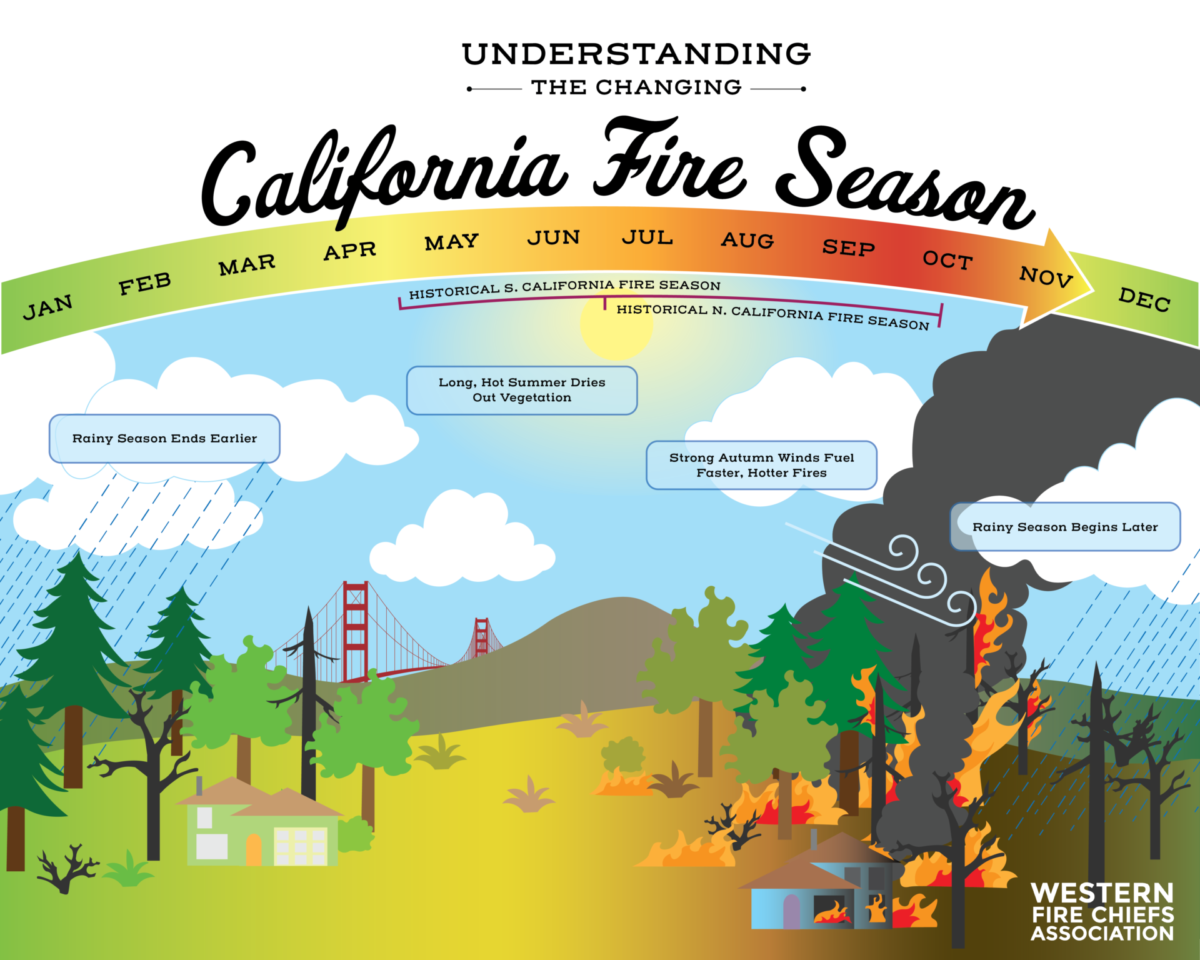
California’s geography and climate make it inherently susceptible to wildfires. Understanding the patterns and current conditions is the first step in planning a safe and enjoyable trip. The fire season, once a relatively predictable period, has expanded due to climate change, bringing more frequent and intense events. However, this doesn’t mean the entire state is perpetually engulfed in flames.
A Dynamic Landscape: When to Expect Wildfires
Traditionally, California’s wildfire season peaks from late summer through autumn, typically July to November, driven by hot, dry conditions, accumulated dry vegetation (fuel), and strong winds like the Santa Anas in the south or the Diablo winds in the north. Years of drought have exacerbated these conditions, making vegetation more susceptible to ignition. Regions particularly prone to significant fire activity include the dry chaparral hills of Southern California, the densely forested areas of the Sierra Nevada (home to Yosemite National Park and Sequoia National Park), and parts of Northern California’s wine country, such as Napa Valley and Sonoma County. Coastal regions, due to their cooler, more humid air, generally experience fewer direct impacts, though smoke can travel.
Current Outlook: Are Fires Active Right Now?
As of [current month/year], while California has experienced localized fire activity, major widespread incidents are generally contained, and the overall fire risk fluctuates based on weather patterns. It is crucial to understand that the situation is fluid; conditions can change rapidly. For real-time, accurate information, travelers should always consult official sources. The CAL FIRE website (www.fire.ca.gov) provides daily incident reports, fire maps, and updates on active fires. Additionally, air quality can be a significant concern, even if you are not directly in a fire zone. Websites like AirNow.gov offer real-time Air Quality Index (AQI) readings, which are vital for planning outdoor activities. Many regions remain completely unaffected and perfectly safe for travel, while others might have temporary closures or air quality advisories. The key is focused research on your specific destination and travel dates rather than making assumptions about the entire state.
Navigating Travel in California: Safety First
For travelers eyeing California during or near fire season, preparedness is paramount. While many areas remain untouched, a proactive approach ensures both safety and peace of mind. Thoughtful planning and staying informed are your best allies for an enjoyable trip.
Pre-Trip Planning: Essential Checks and Resources
Before you even book your flights or accommodations, thorough research is indispensable. Start by identifying your specific destinations within California. For example, if your heart is set on exploring the natural wonders of Lake Tahoe or hiking through the majestic redwoods in Redwood National Park, verify their current status. Use official park websites or local tourism boards for the most up-to-date information on closures, advisories, and conditions.
Always check the Air Quality Index (AQI) for your chosen area. Smoke can travel hundreds of miles, impacting air quality even far from the fire source. A high AQI can make outdoor activities unhealthy, especially for those with respiratory conditions. Websites like AirNow.gov or PurpleAir.com provide granular, real-time data. Road closures are another critical consideration. Caltrans (roads.dot.ca.gov) offers comprehensive updates on highway conditions and closures across the state. It’s wise to have alternative routes planned, particularly if traveling through fire-prone areas.
Finally, consider travel insurance. While not a direct fire safety measure, a robust travel insurance policy that covers unforeseen events, including trip cancellations or interruptions due to natural disasters, can be a valuable investment. Carefully review the policy’s terms and conditions regarding wildfires or air quality impacts. Booking accommodations with flexible cancellation policies is also a smart move, allowing you to adjust plans if conditions change. Whether you’re staying at a luxurious Ritz-Carlton resort or a cozy bed-and-breakfast, confirm their specific policies regarding natural disaster-related cancellations.
On-the-Ground Safety: What to Do and Avoid
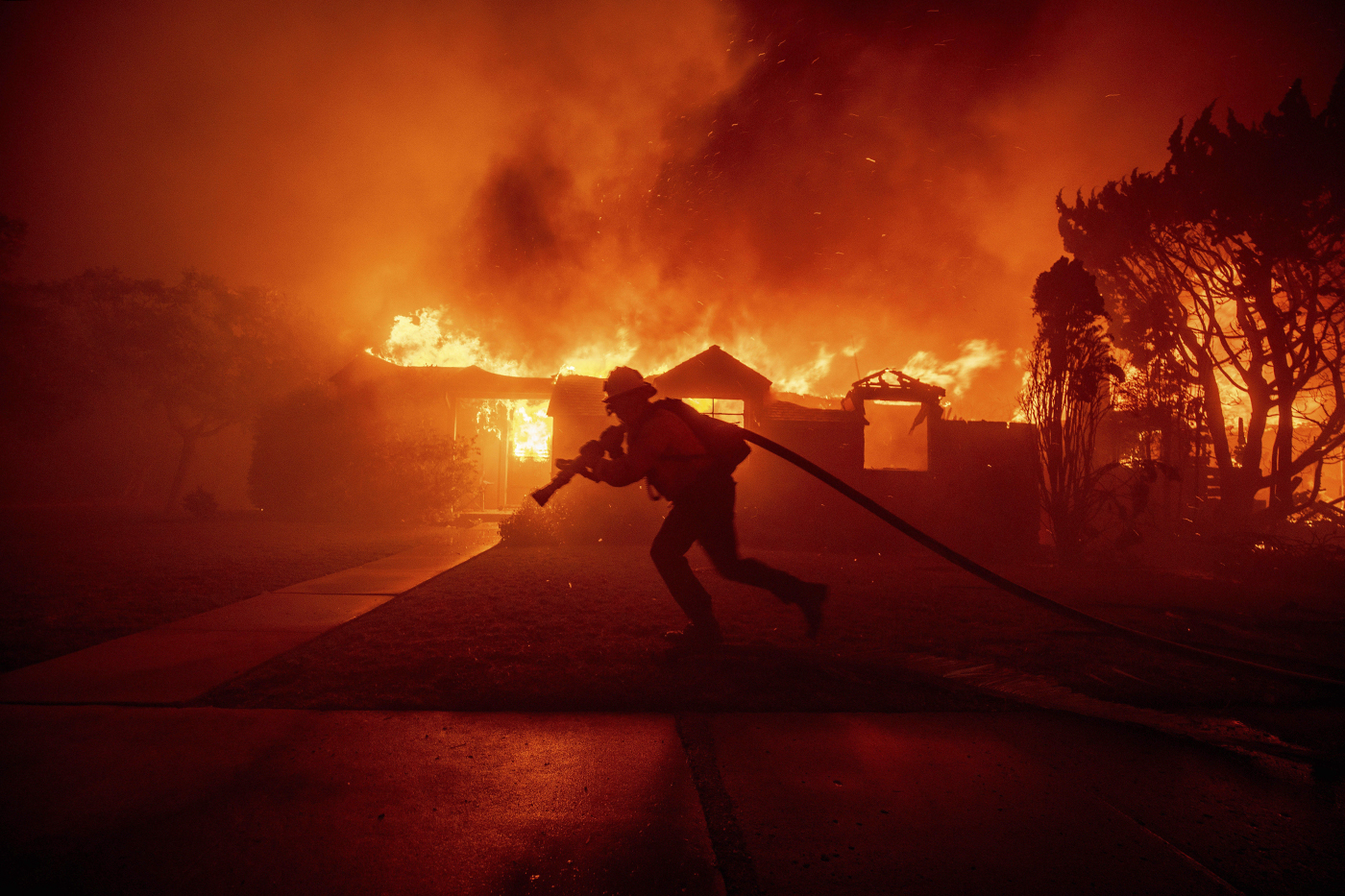
Once you are in California, vigilance and adherence to local guidelines are key. Pay close attention to local news, emergency alerts, and advice from authorities. If you’re visiting a national or state park, speak with rangers upon arrival for the latest information on trail closures, fire restrictions, and evacuation procedures. Heed all warnings and never ignore an evacuation order; these are issued for your safety.
Respecting fire restrictions is crucial for both your safety and the prevention of new fires. This often includes bans on campfires, charcoal grills, or smoking in wildland areas, especially during peak fire season. Always check with your accommodation, whether a campground, a Hyatt Regency, or a private rental, about their specific rules. If you’re hiking or camping, carry a small emergency kit including a first-aid kit, extra water, a flashlight, and a fully charged cell phone. Familiarize yourself with emergency exits and evacuation routes from your hotel or rental property. In areas potentially affected by smoke, consider carrying N95 masks, especially if you have sensitivities. While California is beautiful year-round, awareness and responsible behavior ensure that you can enjoy its splendor safely and sustainably.

Unaffected and Resilient Destinations: Where to Go
Despite the periodic challenges of wildfires, vast swaths of California remain unaffected or quickly recover, offering a diverse array of stunning and safe destinations for travelers. The state’s sheer size and varied geography mean that there are always incredible places to visit, regardless of localized fire activity.
Coastal Escapes: Sun, Sand, and Safety
California’s extensive coastline is often a refuge from inland fire concerns, benefiting from cooler, more humid air.
- San Diego: Known for its year-round pleasant weather, pristine beaches, and vibrant culture, San Diego is an excellent choice. Explore the historic Gaslamp Quarter, relax on the shores of Coronado Island, or visit the world-renowned San Diego Zoo. The coastal breeze typically keeps the air clear and fires at bay.
- Los Angeles: The sprawling metropolis of Los Angeles offers endless attractions, from the glamour of Hollywood to the laid-back vibe of Santa Monica and Venice Beach. While some hills around LA can be susceptible, the city center and coastal areas typically remain safe and accessible. Luxurious hotels like the Beverly Wilshire, A Four Seasons Hotel or boutique stays in West Hollywood provide excellent urban bases.
- San Francisco: This iconic city, famous for the Golden Gate Bridge, Alcatraz Island, and its distinct neighborhoods, rarely experiences direct fire threats. Its cool, foggy climate makes it a consistent choice for urban exploration and cultural immersion.
- Monterey and Carmel-by-the-Sea: Along the central coast, these picturesque towns offer stunning ocean views, the famous Monterey Bay Aquarium, and scenic drives like 17-Mile Drive. They are generally considered very safe from wildfires due to their coastal proximity.
Urban Adventures: Culture and Comfort
California’s cities are hubs of culture, entertainment, and culinary delights, often far removed from wildland fire risks.
- Sacramento: The state capital, Sacramento, offers a rich history, particularly in Old Sacramento State Historic Park, and a burgeoning farm-to-fork dining scene. It serves as a great base for exploring the Central Valley and is typically unaffected by major wildfires.
- Palm Springs: This desert oasis, celebrated for its mid-century modern architecture, golf courses, and vibrant arts scene, experiences a very different climate than forested areas. While hot, its arid environment generally presents a different set of fire risks, and it remains a popular, safe destination for relaxation and luxury. Resorts like The Parker Palm Springs offer exceptional amenities.
- Anaheim: Home to the magical Disneyland Resort, Anaheim is a world-class family destination where fires are not a concern. The focus here is on rides, shows, and unforgettable experiences.
Resurgent Natural Wonders: Awaiting Your Return
While some natural areas may temporarily close during a fire, many are incredibly resilient and rebound quickly, or are so vast that specific fire impacts are localized.
- Yosemite National Park: Though fires have occasionally impacted its perimeter, the vast majority of Yosemite often remains open. Always check park conditions, but its iconic valleys, waterfalls, and granite domes are largely protected and await eager explorers. Accommodation within the park, such as The Ahwahnee, offers an immersive experience.
- Paso Robles: This thriving wine region on the Central Coast offers world-class wineries and culinary experiences. It’s an excellent alternative to Napa Valley during times of fire concern in the north, offering a robust tourism infrastructure and typically lower fire risk due to its coastal influence and different terrain.
- Big Sur: While Big Sur has faced its share of natural challenges, including fires and mudslides, its iconic Highway 1 drive and dramatic coastal cliffs are frequently open and accessible, offering some of the most breathtaking vistas in the world. Always check road conditions before heading out on this scenic route.
By focusing on these resilient and generally unaffected destinations, travelers can confidently plan a memorable trip to California, enjoying its incredible diversity without undue concern for wildfires.
Responsible Tourism: Supporting California’s Recovery
Traveling responsibly is more important than ever, especially in a state like California that occasionally grapples with natural challenges like wildfires. As a visitor, your choices can significantly impact local communities and the environment, contributing to resilience and recovery. Embracing responsible tourism means making conscious decisions that benefit the destination and its people, ensuring that California remains a magnificent place for future generations of travelers.
Choosing Eco-Conscious Accommodation
When selecting where to stay, consider options that prioritize sustainability and local community engagement. Many hotels, resorts, apartments, and villas in California have adopted eco-friendly practices, such as water conservation programs, renewable energy usage, waste reduction initiatives, and sourcing local produce for their restaurants. Look for certifications or explicit statements about their sustainability efforts. For example, chains like Hyatt Regency and Marriott often have corporate-wide sustainability goals, while many independent boutique hotels and eco-lodges in areas like Ojai or along the North Coast pride themselves on their environmental stewardship and connection to the local culture. By choosing these accommodations, you directly support businesses that are committed to preserving California’s natural resources and vibrant communities. Additionally, supporting locally-owned businesses, from family-run restaurants to artisan shops, ensures that your tourism dollars circulate within the community, aiding economic recovery and growth. This is particularly vital in areas that might have been indirectly affected by wildfire disruptions, even if they weren’t directly burned.
Giving Back: Volunteering and Donations
For those who wish to go beyond sustainable spending, there are opportunities to actively contribute to California’s recovery and resilience efforts. Many non-profit organizations are dedicated to reforestation, wildlife rehabilitation, and community support in areas impacted by wildfires. While on your trip, you might consider allocating some time for a volunteer activity, such as trail restoration in a state park or assisting with local clean-up efforts. Organizations like the California Conservation Corps or local land trusts often welcome volunteers or accept donations.
If volunteering isn’t feasible, a monetary contribution to reputable organizations involved in wildfire relief and prevention, such as the California Community Foundation’s Wildfire Relief Fund or the American Red Cross, can make a significant difference. Furthermore, practicing responsible waste disposal, staying on marked trails, and respecting local ecosystems are simple yet impactful ways to minimize your environmental footprint. By being a mindful and engaged traveler, you not only enjoy the wonders of California but also become a part of its ongoing story of resilience and renewal.
In conclusion, the question “Are the fires out in California?” is best answered with an understanding of dynamic conditions and a commitment to informed, responsible travel. While wildfires are a recurring aspect of the state’s natural cycle, California remains an extraordinarily diverse and welcoming destination. By staying informed through official channels, prioritizing safety, and choosing resilient, unaffected destinations, you can confidently plan an unforgettable journey. Embrace the spirit of responsible tourism, and you’ll find that the Golden State, with its boundless attractions and enduring spirit, is always ready to impress, offering magnificent experiences that go far beyond the headlines.
LifeOutOfTheBox is a participant in the Amazon Services LLC Associates Program, an affiliate advertising program designed to provide a means for sites to earn advertising fees by advertising and linking to Amazon.com. Amazon, the Amazon logo, AmazonSupply, and the AmazonSupply logo are trademarks of Amazon.com, Inc. or its affiliates. As an Amazon Associate we earn affiliate commissions from qualifying purchases.