
For many travelers planning a trip to the Sunshine State, navigating the extensive toll road system in Florida can be a significant concern. The question of whether tolls are suspended often arises, particularly in the wake of natural disasters or other emergencies. While temporary toll suspensions are a mechanism used by state authorities to facilitate evacuations or recovery efforts, these measures are almost always time-limited. Understanding the current status and the typical protocols for Florida’s toll roads is crucial for a smooth and budget-friendly travel experience.
Understanding Florida’s Extensive Toll Road Network
Florida boasts one of the most comprehensive toll road networks in the United States, essential for its vast population centers and booming tourism industry. These roads, operated by entities like the Florida Department of Transportation (FDOT) and various expressway authorities, are designed to alleviate congestion, fund infrastructure improvements, and provide faster routes across the state. Major arteries such as the Florida Turnpike, SR 528 (Beachline Expressway), and SR 417 (Central Florida GreeneWay) are vital for connecting popular destinations like Orlando‘s theme parks to coastal cities and major metropolitan areas like Miami and Tampa.
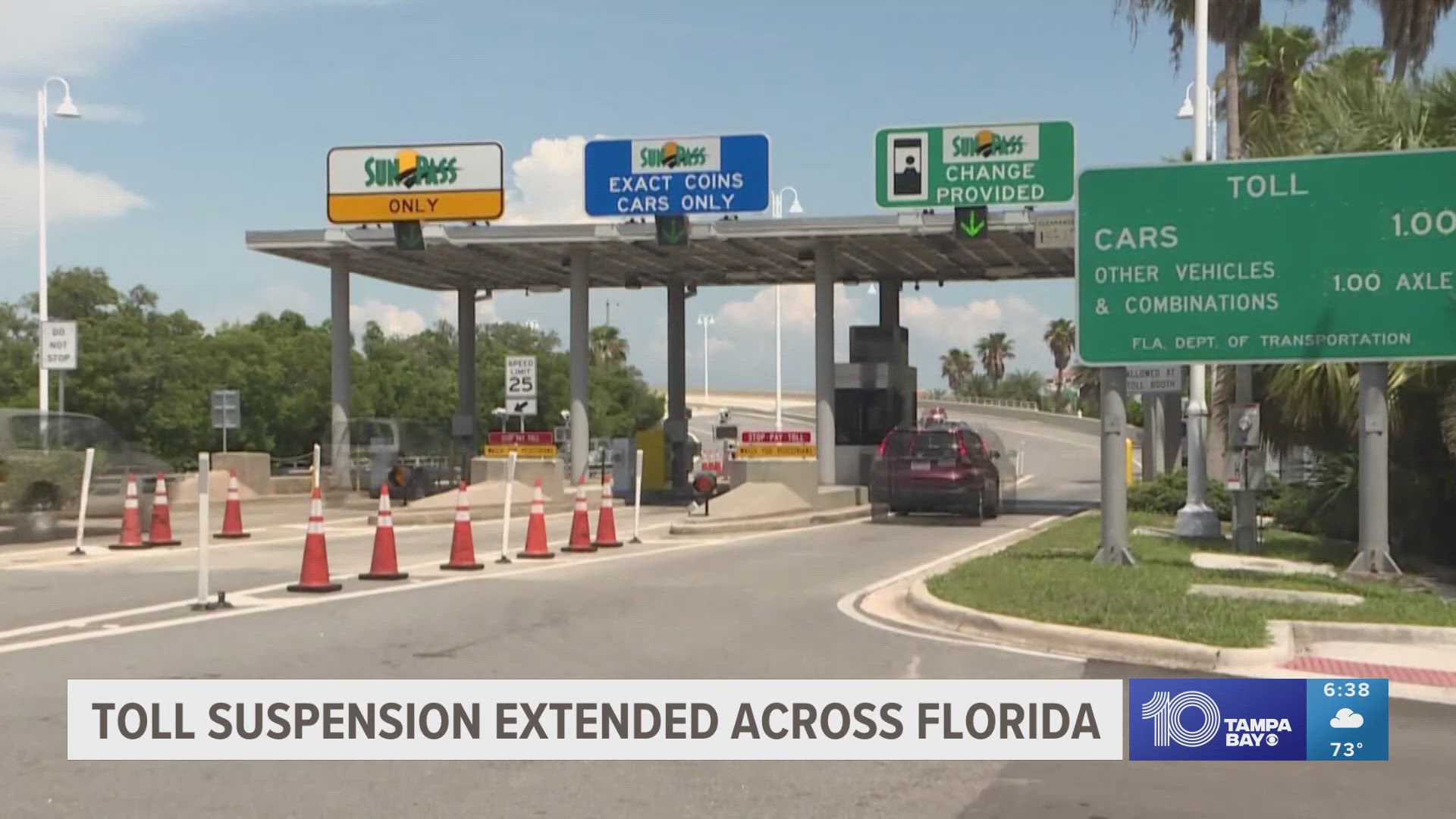
The revenue generated from these tolls plays a critical role in maintaining and expanding the state’s transportation infrastructure. This includes not only the upkeep of the roads themselves but also the construction of new lanes, interchanges, and bridges that are essential to keep pace with Florida’s rapid growth. For travelers, these tolled roads often provide the most direct and least congested routes, saving valuable time, especially during peak travel seasons or navigating urban areas. However, the cumulative cost of tolls can add up quickly, making it imperative for visitors to understand the payment systems and factor these expenses into their travel budget.
The Dynamics of Toll Suspensions: When and Why
Toll suspensions in Florida are not a routine occurrence but rather a targeted response to specific, often severe, circumstances. The most common trigger for such suspensions is a declared state of emergency, typically in anticipation of or following a major natural disaster, such as a hurricane.
Emergency Response and Evacuation
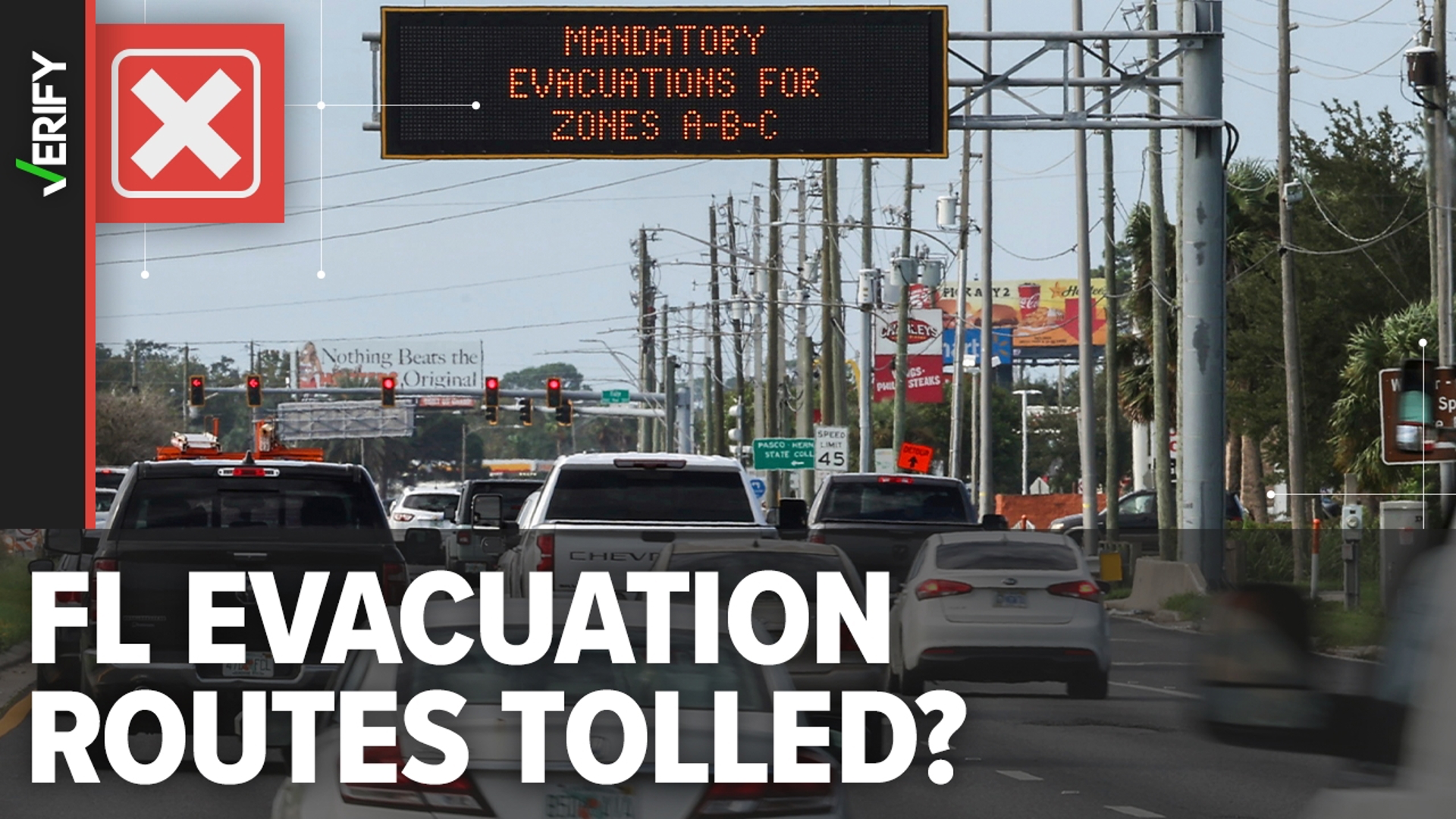
When a hurricane or other significant weather event threatens the state, the Florida Governor may issue an executive order to suspend tolls. The primary goal of these suspensions is to facilitate rapid and unhindered evacuation for residents and visitors in affected areas. By removing the financial and logistical barrier of paying tolls, authorities aim to speed up traffic flow and ensure that people can reach safety without delay. This was famously observed during events like Hurricane Ian, where tolls were lifted across significant portions of the state’s network to aid evacuation from areas like Florida’s West Coast. Similarly, after a storm has passed, tolls may remain suspended for a period to assist with re-entry for residents and the movement of emergency and recovery personnel and supplies.
Duration and Scope of Suspensions
It is crucial to understand that these suspensions are always temporary. The duration is determined by the evolving emergency situation and the needs of recovery. Once the immediate threat has passed and recovery efforts are sufficiently underway, the executive order is typically rescinded, and tolls are reinstated. The scope of a suspension can also vary, covering specific highways, regions, or the entire state toll network, depending on the nature and geographical impact of the emergency. For instance, a storm impacting only Florida’s East Coast might only see tolls suspended on routes leading away from that specific danger zone.
Current Toll Status and How to Check
As of the current understanding of Florida’s toll operations, tolls are generally NOT suspended under normal circumstances. The period of widespread toll suspensions linked to major emergencies has concluded. This means that travelers should expect to pay tolls on all designated toll roads throughout the state. However, given the dynamic nature of weather and other potential emergencies, staying informed is paramount.
Official Sources for Real-Time Updates
For the most accurate and up-to-date information regarding toll statuses, travelers should always consult official state resources. The primary sources are:
- Florida Department of Transportation (FDOT): The FDOT website (www.fdot.gov) is the authoritative source for road conditions, including any active toll suspensions. They often issue press releases or have dedicated sections during emergencies.
- Florida Turnpike Enterprise: As a major operator of toll roads, the Florida Turnpike Enterprise website (www.floridasturnpike.com) provides specific information related to its network, which includes the Florida Turnpike and other expressways.
- Local Expressway Authority Websites: For specific metropolitan areas like Orlando (Central Florida Expressway Authority – www.cfxway.com) or Tampa (Tampa Hillsborough Expressway Authority – www.thetollroads.com), checking their respective websites can provide localized updates.
- News Media and Government Alerts: During active emergencies, local and state news outlets, as well as official government social media channels, will widely report on toll suspensions. Subscribing to emergency alerts for Florida can also provide timely notifications.
Before embarking on any long-distance travel within Florida, especially during hurricane season (June 1 to November 30), it is highly advisable to check these resources. A quick check can save you from unexpected costs or delays.

Navigating Florida’s Tolls: Payment Options and Tips
Since tolls are generally active, understanding how to pay them efficiently is vital for any traveler in Florida. The state has largely transitioned to electronic tolling, meaning cash payment options are increasingly rare or completely absent on many major tollways.
Electronic Payment Systems
The most convenient and cost-effective way to pay tolls in Florida is through an electronic transponder.
- SunPass: This is Florida’s official prepaid toll program. A small transponder (SunPass Mini or SunPass PRO) is affixed to your vehicle’s windshield, and tolls are deducted automatically from a prepaid account. SunPass offers discounted toll rates compared to other payment methods and is accepted on all toll roads and most toll bridges in Florida. The SunPass PRO is particularly useful as it is also compatible with the E-ZPass network, which spans multiple states across the eastern U.S.
- E-ZPass: If you are traveling from a state within the E-ZPass network (e.g., New York, New Jersey, Pennsylvania), your existing E-ZPass transponder will work on most Florida toll roads where SunPass is accepted. This eliminates the need for a separate transponder.
Pay-by-Plate and Toll-by-Mail
For those without a transponder, Florida toll facilities use a system called Pay-by-Plate or Toll-by-Mail. Cameras photograph your license plate as you pass through a toll plaza.
- Pay-by-Plate: If you have a registered Pay-by-Plate account linked to your license plate and payment method, tolls will be automatically charged.
- Toll-by-Mail: If you don’t have a transponder or a Pay-by-Plate account, a bill will be mailed to the registered owner of the vehicle. This method is the most expensive, as it typically includes administrative fees on top of the base toll amount. Rental car companies often have their own programs for handling tolls, which can also incur significant convenience fees, making the purchase of a SunPass transponder (available at grocery stores like Publix or pharmacies like CVS) a more economical option for visitors.
Tips for Toll Navigation
- Get a SunPass or Use E-ZPass: This is by far the most recommended strategy. It ensures the lowest rates and avoids potential fees from rental car companies or the hassle of receiving bills in the mail.
- Plan Your Route: Utilize GPS apps like Google Maps or Waze and configure them to “avoid tolls” if you wish to minimize toll road usage. Be aware that avoiding tolls can significantly increase travel time, especially between major cities or to attractions like Disney World and Universal Studios in Orlando.
- Rental Cars: Inquire about the rental company’s toll program before you drive off the lot. Understand their fees and consider whether purchasing a SunPass transponder for your trip would be cheaper. Many rental car companies offer daily flat fees for unlimited toll usage, but these can add up over longer trips.
- Budget for Tolls: Factor in toll costs when planning your overall travel budget. A drive from Miami to Orlando on the Florida Turnpike can accumulate substantial tolls, and shorter trips around metropolitan areas like Tampa or Jacksonville also involve toll roads.
Planning Your Florida Trip: Budgeting for Tolls
Incorporating toll costs into your Florida travel budget is an often-overlooked but essential step for a stress-free vacation. The state’s toll system, while efficient, can add a surprising amount to your expenses if not anticipated.
Estimating Toll Expenses
- Online Toll Calculators: Several websites and apps offer toll calculators for Florida. By inputting your starting point and destination, you can get a reasonable estimate of the tolls you’ll encounter. The Florida Turnpike website, for instance, has a comprehensive toll calculator.
- Typical Routes: Understand the tolling on common tourist routes. For example, traveling from Orlando International Airport to Walt Disney World resorts often involves toll roads like the SR 528 and local expressways. Similarly, driving south from Orlando to Miami primarily uses the Florida Turnpike, which is entirely tolled.
- Frequency of Travel: Consider how often you plan to use major highways. If your itinerary involves frequent long-distance drives or navigating through multiple urban centers, your toll expenses will be higher.
Strategies for Cost-Effective Travel
- Optimize Transponder Use: As mentioned, a SunPass or E-ZPass is your best friend. Not only does it provide discounts, but it also saves time and eliminates the risk of missed payments or hefty fees.
- Evaluate “Avoid Tolls” Option: While sometimes slower, opting to avoid tolls on your GPS can lead to significant savings for budget-conscious travelers. This is particularly viable for shorter, local trips where the time difference might not be substantial. However, for long distances, the time saved by using toll roads often outweighs the cost.
- Public Transportation and Ride-Sharing: In major cities like Miami and Orlando, consider using public transportation for certain segments of your trip or relying on ride-sharing services, which typically factor tolls into their fares transparently.
- Factor into Rental Car Choice: When booking a rental car, consider whether their toll program is included, optional, or if a personal SunPass is a better alternative. The cost difference can be hundreds of dollars over a week-long trip.
In conclusion, while temporary toll suspensions are a vital emergency response mechanism in Florida, they are not the norm. Travelers should assume that tolls are active and plan accordingly. By understanding the state’s toll system, utilizing electronic payment methods, and budgeting effectively, your journey through Florida can remain enjoyable and free from unexpected financial surprises. Always check official sources for the most current information, especially during periods of potential inclement weather, to ensure a smooth travel experience.
LifeOutOfTheBox is a participant in the Amazon Services LLC Associates Program, an affiliate advertising program designed to provide a means for sites to earn advertising fees by advertising and linking to Amazon.com. Amazon, the Amazon logo, AmazonSupply, and the AmazonSupply logo are trademarks of Amazon.com, Inc. or its affiliates. As an Amazon Associate we earn affiliate commissions from qualifying purchases.